To understand Mauritius, you have to start with its history. Uninhabited until the first European landings, the island passed in turn through Portuguese reconnaissance, Dutch settlement (which gave it its modern name, after the Prince of Nassau), then French colonial rule (1715-1810) before falling to the British in the Napoleonic Wars and remaining under the Crown until independence in 1968. Each era has left visible traces: place names oscillate between French (Mahébourg, Curepipe, Chamarel) and English (Albion, Quatre Bornes), the Creole architecture of Port Louis sits alongside Victorian administrative buildings, and grand sugar-plantation estates still punctuate the countryside. The Pamplemousses botanical garden, one of the oldest in the southern hemisphere, captures this layered legacy in a single stroll.
The true soul of Mauritius, however, lies in its unique population mix. French colonisation brought enslaved people from Africa and Madagascar; the abolition of slavery in 1835 then triggered the arrival of hundreds of thousands of Indian indentured labourers, whose descendants now form the majority of the island's population. Their point of arrival, the Aapravasi Ghat in Port Louis, is inscribed on the UNESCO World Heritage list as a global symbol of the indentured labour experience. The Sino-Mauritian community, established from the 19th century onwards, and the Franco-Mauritian descendants of the original colonists complete a remarkably peaceful pluralistic society in which Hindu, Muslim, Christian and Buddhist communities live side by side. Temples, mosques, churches and pagodas often line the same country road within a few hundred metres of each other.
Language in Mauritius is layered in a way few other destinations can match. Mauritian Creole, a French-based language enriched by African, Indian and Malagasy vocabulary, is the everyday language of the heart and home. French dominates the press, media and culture, while English is the official language of government, law and most international business. In practice, English-speaking visitors can travel anywhere on the island confident of being understood — and will often be welcomed in three languages within the same conversation. The festive calendar mirrors this diversity: Diwali (the Hindu festival of lights), Thaipusam Cavadee (the spectacular Tamil procession), Chinese New Year, Eid ul-Fitr, Catholic Christmas and the 12 March national day succeed each other throughout the year, giving the island an almost continuous festive rhythm.
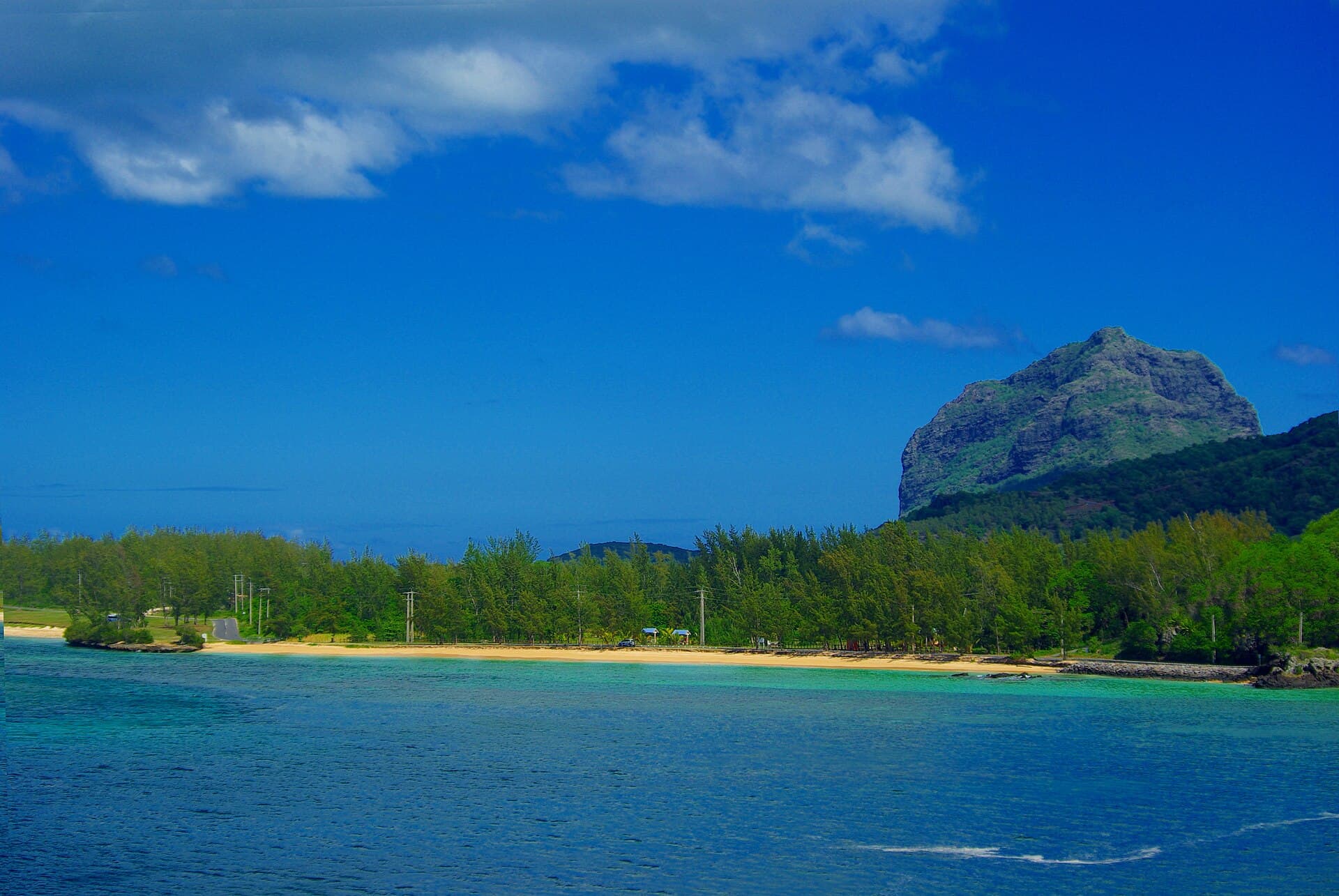
No cultural exploration of Mauritius is complete without séga, the music born from the suffering of slavery and now inscribed on UNESCO's intangible cultural heritage list. Combining ravane drums, the maravanne shaker, plaintive vocals and a sensual, hip-led dance, séga is performed both formally at resort evenings and spontaneously on weekend beaches. The cultural landscape of Le Morne Brabant — the volcanic peninsula that served as a refuge for maroon slaves in the 18th century — is similarly UNESCO-listed: a spectacular natural landmark loaded with painful memory and an essential stop for any visitor wishing to understand the deeper identity of Mauritius beyond the brochure.
Read also
- Indian Ocean destinations head to head — Mauritius vs Réunion vs Seychelles vs Madagascar.
- When to visit the tropics — A month-by-month calendar of the world's best tropical destinations.
- Discover the Seychelles — Our detailed guide to the Seychelles, the closest alternative to Mauritius.