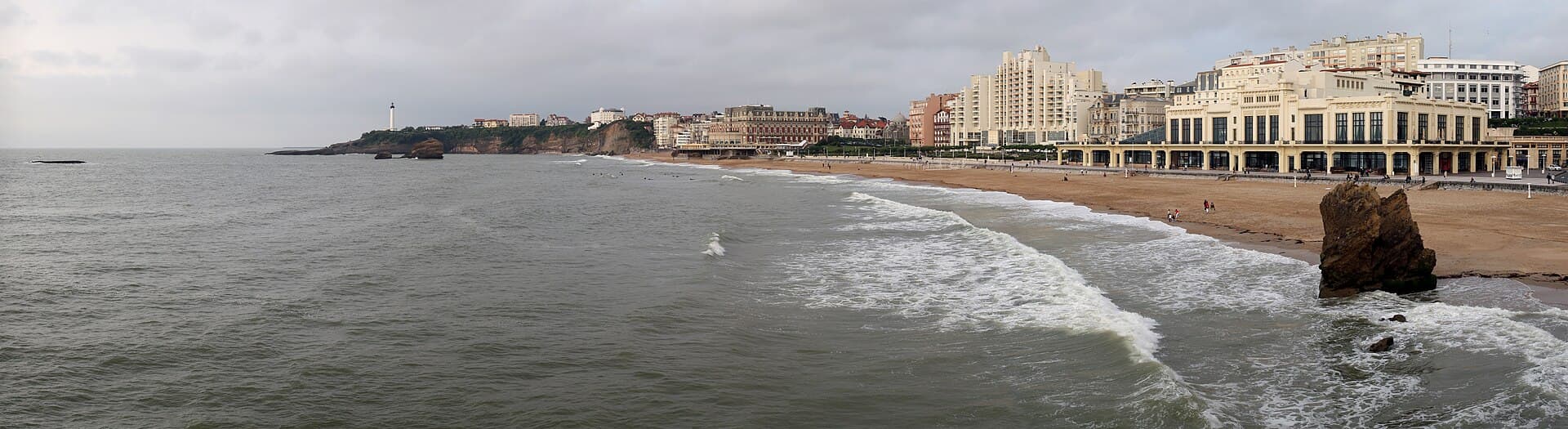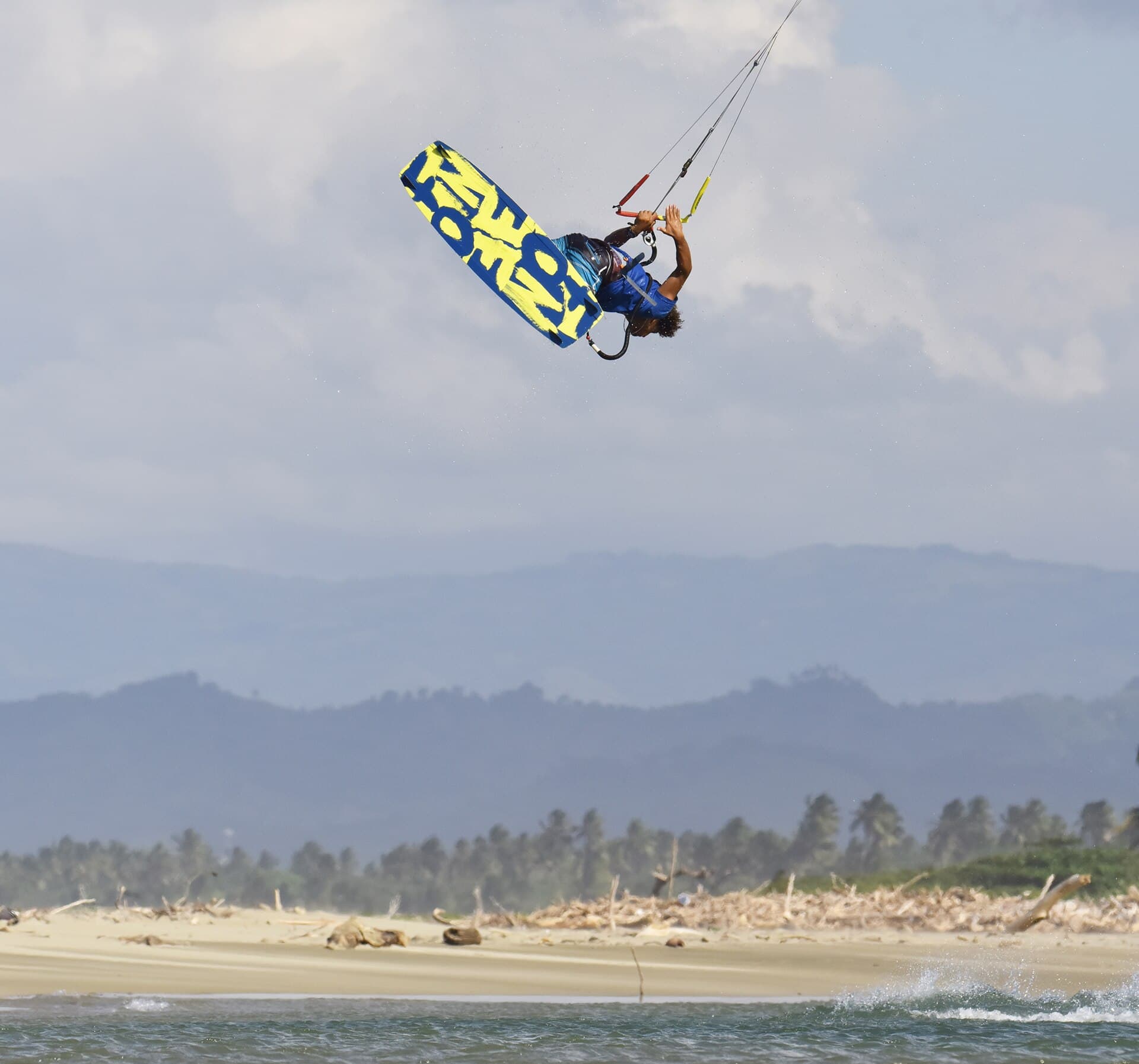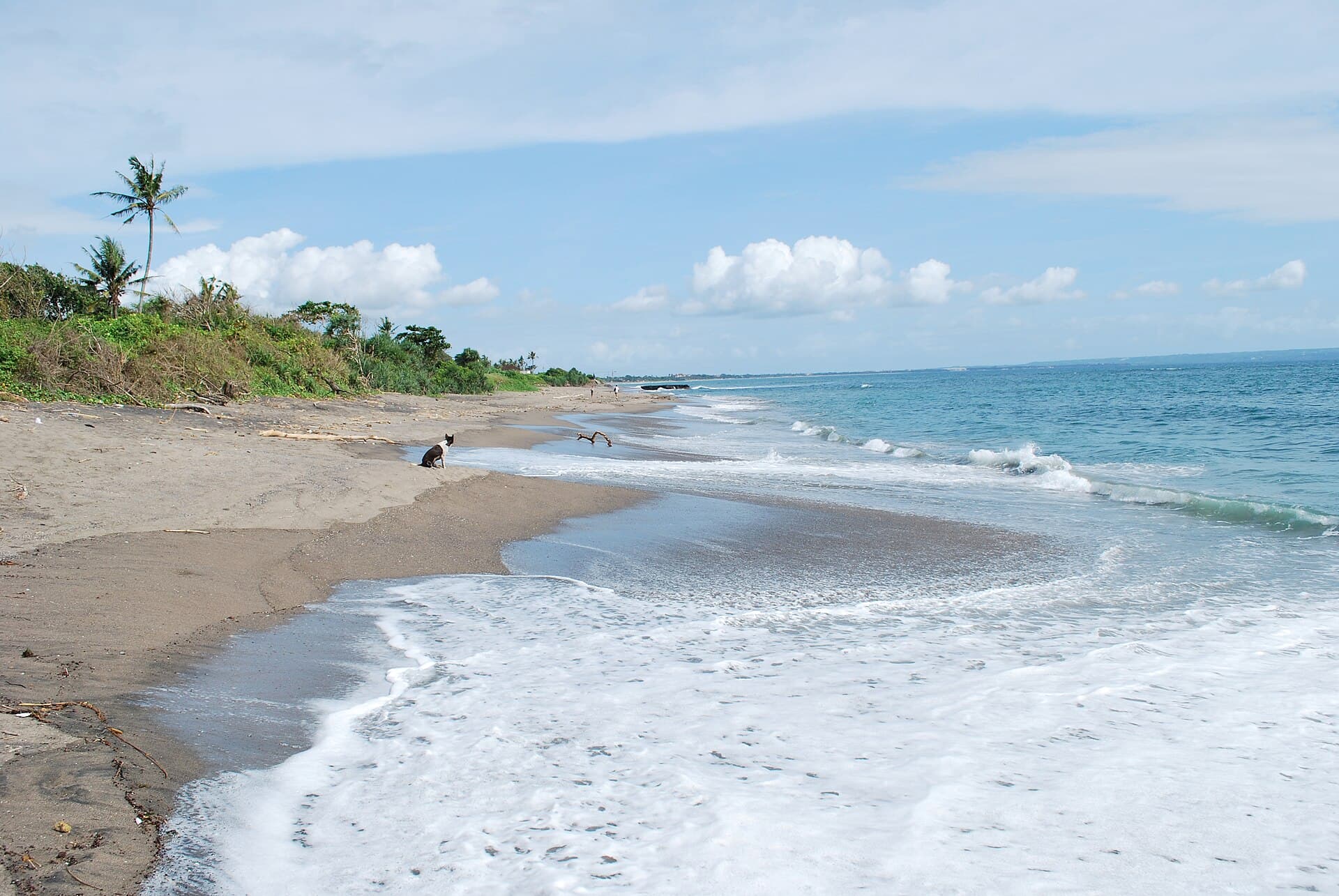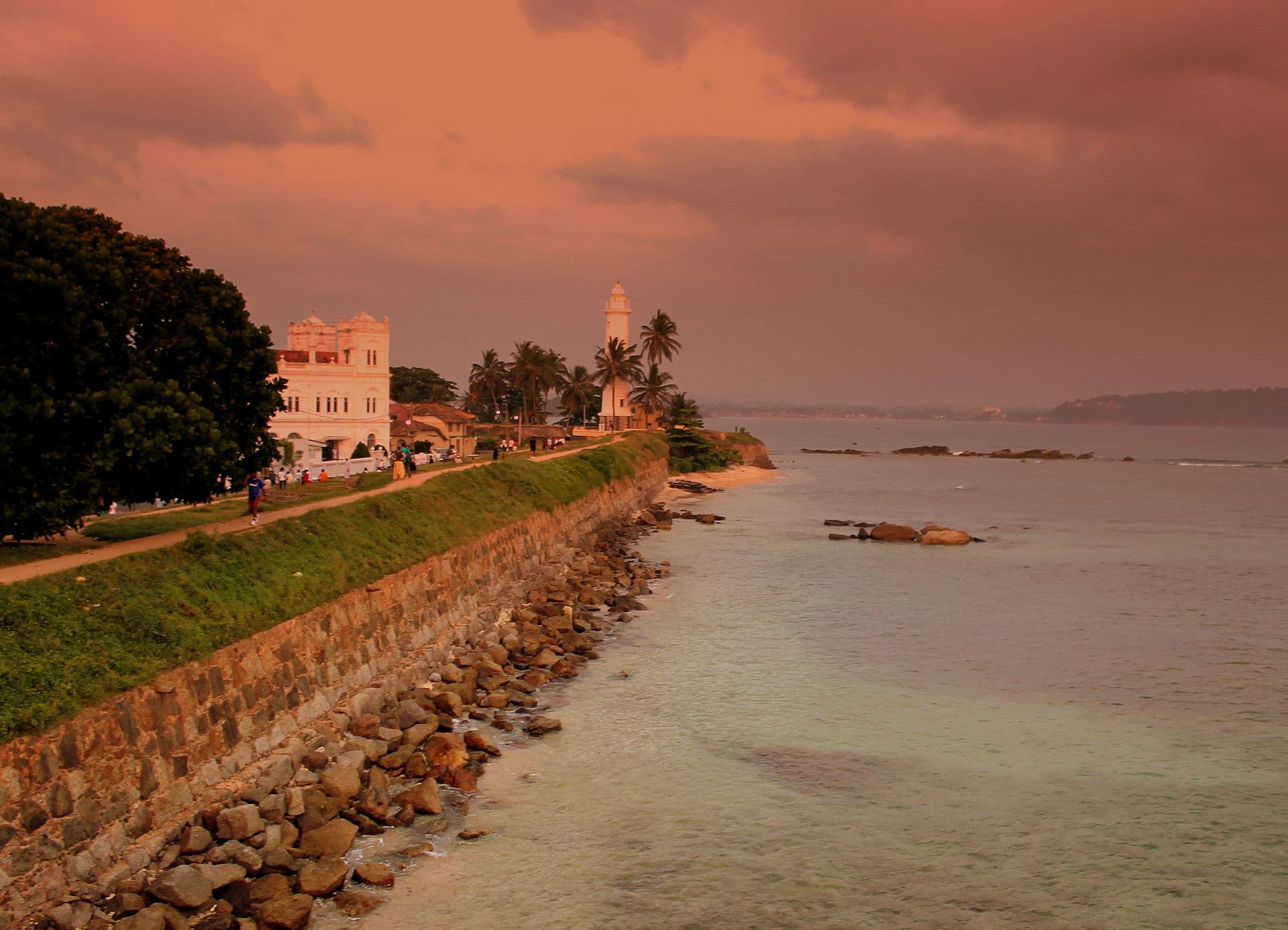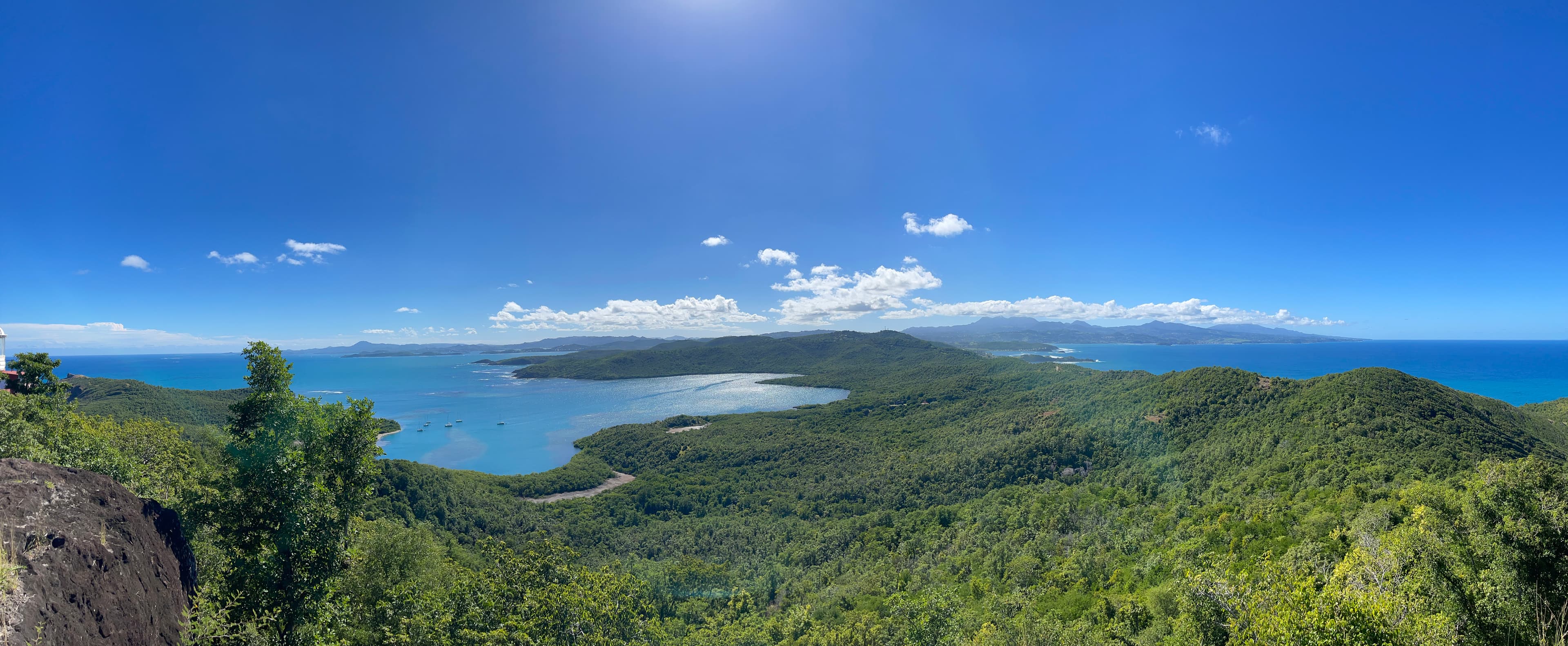

"Pic touristique haute saison sèche."
Expert on Tartane · 1 contributions
 Africa & Americas Desk — Mowando·Editor
The best periods
The best time to visit Tartane is December to May. The most recommended months are Janvier, Février, Mars, Avril, Mai, Juin, Juillet, Août, Septembre, Octobre, Novembre, Décembre.
Le carême — saison idéale de la Caravelle
- ✅Sentier du Château Dubuc en pleine lumière, ciel dégagé sur les falaises atlantiques
- ✅Plage de l'Anse l'Étang familiale et calme, mer agréable pour la baignade
- ✅Plage des Surfeurs (Anse Bonneville) dans des conditions de houle régulières
- ✅Tables d'hôtes créoles du bourg actives, ambiance détendue
- ❌Stationnement parfois saturé au parking du Château Dubuc en week-end
- ❌Hébergements limités au village, préférer les chambres d'hôtes et locations
- ❌Forte exposition aux alizés : prévoir des vêtements coupe-vent en hiver
Mai-juin — transition idéale
- ✅Sentier moins fréquenté, pleine quiétude pour la randonnée littorale
- ✅Végétation tropicale spectaculaire après les premières averses
- ✅Tarifs en baisse progressive sur les hébergements
- ❌Premières averses tropicales en fin de journée
- ❌Sols du sentier glissants après les premières pluies
Hivernage — saison humide
- ✅Tarifs très bas, plages désertes en semaine
- ✅Mangrove de la presqu'île dans toute sa splendeur, vert intense
- ✅Conditions de surf plus puissantes (vagues atlantiques plus marquées)
- ❌Saison cyclonique avec pic mi-août à mi-octobre, vigilance impérative
- ❌Sentier du Château Dubuc parfois fermé après orages tropicaux (sols glissants)
- ❌Pluies fréquentes, particulièrement intenses sur la presqu'île exposée
Month-by-month climate
Temperatures, rainfall and sunshine in Tartane across the 12 months.
| Jan | Fév | Mar | Avr | Mai | Juin | Jui | Aoû | Sep | Oct | Nov | Déc | |
|---|---|---|---|---|---|---|---|---|---|---|---|---|
| Min | 24° | 23° | 23° | 24° | 25° | 25° | 25° | 25° | 25° | 25° | 25° | 24° |
| Max | 27° | 27° | 27° | 28° | 29° | 29° | 29° | 29° | 30° | 29° | 28° | 28° |
| Mer | — | — | — | — | — | — | — | — | — | — | — | — |
| Pluie | 94mm | 104mm | 90mm | 89mm | 87mm | 166mm | 212mm | 188mm | 153mm | 196mm | 168mm | 110mm |
| Soleil/j | 10.6h | 10.8h | 11.5h | 11.6h | 11.4h | 10.9h | 10.7h | 10.8h | 11h | 10.1h | 10.2h | 10.4h |
Tourist crowds
Monthly attendance levels (0 = empty, 100 = saturated).
Frequently asked questions
How to get to Tartane from Fort-de-France?+
Is the Château Dubuc trail difficult?+
What are the Château Dubuc ruins?+
Can you surf at Tartane?+
Where to stay in Tartane?+
What to eat in Tartane?+
Our verdict
Tartane and the Caravelle peninsula are the unmissable nature and heritage stage of Central Martinique — the one that reveals a wild and preserved face of the island, far from the seaside resorts of the South. Plan a full day on the Caravelle (Château Dubuc trail in the morning + Creole lunch in the village + afternoon beach or surf) on excursion from your base in the South, Centre or North. If you want immersion, stay one to two nights in a B&B in Tartane (€60-130/night). Visit preferably in March-May for the best compromise of weather, hiking conditions and crowds. Leave early in the morning on the trail (before 9am) to avoid midday heat, and do not forget to respect ONF instructions (no picking, presence of manchineel — toxic tree signalled by red ring).