The Delhi & Rajasthan region is ideally visited from mid-November to mid-March during the cool dry season. Temperatures are perfect on the plain (18-28 °C by day at Jaipur and Udaipur, 12-22 °C at night), humidity is low, sky is generally clear (except morning mist at Agra and Delhi in December-January), archaeological sites comfortably visitable.
It is however the absolute high tourist season: hotel rates climb 30-60%, Udaipur palaces (Lake Palace, Oberoi Udaivilas) sell out 3-6 months ahead for December-February, Paris-Delhi flights reach €800-1,400 return. To minimise crowds and fares without giving up climate, aim for mid-November (just after Diwali, before peak) or first week of March (before April heat).
Two specific pitfalls to anticipate. Severe air pollution in Delhi in November-February — AQI index regularly reaches 300-500 (considered hazardous), eye and throat burning, FFP2 mask mandatory for outings. Frequent morning mist at Agra and on the Gangetic plain in December-January that can veil the Taj Mahal until 10-11am — optimal visibility achieved late morning. Arrive early (6am opening) for golden light if weather is clear, otherwise shift your visit slot to 11am.
Absolutely avoid May-June: extreme 40-45 °C heat across the region (Delhi, Agra, Jaipur, Jodhpur, Bikaner), daytime visits 11am-5pm nearly impossible, stifling atmosphere. The monsoon (July-September) is less marked in Rajasthan than elsewhere in India (the area is semi-desertic), with intermittent rains and unusually greening landscapes — Udaipur water palaces are then particularly spectacular, and rates rock-bottom. It's an interesting option for informed travellers accepting humidity and some brief rain.
October and March are the ideal transition months: still-pleasant temperatures, reduced crowds, intermediate rates, festivals (Diwali late October, Holi mid-March, Pushkar Camel Fair mid-November).
Read also
- Taj Mahal — UNESCO Mughal mausoleum — Shâh Jahân's absolute masterpiece (1632-1653), UNESCO site 1983, one of the modern Seven Wonders.
- Delhi — millennial capital — Muslim Old Delhi, British New Delhi, UNESCO Red Fort, UNESCO Qutub Minar — entry into India.
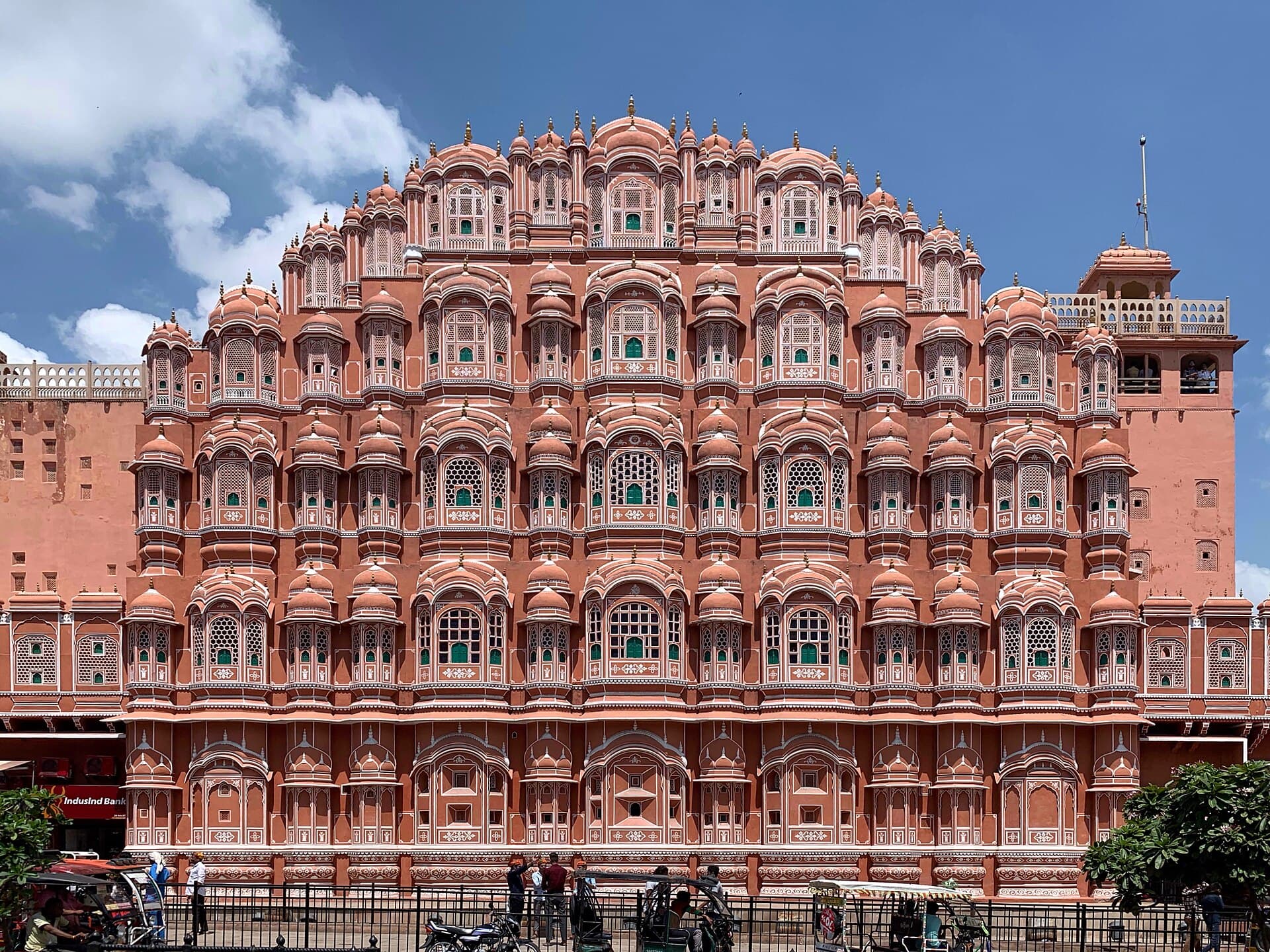
- Jaipur — the pink city — Rajasthan capital, Hawa Mahal, UNESCO Amber Fort, City Palace — Maharaja glamour.
- Udaipur — city of lakes — India's most romantic, floating Lake Palace, City Palace, Jag Mandir — Venice of the East.
- India — complete country guide — Everything to know: mandatory e-Visa, currency, regions, best time to visit.