
Mowando

Climate & seasons

When to visit Luxor?

By La rédaction · Updated 6/7/2026

The Editors
The Editorsauteur principal✓ Verified

"Saison sèche idéale, 22°C journée."

Expert on Luxor · 1 contributions

The best periods

The best time to visit Luxor is October to March. The most recommended months are Février, Mars, Avril, Mai, Juin, Juillet, Août, Septembre, Octobre, Novembre, Décembre.

Oct, Nov, Déc, Jan, Fév, Mar

Saison idéale — fraîcheur sèche

  • Températures parfaites entre 12 et 28 °C, idéales pour explorer les temples
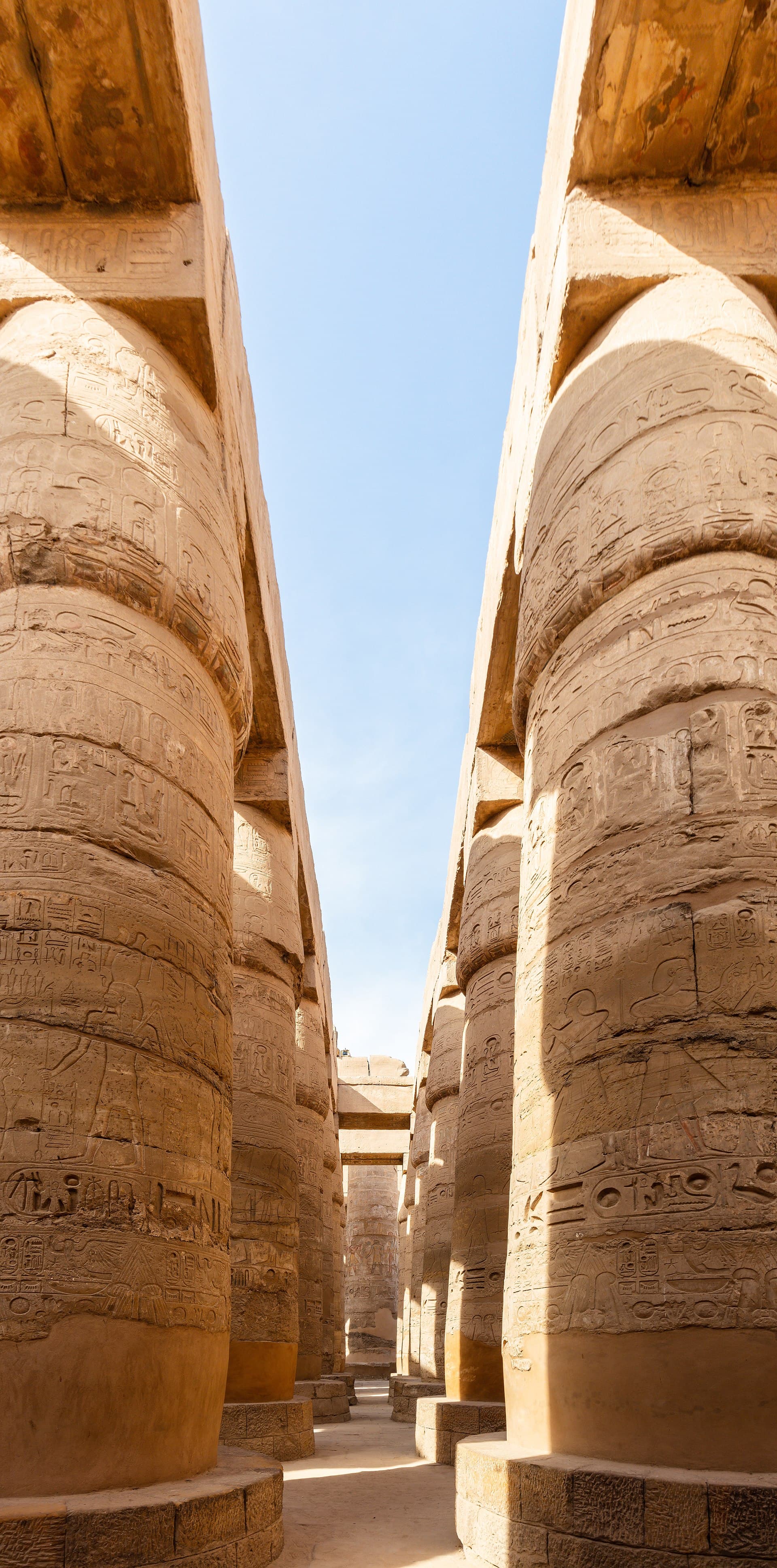
  • Ciel constamment dégagé, lumière dorée incomparable sur les colonnes de Karnak
  • Croisières sur le Nil à plein régime, montgolfières quotidiennes au-dessus de la vallée
  • Nuits fraîches en décembre-janvier (8-12 °C), prévoir un pull pour la montgolfière
  • Affluence forte à Noël, Nouvel An et vacances scolaires européennes
  • Tarifs des croisières en hausse de décembre à février
Avr, Mai, Sep

Saisons intermédiaires — chaleur croissante

  • Tarifs en baisse, moins de monde sur les sites
  • Encore praticable tôt le matin et en fin d'après-midi
  • Chaleur déjà très forte en milieu de journée (32-38 °C)
  • Khamsin (vent de sable) possible en avril-mai
Juin, Jui, Aoû

Été — chaleur infernale

  • Tarifs hôteliers et croisières au plus bas
  • Sites quasiment vides
  • Chaleur extrême (42-48 °C), visites quasi impossibles entre 10h et 16h
  • Risque sanitaire réel (insolation, déshydratation)
  • Vallée des Rois fermée plus tôt l'après-midi

Month-by-month climate

Temperatures, rainfall and sunshine in Luxor across the 12 months.

JanFévMarAvrMaiJuinJuiAoûSepOctNovDéc
Min9°10°14°19°23°26°27°28°26°21°16°12°
Max22°24°30°35°39°42°42°42°41°36°29°25°
Mer
Pluie1mm0mm1mm0mm0mm0mm0mm0mm0mm0mm1mm0mm
Soleil/j9.9h10.2h11.4h11.9h12.1h12.8h12.4h12h11.6h11h10.6h9.9h

Tourist crowds

Monthly attendance levels (0 = empty, 100 = saturated).

Jan
60
Fév
65
Mar
75
Avr
75
Mai
55
Jui
40
Jui
30
Aoû
35
Sep
55
Oct
75
Nov
75
Déc
70

Frequently asked questions

How many days should I plan for Luxor?+
Three days minimum to cover the essentials: one day for the east bank (Karnak + Luxor Temple), one for the west bank (Valley of the Kings, Valley of the Queens, Deir el-Bahari, Colossi of Memnon) and one breathing day for the sunrise balloon, the Luxor Museum and an excursion to Dendera or Esna. With 4-5 days you can add Abydos (Temple of Seti I, 2h north) and enjoy the river slowly by foot or felucca.
Hotel base or cruise in Luxor?+
Both work. The cruise (3 or 4 nights Luxor-Aswan or 7 nights round trip) offers incomparable visit comfort: you sleep on board, visit sites along the river, avoid logistical hops. A hotel base in Luxor (3-4 nights) plus the train to Aswan offers more flexibility and costs less. Our advice: combine the two — 2-3 nights at a Luxor hotel, then board for 3 nights to Aswan.
Is the hot-air balloon over the Valley of the Kings worth the price?+
Yes, without hesitation. One of the most memorable experiences of any Egyptian trip. Flight lasts 45-60 minutes, starts 30 minutes before sunrise (hotel pickup 4-5 am depending on season), and overflies Hatshepsut's Temple, the Colossi of Memnon, the Valley of the Kings and the Nubian villages. Count €80-130 per person depending on operator. Book strictly through a reputable operator (Sindbad, Magic Horizon), not a street tout. Cancelled in strong wind — keep two possible slots in your stay.
How many tombs should I visit in the Valley of the Kings?+
The basic ticket gives access to 3 tombs among those open (periodic rotation for preservation). Prioritise Ramesses III (KV11, vast painted scenes), Ramesses IX (KV6, well preserved and easy access) and Merenptah (KV8). The tombs of Tutankhamun (KV62), Seti I (KV17, the finest) and Nefertari (Valley of the Queens, considered the most beautiful pharaonic painting in the world) require an additional fee (€10-50 each). Don't miss Nefertari if budget allows: an absolute peak.
How do I get to Luxor?+
Three main options: (1) domestic flight from Cairo (1h, €70-150 round trip depending on season, multiple daily flights with EgyptAir, Air Cairo and Nile Air); (2) overnight train Cairo-Luxor (10h, air-conditioned sleeper cabins, €90-110 in first class — booking essential, Watania Sleeping Trains); (3) day train Cairo-Luxor (9-10h, ENR or Spanish train, €25-40 in first class). The plane remains the most practical option for short trips.
Do I need a guide in Luxor?+
Highly recommended for Karnak, Valley of the Kings and Deir el-Bahari. Without a guide, you miss half the reading of the bas-reliefs, cartouches and funerary scenes. Count €40-80 per day for a qualified English- or French-speaking guide, booked via your hotel, a reputable agency or directly with an independent guide registered with the syndicate. Avoid guides who approach you at site entrances.
Is Luxor a safe destination?+
Yes, Luxor is broadly safe for tourists. Police and military presence is very visible around sites and hotels — reassuring and sometimes oppressive. Tourist convoys are no longer compulsory since 2017 but escorts still accompany some excursions (Abydos, Dendera). The main annoyance is commercial harassment on foot around Luxor Temple and the Nile Corniche. Solo women should favour modest clothing.

Our verdict

Luxor is probably the cultural peak of any Egyptian trip. The density and quality of the sites — Karnak first, followed by the Valley of the Kings, Deir el-Bahari and Luxor Temple — have no equal in the world. Plan 3-4 days on site, ideally combined with a 3-4 night cruise to Aswan. Come strictly between October and March, start visits at 6-7 am to escape heat and crowds, treat yourself to the sunrise balloon flight (€80-130 well spent, an enduring memory), and accept that Luxor demands logistical effort to yield its treasures. One of those places you don't return from quite the same.

Similar destinations
Mowando Letter

Once a month: the right destinations for the right season + the best booking windows.

No spam. One-click unsubscribe. Your data is never shared.