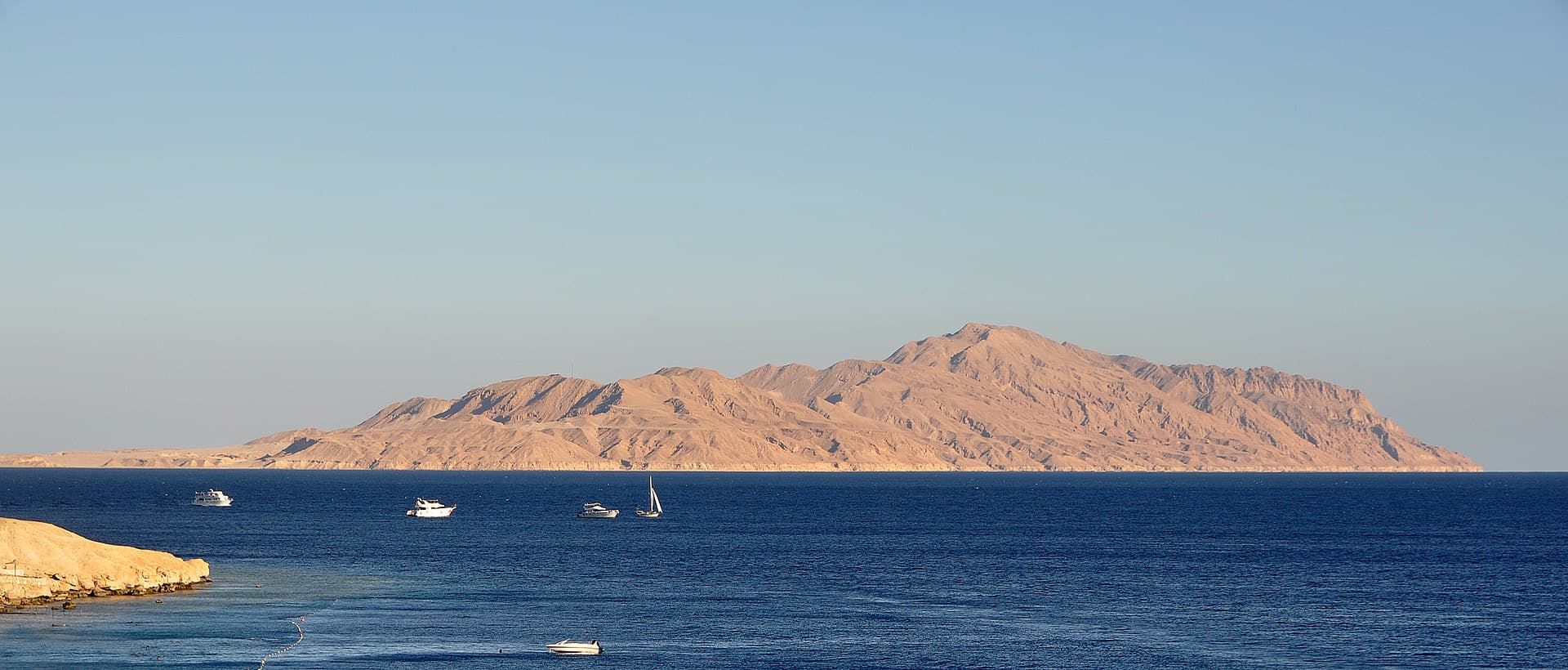
The Egyptian Red Sea climate is hot and sunny desert almost all year round, with less than 5 mm of annual rainfall in Hurghada. Water temperature, seasonal nuances and marine life evolve over the months.
March to May is the first high season. Perfect air temperatures (24-30 °C during the day, 18-22 °C at night), sea water at 23-27 °C (3-5mm wetsuit recommended), visibility 25-30 m. It is the ideal season for diving and snorkelling combined with land activities — tolerable desert excursions, pleasant beach walks. Reasonable crowds and moderate prices (except Easter week). Also ideal season for kitesurfing in El Gouna and Soma Bay — constant thermal winds of 15-25 knots.
June to August marks the hot summer — high air temperature (35-43 °C during the day), sea water at 28-30 °C (no wetsuit or shorty). It is the dolphin season at Sataya Reef and Sha'ab Samadai (Marsa Alam) — groups of long-beaked dolphins stationing in the protected lagoons. Cold-sensitive divers will find here the best conditions of the year. On the other hand, land excursions are advised against at midday (real risk of heat stroke). Large crowds in family resorts during European school holidays (July-August).
September to November is the second high season and perhaps the best of the year. Air at 26-32 °C, water at 26-28 °C, optimal visibility. It is the flagship season for expert divers with the passage of hammerhead sharks at Elphinstone and thresher sharks at the Brothers Islands (October-November). Diving cruises at Brothers, Daedalus and St John's must be booked 4-6 months in advance for this period. High rates in October-November.
December to February is the mild winter. Pleasant air temperatures (22-25 °C during the day, 12-16 °C at night), cooler sea water (22-24 °C, 5mm wetsuit recommended). Ideal season for relaxation and desert excursions — heat finally tolerable. Limited crowds (except Christmas/New Year, where prices are multiplied by 2-3). Also interesting season for expert divers (hammerhead sharks at Elphinstone until December, oceanic sharks at Daedalus).
Wind conditions: the western Red Sea is subject to the shamal (northwesterly wind) that blows from March to November — beneficial for kitesurfers and windsurfers (constant thermal winds), sometimes annoying for divers (swell, slightly reduced visibility). In winter, winds are rarer and weaker — optimal diving conditions but less productive kitesurfing.
Read also
- Cairo and Giza — Pyramids, Grand Egyptian Museum, Old Cairo: the essential cultural dimension before the Red Sea.
- Nile Valley — Karnak, Valley of the Kings, Nile cruise: to combine before diving for a complete trip.
- Sinai Peninsula — The eastern Red Sea alternative: Sharm el-Sheikh, Dahab, Blue Hole, Mount Sinai.
- Egypt — Complete country guide: visa, budget, regions to explore and the best time to visit.