ville
La Havane
Four centuries of Spanish colonial architecture, pink Cadillacs at every corner and an unrivalled music scene — Havana is a sensory experience without equal.
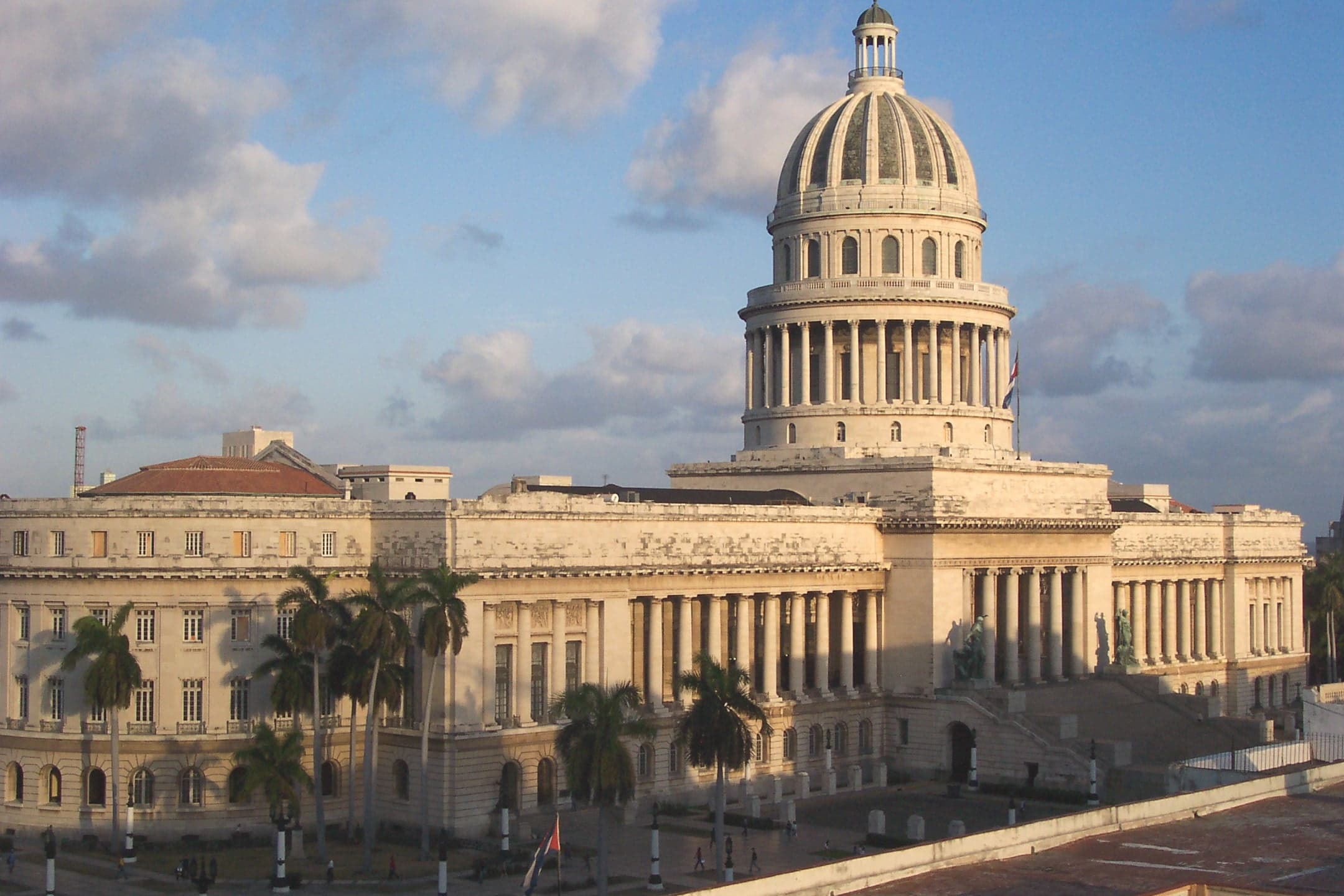
Havana is one of those cities you can't mistake for any other. The 2.1-million-strong Cuban capital, hugging the Florida Straits, has crossed the twentieth century without surrendering to the urban transformations that homogenised so many Latin American capitals. The US embargo, the fall of the USSR and the Special Period had a paradoxical effect: they froze the city in something close to its 1950s state, turning each street of Habana Vieja into an accidental film set — pink Buicks and Chevrolets, pastel colonial façades, wrought-iron balconies with washing hanging out to dry.
Habana Vieja, UNESCO-listed since 1982, concentrates four centuries of Spanish colonial architecture around five grand squares: Plaza de Armas, Plaza Vieja, Plaza de la Catedral, Plaza San Francisco and Plaza del Cristo. The patient restoration led for thirty years by historian Eusebio Leal has rescued a unique urban ensemble without emptying it of its residents — Habaneros still live in these palaces and casas, and that is what makes Old Havana so different from an open-air museum.
But Havana is not just its colonial heart. Centro Habana and Vedado, further south-west, tell the chapters that follow: early-twentieth-century eclecticism, 1930s art deco, the modernism of the mafia-era grand hotels (Hotel Nacional, Capri, Habana Libre) and the brutalist Soviet architecture of the post-revolutionary period. The Malecón, an 8-kilometre seawall facing the sea, is the city's collective living room — where young people gather at sunset, where fishermen cast their lines, where couples walk at twilight. By night, salsa, rumba and son cubano spill out of the casas de la música — Casa de la Música Habana, Fábrica de Arte Cubano, Tropicana — and the city reveals its inexhaustible nocturnal side.
What we love
- ✅UNESCO Old Havana: four centuries of Spanish colonial architecture beautifully restored
- ✅Unrivalled music scene: salsa, rumba, son cubano in casas de la música and public squares
- ✅1950s American cars everywhere: a unique automotive landscape found nowhere else
- ✅Warm population, spontaneous conversations with Habaneros along the Malecón or in casas particulares
- ✅Modest cost of living for the traveller, especially for food and casa particular stays
What to know
- ❌Frequent shortages of water, electricity, everyday goods — mid-range hotels are sometimes affected
- ❌Slow, costly internet, Wi-Fi only in specific zones via ETECSA cards
- ❌Stick strictly to official exchange counters; the monetary system (CUP, MLC, USD) is complex
- ❌Pickpockets in Habana Vieja, classic scams (fake guides, fake casas, cigar tricks)
Situation
Où se situe La Havane ?
Ouvrir la carte en grand sur OpenStreetMap →Frequently asked questions
How many days do you need in Havana?+
What currency should you use in Havana?+
Where to stay in Havana: hotel or casa particular?+
Does the internet work in Havana?+
Is it safe to walk in Havana at night?+
Our verdict
Havana is a world city frozen in an era that no longer exists anywhere else — and that is exactly why you go. Old Havana ranks among the finest colonial urban ensembles in Latin America, the Malecón is a permanent social theatre and music is a constant companion. Accept the shortages, the slowness, the power cuts: they are part of the Cuban experience. Stay in a casa particular, take a salsa lesson, walk the Malecón at sunset, dine on a mojito and ropa vieja in a Vedado paladar. Three nights minimum, four is better — Havana reveals itself slowly and dislikes being rushed.
Nearby

"Janvier est le mois rêvé à La Havane : 26 °C en journée, faible humidité, ciel bleu. Les Habaneros eux-mêmes sortent les manches longues le soir."
Expert on La Havane · 1 contributions
 Africa & Americas Desk — Mowando·Editor