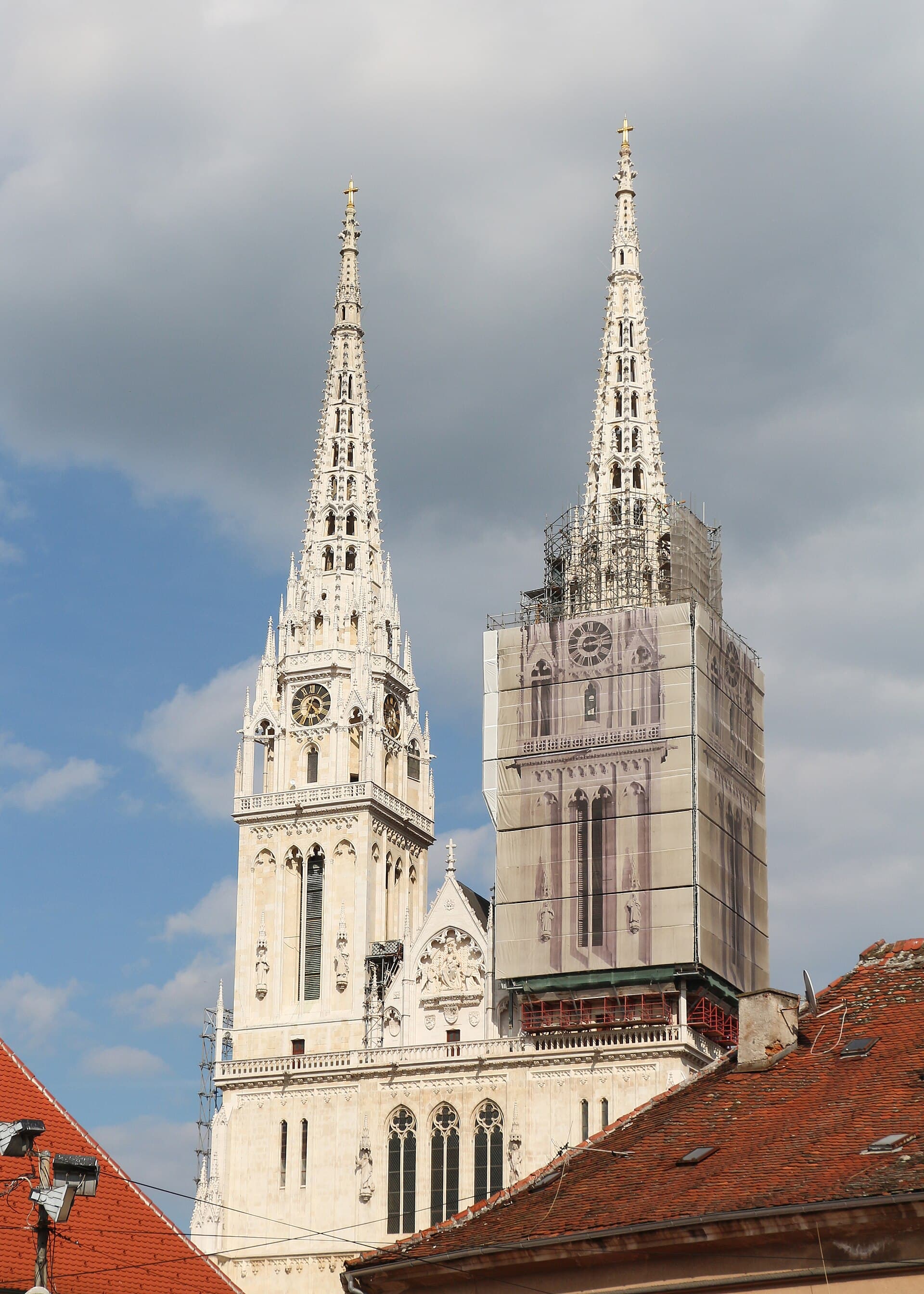
Zagreb and Continental Croatia live a marked continental climate — much more clear-cut than the Adriatic coast, with four well-distinct seasons. The best period depends entirely on your project.
May and June are dream months for urban visits and hiking. Temperatures in Zagreb are perfect (18-26 °C), the parks (Maksimir, Zrinjevac) are at their finest greenery, the café terraces come alive and the days grow longer. It is also the season of Inmusic Festival on Lake Jarun (mid-June, one of the best music festivals in Central Europe). Hiking on Mount Medvednica, Žumberak and Risnjak is at its peak. Showers are occasional but short.
July and August are the hottest months (28-34 °C), sometimes accompanied by heavy and humid episodes due to the continental climate. Many locals leave the capital for the coast, which can give Zagreb a slightly empty feel in August — but it is also when summer festivals are in full swing (free concerts in parks, open-air theatre scene, classical music salon at Varaždin Baroque Evenings in September). Avoid hiking at altitude during hot hours.
September resumes the ideal conditions of spring with an extra touch: the harvest in the Plešivica vineyard south of Zagreb (Riesling, Pinot Blanc, sparkling wines via champenoise method) offers an authentic wine-tourism experience. Temperatures remain pleasant (18-25 °C), colours begin to turn at Medvednica and Risnjak in late September.
October and November become humid and cooler (8-16 °C), with persistent fogs over the Pannonian plain. But Zagreb retains its urban charm and the late season is conducive to museums, theatres and opera (very dense programming). Autumn colours at Plitvice and Risnjak (mid-October to early November) are among the most spectacular in Europe.
December is the magical month for Zagreb. Advent in Zagreb transforms the capital from 30 November to 7 January: spectacular illuminations, gastronomic markets on 6 distinct sites (Ban Jelačić, Tomislav, Zrinjevac, Tkalčićeva, Stross, Cvjetni), open-air ice rinks, free concerts, magical atmosphere. Voted best Christmas market in Europe three consecutive years (2016-2018), it is an exceptional winter experience, rivalling Vienna and Strasbourg.
January-February are quiet but can be very cold (-5 to +5 °C), sometimes with snow and persistent fogs. Good period for museums and operas, but hiking limited except for snowshoeing on Medvednica or Risnjak.
Read also
- Northern Dalmatia — Zadar, Šibenik, Plitvice and the Kornati: the wild coast and national parks.
- Istria — Roman Pula, Venetian Rovinj, hilltop villages and white truffles.
- Croatia — Complete country guide: visa, budget, regions to explore and best time to visit.
- Central Dalmatia — Split and its Roman palace, UNESCO-listed Trogir, Hvar and Brač: the historic heart of the coast.