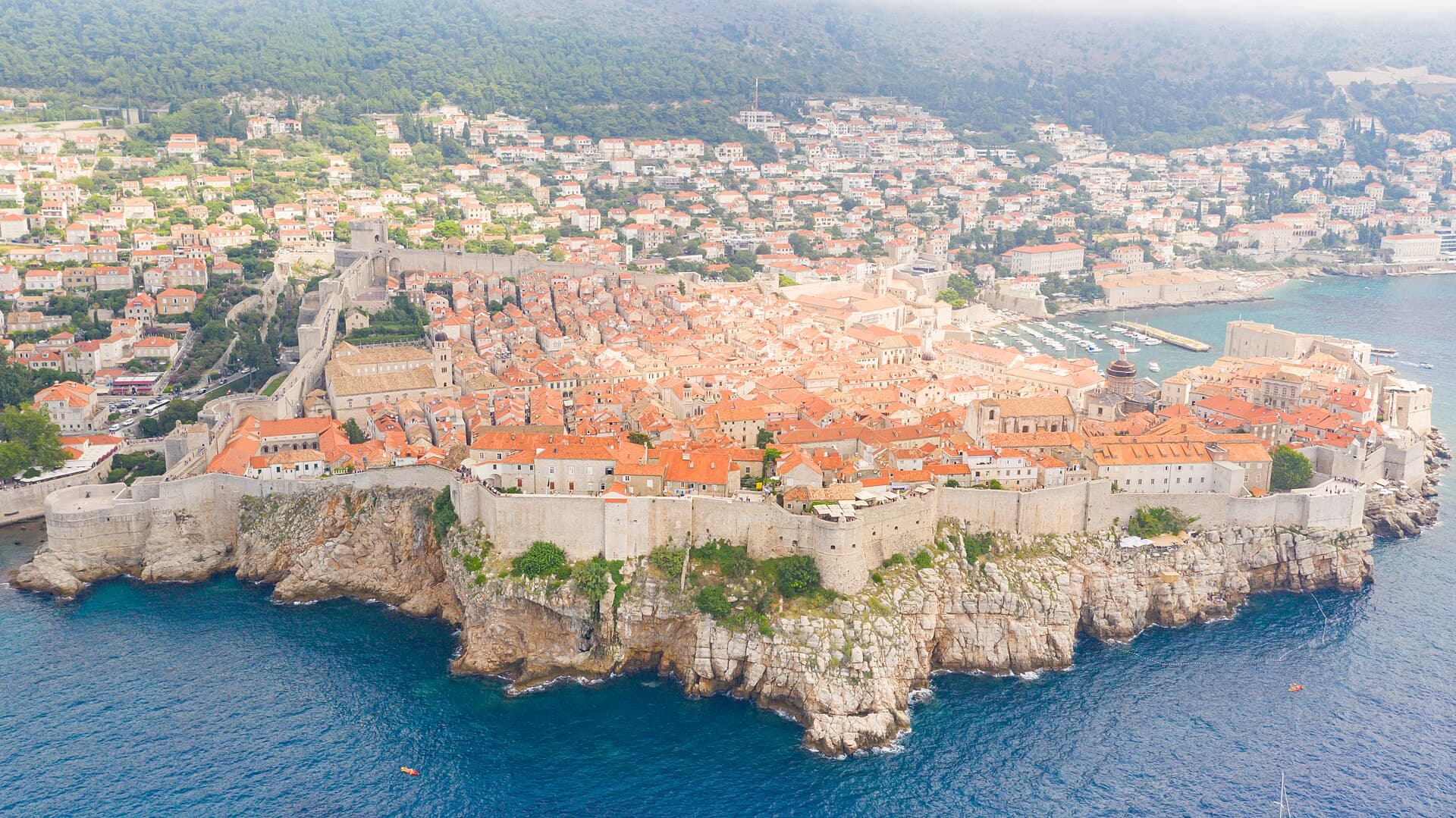
Southern Dalmatia enjoys a typical Mediterranean climate: hot dry summers, mild damp winters, more than 2,600 hours of sunshine a year in Dubrovnik. But the tourist load is so imbalanced between high and low season that timing matters as much as climate itself.
May and June are unquestionably the best months for a first visit. Temperatures in Dubrovnik are perfect (20-26 °C), the sea is starting to warm up (19-23 °C), the vegetation is vivid and the walls can be walked without risk of heatstroke. The islands gradually come back to life as seasonal ferry links resume. Hotel rates are noticeably lower than in July-August, and the heritage experience is radically more immersive: you can pause on the Stradun, lunch without booking, take your time climbing the walls mid-morning.
July and August are the months of saturation. The sea is at its warmest (25-27 °C), the sky is invariably blue and nightlife is in full swing. But Dubrovnik within the walls can host up to 10,000 cruise passengers a day, and the alleys become almost impassable between 10am and 5pm. Hotel rates explode (often x3 compared to May). If you must come in summer, prioritise the islands (Mljet, Korčula, Elaphiti) which remain more breathable than Dubrovnik.
September and October are the other ideal window, particularly the first half of September. The sea is still very warm (24-26 °C), temperatures ease gently (22-27 °C), the crowd thins out after 10 September and the Plavac Mali harvest begins on Pelješac. It is probably the best period to combine swimming, cultural sightseeing and wine tourism.
Winter (November to March) is a completely different option. Dubrovnik empties, seasonal hotels close, but the city takes on a local and warm atmosphere, especially during the Winter Festival (mid-December to early January) with Christmas markets within the walls, concerts in churches and illuminations on the Stradun. Temperatures stay mild (10-14 °C) but rain can be heavy and the bora wind violent. Island ferry links are reduced or suspended.
Read also
- Central Dalmatia — Split, UNESCO-listed Trogir, Hvar and Brač: the other historic heart of the Dalmatian coast.
- Istria — Roman Pula, Venetian Rovinj, hilltop villages and white truffles: the northern peninsula.
- Croatia — Complete country guide: visa, budget, regions to explore and best time to visit.
- Northern Dalmatia — Zadar, Šibenik, Plitvice and the Kornati archipelago: the wild coast and national parks.