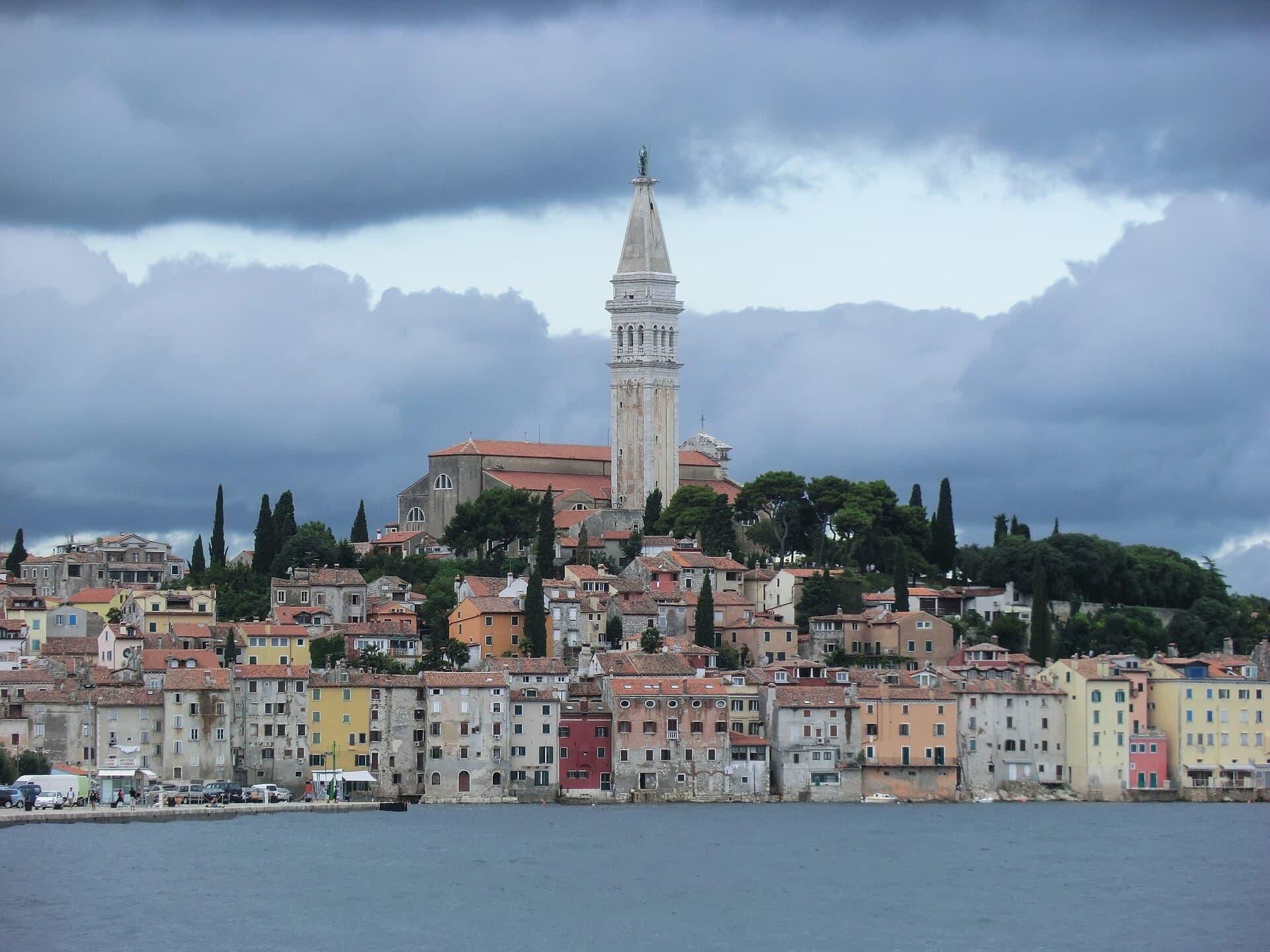
Istria enjoys a tempered Mediterranean climate, with warm but not excessive summers, mild winters and a tourist season stretching from April to October. The peninsula's specificity is that its gastronomic season (autumn white truffles) extends well beyond the beach season — September to December is an exceptional period for epicureans.
May and June are perfect for combining culture, hiking and the start of beach season. Temperatures in Rovinj are ideal (20-26 °C), the interior vegetation is vivid, the hilltop villages are accessible without crowds and the Malvazija wineries are in full activity after bottling the new vintages. The sea begins to warm up (19-22 °C in June). Culturally, festivals begin in June: Pula Outlook and Dimensions (electronic music), Forum Tomizza (literature).
July and August correspond to the high beach season. The Adriatic reaches 24-26 °C, perfect for swimming in the limestone coves of Rovinj, Premantura and Cape Kamenjak. It is also the season of major events: Pula Film Festival in the amphitheatre (mid-July), Motovun Film Festival (late July, unique atmosphere), Grožnjan Jazz. But attendance is high in Rovinj and inner Pula, and hotel rates explode (often x2 or x3). Prefer interior agrotourisms for quieter nights.
September and October are probably the best months of the year for Istria. Attendance drops sharply after 10 September, temperatures remain pleasant (20-26 °C in September, 16-22 °C in October), the sea is still 22-24 °C in September, and — above all — the autumn white truffle season opens from mid-September. Harvest is in full swing in October, the hilltop villages bathe in a golden light and gastronomic hotel-restaurants are at their peak (Zigante in Livade, Stari Podrum in Plovanija). Photography and gastronomy lovers should prioritise this window.
November and December extend the gastronomic experience: white truffles at the peak of their aroma, sweet Momjan Muškat wines, Christmas markets (Advent) in the historic centres. But temperatures cool (10-15 °C), rains increase and some seafront hotels close.
Winter (January to March) is very quiet. The region keeps its charm for travellers seeking authenticity and gastronomy, but many seasonal restaurants are closed.
Read also
- Northern Dalmatia — Zadar, Šibenik, Plitvice and the Kornati archipelago: the wild coast and national parks.
- Central Dalmatia — Split and its Roman palace, UNESCO-listed Trogir, Hvar and Brač: the historic heart of the coast.
- Croatia — Complete country guide: visa, budget, regions to explore and best time to visit.
- Zagreb and Continental Croatia — The Austro-Hungarian capital, Samobor, Risnjak and Slavonia: the country's other face.