South America
Brazil
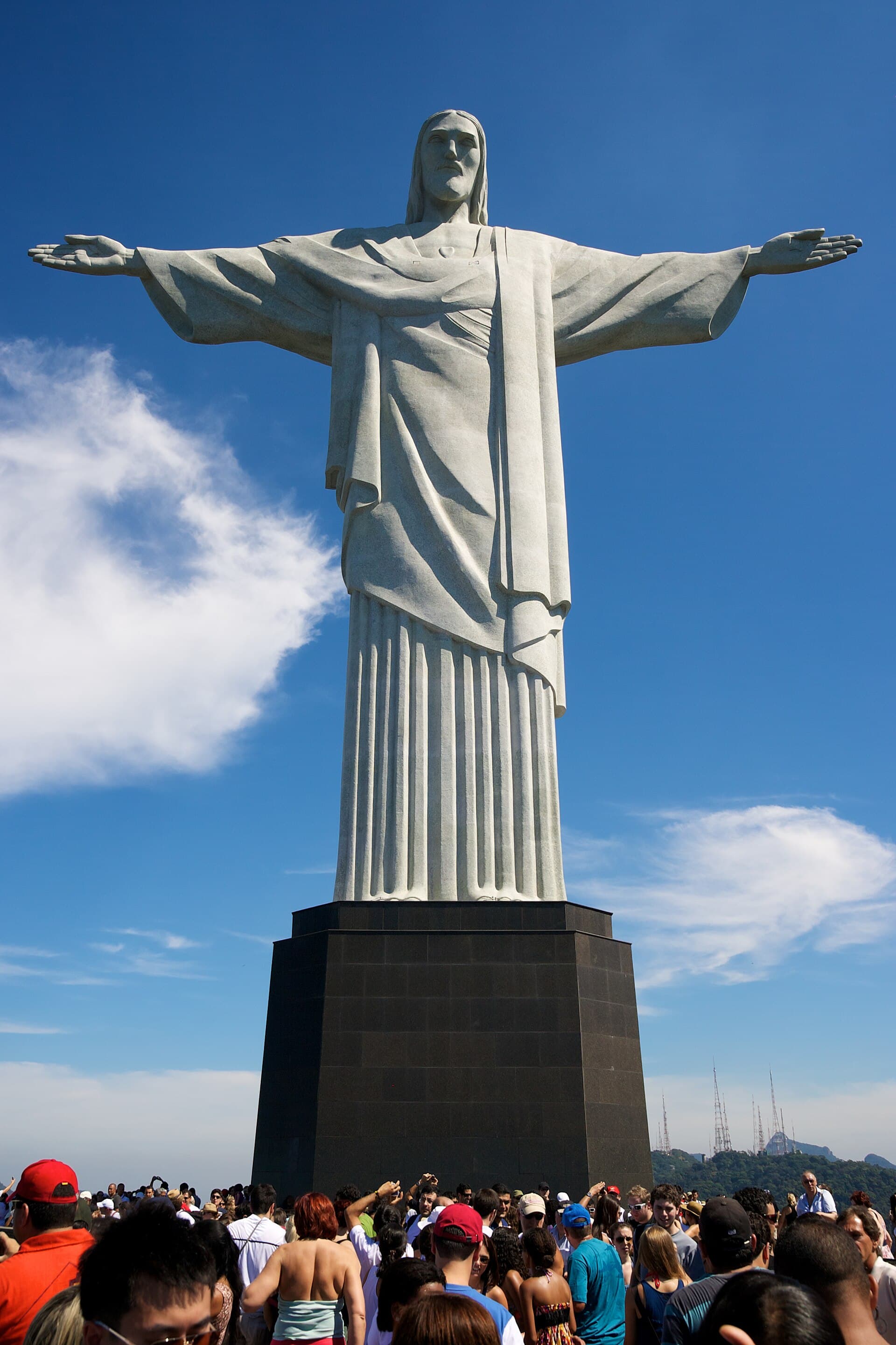
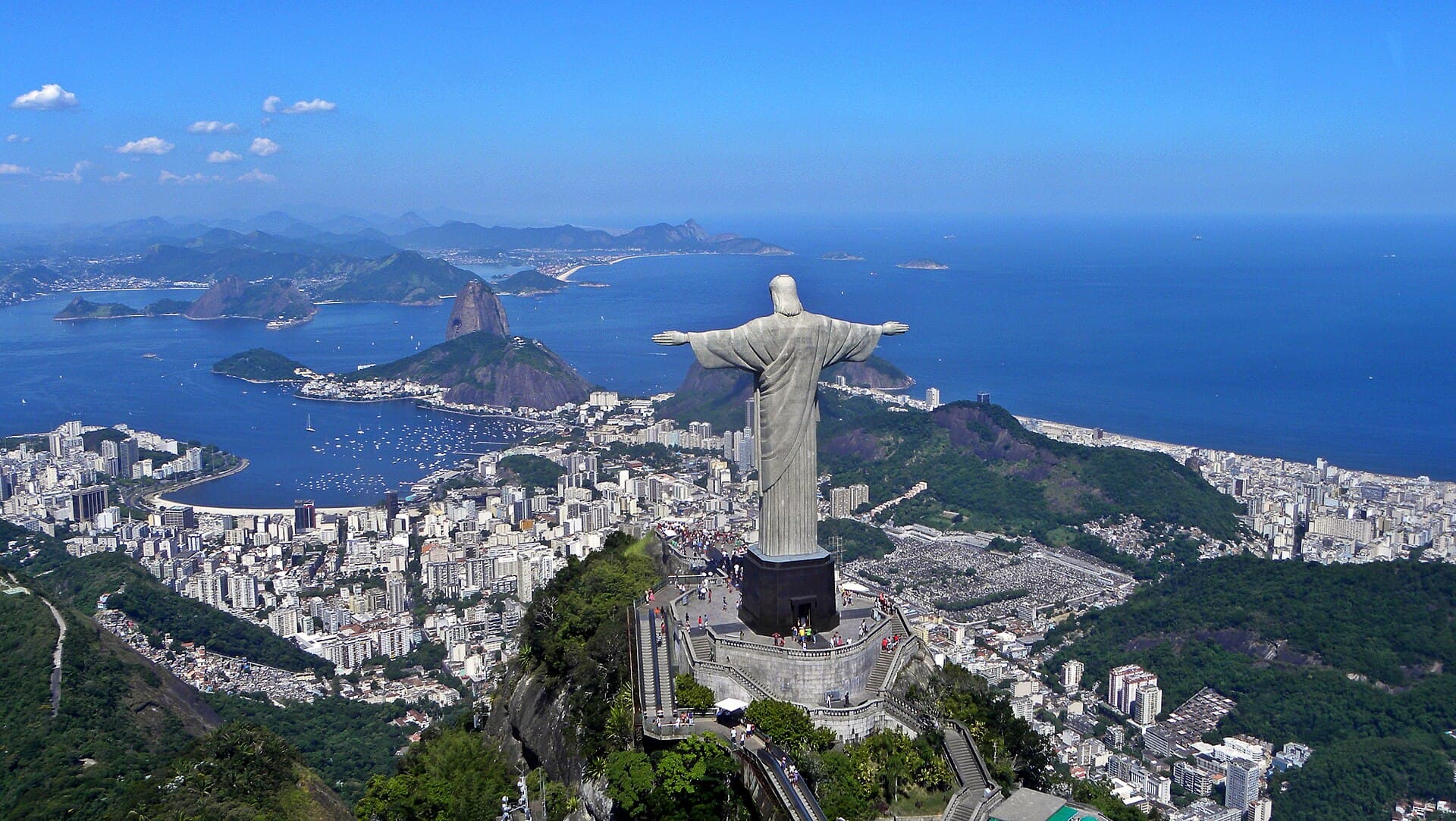
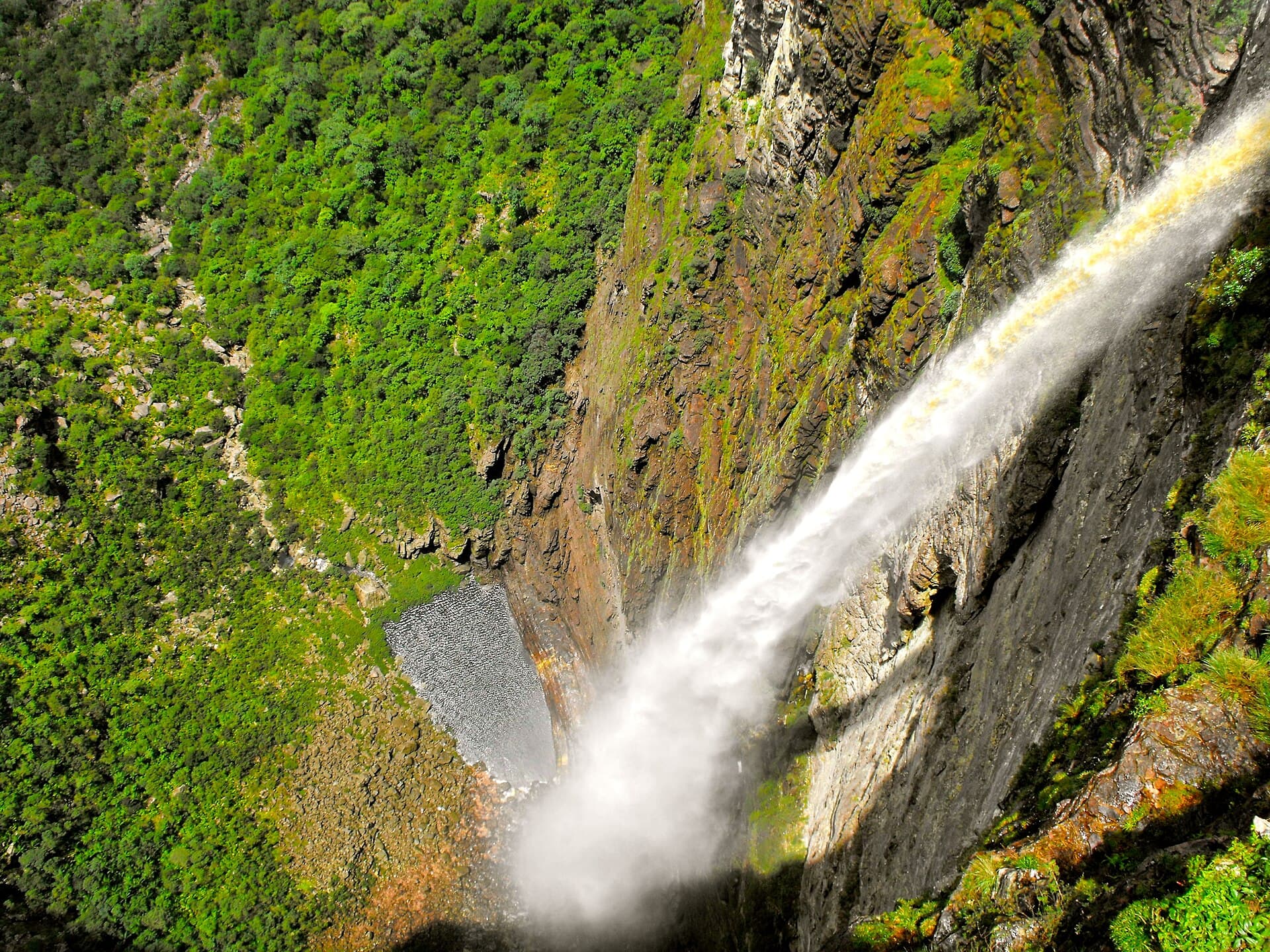
World's fifth-largest country by area and population, Brazil concentrates the most extraordinary natural and cultural diversity in South America — Rio and Christ the Redeemer, Caribbean-like beaches in the South, Amazon (60% of the territory), Pantanal jaguars, Iguazu Falls and Salvador da Bahia.
- Capital
- Brasília
- Currency
- Real brésilien (BRL)
- Languages
- Portugais, Anglais (hôtels)
- Budget
- Mid-range — around €90/day/person; domestic flights add €100-400 per segment
Brazil at a glance
Brazil is a country-continent — the world's 5th country by area (8.5 million km², 16 times the size of France) and 5th by population (215 million inhabitants). From equatorial north to the latitude of Argentina in the south, from the Atlantic coast to Amazonian depths, it's a nation of dizzying dimensions condensing on its own much of South America's natural and cultural diversity. 60% of the territory is covered by the Amazon rainforest, the planet's largest green lung, shared with eight neighbouring countries but with Brazil holding the majority share.
History here is singular. Discovered in April 1500 by Portuguese navigator Pedro Álvares Cabral, the country was colonised for three centuries by Portugal — it's the only large Lusophone nation in the Americas. The slave trade deported 4-5 million Africans to Brazilian shores, mainly to the sugar-producing Northeast (Bahia, Pernambuco), creating an exceptionally rich cultural blend. Abolition of slavery came only in 1888 — the last country in the Americas to do so. The capital Brasília was built from scratch on the Central Plateau and inaugurated in 1960 by Juscelino Kubitschek — a modernist masterpiece by Oscar Niemeyer and Lucio Costa, UNESCO-listed in 1987.
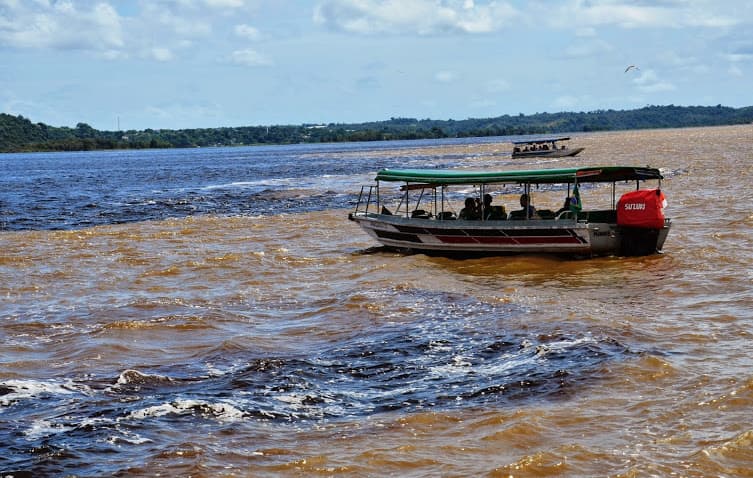
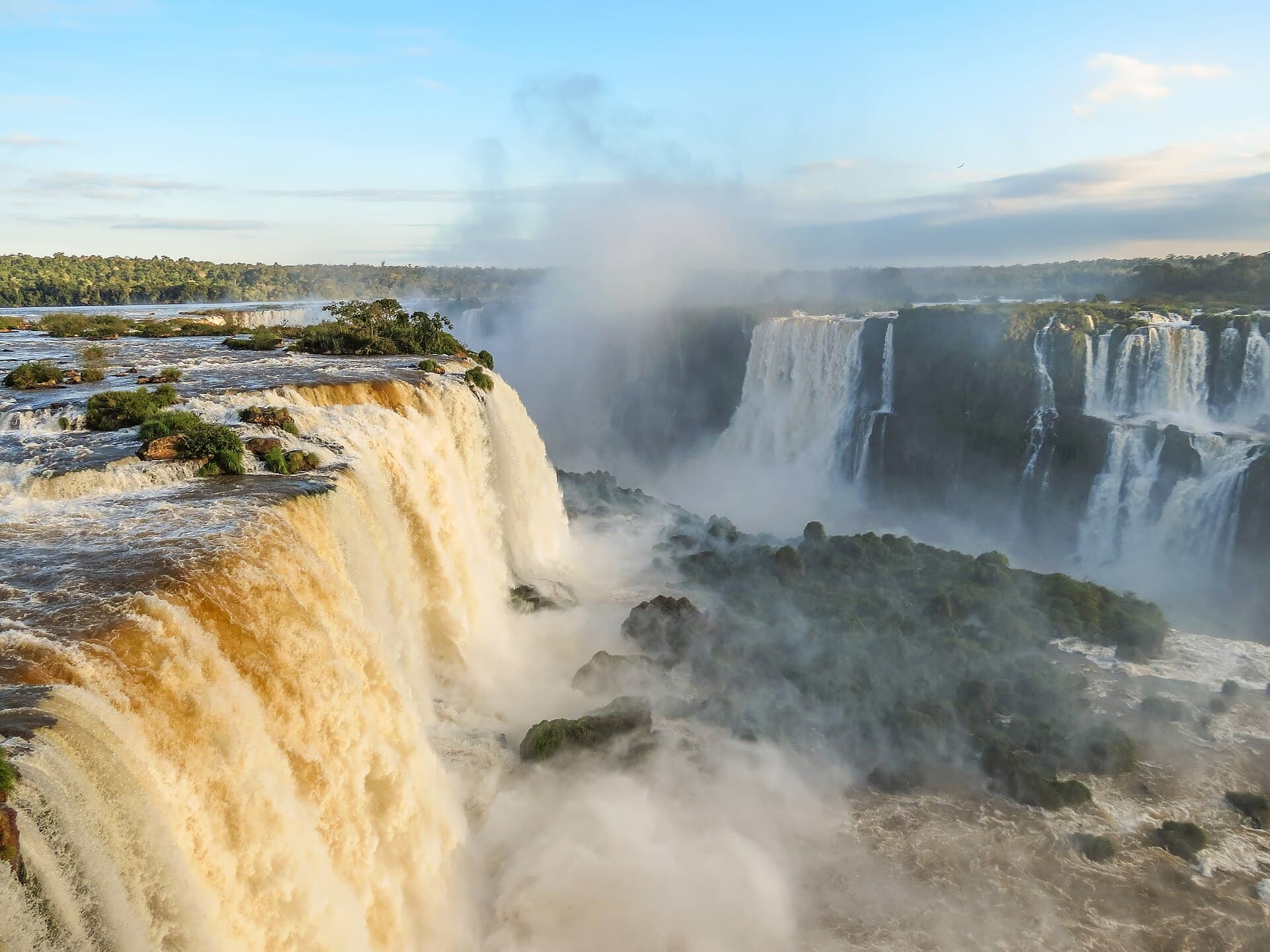
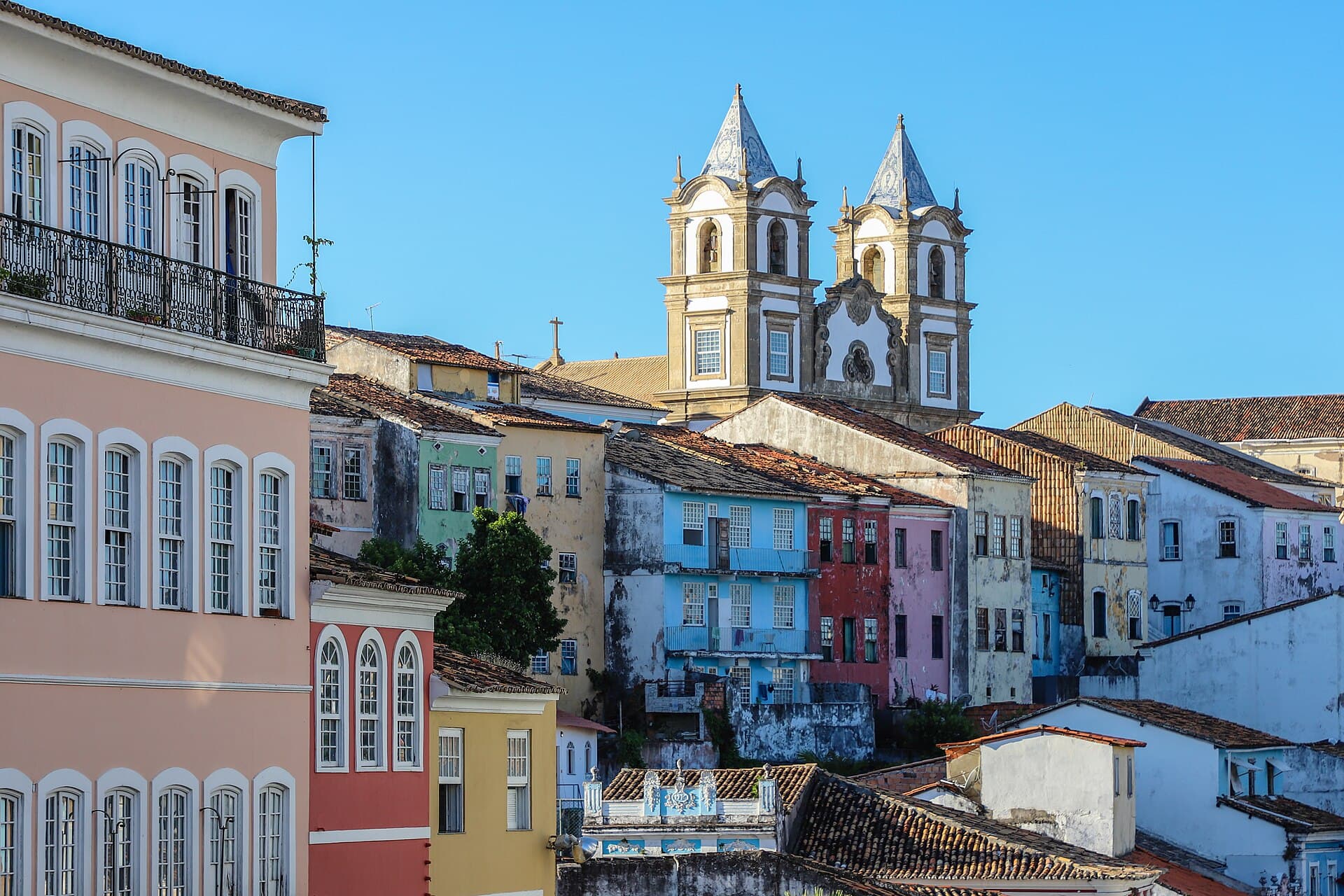
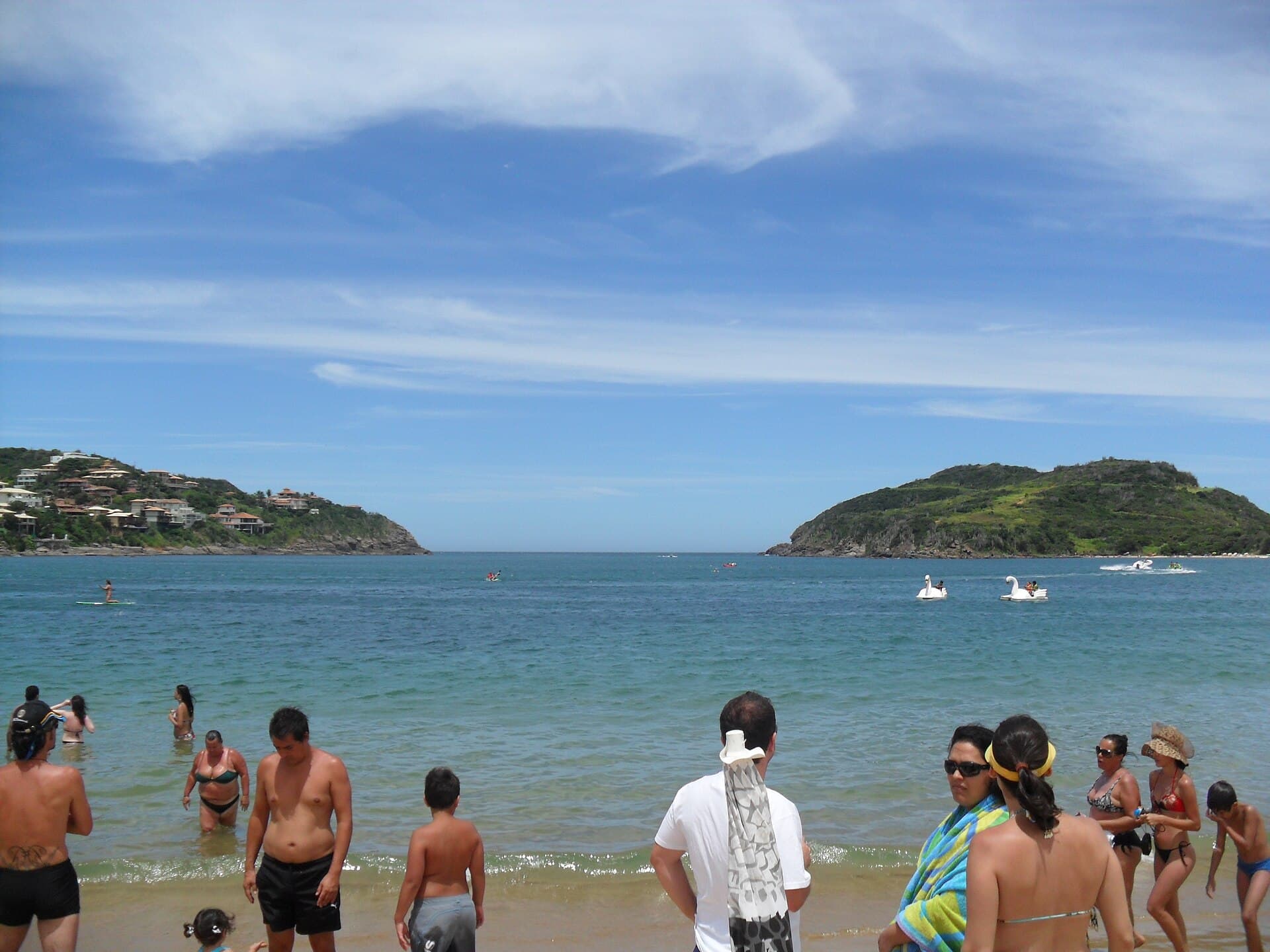
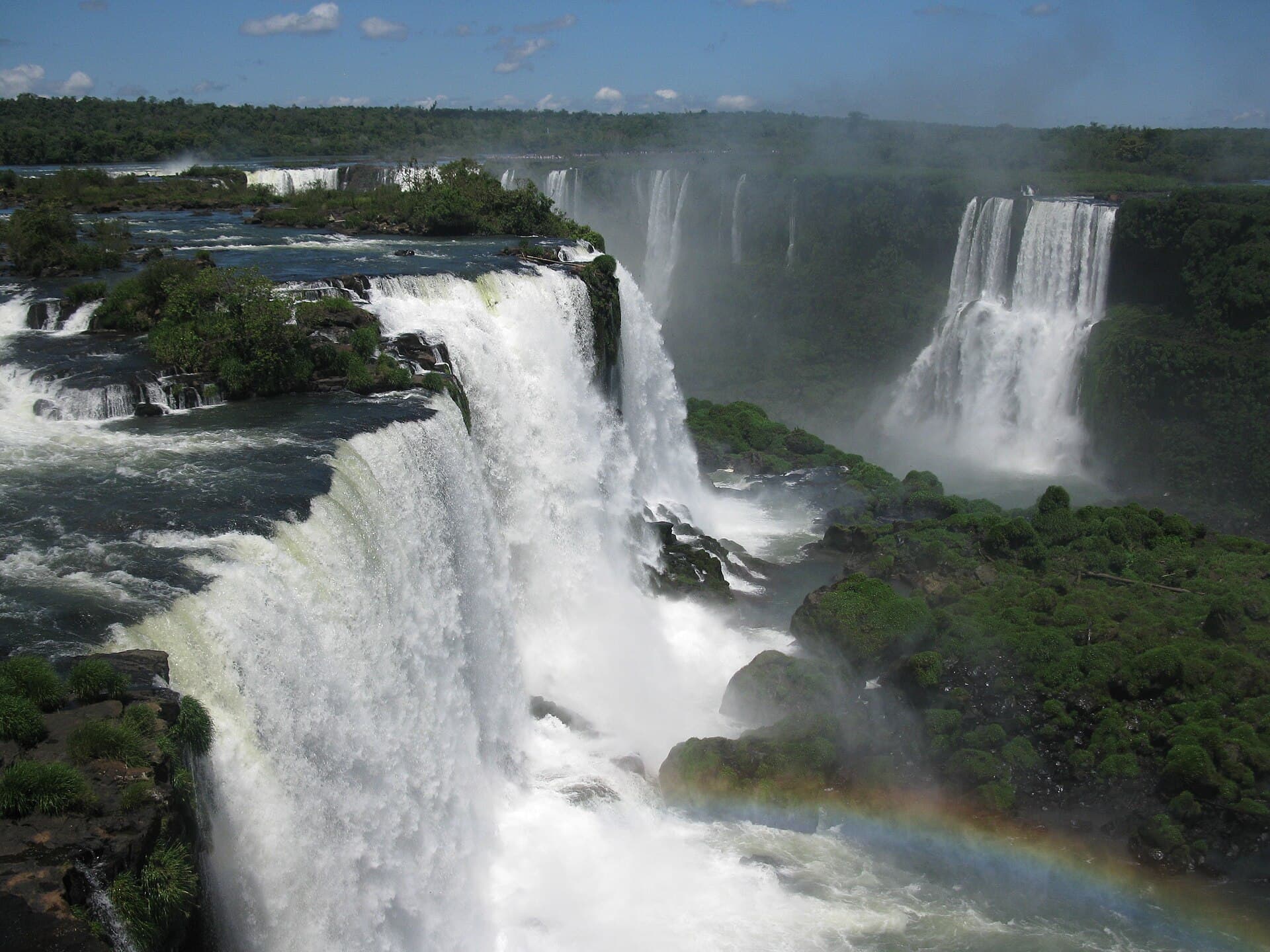
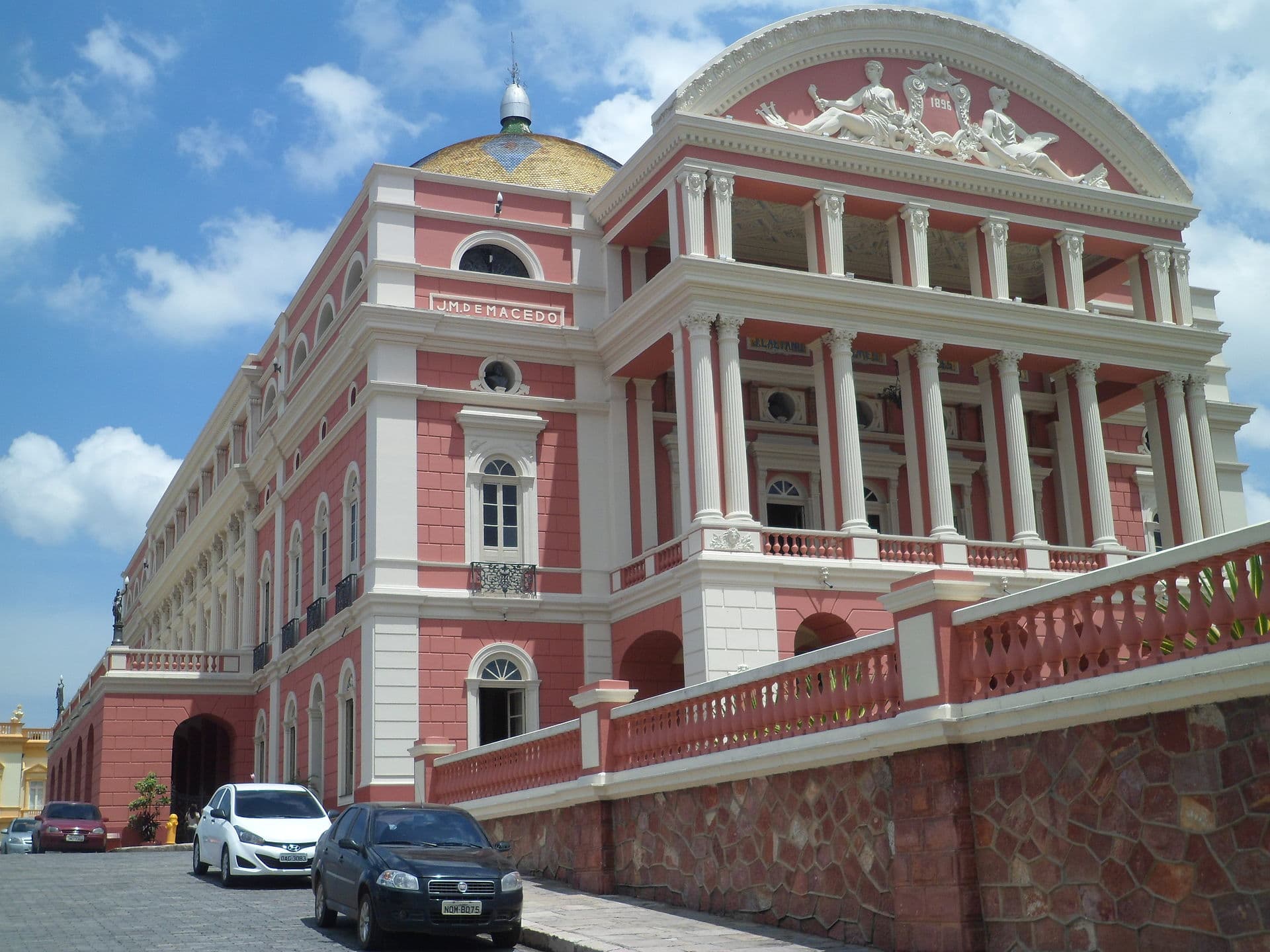
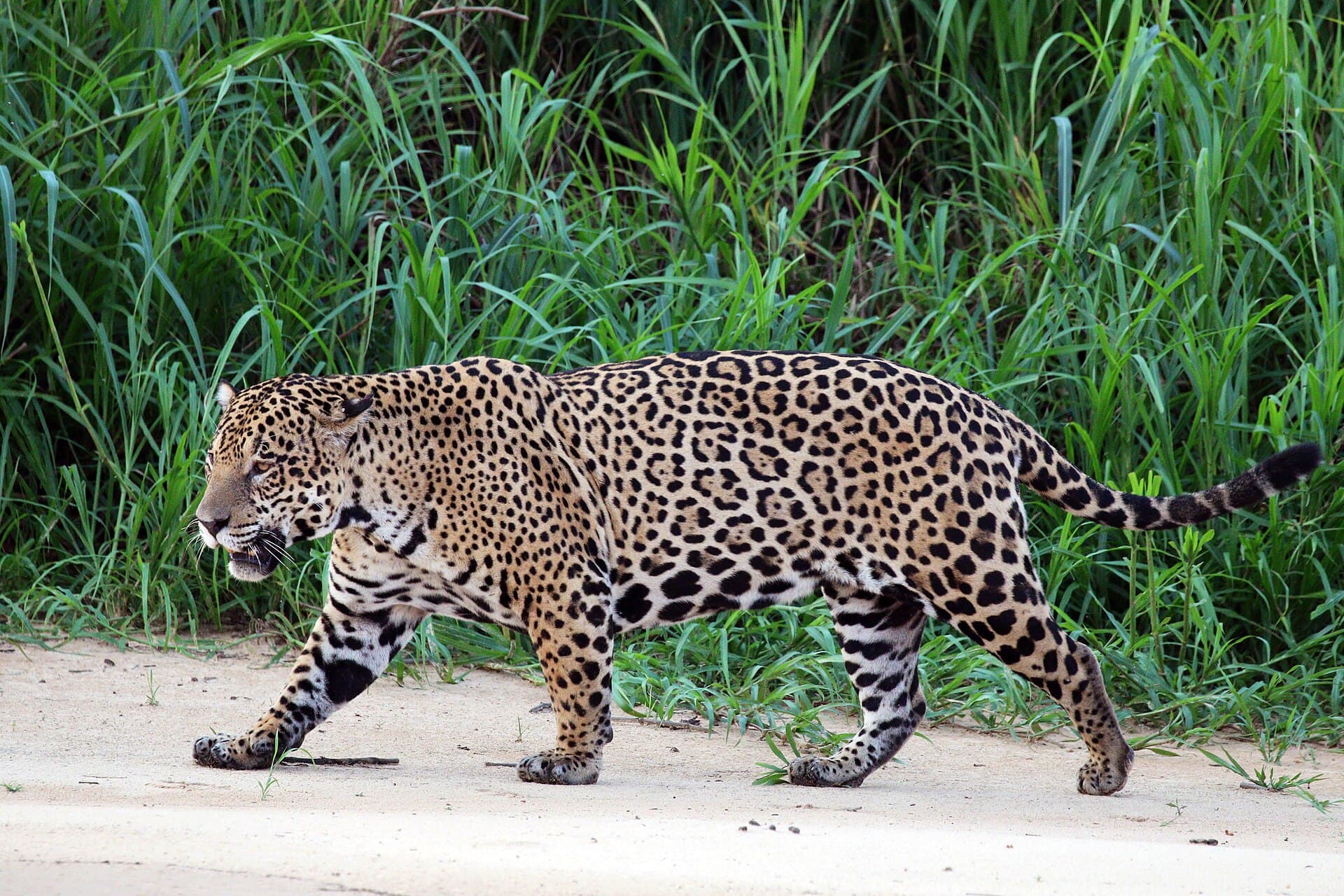
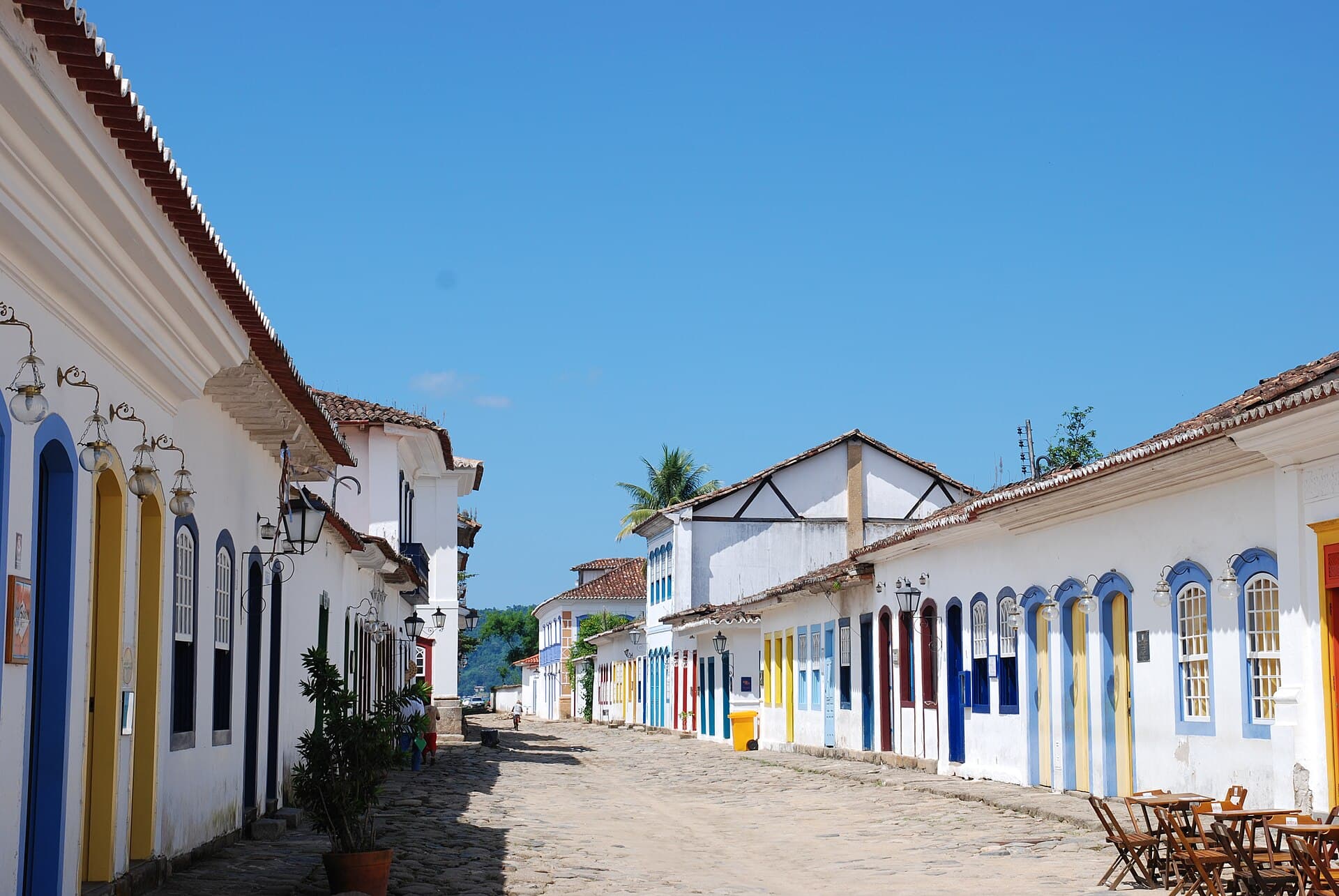
Brazil's tourism proposition revolves around five large complementary regions. Rio and the Southeast (Rio de Janeiro, São Paulo, Minas Gerais, Búzios, Paraty) concentrates most international arrivals — Christ the Redeemer, Sugarloaf, Copacabana, world-famous Carnival. The Northeast (Salvador da Bahia, Pernambuco, Ceará, Maranhão) offers the authentic Afro-Brazilian soul — UNESCO Pelourinho, capoeira, candomblé, coconut palm beaches. The Brazilian Amazon (Manaus, Belém, Rio Negro lodges) delivers the ultimate ecotourism experience — virgin forest, endemic wildlife, indigenous peoples. The Pantanal (Mato Grosso, Mato Grosso do Sul) is the world's wildlife-watching paradise — the planet's largest wetland, jaguars, caimans, capybaras, colourful birds. The South (Iguazu, Curitiba, Florianópolis) concentrates the Iguazu Falls (UNESCO 1986), among the world's most impressive.
Brazilian culture is among the world's most vibrant and joyful. Carnival in Rio (4 days between late February and early March) is the planet's largest popular festival — over 2 million people in the streets, samba school parades at the Sambódromo (€5 billion economic impact). Samba, bossa nova (born in Rio in the 1950s), capoeira (Bahia, martial art-dance UNESCO 2014) and football (Pelé, Garrincha, Ronaldo, Ronaldinho, Neymar — 5 World Cups) are identity pillars. Gastronomy — feijoada (national bean and pork dish), churrasco (southern grills), Amazonian açaí, caipirinha (national cocktail with cachaça) — is rich, generous and accessible.
Brazil in 2026 remains a country on the move, fascinating and contradictory — extreme wealth on Avenida Paulista alongside poverty in Rocinha favelas, Brasília's modernity and preservation of Amazonian indigenous peoples, paradise beaches and major social challenges. For the traveller, it's an unforgettable, intense and culturally dense destination — provided you respect a few elementary urban safety rules.
What we love
- ✅Extraordinary geographical diversity: Caribbean-style Northeast beaches, Amazon, Pantanal, Iguazu Falls, modern metropolises — one trip equals several countries
- ✅No advance visa for French and Europeans (90-day stay, 6-month biometric passport)
- ✅Direct Paris-Rio flight in 11h (Air France, Latam) — Brazil accessible without stopover
- ✅Vibrant, welcoming culture: samba, bossa nova, capoeira, Carnival, generous cuisine (feijoada, açaí, caipirinha)
- ✅World-class wildlife watching: jaguars in the Pantanal, Amazonian fauna, pink dolphins of the Rio Negro — exceptional biodiversity
What to know
- ❌Urban safety: heightened vigilance in Rio and São Paulo (favelas to avoid, beach snatch thefts)
- ❌Vast distances: Rio-Manaus = 4,200 km, domestic flights essential, plan for internal air budget (€300-600/flight)
- ❌Portuguese poorly understood by travellers: limited English outside hotels, translation app useful
- ❌Rainy season (December-March on Rio and Amazon) can complicate some itineraries
- ❌Health risk (dengue, yellow fever in Amazon/Pantanal): protections mandatory, vaccinations to anticipate
Explore Brazil
Our itineraries
Regions
Popular spots
Situation
Où se situe Brazil ?
Ouvrir la carte en grand sur OpenStreetMap →Frequently asked questions
Do you need a visa for Brazil?+
When is the best time to visit Brazil?+
How many days for Brazil?+
What's the budget for a Brazil trip?+
Is Brazil dangerous for tourists?+
Our verdict
Brazil is probably the most complete and intense trip in South America — a country-continent condensing Caribbean-like beaches, the Amazon, Pantanal, vibrant metropolises, UNESCO colonial heritage and a unique festive culture. The promise is clear: no other destination in the world offers such geographical and cultural diversity accessible by an 11-hour direct flight from Paris, without a visa, in a country without major health barrier. Our recommendation: plan at least 15-21 days to combine Rio (3-4 nights) + Iguazu (2 nights) + Salvador or Pantanal (4-5 nights) + Amazon (3-4 nights) + beach (Búzios, Paraty, Trancoso, 3-4 nights) — the ideal format to sample Brazil's palette without exhaustion. Travel from April to October (dry season), avoid December-March except for Carnival (book 6-12 months ahead). Realistic budget €90-130/day excluding domestic flights. Urban vigilance essential in big cities but kept in perspective by experience: the overwhelming majority of trips run smoothly, and Brazilian warmth leaves indelible memories.

Expert on Brazil · 1 contributions
 Africa & Americas Desk — Mowando·Editor