ville
Salvador
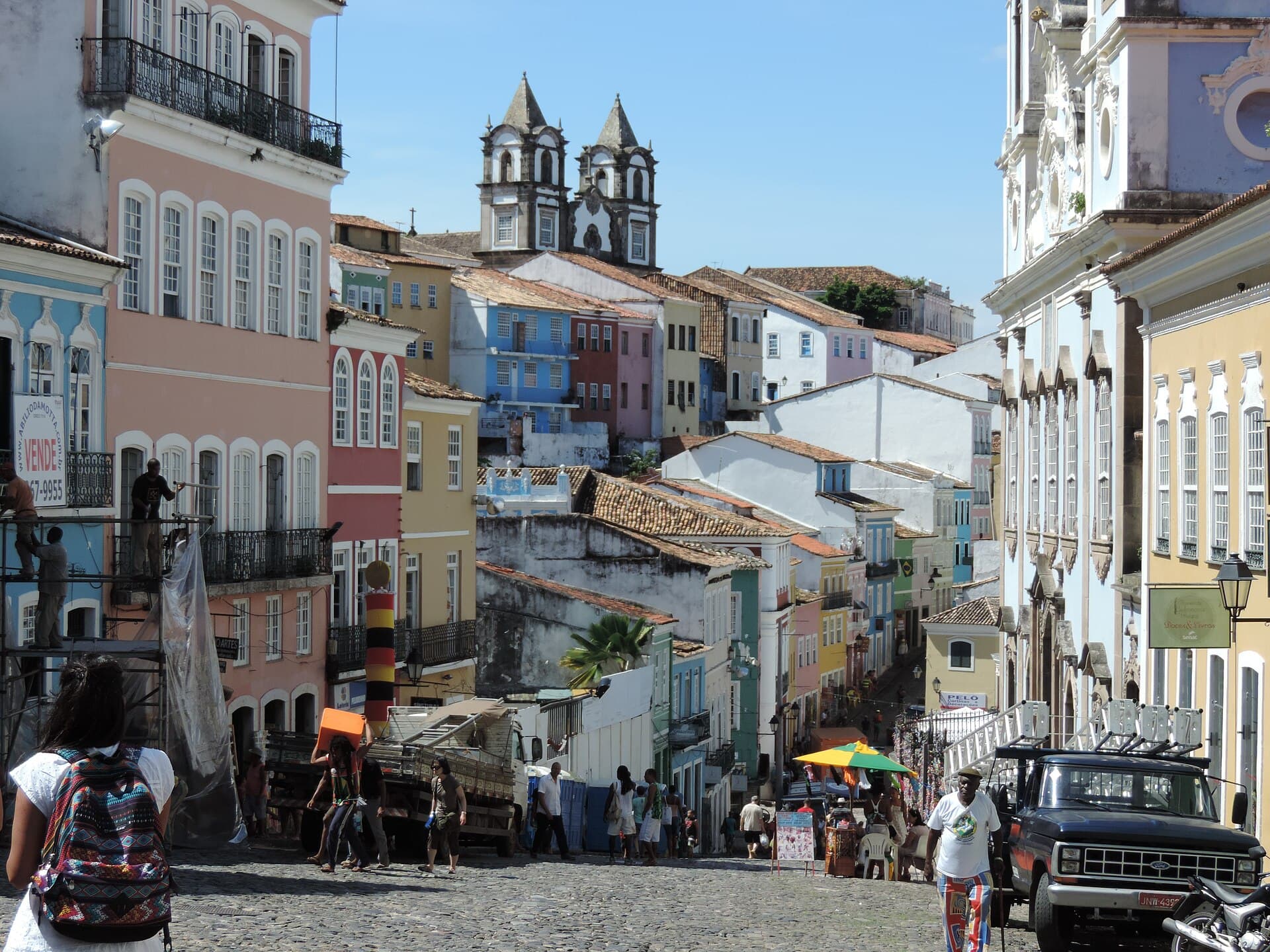
Brazil's __first capital__ (1549-1763), UNESCO-listed in 1985 for its exceptional Pelourinho — 800 vividly coloured Baroque buildings, 17 colonial churches, daily capoeira rodas, living candomblé and the world's most participatory Carnival (6 days of trios elétricos).
Salvador da Bahia is Brazil's cultural and historical capital — founded on March 29, 1549 by Tomé de Sousa on King John III of Portugal's order, it was colonial Brazil's first capital for 214 years (until transfer to Rio in 1763) and remains today the epicentre of Afro-Brazilian culture. With 3.5 million inhabitants (country's 4th city), Salvador concentrates Brazil's most mixed and rhythmic dimension — where capoeira, candomblé, axé, dendê cuisine and the world's most participatory popular carnival take root.
The Pelourinho (historic centre, named after the pillory where slaves were punished), UNESCO-listed in 1985, is one of Latin America's best-preserved colonial architectural ensembles. 800 17th-18th century buildings painted in vivid colours (yellow, blue, pink, green), 17 Baroque churches (including Igreja de São Francisco, 1708, interior entirely covered with 100 kg of gold — Brazil's most precious colonial Baroque heritage), cobblestone squares (Largo do Pelourinho, Terreiro de Jesus with 1672 primatial cathedral), steep picturesque streets (Ladeira do Carmo, Rua das Laranjeiras, Rua João de Deus). This is where Afro-Bahian culture flourishes — daily capoeira rodas at Forte da Capoeira, candomblé in nearby terreiros (Casa Branca, Ilê Axé Opô Afonjá), world-famous percussion groups (Olodum which influenced Michael Jackson with They Don't Care About Us video shot in Pelourinho in 1996, Ilê Aiyê).
Salvador's geography is unique. The city sits on an 80 m cliff overlooking the Baía de Todos os Santos (Bay of All Saints, 1,250 km² with 56 islands, Brazil's largest navigable bay), creating a radical opposition between the Cidade Alta (Upper City, at 80 m altitude where Pelourinho, Terreiro de Jesus, 1873 Elevador Lacerda are) and Cidade Baixa (Lower City, at sea level, port, Mercado Modelo former slave market turned artisan market, iconic Porto da Barra beach). The Elevador Lacerda (1873, Brazil's first urban elevator, 72 m, 4 cabins), connecting both levels for 0.15 BRL (€0.03), is an iconic landmark.
Beyond Pelourinho, several other hubs in Salvador. Barra (southern peninsula, family beaches Porto da Barra and Farol da Barra with iconic 1696 lighthouse, Farol da Barra museum and rooftop restaurant), Rio Vermelho (northern bohemian neighbourhood, music and restaurant scene, location of Iemanjá Festival February 2), Itapagipe (northern peninsula, Senhor do Bonfim Basilica — major pilgrimage site with multi-coloured bonfim ribbons, syncretic religious fervour), Pituba and Boca do Rio (modern neighbourhoods, calmer beaches).
Afro-Bahian culture is particularly alive. Capoeira (UNESCO 2014) practised in daily rodas at Forte da Capoeira (free 5pm-8pm, exceptional demonstrations), at Associação de Capoeira Mestre Bimba (historic school founded 1932). Candomblé practised in terreiros — respectful visit possible at Casa Branca (Ilê Axé Iyá Nassô Oká, founded around 1830, one of Brazil's oldest terreiros, free with offering), Ilê Axé Opô Afonjá (Mãe Stella, classified national heritage). Percussion groups play in Pelourinho — Olodum Tuesdays and Sundays (8pm, Praça Tereza Batista, €10-25), Ilê Aiyê Saturdays (Liberdade, €15-20), Didá Banda Feminina (100% female group, Sundays, €10-15).
What we love
- ✅UNESCO 1985 Pelourinho: 800 vividly coloured Baroque buildings, 17 colonial churches — Brazil's best-preserved Portuguese colonial heritage
- ✅Brazil's first capital (1549-1763): 214 years of colonial history, primatial cathedral, Forte da Capoeira
- ✅Living Afro-Bahian culture: UNESCO 2014 capoeira, authentic candomblé, world-famous Olodum
- ✅Salvador Carnival (4 days late Feb-early March): 6 days of trios elétricos, more participatory experience than Rio
- ✅Dendê Afro-Bahian cuisine: moqueca, vatapá, acarajé — exceptional intangible heritage
What to know
- ❌Urban safety: heightened vigilance in Pelourinho at night, some neighbourhoods to avoid
- ❌Marked rainy season (April-July), May-June the wettest
- ❌Heavy crowds at Carnival (2.5 million participants), hotel rates x3-x4
- ❌Hot humid tropical climate in summer (28-31 °C, 75-85% humidity)
- ❌Very rich dendê oil cuisine (sometimes heavy for European palates)
Situation
Où se situe Salvador ?
Ouvrir la carte en grand sur OpenStreetMap →Frequently asked questions
How many days for Salvador?+
Which neighbourhood to sleep in Salvador?+
Is Salvador dangerous?+
Should you go to Salvador Carnival?+
What cuisine to taste in Salvador?+
Our verdict
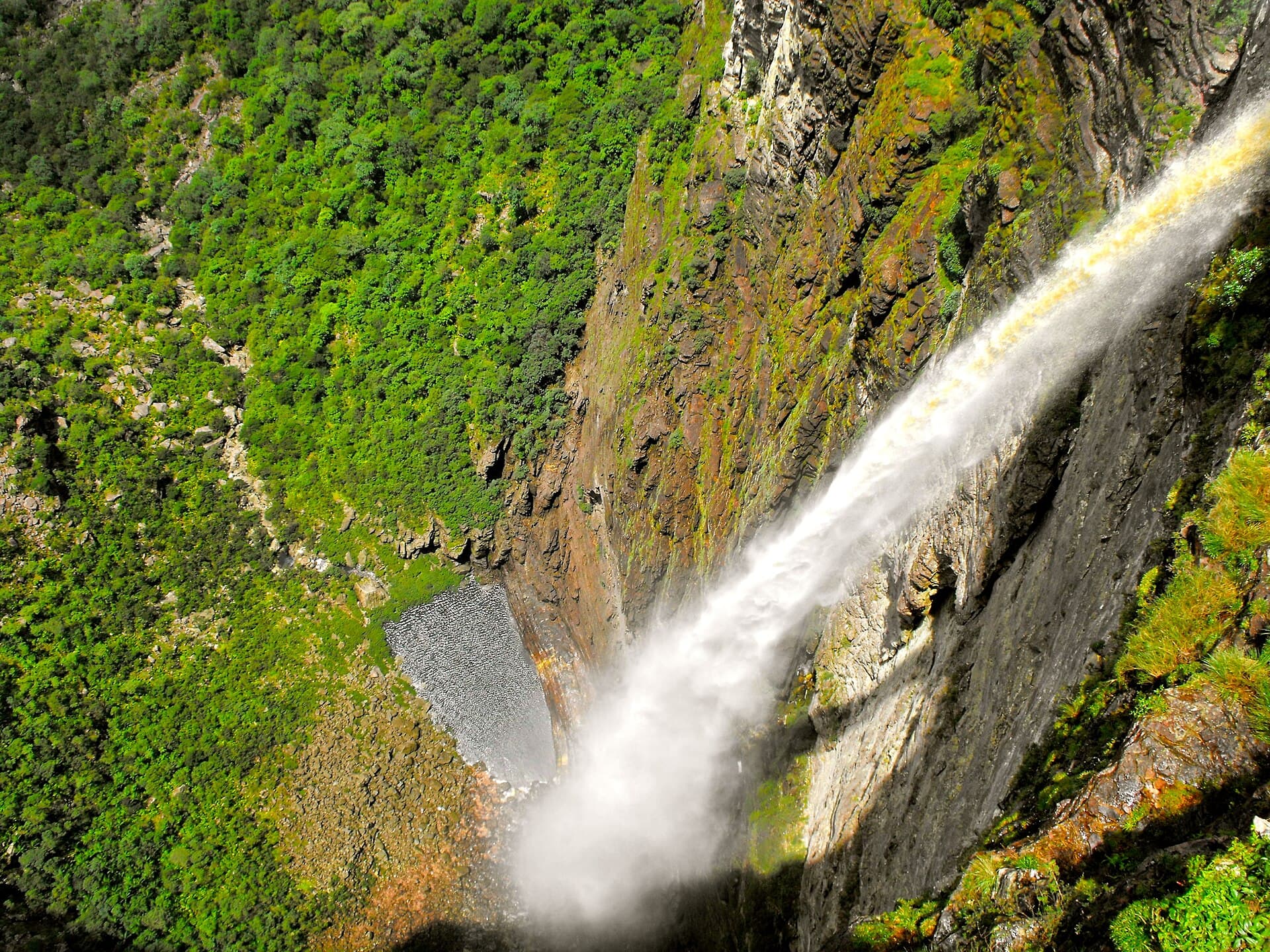
Salvador da Bahia is Brazil's cultural and historical soul — the city condensing the country's most mixed, rhythmic and authentic dimension. The UNESCO Pelourinho (1985) is an absolute must for any cultural Brazilian trip, to complement with 2-3 additional nights at Praia do Forte or Morro de São Paulo for the beach, and 3 nights in Chapada Diamantina for spectacular nature. Our recommendation: plan minimum 4 nights in Salvador to see Pelourinho, Farol da Barra, Mercado Modelo, Forte da Capoeira (daily roda), Olodum (Tuesdays-Sundays 8pm), a respectful candomblé ceremony, and taste Bahian dendê cuisine (moqueca de peixe, vatapá, acarajé). Travel from September to March (tropical dry season) for optimal climate. For Carnival (4 days late Feb-early March), book 6-12 months ahead — it's one of Brazil's most authentic and participatory experiences. Choose a hotel in Pelourinho (cultural immersion, unique atmosphere, Uber out at night) or Barra (safer, beach access, 10-15 min Pelourinho transfer). Respect safety rules in Pelourinho (guided tours, don't walk at night outside very lively zones, keep passports in safe).
Nearby

"Janvier : saison sèche tropicale, foule importante, tarifs en hausse, conditions parfaites."
Expert on Salvador · 1 contributions
 Africa & Americas Desk — Mowando·Editor