Mowando

Region

South Coast

The most seductive tropical coast on the island: 200 km of white sand beaches, coconut groves, stilt-fisher villages, a UNESCO colonial fortress city and the waters where blue whales — the largest animals ever to appear on Earth — swim.

4.80

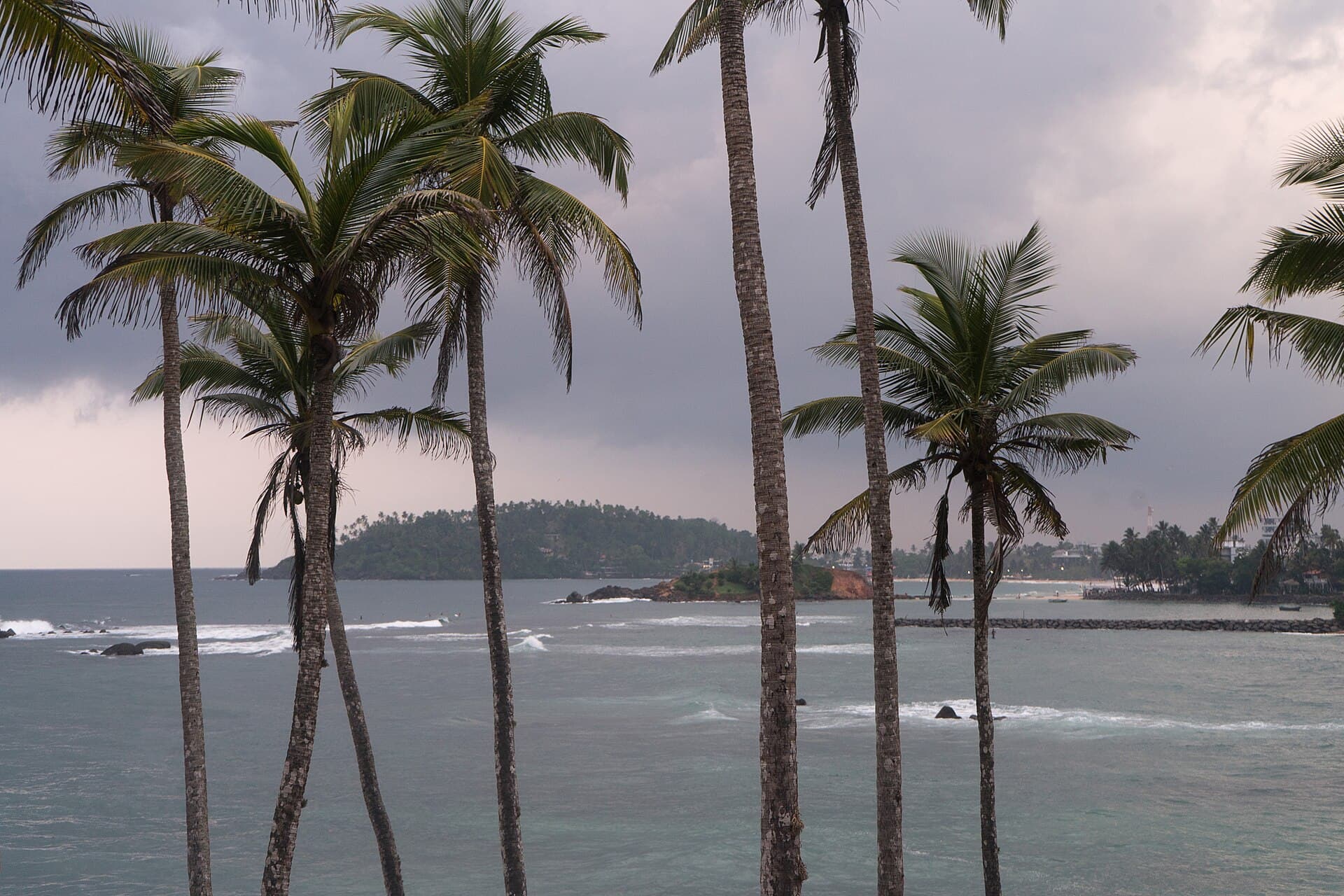
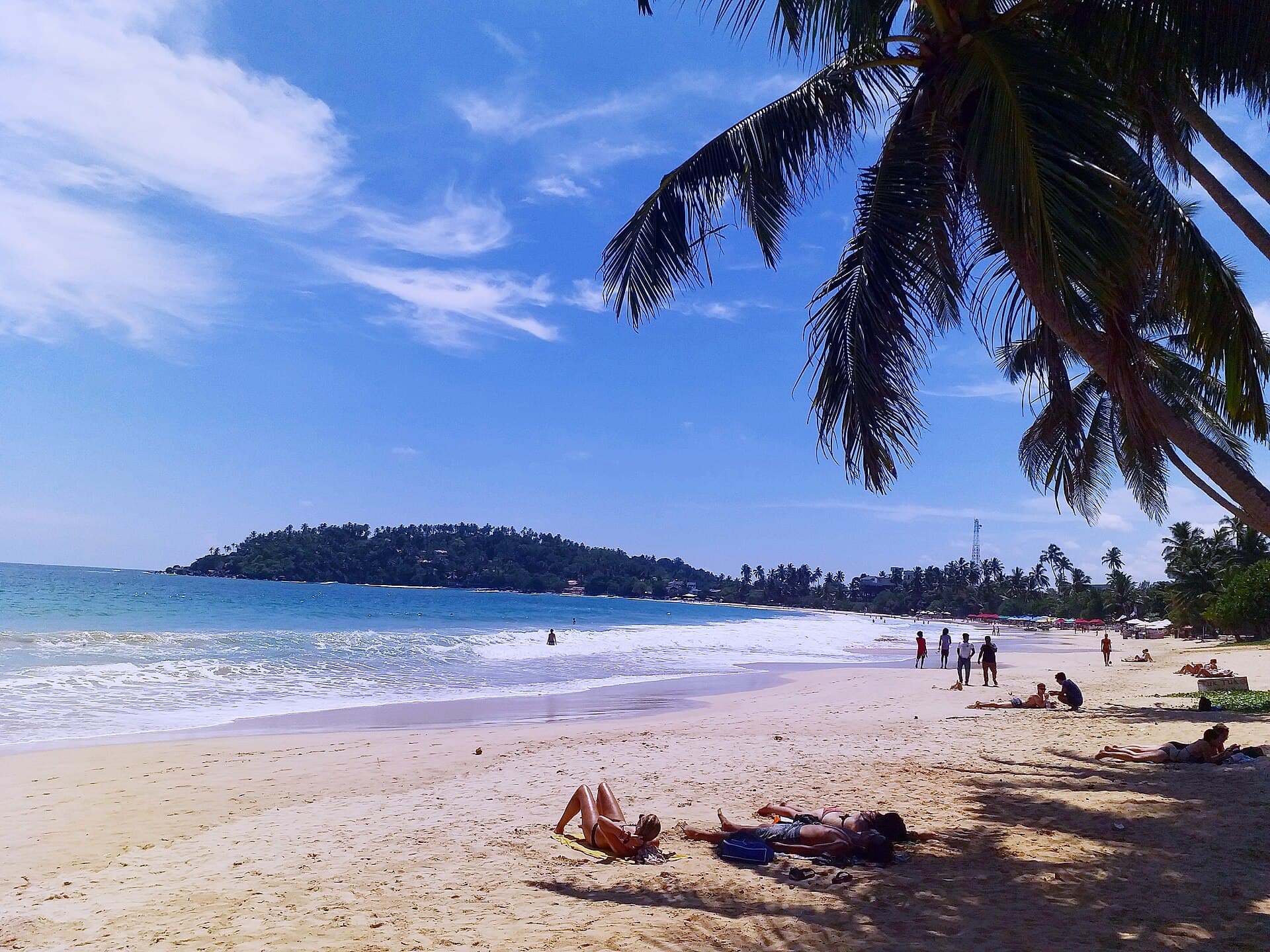
Sri Lanka's South Coast is one of the most seductive coastal strips in tropical Asia, stretched over 200 kilometres between Bentota and Tangalle, lining up white sand coves, plunging coconut groves, stilt-fisher villages and beach resorts with very diverse atmospheres. It is here, on these shores caressed by the Indian Ocean, that the country's essential beach offering is concentrated, from the international surfers of Hikkaduwa to the luxury retreats of Tangalle, via the backpackers of Mirissa and the couples on a getaway in Unawatuna.

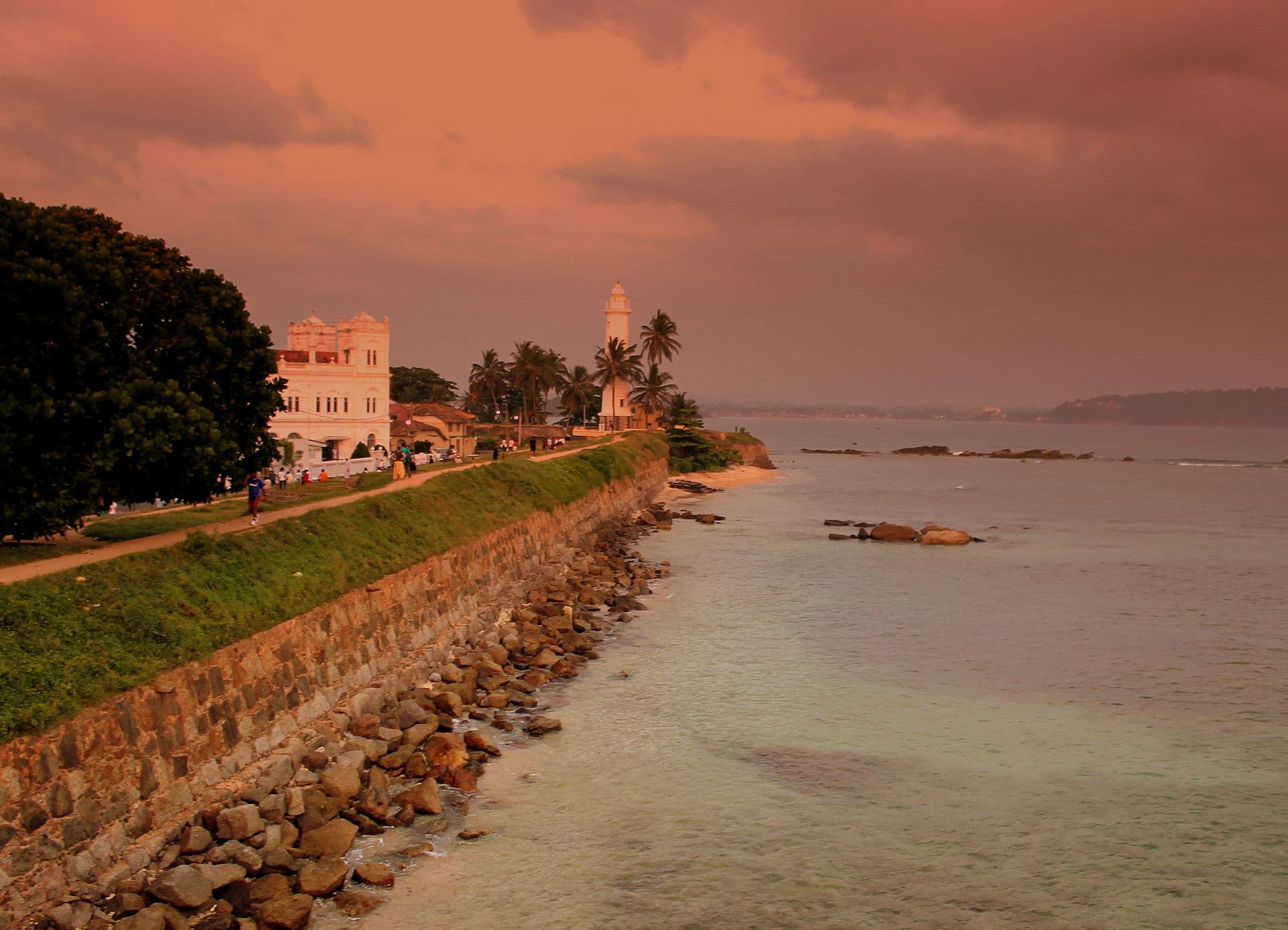
The region is also home to the Galle Fort, one of Asia's colonial masterpieces. Built by the Portuguese in 1588, considerably extended by the Dutch from 1640 and transferred to the British in 1796, this granite and coral fort encloses a perfectly preserved old town — cobbled streets, whitewashed colonial mansions, churches, mosque, Buddhist temple, iconic lighthouse and continuous 3 km ramparts where everyone strolls at sunset. UNESCO World Heritage-listed since 1988, Galle Fort is one of Asia's largest still-inhabited colonial forts, a truly living small town where antique shops, specialty cafés and art galleries sit alongside houses inhabited for generations.

Mirissa, once an anonymous fishing village, has become the world capital of blue whale watching. Between December and April, the deep waters off Cape Dondra (the southernmost point of the island) attract these ocean giants that can reach 30 metres long and 200 tonnes — the largest animals ever to have existed on Earth. Morning trips leave at 6.30 a.m. and last 4 to 5 hours, with a sighting rate above 90 % in peak season. Further east, Tangalle and Goyambokka Beach offer a wilder, more confidential face of the South Coast, with preserved coves and boutique hotels hidden in coconut groves — the contrast with Mirissa's intensity is striking.

Explore South Coast

Spots in the region
Situation

Où se situe South Coast ?

Ouvrir la carte en grand sur OpenStreetMap →

Frequently asked questions

When is the best time for blue whale watching at Mirissa?+
The blue whale watching season off Mirissa runs from __mid-December to mid-April__, with a peak of presence and visibility in __February and March__. Trips depart from Mirissa harbour at 6.30 a.m. (meeting at 6.15 a.m.), last 4 to 5 hours and reach the deep waters off Cape Dondra where blue whales surface to breathe. Sighting rate above 90 % in peak season. Always choose an __eco-responsible__ operator (Raja & The Whales, Mirissa Water Sports) that respects the 50-metre minimum distance and limits the number of boats per whale. Fare: USD 70-90 per person with breakfast and sighting certificate. Seasickness-prone travellers: take a pill the night before.
How many days do you need to visit the South Coast?+
Plan for a minimum of __4 to 5 days__ for a balanced visit: 1-2 days at __Galle__ (fort exploration, sunset dinner on the ramparts), 2 days at __Mirissa__ (whales at dawn, Coconut Tree Hill beach, Weligama or Midigama for surfing) and 1 day at __Tangalle__ (wild coves, Goyambokka beach, turtle sanctuary at Rekawa). With 7 days, add __Hikkaduwa__ (snorkelling with turtles, surf) and __Bentota__ (colonial luxury, Geoffrey Bawa villa at Lunuganga). The South Coast organises perfectly as a final leg of a circuit, after the Cultural Triangle and the Hill Country.
Galle or Mirissa: where to stay to discover the South Coast?+
Ideally both, on two separate legs. __Galle__ offers a unique cultural experience (life in the UNESCO fort, rampart dinners, antique shops, art galleries) but little beach (Galle's beach is narrow and not great for swimming). __Mirissa__ is the ideal beach base (white sand beach, lively nightlife, whale trips) but can feel commercial in high season. For a short weekend (3-4 days), choose Mirissa for the beach + whales + day excursion to Galle combination (50 minutes by tuk-tuk). For 5 days or more, divide your time between the two.
Should you visit Yala from the South Coast?+
Yes, if you have time and want to see __wild leopards__. Yala National Park, 1h30 east of Tangalle, is one of the best places in the world to observe the Sri Lankan leopard (endemic subspecies). Safaris are by 4x4 at dawn (5-9 a.m.) or late afternoon (2-6 p.m.). Budget USD 60-80 per person for a shared safari. __Zone 1__ is the most visited (high leopard density but also heavy jeep traffic in high season). Prefer if possible __Zone 5__ (Lunugamvehera, calmer) or a private safari in Yala Block 1. Avoid in peak drought (August-September) when the park can be partially closed for preservation.
Which beach to choose for surfing in Sri Lanka?+
The South Coast concentrates the best surf spots on the island, accessible to all levels. __Weligama__ (between Galle and Mirissa) is the beginner spot par excellence — easy beach break, sand, numerous French-speaking schools, board hire at USD 5/day. __Midigama__ (5 km east of Weligama) is more committed with its Lazy Left and Lazy Right reefs, ideal for intermediate levels. __Hikkaduwa__ (north of Galle) offers more powerful waves, Australian atmosphere, several spots depending on the tide. __Arugam Bay__ on the east coast offers the country's best waves but in the opposite season (May to September). The high surfing season on the South Coast runs from November to April, unlike swimming which peaks December to March.
How do you get to the South Coast from Colombo or the airport?+
The __E01 Southern Expressway__ connects Bandaranaike Airport (CMB) to Galle in 1h45 (130 km) and to Matara in 2h15. Toll around USD 10. A private transfer by taxi can be pre-booked for USD 50-70 depending on destination. Much cheaper alternative: the __coastal train__ from Colombo Fort station to Galle (2h30) and Matara (3h30), fare USD 1-3 by class — one of the most beautiful coastal railway journeys in Asia, with the track literally hugging the beach on certain sections. The express bus from Colombo Bastian Mawatha is also possible (3h30 to Galle, USD 4) but less comfortable.
Are the South Coast beaches safe for swimming?+
Broadly yes in high season (December to April), but with important nuances. The safest beaches for family swimming are __Unawatuna__ (protected bay), __Mirissa__ (except in slightly rough sea), __Goyambokka__ at Tangalle (semi-protected cove) and __Bentota__ (protected lagoon and beach). More exposed beaches such as __Hikkaduwa__, __Weligama__ or the main __Tangalle__ beach can suffer dangerous __rip currents__, especially on falling tides. From May to October (south-west monsoon), the sea is broadly dangerous everywhere on the South Coast — stay on the sand or choose hotel pools. Always check swimming flags when they exist and ask your host for advice.

Our verdict

The South Coast is the ideal epilogue of a classic Sri Lankan circuit (Cultural Triangle + Hill Country + South Coast over 14 days), both for beach rest and for strong experiences — whale watching, exploring Galle Fort, surfing at Hikkaduwa. Dedicate at least 4 to 5 days to the region: 1-2 nights in Galle (immersion in the fort), 2 nights in Mirissa (whales at dawn, Coconut Tree Hill beach, dolphin trips) and 1 night in Tangalle for quiet and preserved coves. Visit absolutely between December and March to avoid the monsoon and benefit from optimal conditions for sea and whales.

Mowando Letter

Once a month: the right destinations for the right season + the best booking windows.

No spam. One-click unsubscribe. Your data is never shared.