Mowando

Region

Cultural Triangle

The historical and spiritual heart of Ceylon: rock fortresses, giant dagobas, royal palaces swallowed by jungle and Buddhist frescoes fifteen centuries old, all packed into a small triangle of dry forest.

4.80

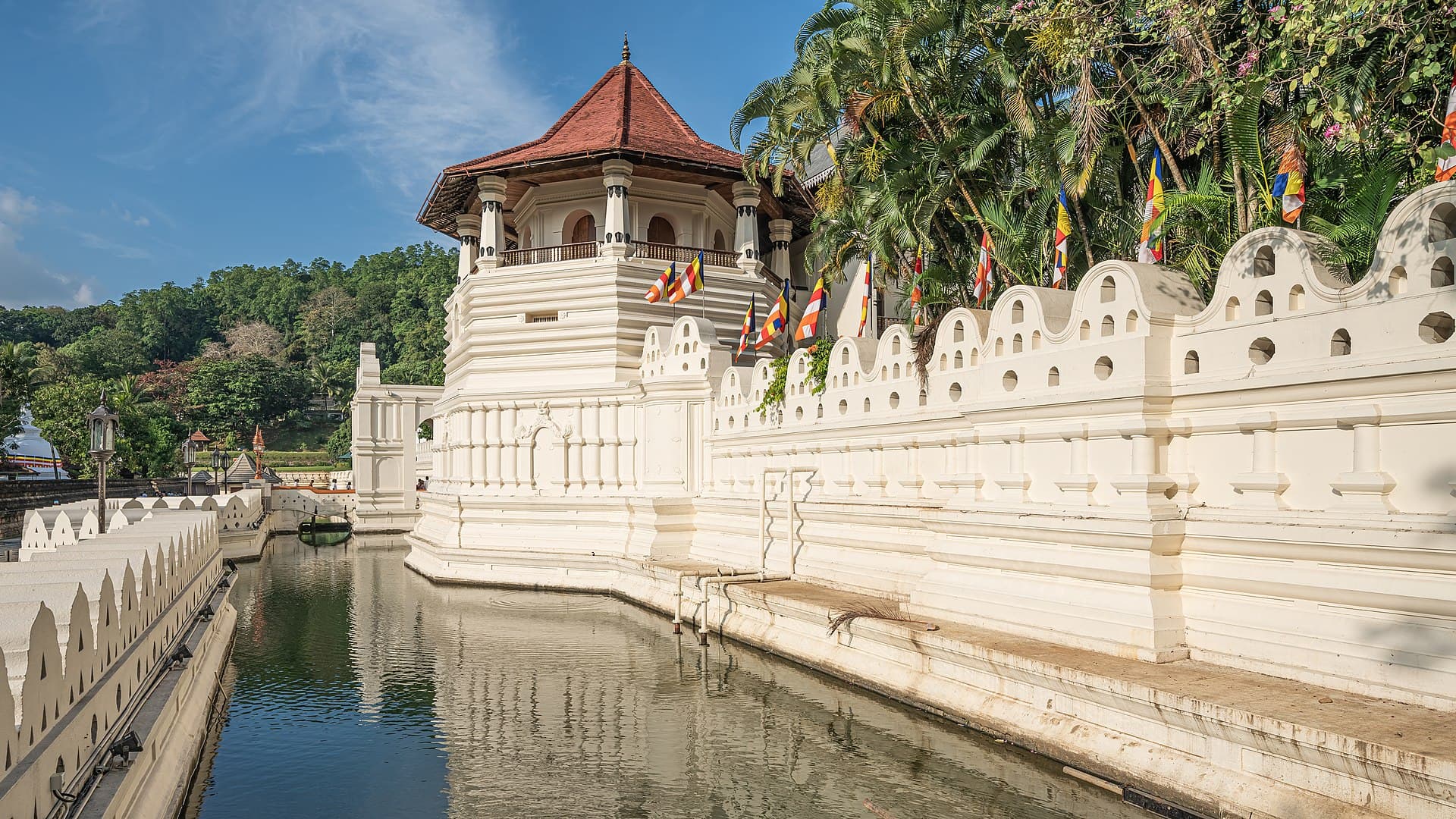
The Cultural Triangle is the most heritage-dense region in Sri Lanka and one of the most extraordinary in South Asia. Bounded by Anuradhapura to the north, Polonnaruwa to the east and Kandy to the south, it concentrates four UNESCO World Heritage sites — Sigiriya, the ancient cities of Polonnaruwa and Anuradhapura, the Golden Temple of Dambulla — along with the sacred city of Kandy that houses the Tooth Relic of the Buddha. All within an area roughly half the size of Belgium, making it one of the most accessible regions in Asia for understanding two millennia of Buddhist history.

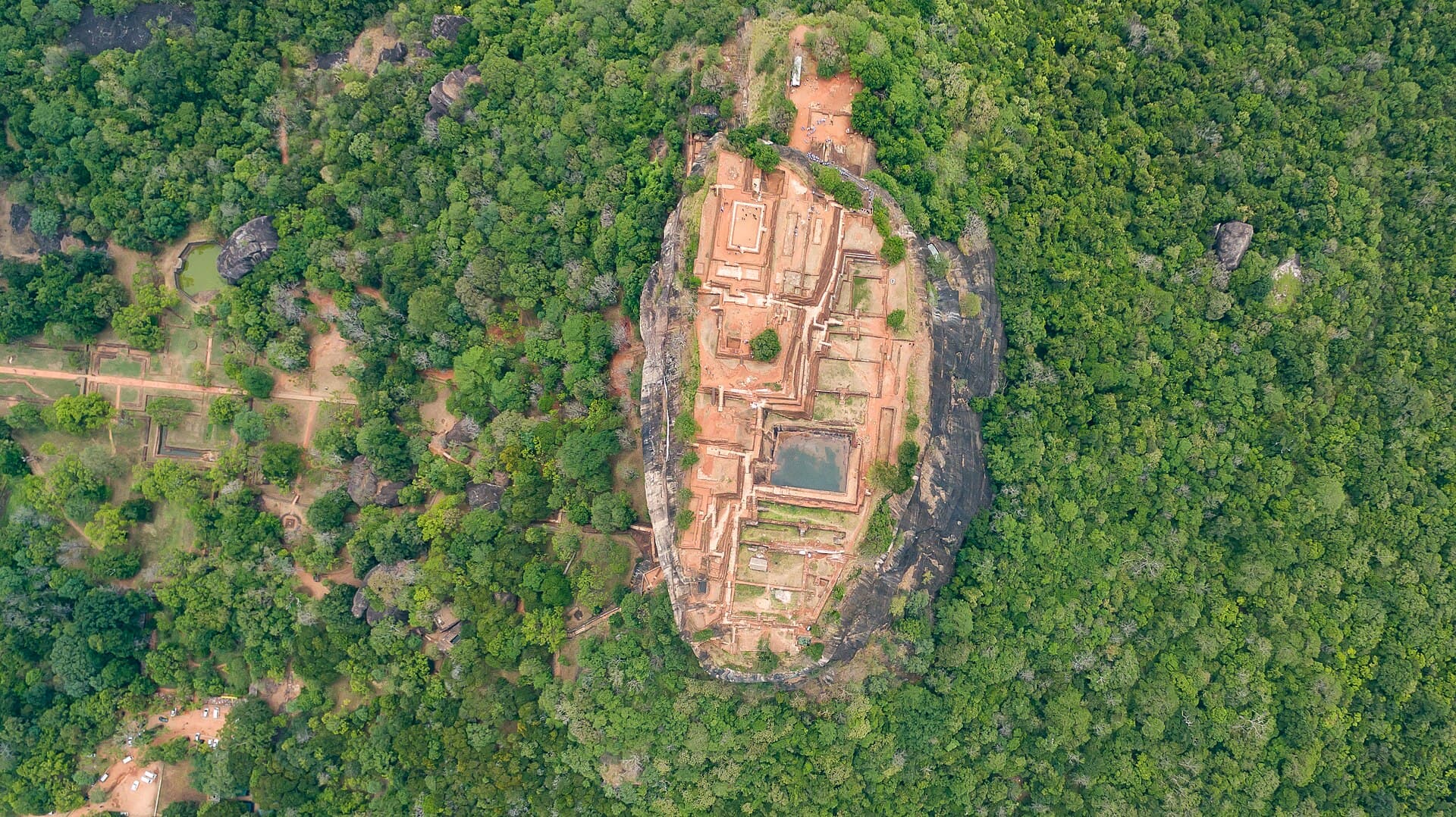
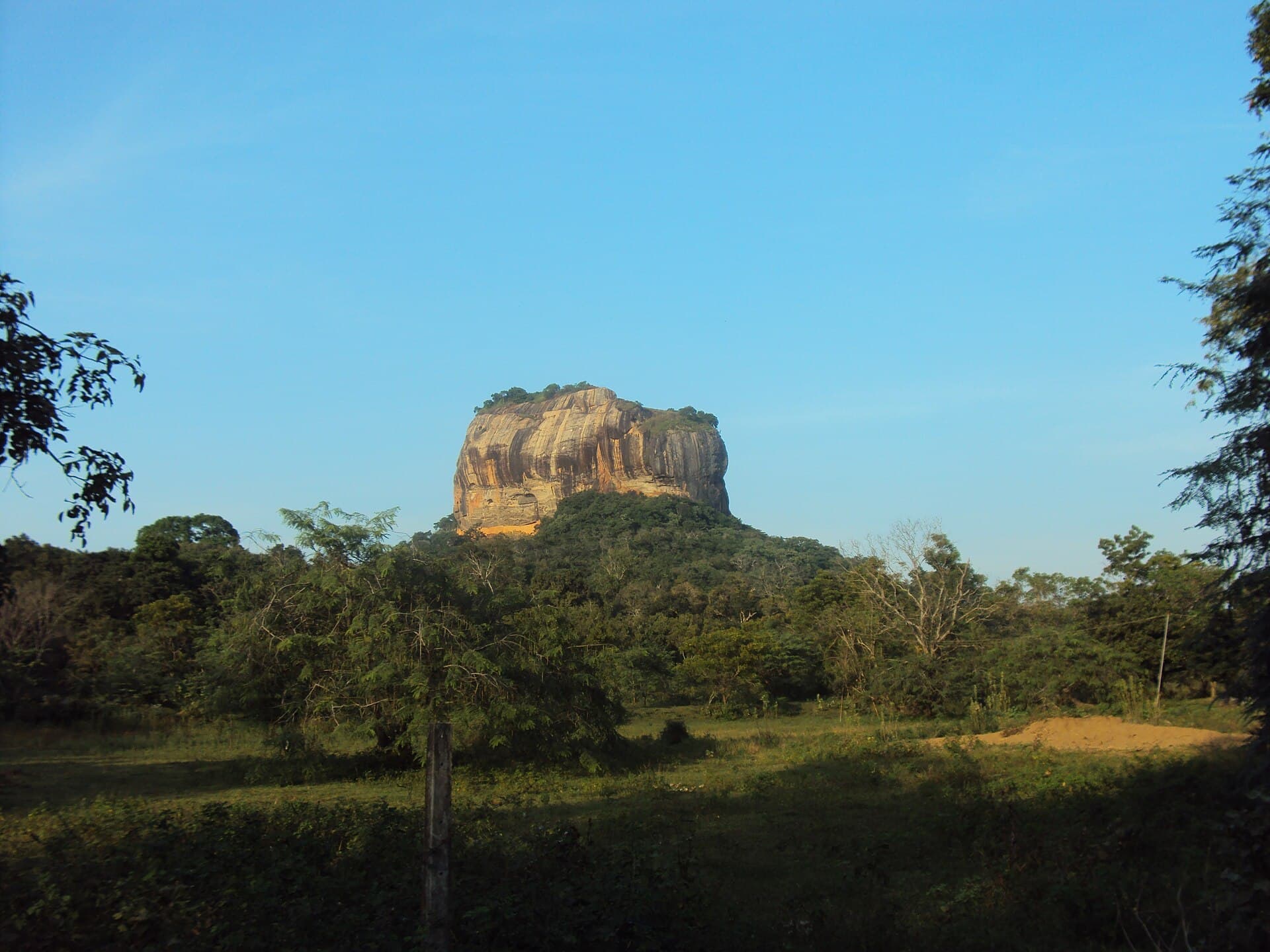
The region's flagship site is Sigiriya, the Lion Rock, a 200-metre granite plug that erupts from the jungle plain and which King Kassyapa transformed in the fifth century into a fortress-palace. Visitors climb a monumental staircase once flanked by a giant lion of which only the paws remain, walk past a gallery of colourful frescoes depicting the famous Sigiriya Maidens, and reach the summit where the foundations of the royal palace still stand. The 360° panorama over jungle, paddy fields and ancient tanks remains one of Sri Lanka's iconic images.

Polonnaruwa, the medieval capital from the 11th to the 13th century, unfolds its royal ruins in a shaded enclosure best explored by bicycle in a few hours. The Gal Vihara, a group of giant Buddhas carved directly into the rock, is one of the summits of world Buddhist art. Further north, Anuradhapura, the capital for thirteen centuries (4th century BC to 11th century AD), preserves colossal white dagobas (Ruwanwelisaya, Jetavanaramaya) that rank among the largest brick structures ever built. Finally, Dambulla and its five caves covered with frescoes and home to 150 Buddha statues round out this immersive journey through Sinhalese Theravada Buddhism.

Explore Cultural Triangle

Spots in the region
Situation

Où se situe Cultural Triangle ?

Ouvrir la carte en grand sur OpenStreetMap →

Frequently asked questions

How many days do you need to visit the Cultural Triangle?+
Plan for a minimum of 4 to 5 days for a balanced visit: 1 day at Sigiriya (dawn climb + Dambulla caves in the afternoon), 1 day at Polonnaruwa (cycling around the royal enclosure), 1 day at Anuradhapura (dagobas and the sacred Bodhi tree) and 1 to 2 days at Kandy (Temple of the Tooth, Peradeniya gardens, Kandyan dance show). With 6 or 7 days, add Mihintale (where Buddhism was introduced to Sri Lanka) and Minneriya National Park to see wild elephants.
What time should you climb Sigiriya?+
The climb of Sigiriya should __absolutely begin at the site's opening time of 7 a.m.__ (buy your ticket the day before to save time). Three reasons: the temperature is still bearable, the morning light is ideal for photographing the frescoes and the panorama, and most importantly the crowds arrive en masse from 9 a.m. By 11 a.m. the summit staircase resembles a procession and the heat becomes overwhelming. Allow 2.5 to 3 hours for the full ascent and descent, taking time to admire the frescoes and royal gardens.
Polonnaruwa or Anuradhapura: which should you choose if you only have one day?+
If you can only do one, choose __Polonnaruwa__: the site is more compact (10 km² versus 40 km² for Anuradhapura), perfectly explored by bicycle in 4 to 5 hours, and concentrates architectural masterpieces in a coherent space (the Sacred Quadrangle, the Gal Vihara, the Royal Palace). Anuradhapura is more spread out and more demanding but offers a living spiritual atmosphere with white-clad pilgrims walking among giant dagobas. If you are passionate about archaeology, do both on two separate days.
How do you get around the Cultural Triangle?+
Hiring a car with driver-guide is the most practical option in Sri Lanka: budget USD 50 to 70 per day all-inclusive (fuel included, driver's lodging covered by themselves). Distances between sites are moderate: Sigiriya-Polonnaruwa = 1h30, Sigiriya-Anuradhapura = 1h30, Sigiriya-Kandy = 2h30. Trains and buses exist but are slow and inconvenient for reaching the archaeological sites themselves. Inside Polonnaruwa and Anuradhapura, hire a bicycle for a few euros per day.
What is there to see at the Dambulla caves?+
The Golden Temple of __Dambulla__ groups five caves carved into a cliff face and transformed into Buddhist sanctuaries between the 1st century BC and the 18th century AD. Inside, more than 150 Buddha statues (standing, seated, reclining) and colourful frescoes covering the ceilings tell the life of the Buddha and the history of Buddhism in Ceylon. The main cave (Maharaja Lena) contains a giant reclining Buddha. The ascent takes 20 minutes via a stone staircase. Visit in early or late afternoon to avoid heat and crowds. Allow 1h30 on site. Covered clothing required (shoulders and knees).
Can you see wild elephants in the Cultural Triangle?+
Yes, the Cultural Triangle is one of the best regions in the world to observe wild elephants, thanks to Minneriya National Park and the neighbouring Kaudulla Park. Between July and September, the Gathering phenomenon draws up to 300 elephants around the receding Minneriya tank — one of the largest gatherings of Asian elephants in the world. Out of season, expect herds of 30 to 80 individuals on late-afternoon safaris (3 to 6 p.m.). Safaris can be booked from Sigiriya (USD 45 per person, 4x4 + entrance fees).
Do you have to pay an entrance fee for each site?+
Yes, each site in the Cultural Triangle has an entrance fee and prices are relatively high for foreigners. Budget around __USD 30 for Sigiriya__, __USD 25 for Polonnaruwa__, __USD 25 for Anuradhapura__, __USD 10 for Dambulla__ and __USD 10 for Kandy (Temple of the Tooth)__. The former 'Cultural Triangle Round Ticket' that bundled the sites is no longer available. Plan for an entrance budget of around USD 100 per person for the full Triangle, excluding the Minneriya safari.

Our verdict

The Cultural Triangle is the cultural backbone of Sri Lanka and probably the most unforgettable region in the country for anyone interested in history and Buddhism. Sigiriya alone justifies the trip, and the Polonnaruwa-Anuradhapura-Dambulla ensemble offers a unique immersion in two millennia of Sinhalese civilisation. Dedicate at least four full days to the region: one night in Sigiriya (to climb at dawn), one in Polonnaruwa, one in Anuradhapura and one in Kandy as a transition to the Hill Country. The best period runs from January to March, when skies are clear and the heat still manageable.

Mowando Letter

Once a month: the right destinations for the right season + the best booking windows.

No spam. One-click unsubscribe. Your data is never shared.