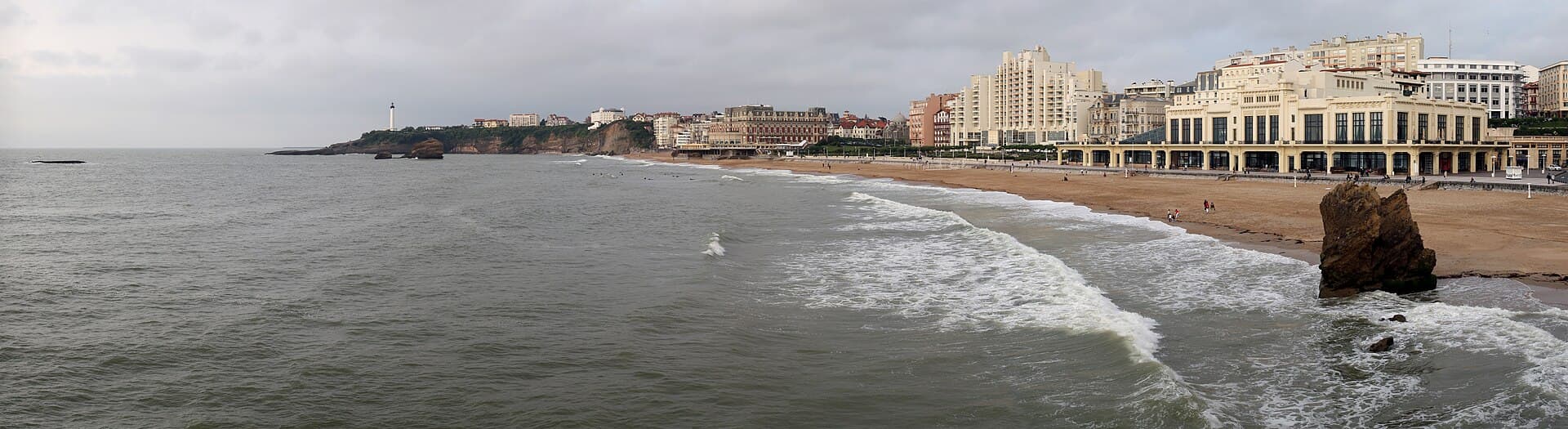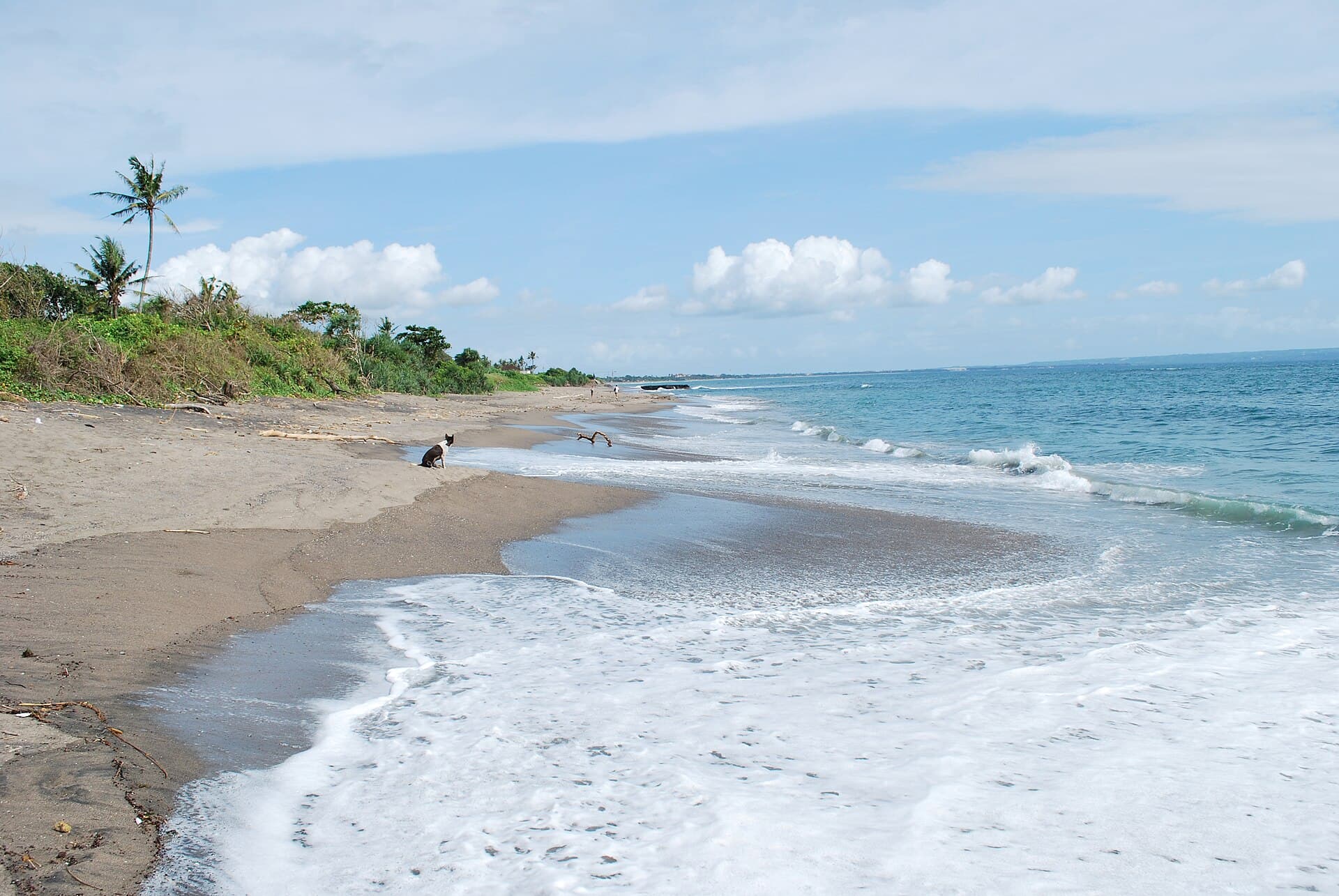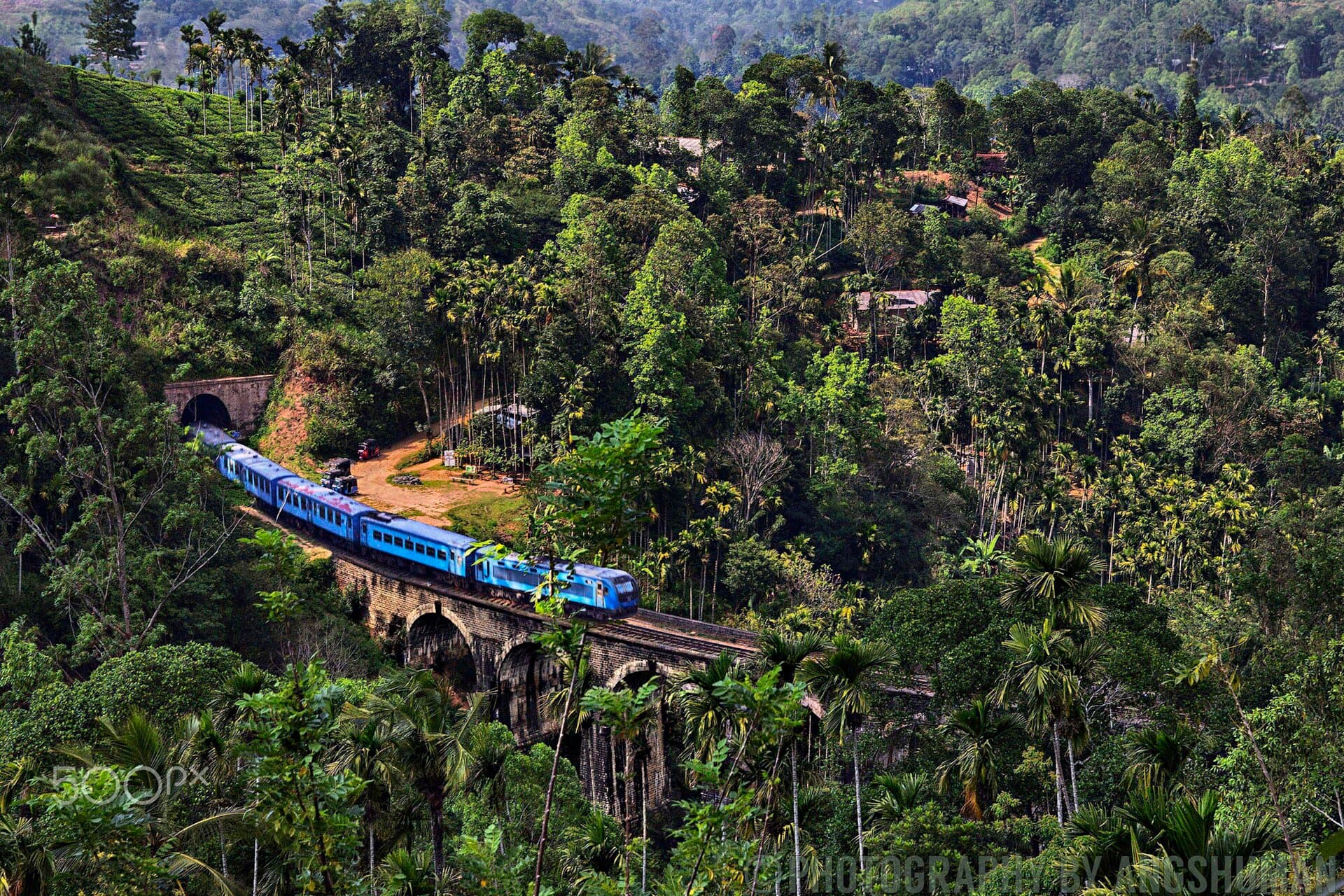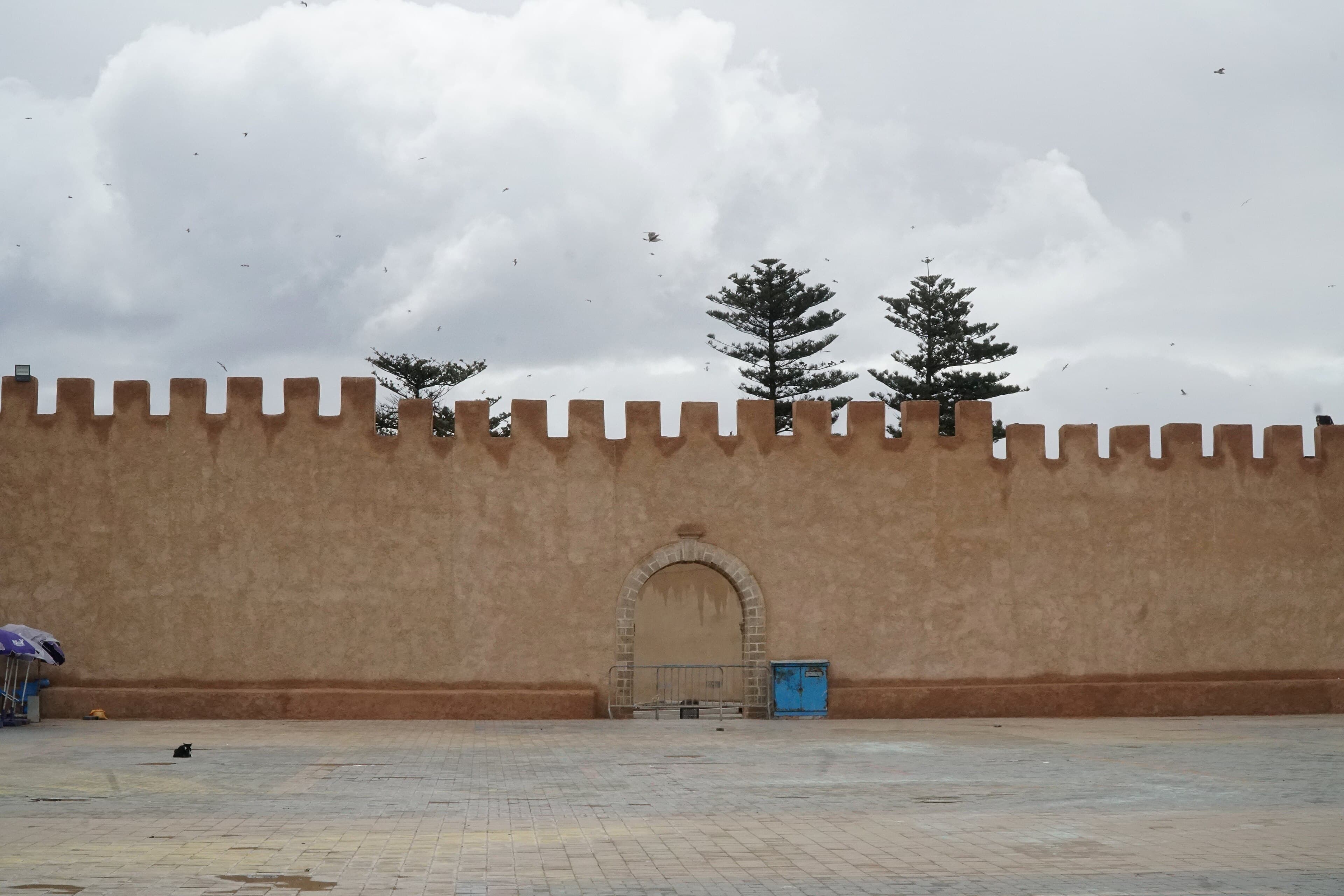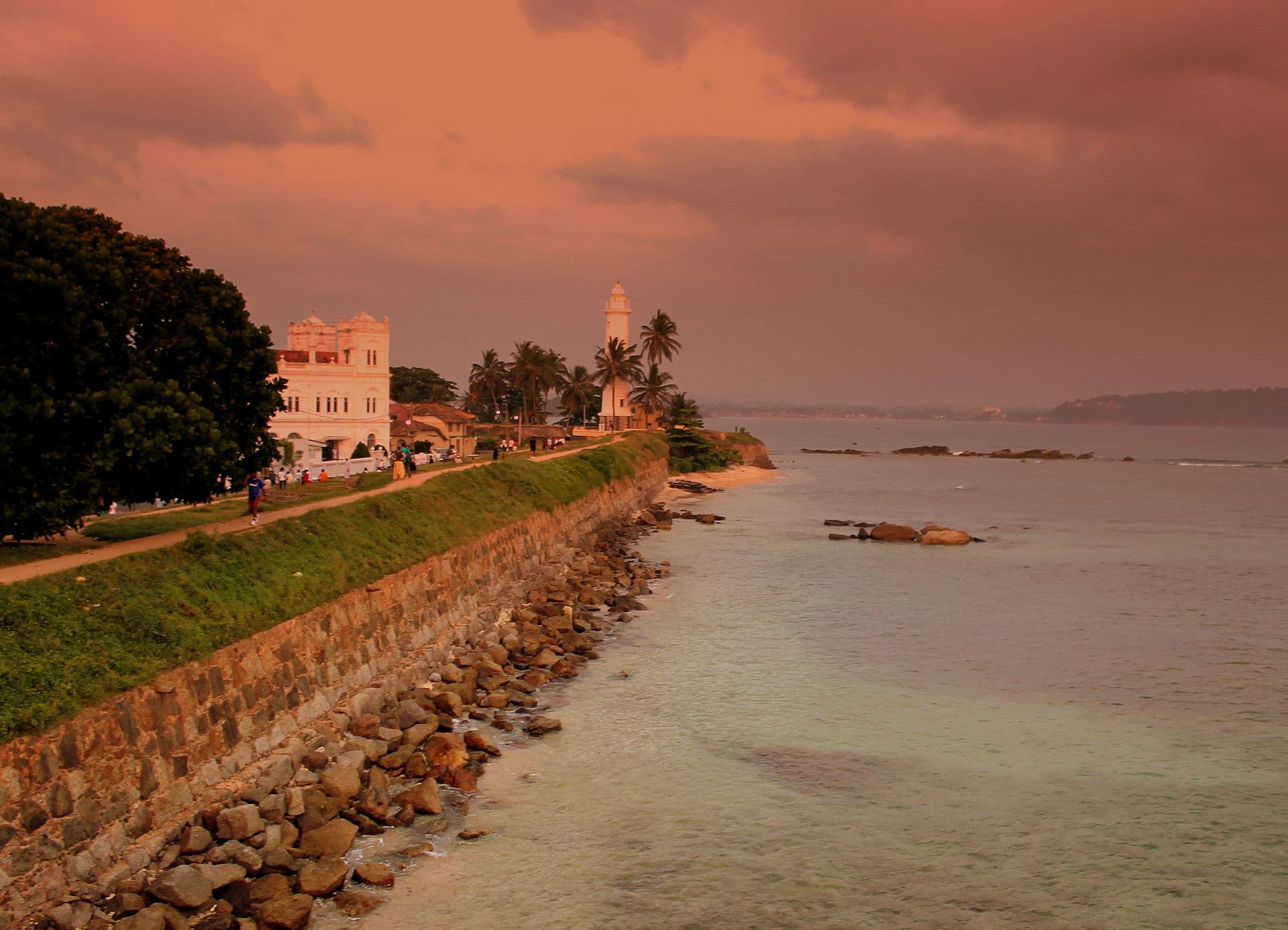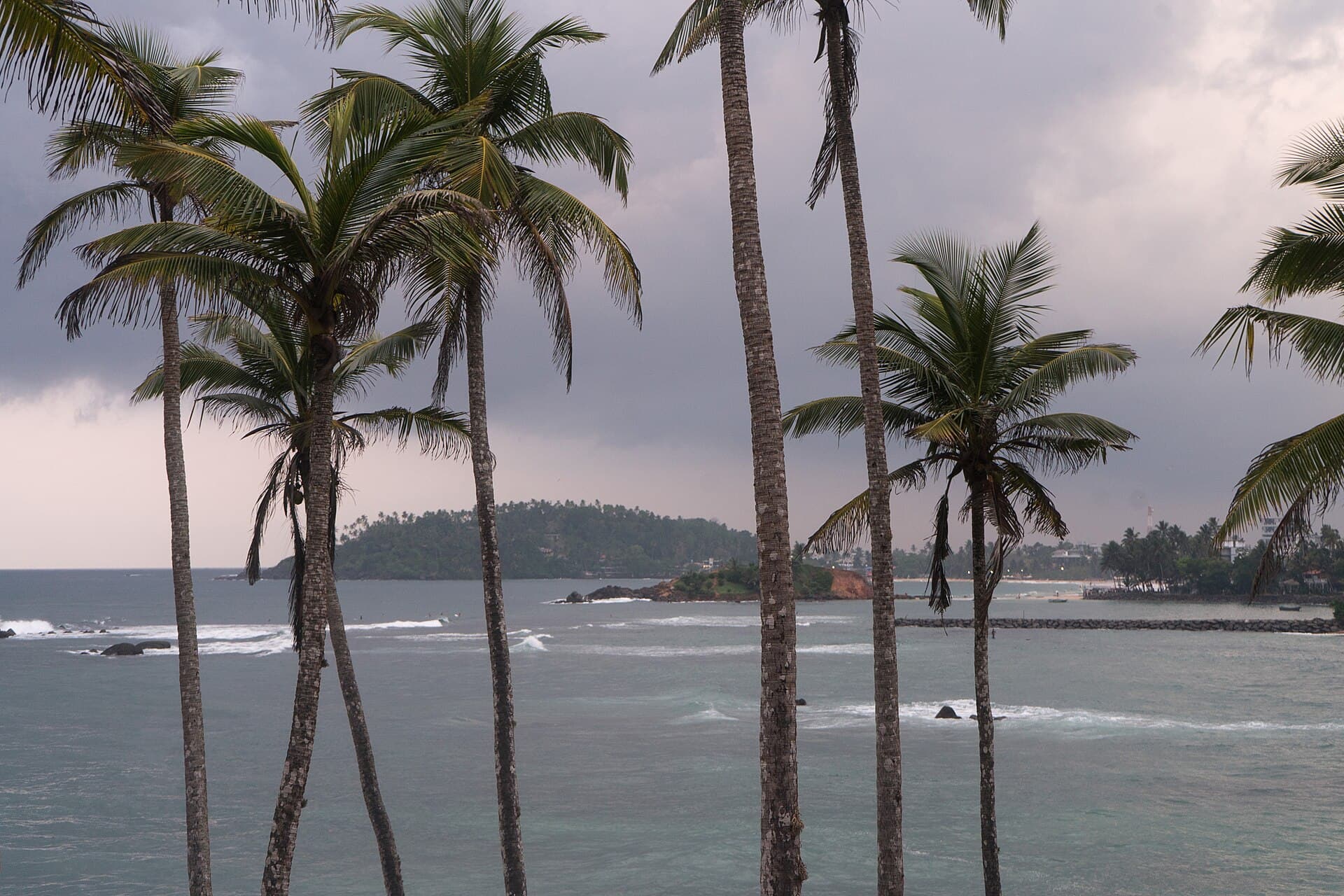

"Pic touristique haute saison, mer calme sud."
Expert on Mirissa · 1 contributions
 South-East Asia Desk — Mowando·Editor
The best periods
The best time to visit Mirissa is décembre à avril (saison sèche + baleines bleues). The most recommended months are Février, Mars, Avril, Juin, Juillet, Août.
Saison sèche — saison idéale pour les baleines
- ✅Saison des baleines bleues : décembre à mars, taux de succès 90 %+
- ✅Mer calme, baignade et snorkeling parfaits, surf débutants en conditions optimales
- ✅Couchers de soleil spectaculaires depuis Coconut Tree Hill
- ❌Haute saison touristique : plage et restaurants saturés, tarifs majorés 40-60 %
- ❌Bateaux d'observation des baleines parfois bondés (20-30 personnes par bateau)
- ❌Réservation indispensable 1-2 mois à l'avance pour les meilleurs lodges
Avril — fin de saison baleines
- ✅Dernière chance pour les baleines avant la mousson (taux de succès encore 70-80 %)
- ✅Foule en baisse après mi-avril, ambiance plus tranquille
- ✅Festivités du Nouvel An cinghalais (13-14 avril)
- ❌Chaleur étouffante (32-35 °C), humidité montante
- ❌Premières averses de mousson dès mi-avril
- ❌Mer parfois agitée par les fronts précurseurs
Mousson sud-ouest — saison fermée
- ✅Tarifs hôteliers en chute libre (60-70 % de baisse)
- ✅Plages quasi-désertes, ambiance authentique
- ✅Possibilité de combiner avec la côte est (Trincomalee, Arugam Bay) en saison sèche
- ❌Observation des baleines impossible : les baleines migrent vers la côte est
- ❌Mer dangereuse : courants, vagues fortes, baignade déconseillée
- ❌Pluies torrentielles fréquentes, beaucoup de restaurants et activités fermés
Inter-mousson — basse saison
- ✅Saison la plus calme, hôtels disponibles à la dernière minute
- ✅Quelques bateaux de baleines reprennent fin novembre
- ❌Pluies fréquentes et orages tropicaux quotidiens
- ❌Mer encore agitée, baignade déconseillée jusqu'à mi-novembre
- ❌Baleines très peu observées avant mi-décembre
Month-by-month climate
Temperatures, rainfall and sunshine in Mirissa across the 12 months.
| Jan | Fév | Mar | Avr | Mai | Juin | Jui | Aoû | Sep | Oct | Nov | Déc | |
|---|---|---|---|---|---|---|---|---|---|---|---|---|
| Min | 23° | 23° | 24° | 25° | 25° | 25° | 25° | 25° | 25° | 24° | 23° | 23° |
| Max | 30° | 31° | 31° | 31° | 30° | 29° | 29° | 29° | 29° | 29° | 29° | 29° |
| Mer | — | — | — | — | — | — | — | — | — | — | — | — |
| Pluie | 149mm | 85mm | 107mm | 149mm | 302mm | 167mm | 186mm | 181mm | 255mm | 255mm | 363mm | 211mm |
| Soleil/j | 10h | 11h | 10.6h | 10.8h | 9.1h | 10.4h | 9.7h | 10.1h | 9.2h | 8.9h | 8.7h | 9.2h |
Tourist crowds
Monthly attendance levels (0 = empty, 100 = saturated).
Frequently asked questions
When can I see blue whales at Mirissa?+
How much does a whale watching trip cost?+
When is the best time to visit Mirissa?+
Where should I stay in Mirissa?+
Do I need to worry about seasickness on whale trips?+
What else is there to do in Mirissa apart from whale watching?+
How do I get to Mirissa from Galle or Colombo?+
Our verdict
Mirissa is a non-negotiable stop on Sri Lanka's south coast, particularly between December and April for blue whale watching. The combo of beach + whales + Coconut Tree Hill + seafront restaurants makes it one of the most complete beach destinations in the country. Our advice: plan 3 nights — day 1 arrival and relaxation, day 2 whale watching at dawn (depart 6 am, return 11 am) + afternoon rest + sunset at Coconut Tree Hill, day 3 surf at Weligama or excursion to Hiriketiya Beach. Choose a responsible whale operator (Raja and the Whales, Mirissa Water Sports — avoid the cheapest ones that approach too close). Absolutely avoid monsoon (May-November): whales absent, sea dangerous, many restaurants closed.