The Balearic Islands are best approached differently depending on which island you choose — and that's precisely what makes this one of the Mediterranean's most interesting archipelagos. It is not a monolithic destination but four distinct island personalities, each with its own clientele, landscapes, pace and ideal season.
For a first visit, Mallorca offers the most complete experience: Palma and its Gothic cathedral La Seu, the UNESCO-listed Serra de Tramuntana, the calas of the south and east, and hotel and restaurant infrastructure among the best in Spain. It's the island that surprises most those who approach it with preconceptions of a mass-market destination.
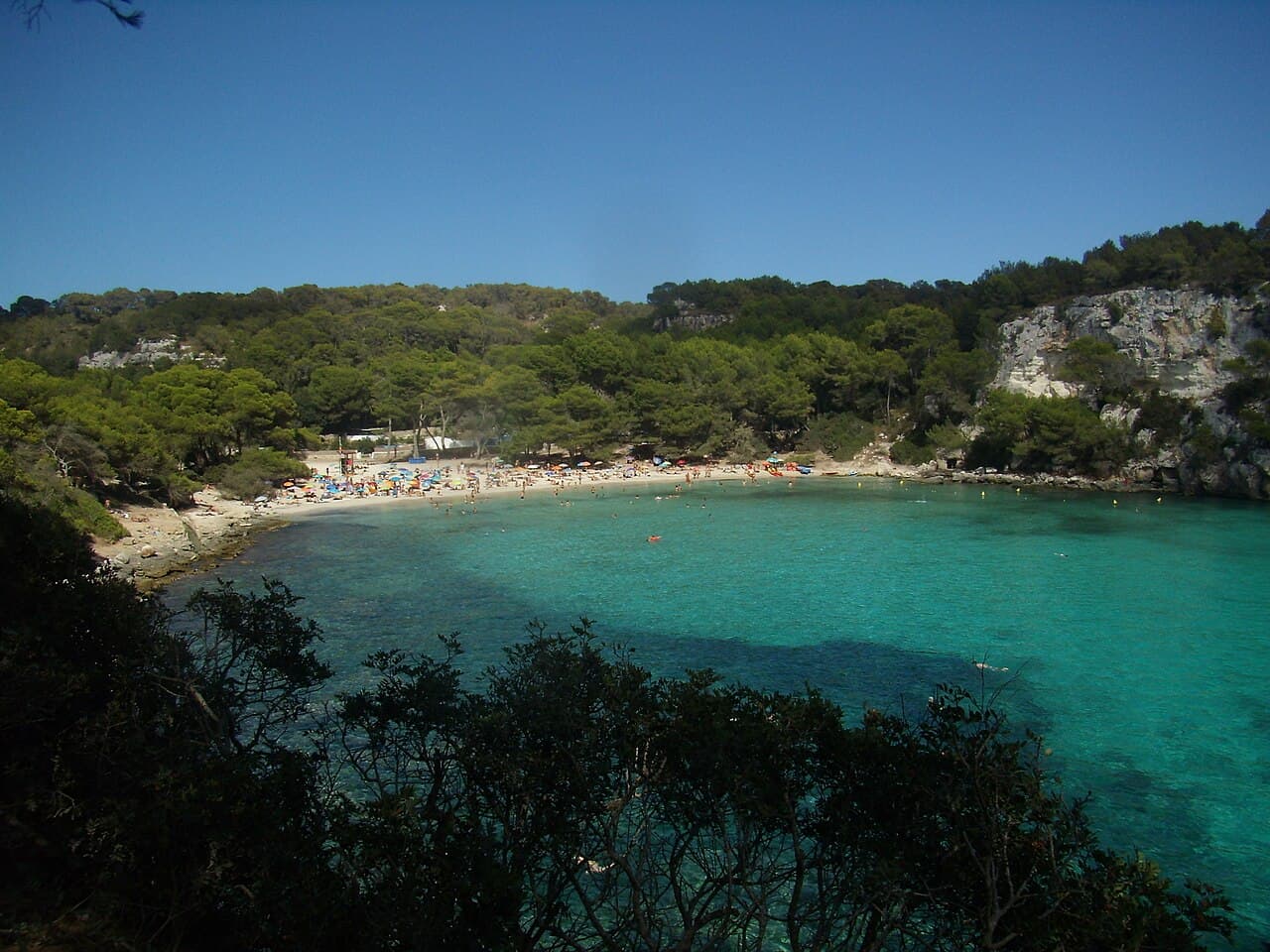
Menorca is made for those who prioritise nature and quiet: a biosphere reserve since 1993, its coastline is among the least degraded in the Mediterranean. The southern calas (Macarella, Turqueta, Pregonda) usually require a 20 to 45-minute walk from the controlled parking areas — a natural filter that guarantees preserved beaches even in high summer.
Ibiza and Formentera work well as a combined itinerary: four to five days on Ibiza (old town, northern coves, the sunset in front of Es Vedrà, and yes, a night out if you want one) then two to three days on Formentera for its extraordinarily clear water and posidonia dunes.
Read also
- Palma de Mallorca, capital of the Balearics — La Seu cathedral, Almudaina Palace, the old town and island gastronomy.
- Spain — Complete guide: visa, budget, regions to explore and best time to visit.
- Catalonia — Barcelona, the Costa Brava and the Pyrenees — the neighbouring mainland region.
- Andalusia — Seville, Granada, Córdoba and the beaches of the Costa del Sol.