Central America & Caribbean
Saint Martin
The 37-beach island, shared between France (Marigot, Grand-Case, Orient Bay) and the Netherlands (Philipsburg, Maho Beach) with no border — a West Indian concentrate with renowned Creole gastronomy, turquoise lagoons and a unique Franco-Anglo-Dutch culture.
- Capital
- Marigot
- Currency
- Euro (EUR)
- Languages
- Français, Anglais, Créole saint-martinois
- Budget
- Mid-to-upper range — from €130/day/person; budget travel from €80-100, comfort from €180-250
Saint Martin at a glance
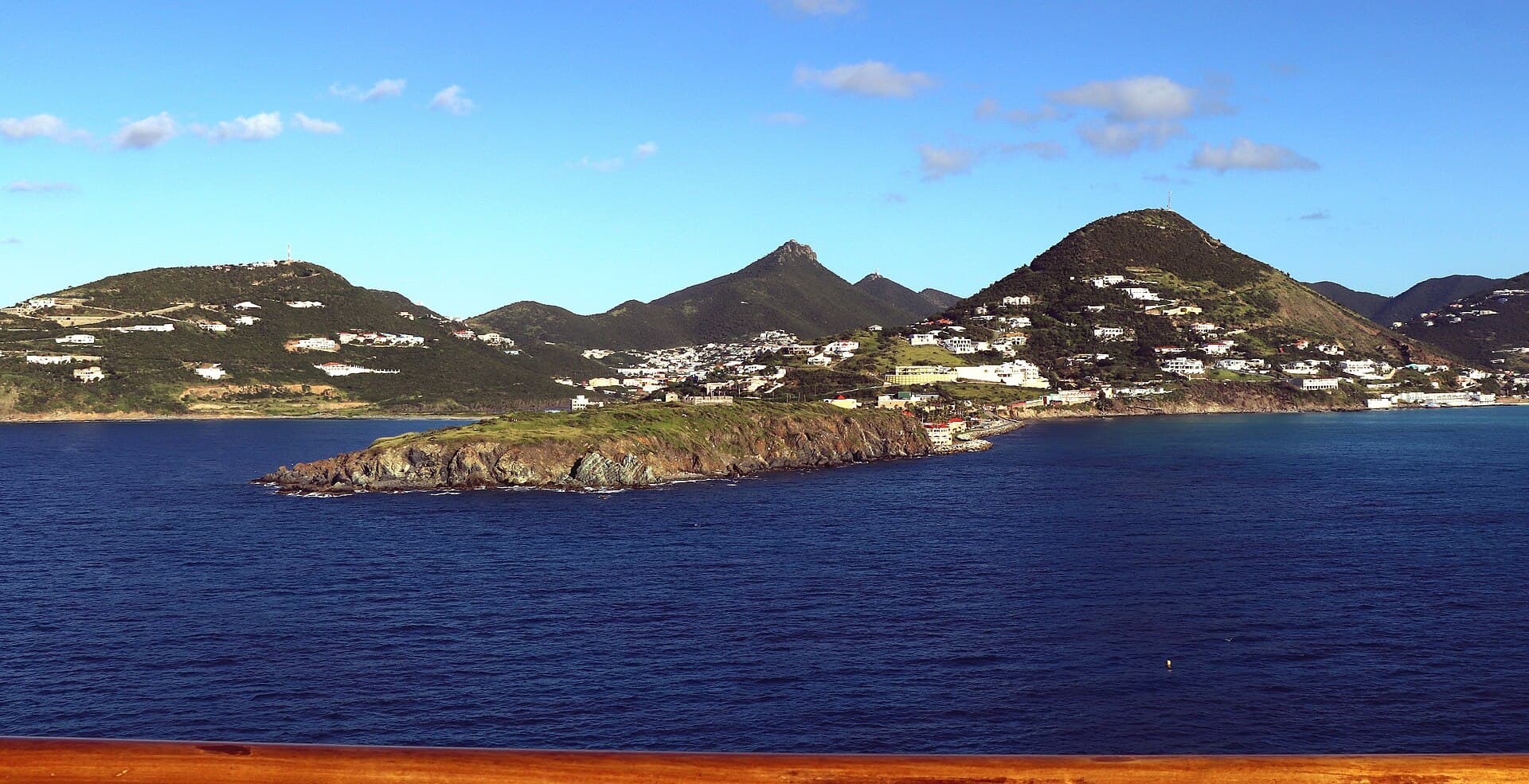
Saint Martin is a French overseas collectivity (COM) in the northern Lesser Antilles, midway between Guadeloupe (250 km south) and Puerto Rico (300 km west). It is one of the smallest inhabited islands in the world to be politically divided: the northern part (53 km²) is French since the 1648 Treaty of Concordia, the southern part (34 km²) belongs to the Kingdom of the Netherlands under the name Sint Maarten. No physical border separates the two entities — you move freely, without control or formality, between French Marigot and Dutch Philipsburg.
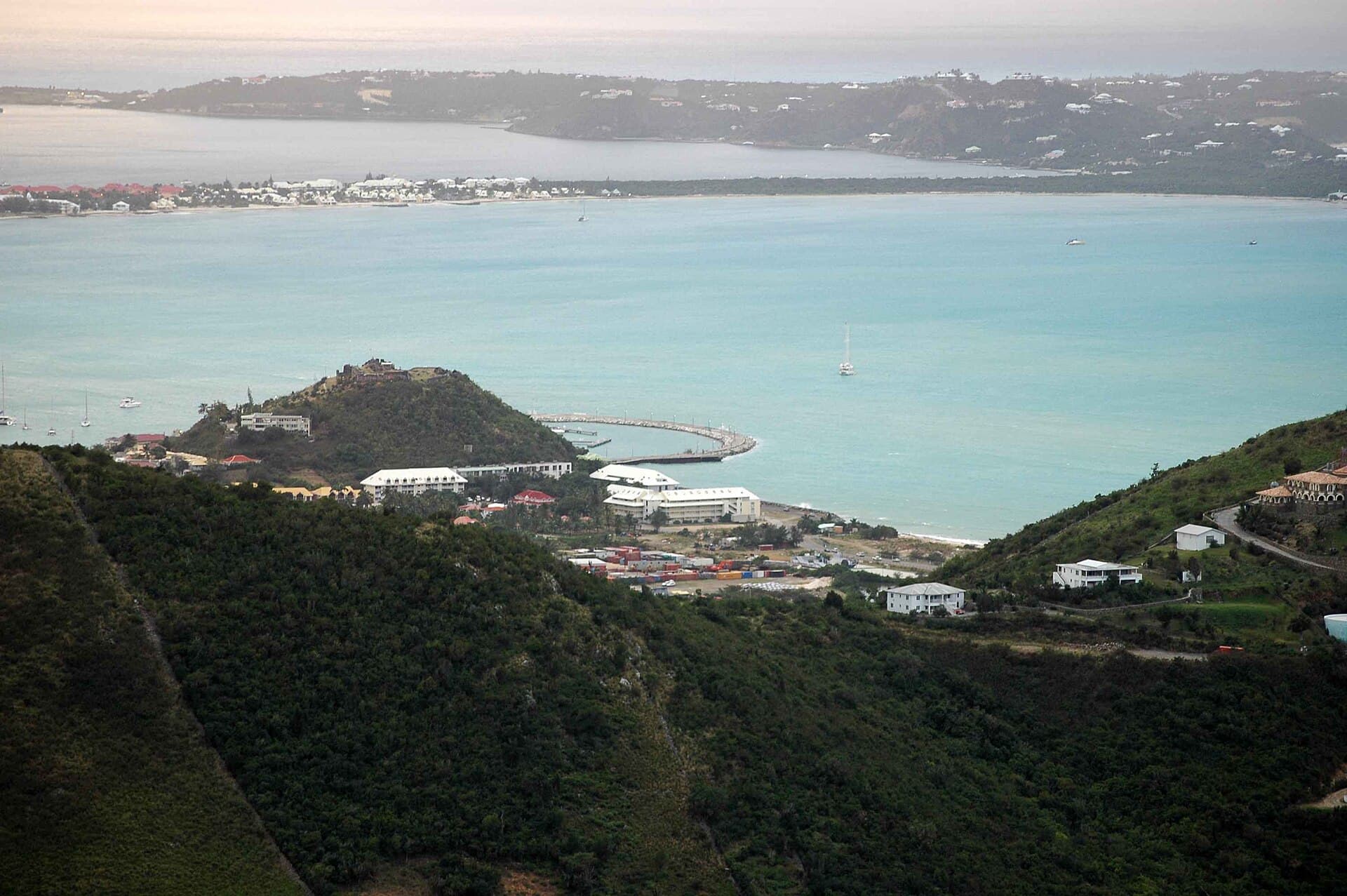
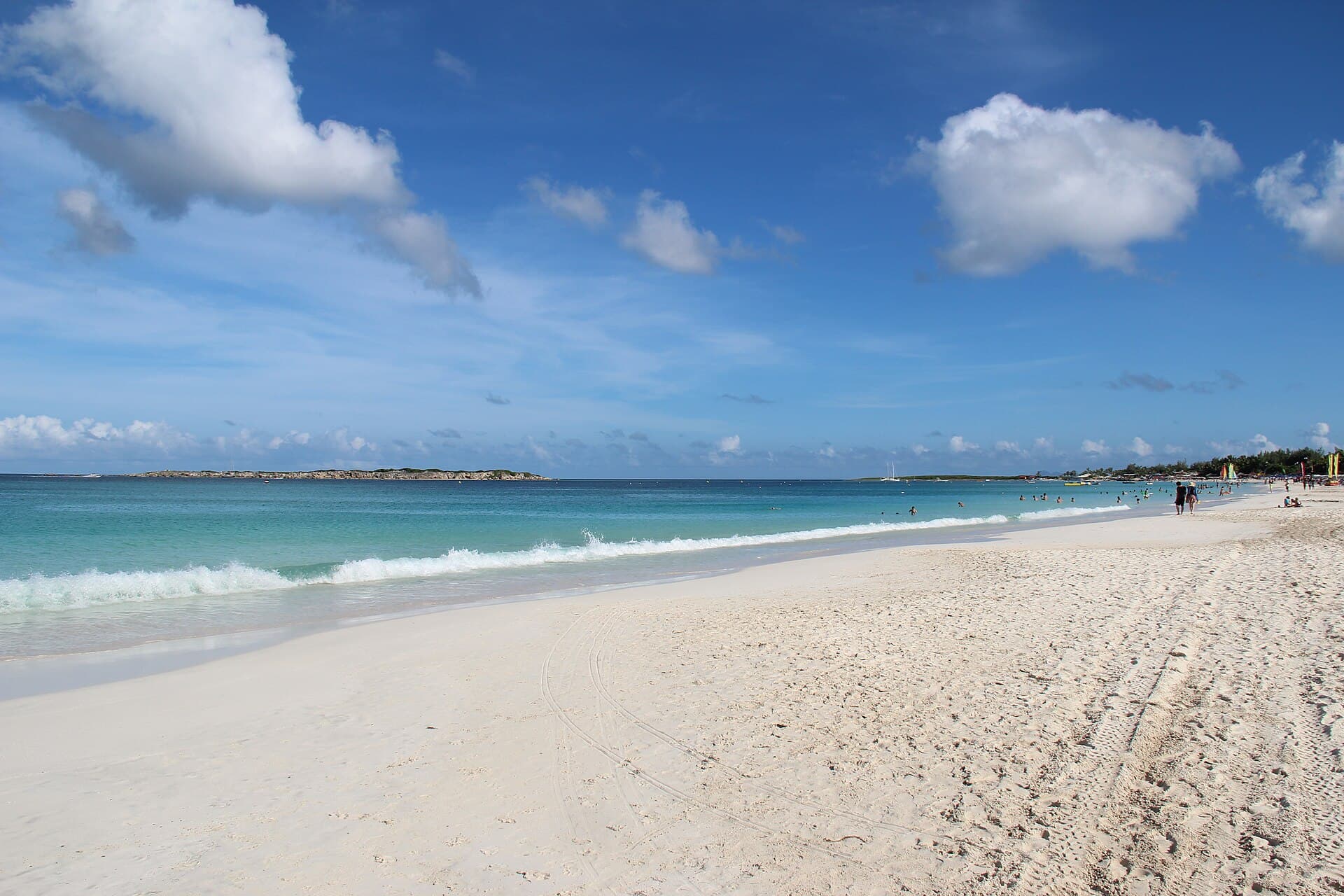
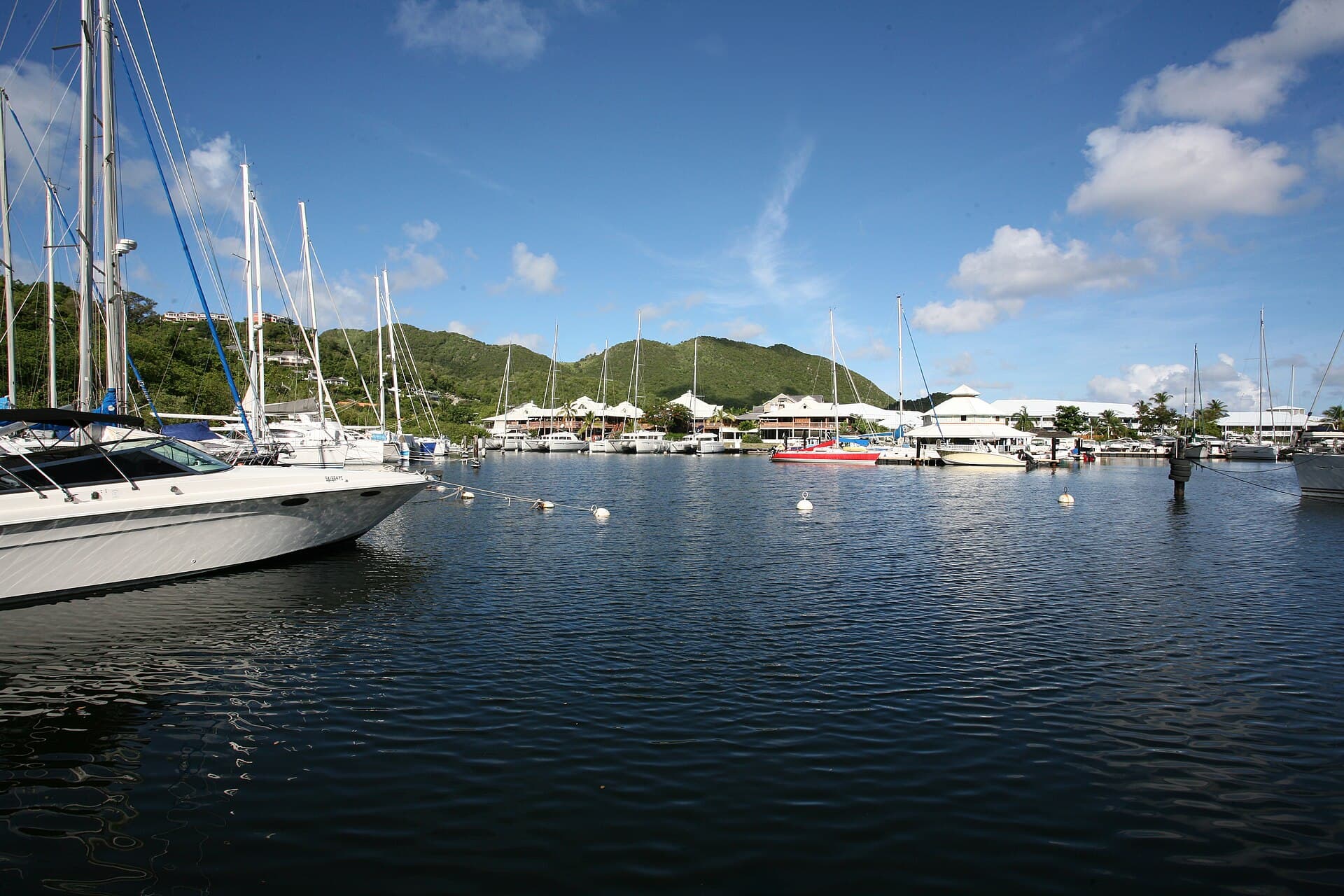
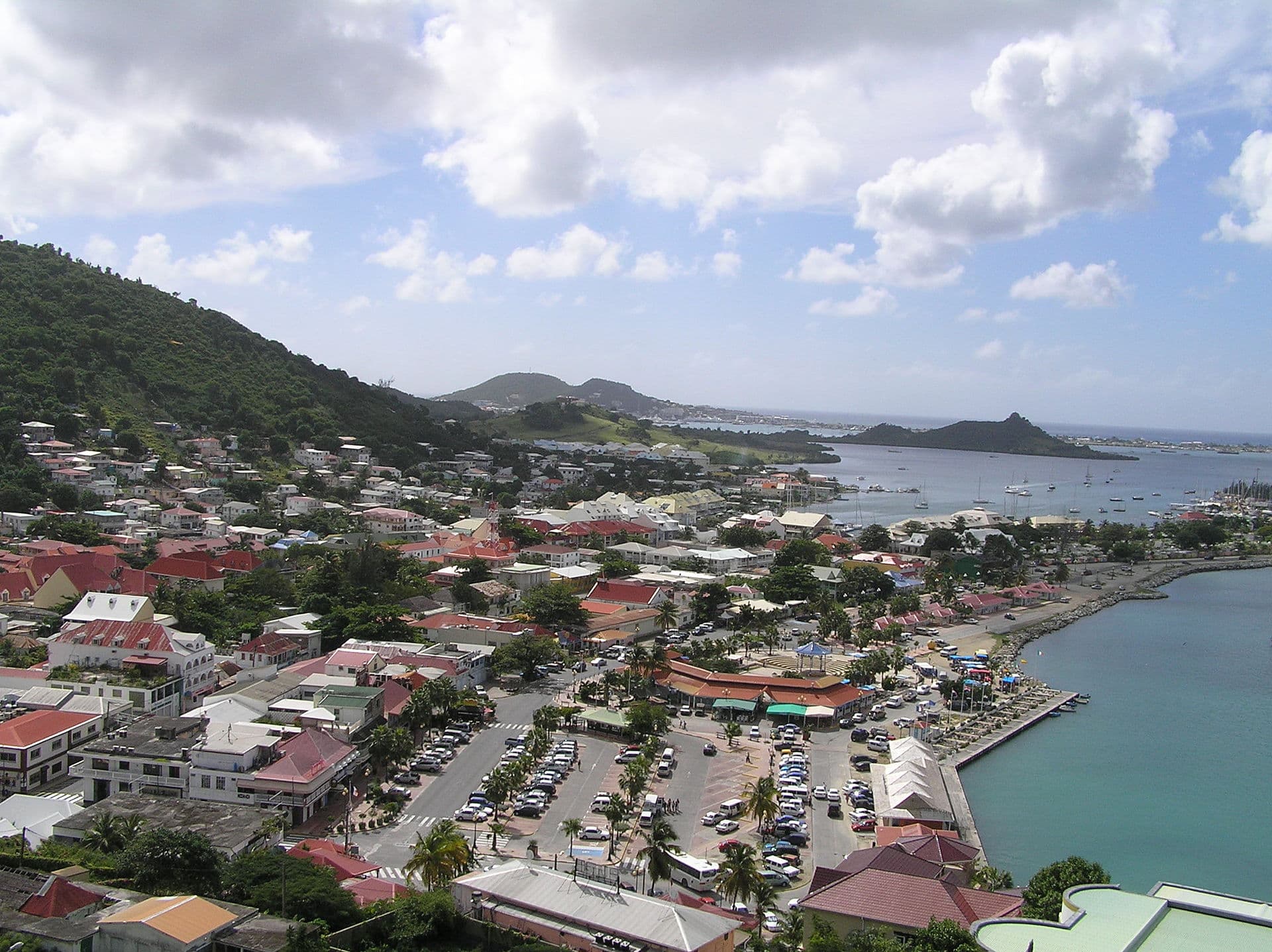
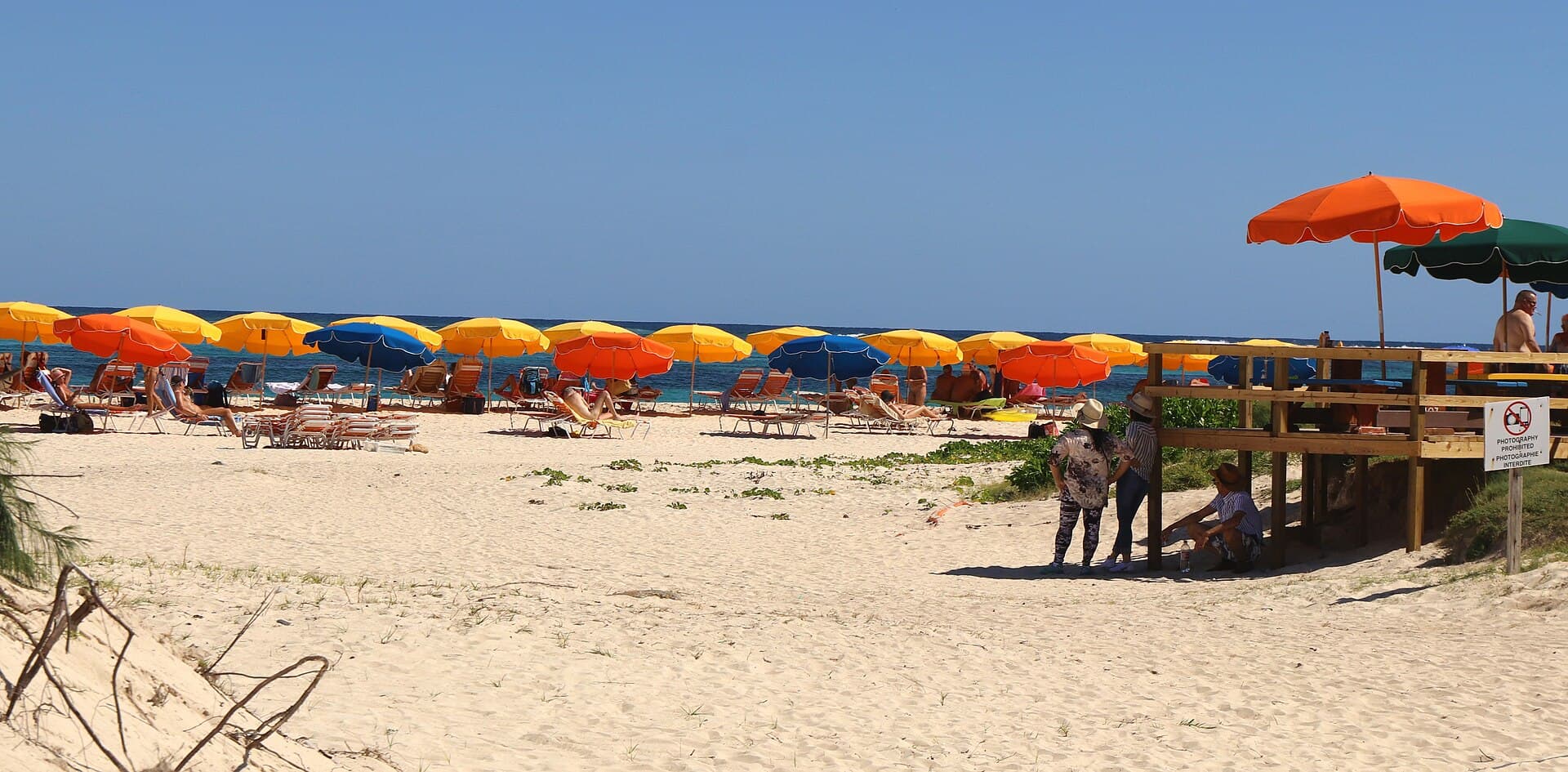
The French part has Marigot as its capital, a charming little colonial town with blue-and-white Creole houses, overlooked by Fort Saint-Louis (1789). It's the administrative heart and the mooring port for yachts. 15 minutes to the north, Grand-Case has become the gastronomic capital of the French Antilles, with its single street lined with more than 30 restaurants, from family Creole lolos (smoked chicken, ribs grilled over wood fire) to Michelin-starred fine dining. On the east coast, Orient Bay — nicknamed the 'Saint-Tropez of the Antilles' — unrolls its golden sand beach over 2 km, its colourful lolos, water sports and legendary naturist end (Club Orient). Anse Marcel, to the north-east, is a more confidential protected bay, a luxury base with marina and high-end hotels.
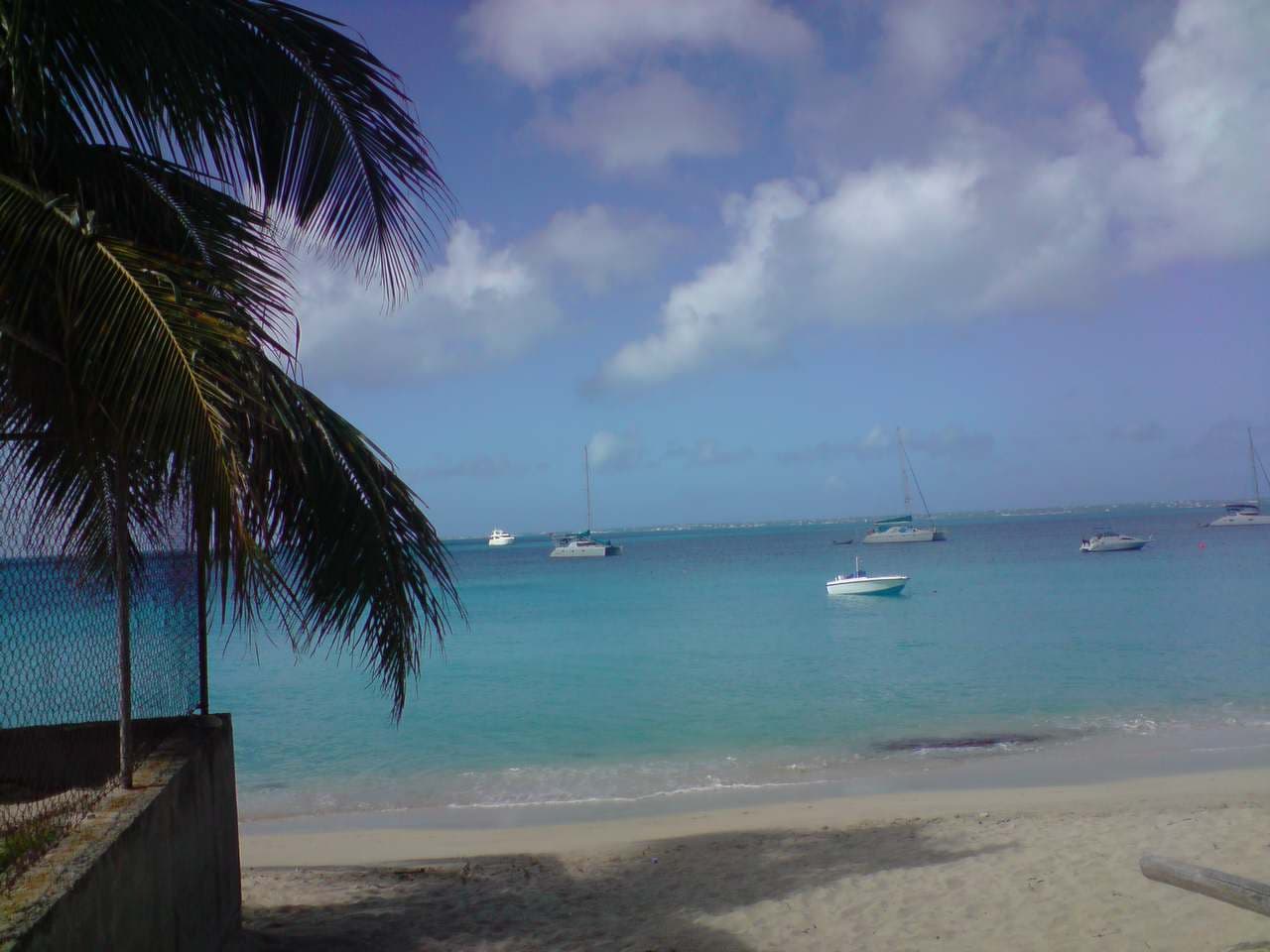
The island is known for its 37 beaches (across both parts combined) — a record in the Caribbean for such a small territory. Each beach has its character: Baie Rouge (wild, cliffs), Friar's Bay (family-friendly), Happy Bay (deserted, trail access), Le Galion (shallow, ideal for children), Plum Bay (snorkelling), Pinel (islet accessible by boat). Saint Martin's cultural specificity lies in its Franco-Anglo-Dutch dimension: French is spoken on the Marigot side, English everywhere in commerce, Dutch in Philipsburg, and Saint Martin Creole (English-based) remains the language of the heart. It is also one of the rare Caribbean islands where the euro and the dollar circulate interchangeably — practical but disorienting. Note: the Princess Juliana International Airport (SXM), on the Dutch side, is world-famous for the spectacular approach of planes over Maho Beach, just metres above the bathers.
What we love
- ✅37 beaches over 87 km² — Caribbean record: Orient Bay, Baie Rouge, Pinel, Happy Bay, Plum Bay, Le Galion
- ✅Grand-Case, gastronomic capital of the French Antilles: more than 30 restaurants on a single street
- ✅Franco-Dutch island with no border: dual culture, dual currency (EUR and USD accepted everywhere)
- ✅French COM: no visa, no currency change, French law, Carte Vitale valid, EU roaming
- ✅Princess Juliana airport (SXM) 5 km from Marigot, well served from Paris, Amsterdam, Miami
What to know
- ❌Island highly exposed to hurricanes — Irma (2017) still in everyone's memory, reconstruction still visible in places
- ❌Paris-SXM flights expensive in peak season (€1,000-1,400 return in December-March)
- ❌High cost of living on island (imports + tourism), restaurants and hotels above Caribbean average
- ❌Car essential, traffic sometimes dense (especially Dutch side) and parking difficult in Marigot
- ❌Small island: one week is plenty, not suited for a long stay
Explore Saint Martin
Our itineraries
Regions
Popular spots
Situation
Où se situe Saint Martin ?
Ouvrir la carte en grand sur OpenStreetMap →Frequently asked questions
Do I need a visa for Saint Martin?+
When is the best time to visit Saint Martin?+
How much does a Saint Martin trip cost from Paris?+
What's the difference between the French and Dutch sides?+
Is Saint Martin still affected by Irma (2017)?+
Our verdict
Saint Martin is one of the jewels of the French Antilles — an 87 km² island that concentrates 37 beaches, an exceptional gastronomic scene (Grand-Case) and the unique experience of a dual Franco-Dutch sovereignty with no physical border. For French travellers, it's the chance for a 7-10 day beach-and-gastronomy stay within the comfortable framework of a French COM: no visa, no currency change, French law, Carte Vitale valid. The constraints exist — island highly exposed to hurricanes (Irma 2017 still haunts memories), expensive peak-season flights, high cost of living — but they don't spoil the magic of a destination that brings together Caribbean beaches, top-tier Creole cuisine and a unique Franco-Anglo-Dutch culture. Prioritise January to April for perfect weather, May for the best value for money, and base yourself on the French side (Grand-Case or Orient Bay) for the most authentic experience.

Expert on Saint Martin · 1 contributions
 Africa & Americas Desk — Mowando·Editor