ville
Nouméa
Nouméa is the largest French city in the South Pacific (180,000 inhabitants in Greater Nouméa), with its emblematic urban beaches (Anse Vata, Bay of Citrons), Renzo Piano's architectural masterpiece (Tjibaou Centre, 1998), and a unique French-Kanak-Asian métissage gastronomy.
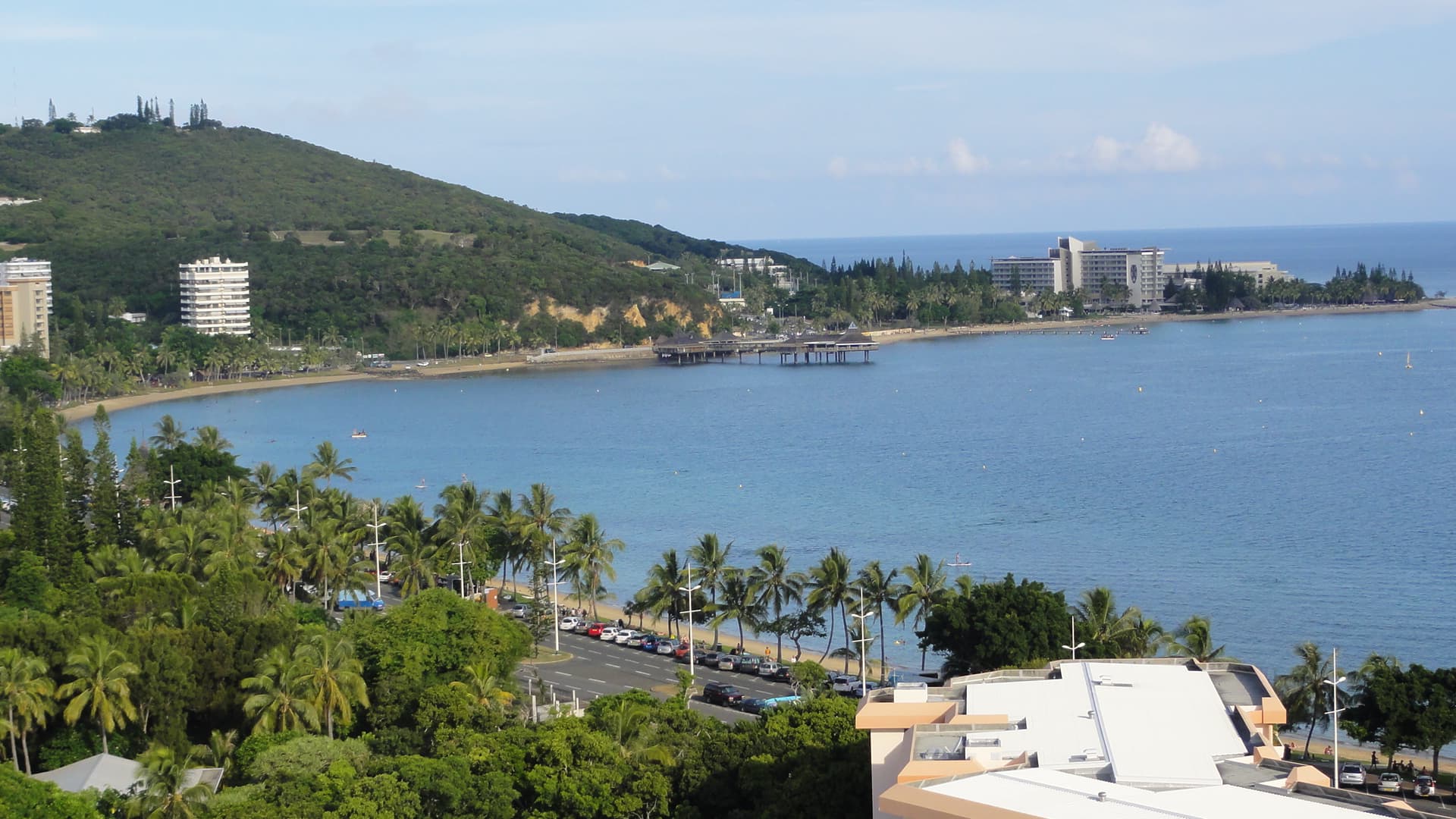
Nouméa is the capital of New Caledonia and the largest French city in the South Pacific, with around 100,000 inhabitants intra-muros and 180,000 in Greater Nouméa — close to a third of the territory's population. Located on the south-west tip of Grande Terre, in a peninsula ringed with bays and secondary peninsulas, Nouméa offers urban geography of miniature fjords and spectacular panoramas. The city is dominated to the south by Ouen Toro (132 m, urban park offering a 360° panorama on Nouméa bay, the UNESCO lagoon and Maître islet), and to the north by Mont Coffyn.
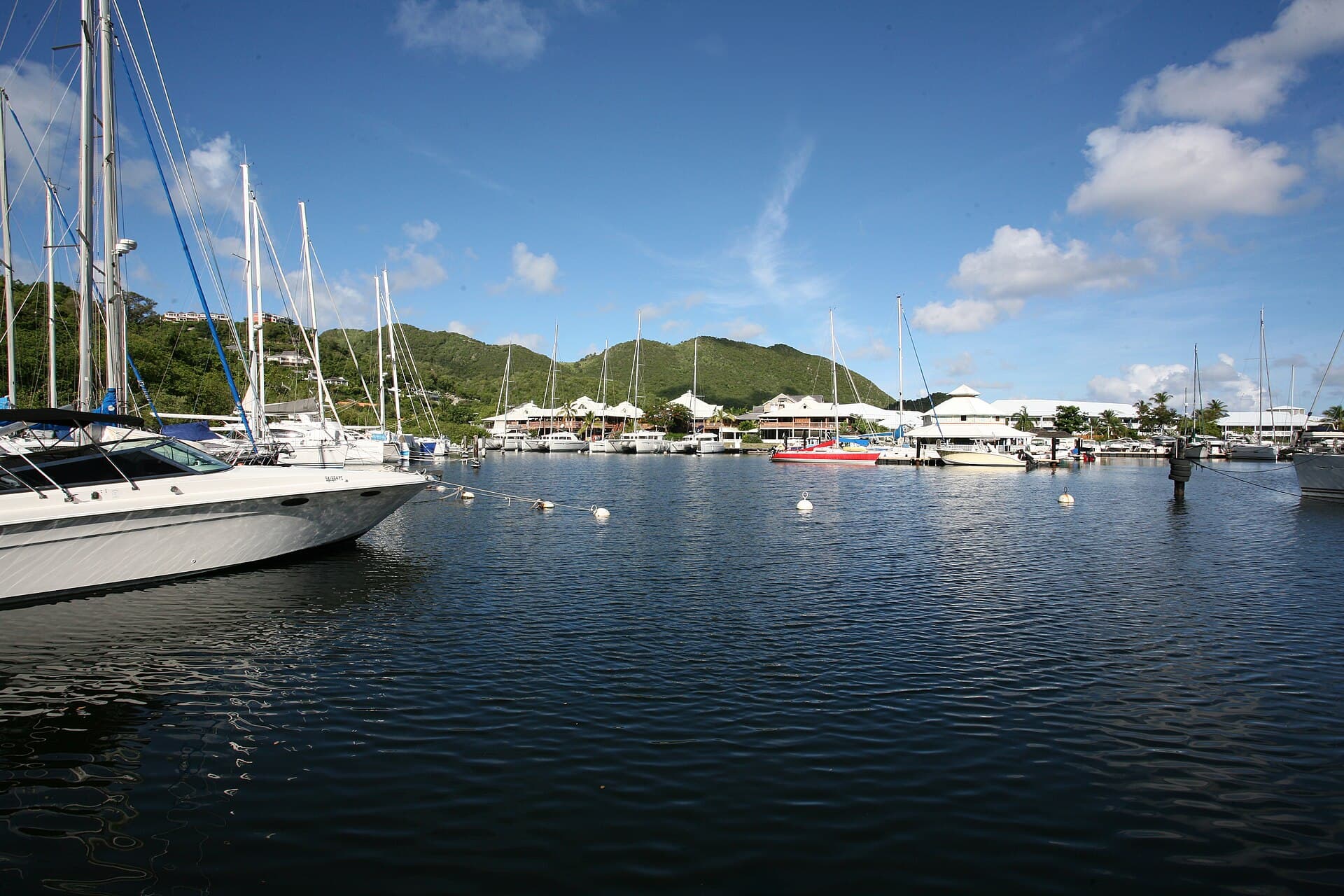
The old town organises around Place des Cocotiers — its historic heart since the 19th century, shaded by huge banyans and palms, animated by the Saturday morning market. All around, the centre unfolds its French colonial architecture: Saint-Joseph Cathedral (1888, tropical neo-Gothic), town hall, old trading houses. The Port Moselle marina and its adjacent municipal market (one of the most beautiful markets in the South Pacific, open every day except Monday) is one of the most authentic spots in the capital.
The urban beaches — unique in the South Pacific — are concentrated south of the city, on the Anse Vata peninsula: the Anse Vata beach (1.5 km of white sand, seafront restaurants, the tourist epicentre and main high-end hotel zone), the Bay of Citrons (protected lagoon ideal for family swimming), the Kuendu Beach (Nouville peninsula). These beaches allow swimming in the UNESCO lagoon directly from the city.
The contemporary cultural emblem of Nouméa is without contest the Tjibaou Cultural Centre, opened in 1998 and designed by Italian architect Renzo Piano (Pritzker Prize laureate). Located on the Tina peninsula 10 km from the centre, the complex includes 10 large 'cases' in iroko wood inspired by traditional Kanak architecture, housing permanent and temporary exhibitions on contemporary Kanak art and culture. A tribute to Jean-Marie Tjibaou, Kanak independence leader assassinated in 1989.
What we love
- ✅Mandatory gateway to New Caledonia (La Tontouta International Airport)
- ✅Anse Vata and Bay of Citrons: unique urban beaches in the French South Pacific
- ✅Tjibaou Cultural Centre (Renzo Piano 1998): architectural and cultural masterpiece
- ✅Port Moselle market: one of the most beautiful markets in the South Pacific
- ✅Unique French-Kanak-Vietnamese-Indonesian métissage gastronomy
What to know
- ❌More urban and less photogenic than the islands (Pines, Loyalty)
- ❌Traffic jams at rush hours (morning, evening)
- ❌Some peripheral neighbourhoods to avoid at night (post-May 2024 riots)
- ❌Quiet nightlife past 10 pm, little entertainment for young travellers
Situation
Où se situe Nouméa ?
Ouvrir la carte en grand sur OpenStreetMap →Frequently asked questions
Combien de jours faut-il prévoir à Nouméa ?+
Que voir au Centre culturel Tjibaou ?+
Que voir au marché de Port Moselle ?+
Quels sont les meilleurs hôtels de Nouméa ?+
Quelles excursions faire depuis Nouméa ?+
Our verdict
Nouméa is not the signature destination of New Caledonia — that title belongs to the Isle of Pines or the Loyalty Islands. But it is the unavoidable gateway and a stay of 2 to 3 nights deserves to be planned: Tjibaou Centre (Renzo Piano masterpiece, 3-4 h visit), Port Moselle market early in the morning, Anse Vata and Bay of Citrons (urban beaches for acclimatisation), Amédée islet excursion (emblematic lagoon lighthouse). Prioritise the dry season (May-November, ideally September-November). Stay at Anse Vata (Méridien, Château Royal, Hilton) or Bay of Citrons (Le Stanley, La Promenade) rather than central Nouméa. Avoid peripheral northern neighbourhoods at night following the post-2024 riots situation.
Nearby

"Été austral chaud-humide, risque cyclonique."
Expert on Nouméa · 1 contributions
 South-East Asia Desk — Mowando·Editor