Region
North Island
The North Island concentrates three-quarters of New Zealand's population and the heart of living Māori culture: Auckland, Wellington, Rotorua and its geysers, Hobbiton and the Lord of the Rings landscapes, and the Tongariro Alpine Crossing — one of the world's best single-day treks.
The North Island (Te Ika-a-Māui in Māori, 'the fish of Māui') is the most populated of New Zealand's two main islands — it holds around 3.9 of the country's 5.2 million inhabitants, three-quarters of the population. With 113,729 km² (the equivalent of England + Wales), it stretches 800 km north to south, from Cape Reinga (northern tip, Māori spiritual site) to the Cook Strait that separates it from the South Island.
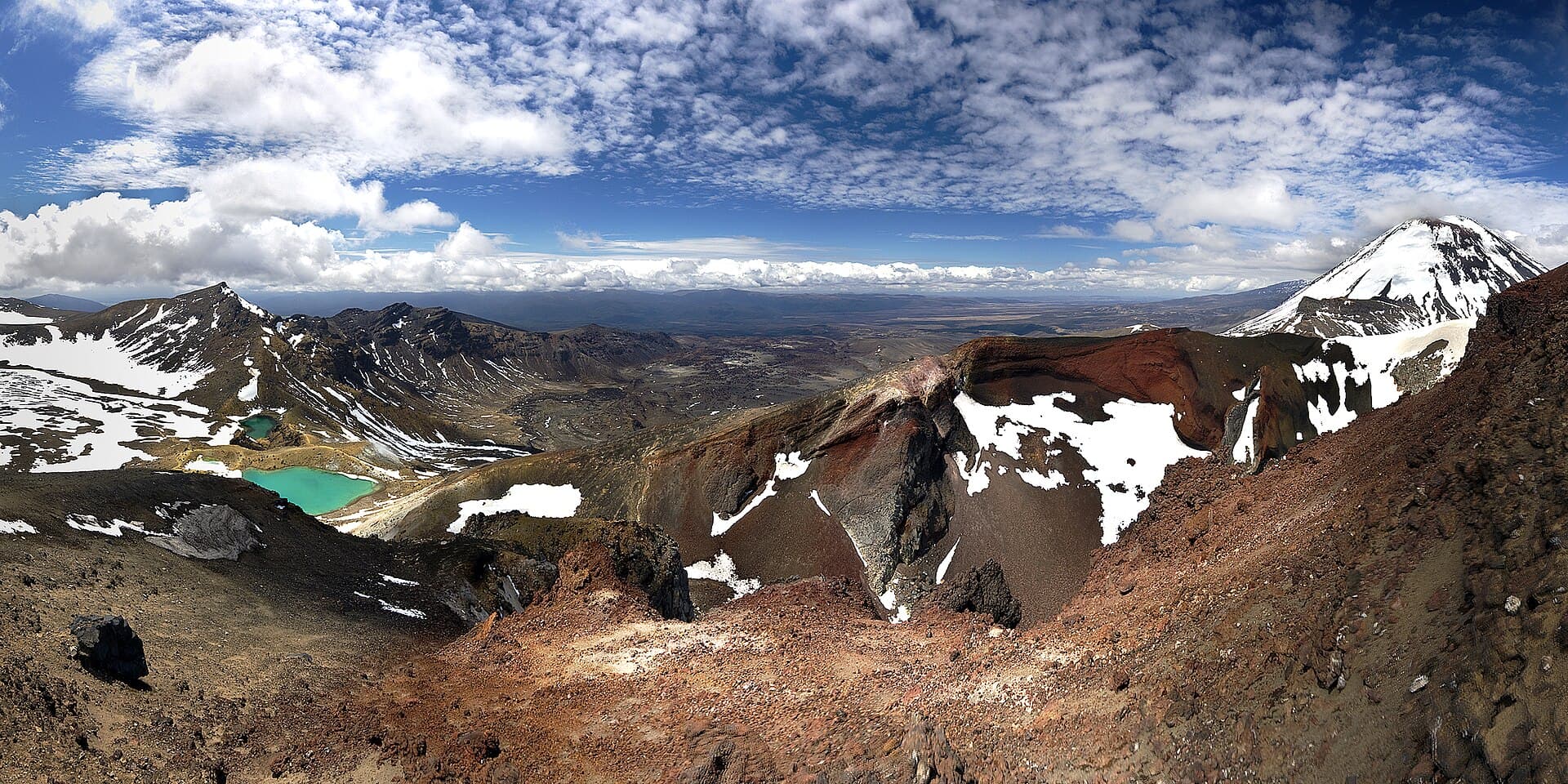
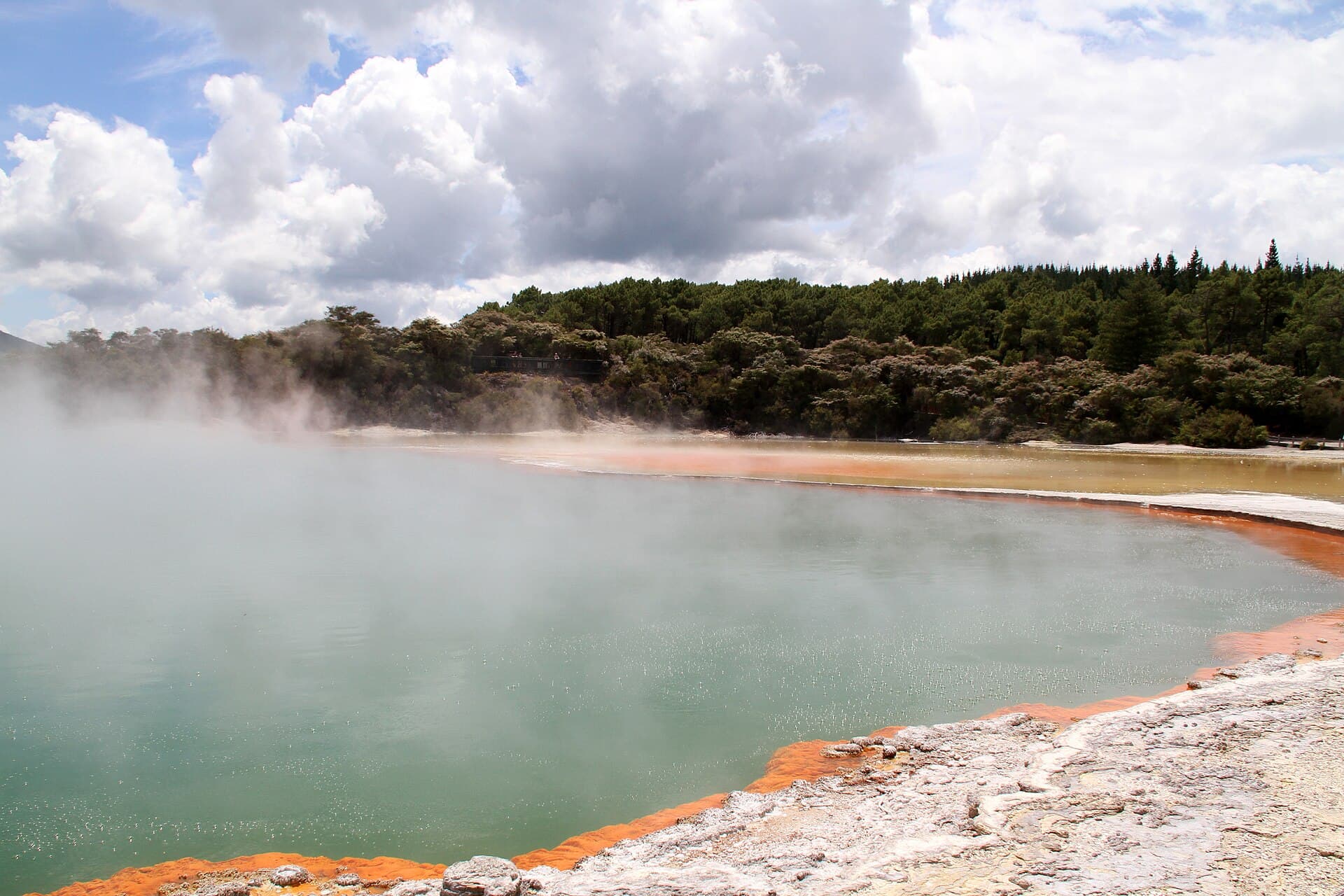
Geographically, the North Island stands out for its exceptional geothermal activity — it is crossed by the Taupo Volcanic Zone (TVZ), one of the most volcanically active regions in the world. This gives the island its unique landscapes: Rotorua and its geysers, hot springs and mud baths; Tongariro National Park (New Zealand's first national park, double UNESCO listing for natural and cultural heritage) with its three active volcanoes Tongariro (1,967 m), Ngauruhoe (2,287 m, the Mount Doom of The Lord of the Rings) and Ruapehu (2,797 m, the highest summit on the North Island, ski resort); Lake Taupo (616 km², the largest lake in New Zealand, ancient caldera); the White Cliffs and Mount Taranaki (2,518 m, a perfectly conical stratovolcano nicknamed the 'New Zealand Fuji').
The North Island is also the heart of living Māori culture — the iwi (tribes) here have historically been the most powerful, particularly in the Bay of Islands (Northland, signing site of the 1840 Treaty of Waitangi), at Rotorua (major Māori cultural centre, Te Puia, Whakarewarewa, cultural evenings with hāngi) and on the East Cape (Gisborne, Ngāti Porou). Marae (sacred community houses) punctuate the villages, particularly in the Northland and East Cape. It is here that the te reo Māori language is most widely spoken in daily life.
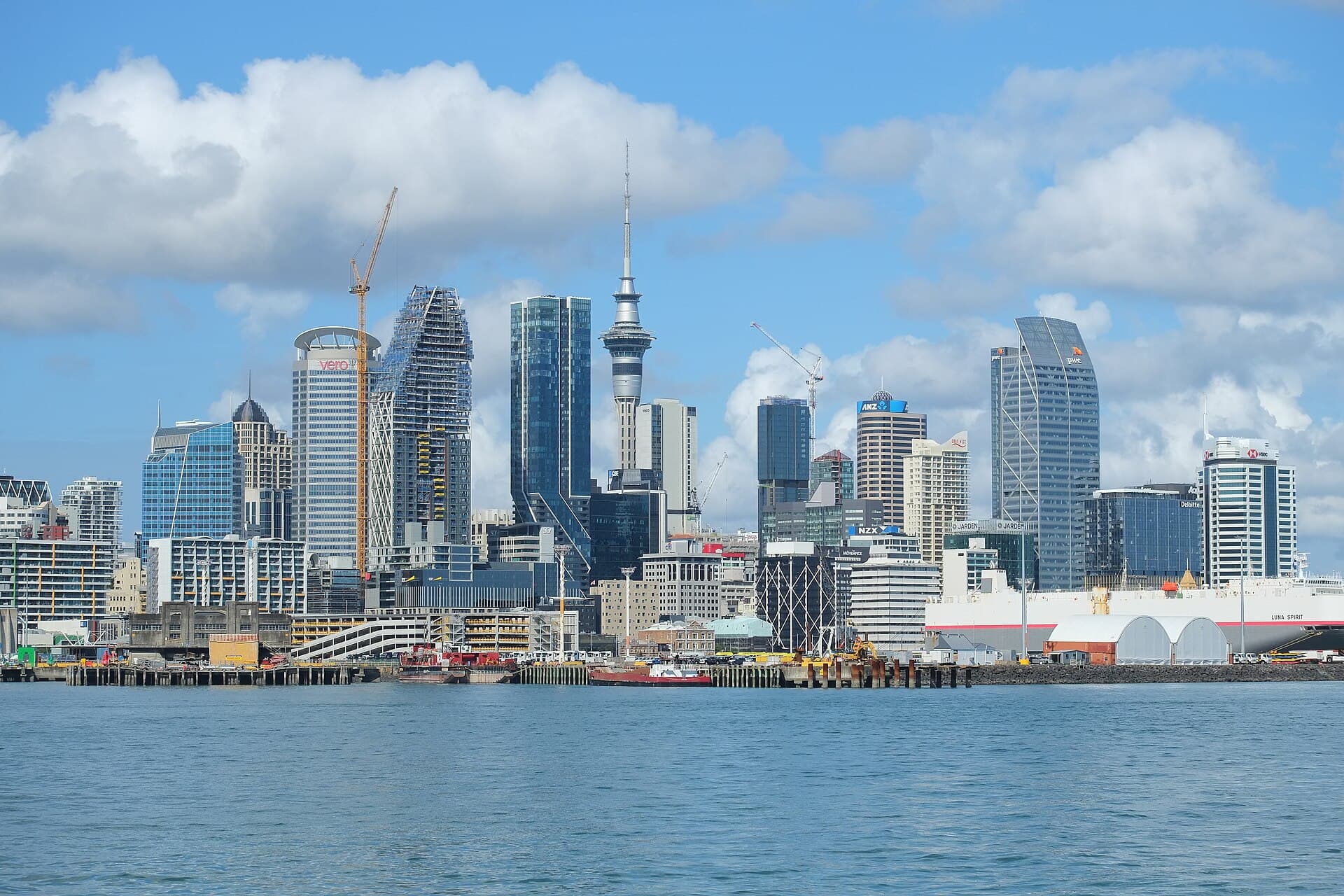
On the tourism side, the North Island concentrates the major cities and major cultural sites: Auckland (1.7 million inhabitants, the country's largest city, Skytower 328 m, Waiheke Island vineyards, ferries to Devonport and Rangitoto), Wellington (215,000 inhabitants, political and cultural capital, Te Papa Museum, Cuba Street, coffee and craft beer scene), Hamilton (4th city), Tauranga (fast-growing, Mount Maunganui). Iconic sites not to miss: Hobbiton at Matamata (the Hobbits' village from The Lord of the Rings, preserved intact, NZD 130 for the tour), Waitomo Caves (caves lit by thousands of glow worms), Cathedral Cove and Hot Water Beach on the Coromandel Peninsula, the Bay of Islands and its 144 islands (dolphin cruises, Hole in the Rock, historic Russell), Cape Reinga (Māori spiritual tip, where the souls of the deceased leave for ancestral Hawaiki).
Explore North Island
Spots in the region
Situation
Où se situe North Island ?
Ouvrir la carte en grand sur OpenStreetMap →Frequently asked questions
Combien de jours faut-il pour visiter l'île Nord ?+
Auckland ou Wellington : laquelle préférer ?+
Hobbiton vaut-elle vraiment la visite ?+
Comment fonctionne le Tongariro Alpine Crossing ?+
Faut-il visiter Bay of Islands ?+
Quand faut-il visiter Rotorua ?+
Comment se déplacer sur l'île Nord ?+
Our verdict
The North Island offers the cultural, urban and geothermal dimension of New Zealand — this is where you'll discover the living Māori culture (Rotorua, Bay of Islands, Te Papa), the world's unique geothermal sites (geysers, hot springs, Tongariro's emerald lakes) and the engaging cities (Auckland, Wellington). Plan a minimum of 6-7 days for an efficient route: 2 days Auckland, 2 days Rotorua with Hobbiton excursion + Māori cultural evening, 1 day Tongariro (alpine crossing if conditions allow), 2 days Wellington (Te Papa, ferry to Picton). In 10-12 days, add Bay of Islands in the north (2-3 days) and Coromandel Peninsula (2 days). Prioritise austral summer (December-March) for Great Walks and beaches, or autumn (March-April) for falling rates.