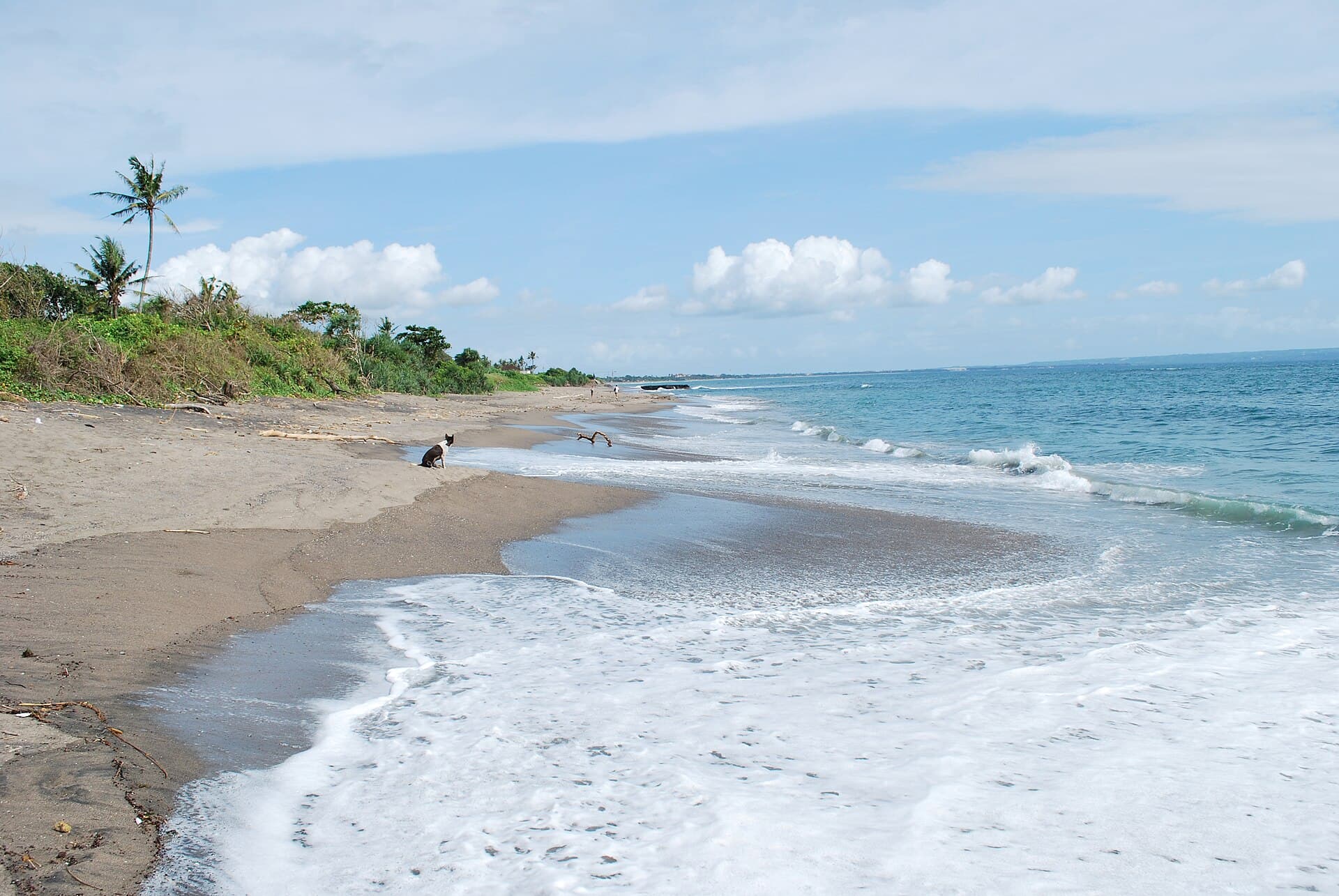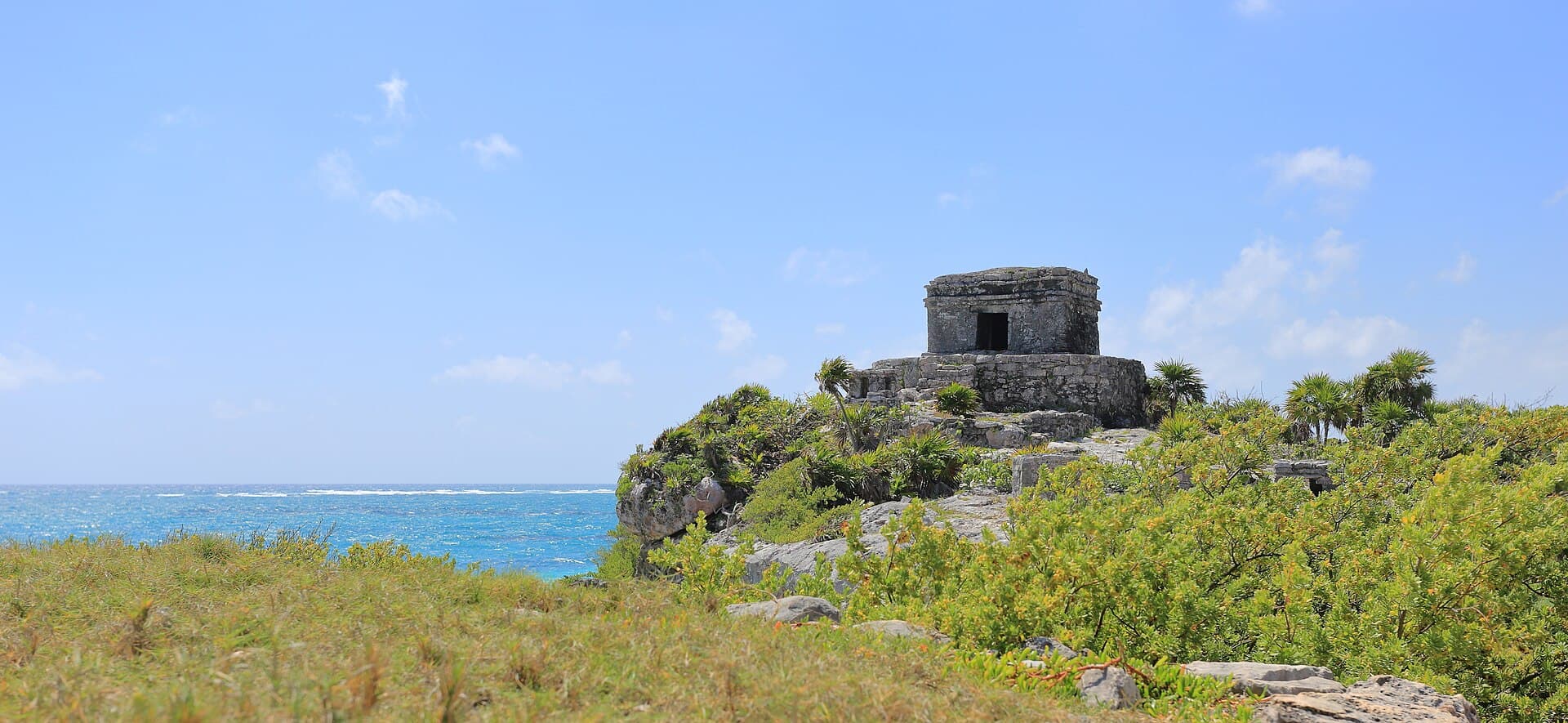

"Janvier est le mois idéal : mer calme, températures parfaites, mais Tulum est à son maximum d'affluence — réservez hébergements et cenotes plusieurs semaines à l'avance."
Expert on Tulum · 1 contributions
The best periods
The best time to visit Tulum is November to April. The most recommended months are Janvier, Février, Mars, Avril, Mai, Juillet, Septembre, Octobre, Novembre, Décembre.
Saison sèche — Tulum au sommet
- ✅Ciel bleu azur et mer des Caraïbes parfaite pour la baignade et le snorkeling
- ✅Cenotes accessibles avec une visibilité sous-marine exceptionnelle
- ✅Températures idéales (26-30 °C) pour les activités et les sites archéologiques
- ✅Ambiance festive et fréquentation internationale maximum
- ❌Haute saison : prix en forte hausse, zones de ruines et cenotes bondés
- ❌Réservations obligatoires, parfois plusieurs mois à l'avance
Saison humide — pluies et ouragans
- ✅Tarifs hébergement en baisse de 30 à 50 %, ambiance plus détendue
- ✅Cenotes magnifiques avec moins de touristes
- ✅Végétation luxuriante de la jungle autour des sites
- ❌Risque d'ouragans d'août à octobre sur la côte Caraïbe du Quintana Roo
- ❌Pluies quotidiennes souvent intenses en fin d'après-midi
- ❌Mer des Caraïbes parfois agitée, snorkeling sur récif compromis
Month-by-month climate
Temperatures, rainfall and sunshine in Tulum across the 12 months.
| Jan | Fév | Mar | Avr | Mai | Juin | Jui | Aoû | Sep | Oct | Nov | Déc | |
|---|---|---|---|---|---|---|---|---|---|---|---|---|
| Min | 22° | 22° | 24° | 25° | 25° | 25° | 26° | 26° | 25° | 24° | 23° | 22° |
| Max | 27° | 28° | 29° | 30° | 30° | 30° | 31° | 31° | 31° | 30° | 29° | 27° |
| Mer | 26° | 26° | 27° | 28° | 28° | 29° | 29° | 29° | 29° | 28° | 27° | 26° |
| Pluie | 86mm | 51mm | 44mm | 36mm | 103mm | 308mm | 109mm | 176mm | 170mm | 213mm | 142mm | 87mm |
| Soleil/j | 9.7h | 10.7h | 11.6h | 11.7h | 11.6h | 10.2h | 11.3h | 10.9h | 10.5h | 9.7h | 10.1h | 9.6h |
Tourist crowds
Monthly attendance levels (0 = empty, 100 = saturated).
Average flight prices
Average round-trip Paris → Tulum by month.
Frequently asked questions
Is Tulum still worth it in 2026?+
How many days should I spend in Tulum?+
What's the difference between Tulum pueblo and the Tulum hotel zone?+
What are the best cenotes around Tulum?+
Is there sargassum on Tulum's beaches?+
How do I get to Tulum from Cancún?+
Can I dive in Tulum?+
What's the daily budget in Tulum?+
Our verdict
Tulum earns its reputation if you accept its tradeoffs: expensive, crowded, occasionally overhyped, but unrivaled for the combination of Maya ruins, beach and cenotes in a single compact destination. The beauty of the archaeological site above the Caribbean is genuinely arresting, and the cenotes are among the most extraordinary swimming holes on earth. The honest answer to the 'is Tulum still worth it' question is: yes, but with caveats. Come in November or December for the best balance of weather, prices and crowds; book accommodation a couple of months ahead in high season; and avoid the beach during peak sargassum periods (May–October, with September–October typically the worst). Tulum is best lived early — sunrise at the ruins, 7 a.m. at the Grand Cenote — and again at sunset, when the crowds thin and the light turns gold. The middle of the day, especially the beach scene in the hotel zone, can feel more like a Miami spring break than a Maya coastal town, but step away from the strip for an hour and the magic returns. Pair Tulum with Mérida for a complete Yucatán experience: four days of beach, ruins and cenotes, then five days of colonial Mexico, regional cuisine and inland Maya sites. That combination remains one of the best two-week itineraries in Latin America.
Réserver votre séjour
Liens partenaires — une commission peut nous être reversée, sans surcoût pour vous.
 HébergementAnnulation gratuite
Hôtels & haciendas au Mexique
Auberges, boutique-hôtels coloniaux et resorts de la Riviera Maya : comparez les hébergements de tout le Mexique.
ActivitéCoup de cœurSites mayas, cenotes & excursions au Mexique
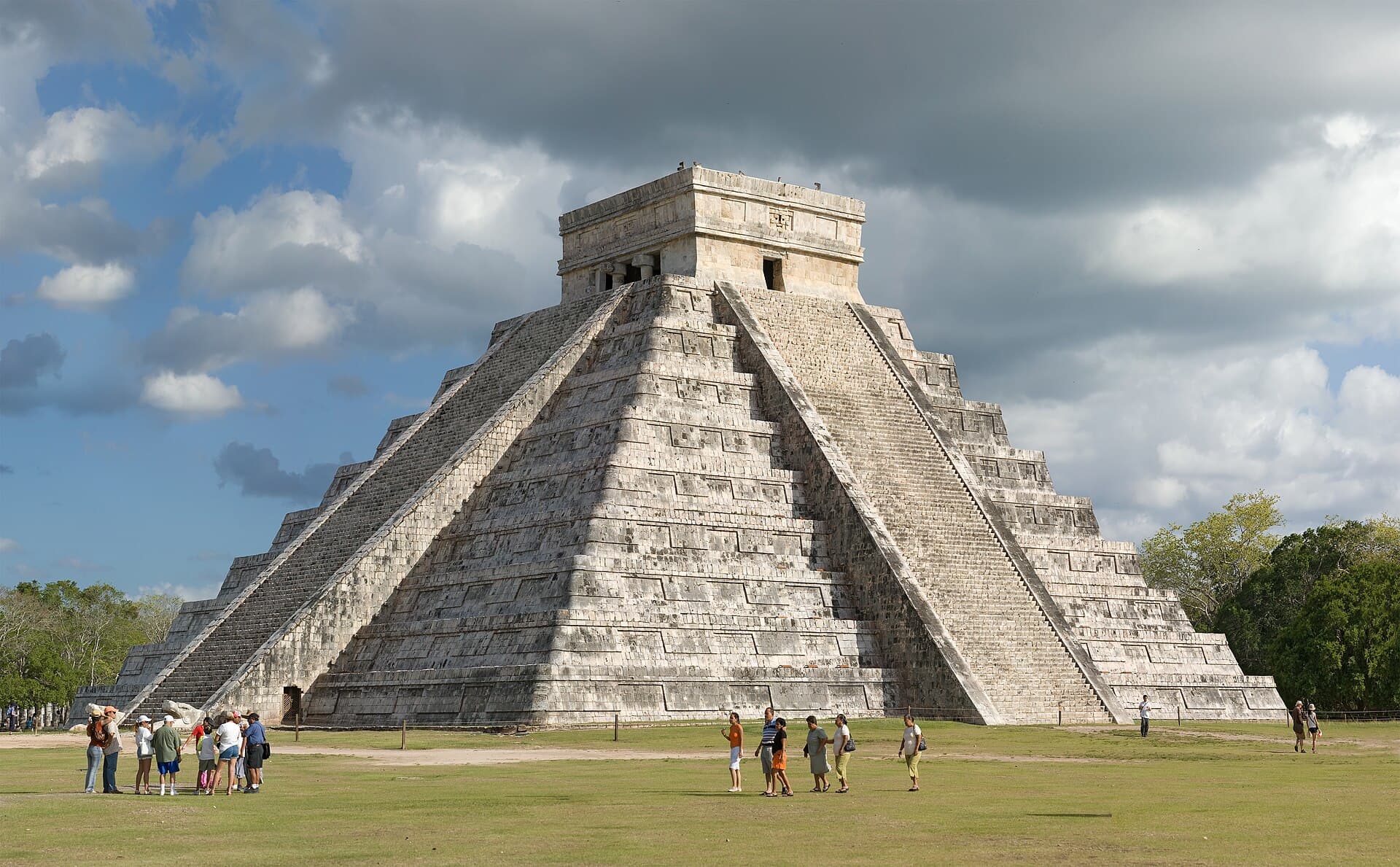
Chichén Itzá, baignade en cenote, Teotihuacán, Monte Albán : réservez vos visites guidées et billets coupe-file.
VolComparateurVols vers le Mexique
Mexico et Cancún en vol direct (environ 12 h) depuis Paris : comparez les compagnies et les meilleures dates.