ville
Oaxaca
The city where mole negro simmers for three days, artisanal mezcal flows from volcanic earth, and Zapotec craft never stopped living.
Oaxaca (pronounced 'wa-HA-ka') is the Mexican city that most surprises travelers who only know it by reputation. UNESCO-listed for its Baroque historic center, nestled in a valley at 1,550 meters of altitude between the Sierra Norte and the Sierra Sur, it is at once a preserved colonial city, an internationally recognized food capital, and the heart of a living, creative Zapotec Indigenous culture.
Its richness lies in this triple identity: the architectural heritage of the zócalo and its convents (Santo Domingo above all, whose gilded interior is among the most spectacular of Baroque Mexico); the food scene that has lifted Oaxaca into the global top 20 culinary destinations — moles built from 30 ingredients, artisanal mezcal from the Ejutla valley palenques, fresh cheeses, and ceremonial hot chocolate; and the artistic depth of the surrounding villages, which produce some of the most beautiful textiles, ceramics and carved figures in Mexico.
For English-speaking travelers, Oaxaca has become one of the most-recommended Mexican destinations of the last five years, fueled by a steady stream of New York Times, Eater and Conde Nast Traveler coverage. The food question — 'best taco city Mexico?' — is genuinely contested between Oaxaca and Mexico City, with Oaxaca arguably edging ahead on regional specificity (tlayudas, memelas, chapulines, moles), Mexico City on sheer variety. Beyond the food, Oaxaca offers a slow-travel pace, a walkable colonial center, and a craft scene where you can buy directly from the weaver who made the rug. Four days is the minimum; many travelers end up staying a week or more.
What we love
- ✅World-class cuisine: moles, artisanal mezcal, chocolate — a true culinary capital
- ✅UNESCO-listed historic center, among the most beautiful in Mexico
- ✅Exceptional Zapotec craftsmanship in the surrounding villages (Teotitlán, San Bartolo)
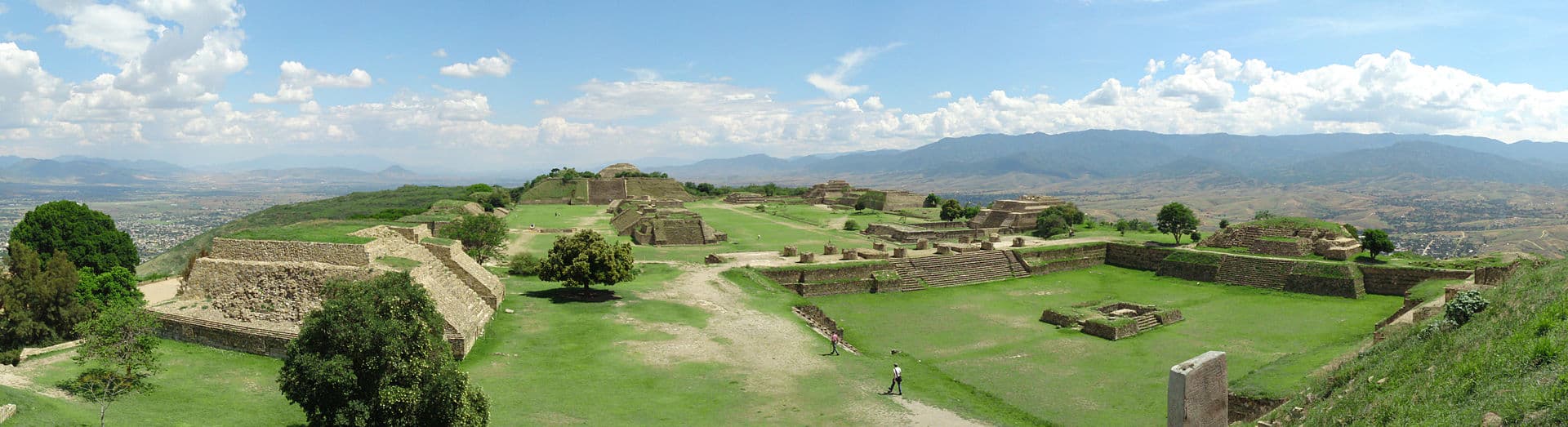
- ✅Monte Albán, a UNESCO Zapotec city 10 km away — unmatched panoramic views
- ✅Human-scale, safe city with a very active cultural and arts scene
What to know
- ❌Día de los Muertos and Guelaguetza: city packed, prices doubled — book 3 months ahead
- ❌Access is sometimes complicated: flights via Mexico City are required from Europe
- ❌Altitude (1,550 m) and afternoon heat in May — sensitive travelers feel the combination
Situation
Où se situe Oaxaca ?
Ouvrir la carte en grand sur OpenStreetMap →Frequently asked questions
How many days do I need in Oaxaca?+
What is Oaxaca's signature dish?+
How do I get to Oaxaca from the US or Europe?+
Is Día de los Muertos in Oaxaca really worth the trip?+
Is Monte Albán easy to visit from Oaxaca?+
Is Oaxaca safe?+
What's the difference between Oaxaca city and the state of Oaxaca?+
Our verdict
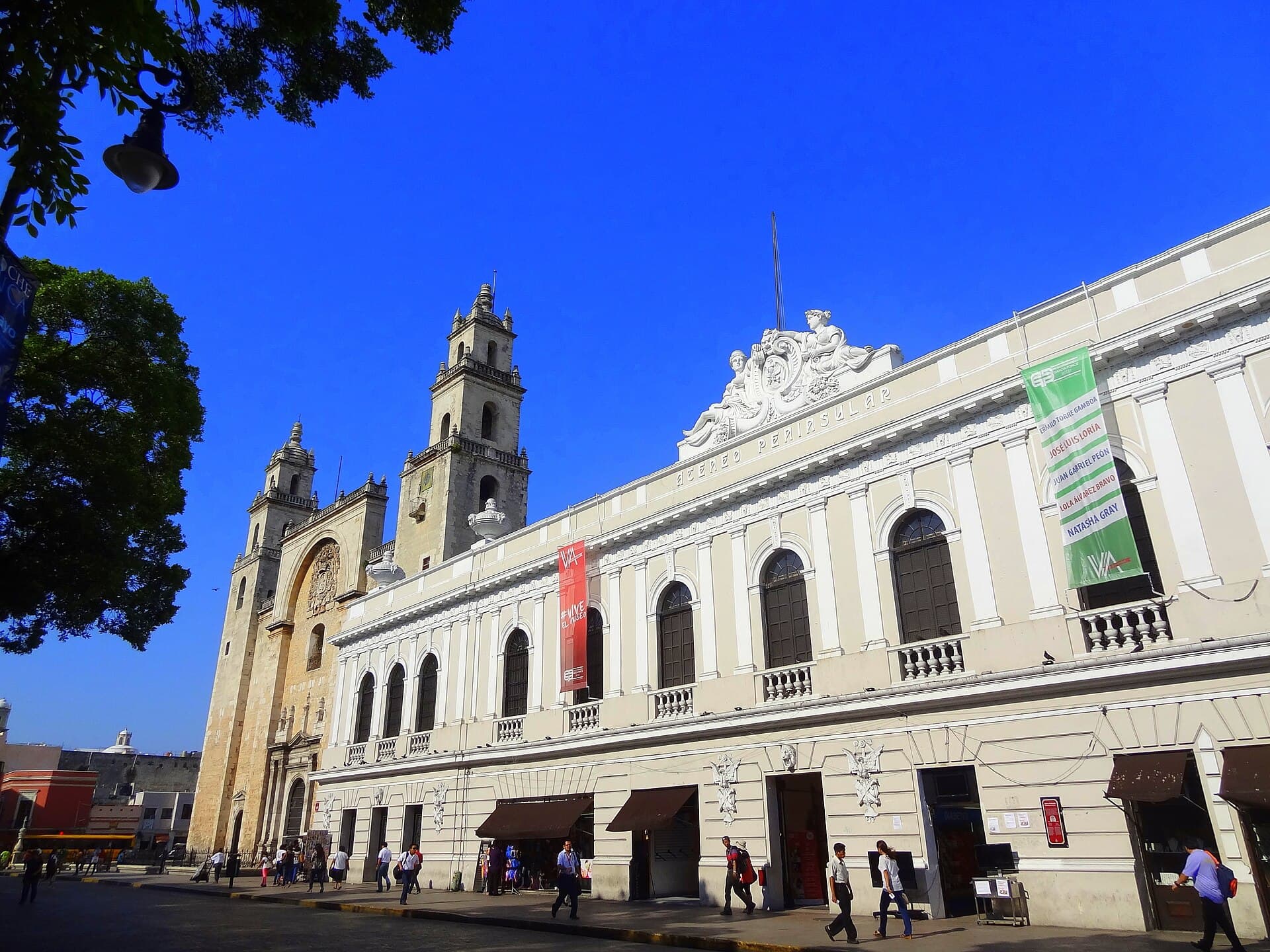
Oaxaca is, for many travelers, the revelation of Mexico. Less famous than Mexico City, far less crowded than Tulum, it offers a cultural and gastronomic depth that has few peers in the world: a city where you eat better than in Paris for a quarter of the price, where Zapotec artisans perpetuate millennia-old techniques, and where popular festivals reach the essence of what Mexican culture actually is. It deserves a minimum of four days — and for many travelers, it ends up eclipsing the rest of the trip. The food alone justifies the visit: Casa Oaxaca, Levadura de Olla, Origen and a dozen lesser-known kitchens have built one of the most distinctive regional dining scenes in the Americas. The black mole at the Mercado 20 de Noviembre, the chapulines at Mercado de Abastos, and a mezcal flight at In Situ are the kind of meals travelers describe months later. Beyond the food, Monte Albán is a top-five archaeological site in Mexico, the village circuit (Teotitlán del Valle for rugs, San Bartolo Coyotepec for black pottery, Hierve el Agua for the petrified waterfalls) deserves at least two days, and the colonial center itself is the most beautiful walkable historic district in the country after Mérida. The slow-travel movement has settled into Oaxaca with restraint — coworking spaces have multiplied without overwhelming the local fabric, and the food scene has lifted without losing its roots. Book three to four months ahead for Día de los Muertos (November 1–2); otherwise, the city absorbs visitors without crowding.
Réserver votre séjour
Liens partenaires — une commission peut nous être reversée, sans surcoût pour vous.
 HébergementAnnulation gratuite
Hôtels & haciendas au Mexique
Auberges, boutique-hôtels coloniaux et resorts de la Riviera Maya : comparez les hébergements de tout le Mexique.
ActivitéCoup de cœurSites mayas, cenotes & excursions au Mexique
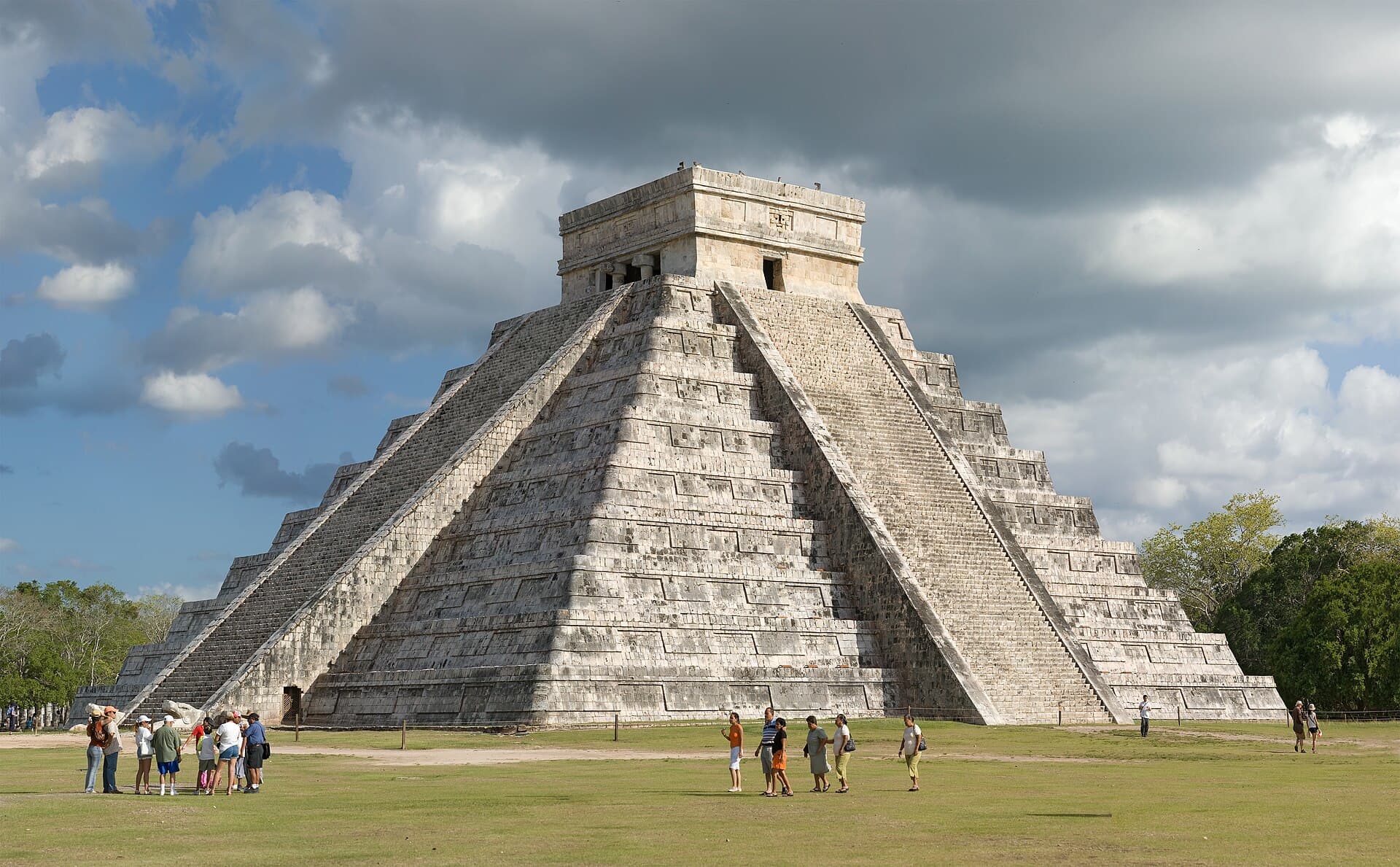
Chichén Itzá, baignade en cenote, Teotihuacán, Monte Albán : réservez vos visites guidées et billets coupe-file.
VolComparateurVols vers le Mexique
Mexico et Cancún en vol direct (environ 12 h) depuis Paris : comparez les compagnies et les meilleures dates.
Nearby

"Janvier est l'un des meilleurs mois : ciel d'un bleu parfait, températures idéales, marchés animés. Les ruines de Monte Albán se visitent dans un calme rare, avec une lumière magnifique sur les montagnes environnantes."
Expert on Oaxaca · 1 contributions