ville
Tokyo
The city with more Michelin stars than any other on earth — Tokyo is simultaneously the world's most modern megalopolis and the most devoted to its traditions.
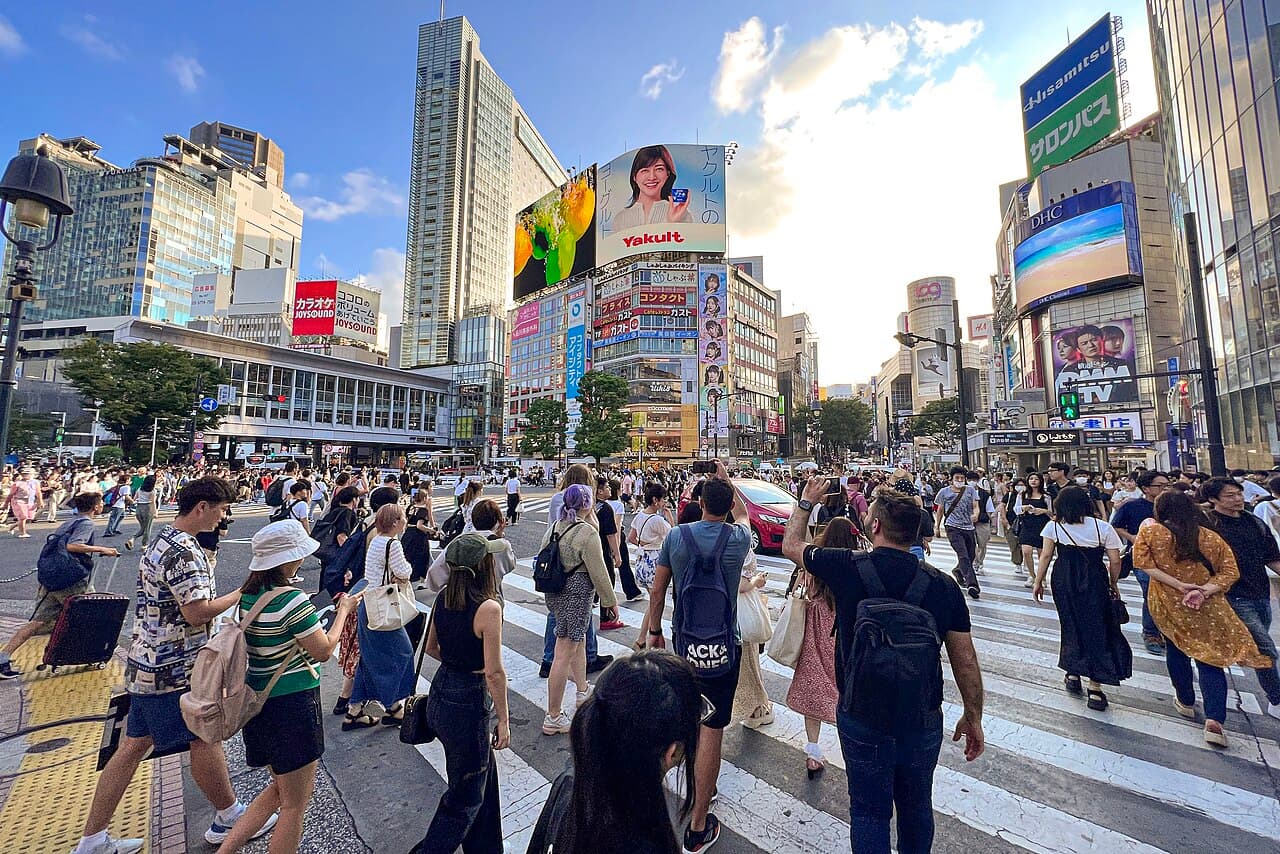
Tokyo is a city without equal on the planet: a megalopolis of 14 million people that functions like a Swiss watch, where a thousand-year-old tradition and extreme modernity coexist on every street corner. The seventh-century Senso-ji temple in Asakusa sits twenty minutes by metro from Akihabara, which looks like a spaceship landed on the tarmac. Nowhere else is that tension between past and future so productive — or so spectacular.
Tokyo holds the world record for Michelin stars: more than 230 starred restaurants, more than Paris and New York combined. But the real Tokyo food scene also lives in the tiny sushi counters at Tsukiji market, in Shinjuku's ramen shops open until dawn, in the noisy izakaya of Shibuya where salarymen gather after work. Tokyo is as much eaten as visited.
The city organises itself into radically different quarters — Shibuya and Shinjuku for the urban vertige and shopping, Asakusa for traditional Tokyo, Ginza for luxury, Harajuku for youth cultures, Yanaka for the gentleness of an almost intact old Tokyo. Each neighbourhood deserves a week of its own. Tokyo doesn't summarise: it reveals itself, layer by layer, visit by visit.
What we love
- ✅World-class gastronomy: the city holds more Michelin stars than Paris and New York — from the sushi counter to the kaiseki dining room to the midnight ramen bowl
- ✅Impeccable transport: the JR and metro networks cover the whole city with second-level punctuality
- ✅Radically distinct neighbourhoods — Asakusa, Shibuya, Yanaka — for permanent contrast at every metro stop
- ✅Unique urban culture: manga, gaming, alternative fashion, pop culture — a creativity no other city concentrates so intensely
- ✅Exceptional safety: Tokyo is one of the most secure megalopolises on earth, day and night
What to know
- ❌Accommodation costs are high: comfortable hotels start at €150-200 a night in central areas
- ❌Real language barrier — Japanese uses three alphabets and few Tokyoites speak fluent English
- ❌Volume of stimuli can be overwhelming: Tokyo generates genuine sensory saturation within a few days
- ❌Long flight from Europe (12-13 hours) with an 8-hour time difference requiring real adjustment
Situation
Où se situe Tokyo ?
Ouvrir la carte en grand sur OpenStreetMap →Frequently asked questions
How many days should I plan for Tokyo?+
Is the JR Pass worth buying?+
Which Tokyo neighbourhood should I stay in?+
When is the best time to visit Tokyo?+
Is the language barrier really a problem in Tokyo?+
How do I get around Tokyo?+
Where should I eat authentic sushi in Tokyo?+
Which sights require advance booking in Tokyo?+
Our verdict
Tokyo is a city that rewards preparation and repays that preparation a hundredfold. Nowhere else combines total urban safety with the world's highest density of great food, relentless cultural creativity and a standard of hospitality — the Japanese concept of omotenashi — that makes every interaction memorable. The jet lag, the cost and the distance are the only real obstacles to what stands as one of the most extraordinary travel experiences available. Come in March-April for the cherry blossoms or November for the autumn colours, base yourself in Shinjuku or Asakusa, buy a JR Pass and let Tokyo surprise you at every street corner.
Réserver votre séjour
Liens partenaires — une commission peut nous être reversée, sans surcoût pour vous.
 HébergementAnnulation gratuite
Hôtels & ryokans au Japon
Business hotels efficaces dans les grandes villes, ryokans avec onsen privatif, capsules à Tokyo : tout le Japon comparé sans surprise.
ActivitéSans queueActivités au Japon
Cérémonies du thé à Kyoto, JR Pass, Mont Fuji, sumo, cours de sushi : réservez les activités phares sans queue.
VolComparateurVols vers Tokyo
Comparez Paris-Tokyo, Paris-Osaka et les vols low-cost intra-Japon. Saison épaule oct-nov souvent 30 % moins chère.
Nearby

"Janvier est le mois le plus calme à Tokyo : foule réduite, tarifs d'hébergement au plus bas, musées tranquilles. Les journées froides mais ensoleillées sont parfaites pour explorer les temples de l'ouest (Hachioji, Takao-san) vides de touristes."
Expert on Tokyo · 1 contributions
 Japan Desk — Mowando·Editor