Tokyo concentrates a density of experiences that no other city in the world can match. The visit organises naturally around several geographic and thematic poles.
The traditional east — Asakusa, Ueno, Yanaka — is the priority for understanding historic Tokyo. Asakusa centres on Senso-ji, founded in the seventh century and Japan's most visited temple: the Nakamise-dori shopping street leading to it is lined with genuine craft shops (fans, tabi socks, yukata). The nearby Skytree (634 m) offers the best panoramic view over the city on a clear day. The folk arts museum at Ueno and the preserved quarter of Yanaka — narrow alleys, Buddhist cemeteries, tofu shops — round out this immersion in old Tokyo.
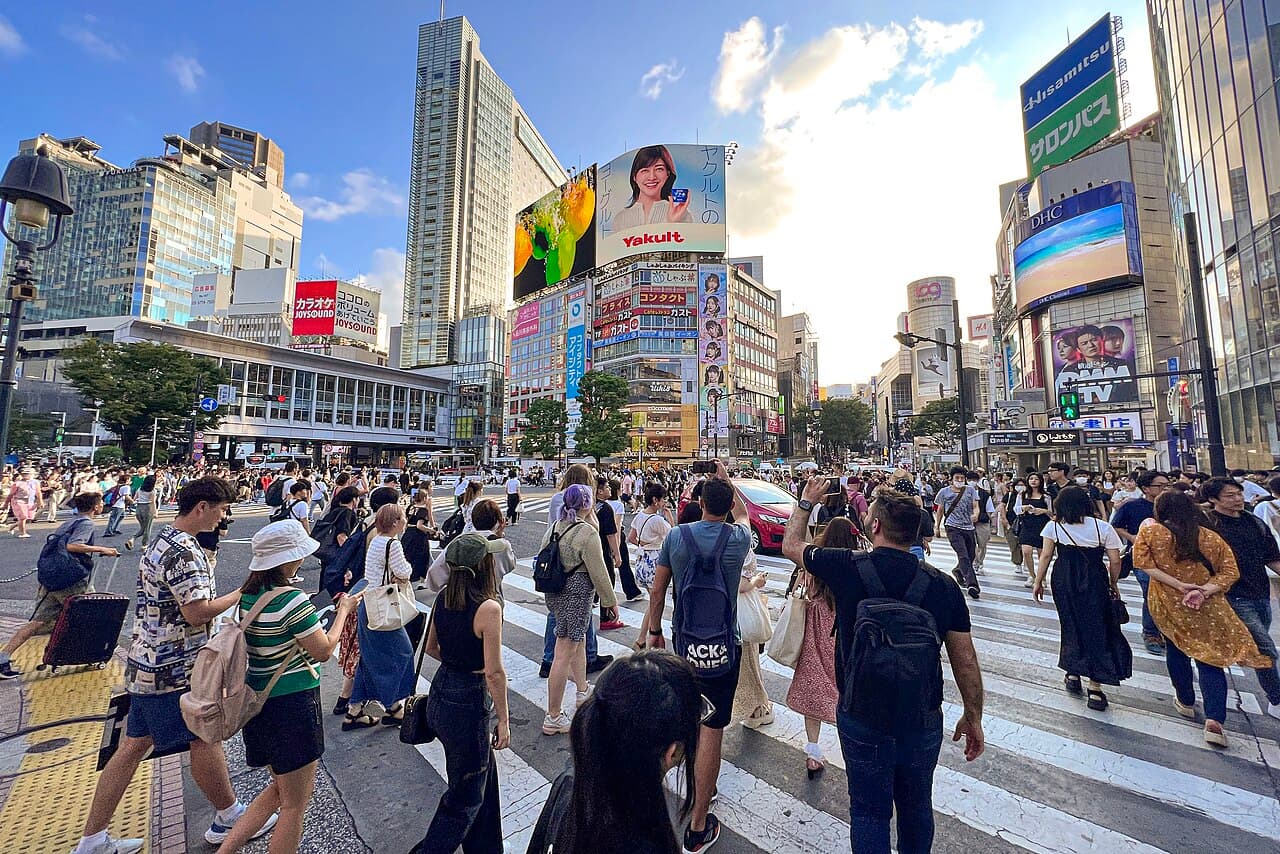
The modern west — Shibuya, Shinjuku, Harajuku — is iconic Tokyo. The Shibuya crossing, where 3,000 pedestrians cross simultaneously at every signal, is the symbol of the megalopolis. Shinjuku holds the world's largest entertainment district (Kabukicho), the best themed bars and Shinjuku Gyoen park for cherry blossoms. Harajuku alternates between the exuberance of Takeshita-dori (outlandish fashion, coloured crêpes) and the calm of Meiji Jingu (a sacred forest of 70,000 trees, absolute silence in the heart of the city).
Food is an experience in its own right. The Tsukiji outer market for morning sushi (from 6am), the ramen shops of Shinjuku's Golden Gai (open until 5am), the yakitori stalls in the covered market under the Yurakucho railway arches, the izakaya counters of Ebisu and Daikanyama for evenings — Tokyo is eaten at every hour, in every register and at every price point.
Contemporary cultural experiences make Tokyo unique for culture-focused visitors. The Ghibli Museum in Mitaka (advance lottery booking required) is a pilgrimage for anyone who grew up with Miyazaki. teamLab Planets (Toyosu) and teamLab Borderless offer digital immersive installations without equivalent anywhere in the world. The Mori Art Museum at the top of Roppongi Hills alternates leading contemporary art exhibitions with an unbeatable view over the city.
Read also
- The Kanto Region — Tokyo and its surroundings: Nikko, Kamakura, Hakone and Mount Fuji.
- Kyoto, the Soul of Japan — Two hours and fifteen minutes from Tokyo by Shinkansen: temples, geisha and traditional ryokan.
- Japan — Complete country guide: entry rules, budget, when to visit, regions.
- Akihabara, Tokyo Electric Town — Tokyo's electronics and manga district — a full immersion in Japanese pop culture.