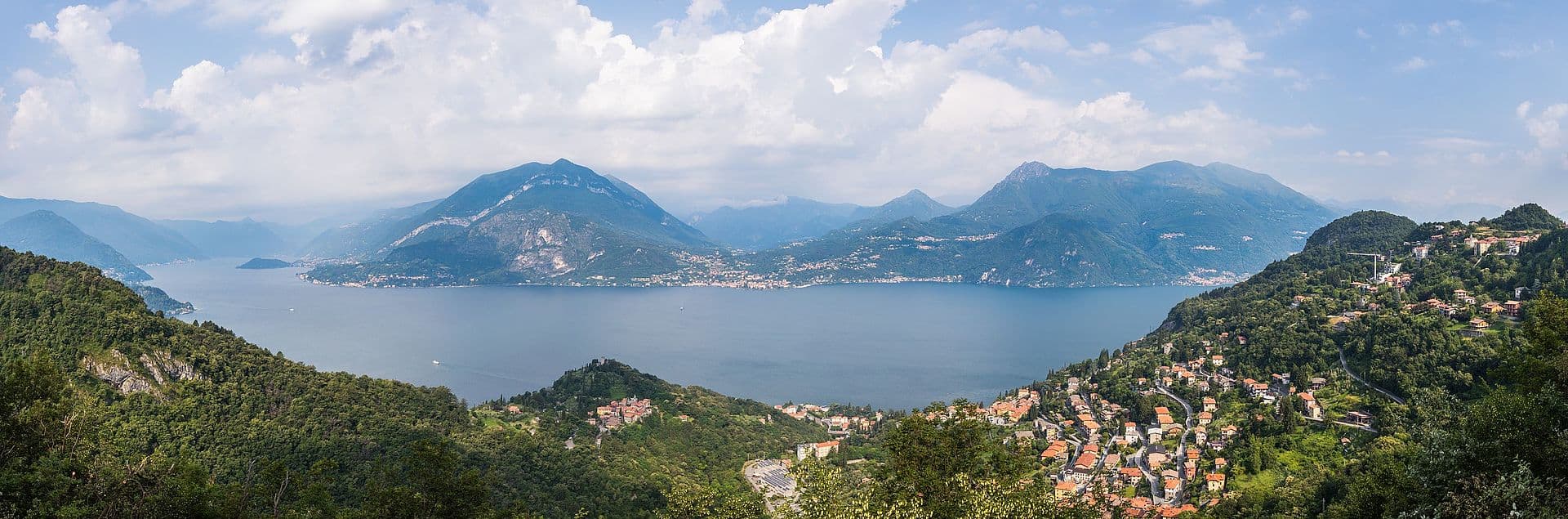
Northern Italy runs several climates at once: Venice and the Veneto have a continental, plain-fed climate (cold winters, hot humid summers), while the Ligurian coast of the Cinque Terre enjoys a true Mediterranean microclimate — milder winters, hot dry summers.
For Venice, the best windows are spring (April-June) and autumn (September-October). The autumn fog (nebbia) that occasionally drapes the lagoon in November creates an unmistakeable, photogenic atmosphere — much loved by repeat visitors who already know the city in bright light. Winter is cold (3-8 °C) but offers near-empty calli, with the trade-off of acqua alta flooding in the lowest squares between November and March. The Carnevale di Venezia draws hundreds of thousands of visitors over its ten days and should be avoided if you want a quiet trip. April is when the city eases out of winter — temperatures climbing to 14-18 °C, the light softening, the tour groups not yet at full strength. Many regulars rate May as the single best month: long warm evenings, terraces open until late and enough quiet alleys in Cannaregio and Dorsoduro to feel as though the city is still local. June is excellent; July and August are firmly to be avoided — the humid Po Valley air bakes the city to 35-38 °C, and the 25 million annual tourists concentrate themselves into those two months.
For the Cinque Terre, May, June and September are the sweet spot. In May, the cliffs are lush with new growth, the trails are open, and the sea sits at 18-20 °C for the bold. By September the sea is up to 23-24 °C, the light is honeyed and the high-summer crowds are already thinning. July and August are workable but the narrow village lanes and the cliff trails reach uncomfortable density. December to March, trails are often closed after rain (landslides are a recurring issue) and many guesthouses shutter — a season for serious solitude-seekers only.
Month by month: April-May (ideal for both Venice and the Cinque Terre, moderate crowds); June (excellent, prices and crowds climbing); July-August (saturated, hot, to be avoided for cultural sightseeing); September (the best month for the Cinque Terre, warm sea, falling crowds); October (gorgeous in the Veneto with the Prosecco and Amarone harvest, first acqua alta risk in Venice); November to March (quiet, cold, foggy, occasional flooding in Venice, partial trail closures in the Cinque Terre). For travellers chasing a calmer Venice, November is a fine off-season bet — the city briefly belongs back to its residents and a handful of clued-in visitors.
Read also
- Venice, La Serenissima — Canals, Gothic palaces and an atmosphere unique to the city built on water.
- Cinque Terre, the Riviera villages — Manarola, Vernazza, Riomaggiore: five villages clinging to the Ligurian cliffs.
- Italy — Complete country guide: entry rules, regions, budget and when to visit.
- Central Italy — Rome, Florence and Tuscany: the historical and artistic heart of Italy.