- Visa
- Not required
- Passport validity
- 3 months
- Safety level
- très sûr
- Recommended vaccines
- Mise à jour DTP
La Grèce est membre de l'Union européenne et de l'espace Schengen : les ressortissants français n'ont besoin d'aucun visa pour s'y rendre, quelle que soit la durée du séjour dans la limite des 90 jours par période de 180 jours au sein de l'espace Schengen.
Une carte nationale d'identité en cours de validité suffit — le passeport n'est pas obligatoire, mais il est recommandé si vous avez l'habitude de voyager avec. Vérifiez simplement que votre pièce d'identité ne soit pas expirée avant le départ : la Grèce exige uniquement que le document soit valide à la date d'entrée sur le territoire, sans condition de validité résiduelle minimale.
Pour un séjour sans surprise, emportez également une copie numérique de vos documents sur votre téléphone, votre carte européenne d'assurance maladie (CEAM), ainsi que les coordonnées de votre assurance voyage. Les formalités douanières sont quasi inexistantes grâce à l'appartenance de la Grèce à l'UE, et aucune déclaration de devise n'est requise en dessous de 10 000 €.
Greece sits among the safest destinations in Europe. Crime rates are low; travellers — including women travelling solo — generally feel comfortable everywhere from the lanes of central Athens to the remotest island village. The famous warmth of the Greek welcome plays a real role in that sense of ease, and even late-night walks home from a taverna feel relaxed by international standards.
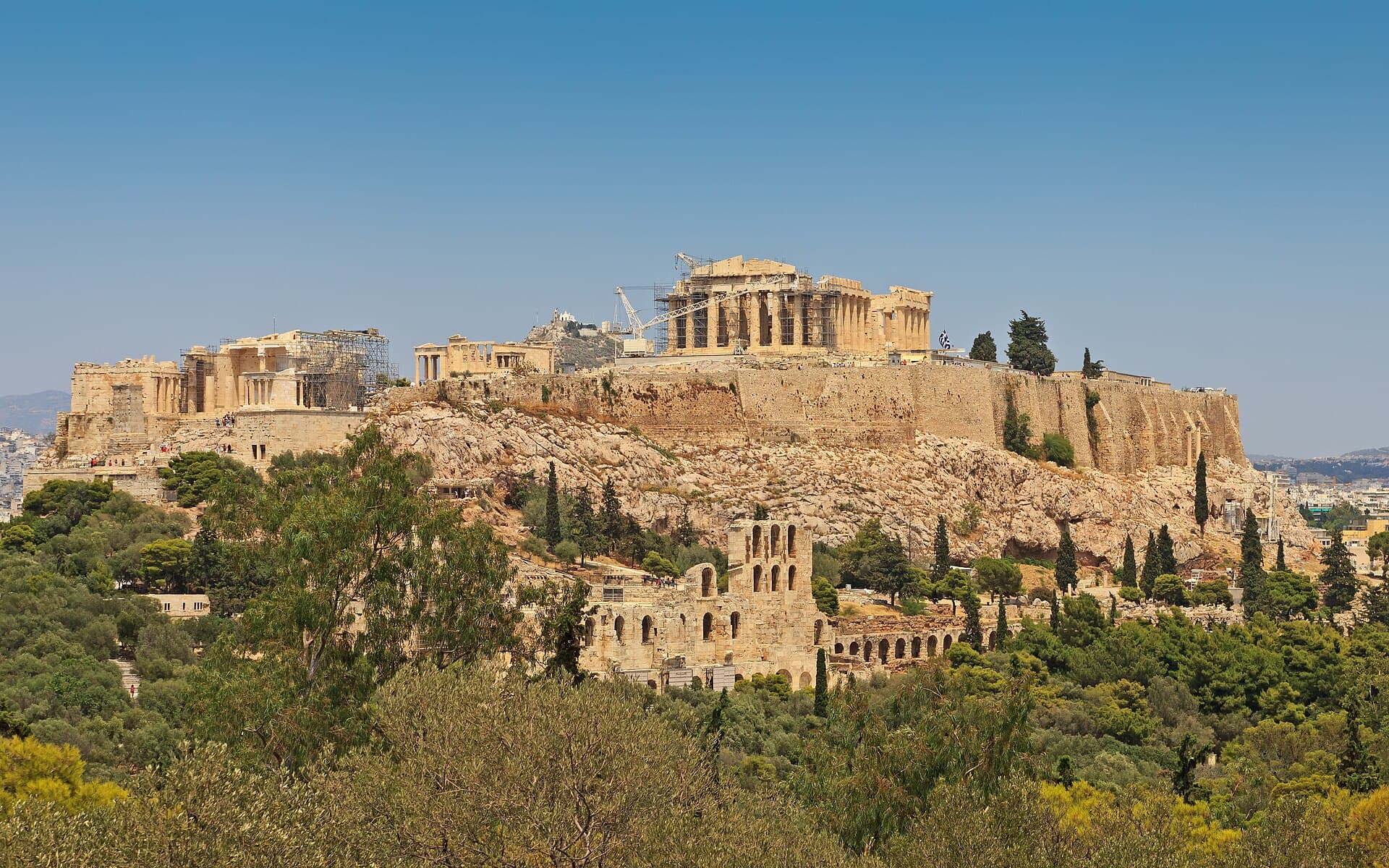
The most common issue is petty crime in tourist-dense areas: pickpocketing on the Athens metro, around the Acropolis or in busy summer markets. Keep an eye on bags, leave nothing valuable in hire cars and use a slim wallet or anti-theft pouch for passport and cards. Watch out for occasional taxi overcharging in Athens — insist on the meter — and double-check restaurant bills in heavily touristy areas, where the odd suspicious 'extra' is not unheard of.
The biggest summer risk in Greece is environmental. Temperatures regularly punch past 38–40 °C in July and August, with real risk of heatstroke; drink water constantly, slow down between noon and 4pm, and respect shade in a way you wouldn't at home. Wildfires have become a serious seasonal threat too — heed local warnings, avoid hiking in fire-risk zones during heat waves, and never barbecue or smoke in dry vegetation. Greece is also in a moderate seismic zone: small earthquakes are common but rarely an issue for travellers.
On the health side, tap water is drinkable in Athens and most of the mainland; islanders often prefer bottled water out of habit and old infrastructure rather than necessity. Greek pharmacies are excellent, well-stocked and usually run by English-speaking pharmacists who can advise on minor issues without a GP appointment. Bring your European Health Insurance Card (EHIC/GHIC for UK residents) and a proper travel insurance policy covering medical evacuation, particularly if you plan to explore smaller islands. Emergency numbers in Greece: 100 (police), 166 (ambulance), 199 (fire), or 112 (general EU emergency).
Read also
- The Cyclades — Santorini, Mykonos and the white-and-blue archipelago.
- Santorini — The Aegean's most dramatic caldera.
- Mykonos — Glamorous beaches and legendary Cycladic nights.