
Mowando

Climate & seasons

When to visit Greece?

By La rédaction · Updated 20/05/2026

The Editors
The Editorsauteur principal✓ Verified

Expert on Greece · 1 contributions

The best periods

The best time to visit Greece is May–June and September.

Mai, Juin, Sep, Oct

Intersaison — l'équilibre idéal

  • Chaleur agréable, mer déjà ou encore baignable
  • Sites antiques sans la foule de l'été
  • Tarifs plus doux qu'en juillet-août
  • Quelques établissements insulaires encore fermés en mai
  • Mer un peu fraîche début mai
Jui, Aoû

Plein été — soleil garanti, foule maximale

  • Mer chaude, ambiance festive sur les îles
  • Toutes les liaisons et activités opérationnelles
  • Chaleur intense et risque de feux de forêt
  • Affluence et prix au plus haut, ferries bondés
Nov, Déc, Jan, Fév, Mar, Avr

Hors saison — Athènes et le continent

  • Athènes et les sites antiques au calme
  • Tarifs au plus bas
  • Beaucoup d'îles au ralenti, liaisons réduites
  • Temps frais et pluvieux

Frequently asked questions

When is the best time to visit Greece?+
May–June and September strike the best balance for a Greece trip: warm but tolerable temperatures, swimmable seas and crowds that haven't yet peaked. July and August are the hottest and busiest months, with ferries packed and hotel prices doubling on the most popular islands — fine if you want nightlife and guaranteed sun, less ideal for sightseeing and quiet villages.
Do I need a visa or passport for Greece?+
Greece is a member of the EU and the Schengen Area, so EU citizens need only a valid national ID card. Travellers from the UK, US, Canada, Australia and most other Western countries can enter visa-free for up to 90 days within any 180-day period as tourists, with a passport valid for at least three months beyond the intended departure date from Greece.
How much does a trip to Greece cost?+
Budget around €90 per person per day in comfort mode on the mainland and lesser-known islands. Flagship destinations like Santorini and Mykonos run sharply higher — €150 to €250 per person per day is realistic in peak season, and caldera-view suites can easily exceed €500 a night. Travelling in May, June or September can shave 20–40% off accommodation prices across Greece.
How do you get between the Greek islands?+
Ferries are the backbone of island travel in Greece. The main hub is Piraeus, the port of Athens, with daily departures to the Cyclades, Dodecanese and Sporades. High-speed catamarans cut travel times to Santorini or Mykonos to under five hours; conventional ferries take longer but cost less. Domestic flights from Athens to Santorini or Mykonos are also a 45-minute alternative when booked early.
Which Greek island is best for a first visit?+
For a first trip to Greece, the classic combination is Athens plus the Cyclades. Santorini delivers the dramatic caldera and sunset photos; Mykonos brings the beaches and nightlife; Naxos or Paros offer a gentler, more affordable middle ground with great food and family-friendly beaches. Pick two islands at most for a one-week trip — the ferry logistics reward a slower pace.
Is Greece safe for tourists?+
Greece is one of the safest countries in Europe, including for solo and female travellers. Petty theft is the main concern in busy tourist areas of Athens, especially on the metro and around the Acropolis. The bigger risks are environmental: extreme summer heat, wildfires and the occasional ferry-cancelling Meltemi wind. Standard travel insurance and your European Health Insurance Card (EHIC/GHIC) are enough for most stays in Greece.
Can you combine the mainland and the islands in one trip?+
Absolutely — and we'd recommend it. A classic ten-day Greece itinerary pairs two or three days in Athens (Acropolis, Plaka, the Archaeological Museum) with five to seven days across one or two Cyclades. Add Delphi or the Meteora monasteries as a side trip if you want a deeper dive into the historic mainland before heading for the Aegean.

Our verdict

Greece offers a rare blend: an unmatched ancient heritage and an island count that rivals any country on earth. Its strengths — history, turquoise sea, an art of living that has been refined for three thousand years — make it one of the most quietly addictive destinations in Europe. The downside is no secret: July and August bring fierce heat, suffocating crowds and peak-season prices, especially on the Cyclades. Wildfires now scar every summer, and the Meltemi can occasionally turn a calm ferry ride into a stomach-testing adventure.

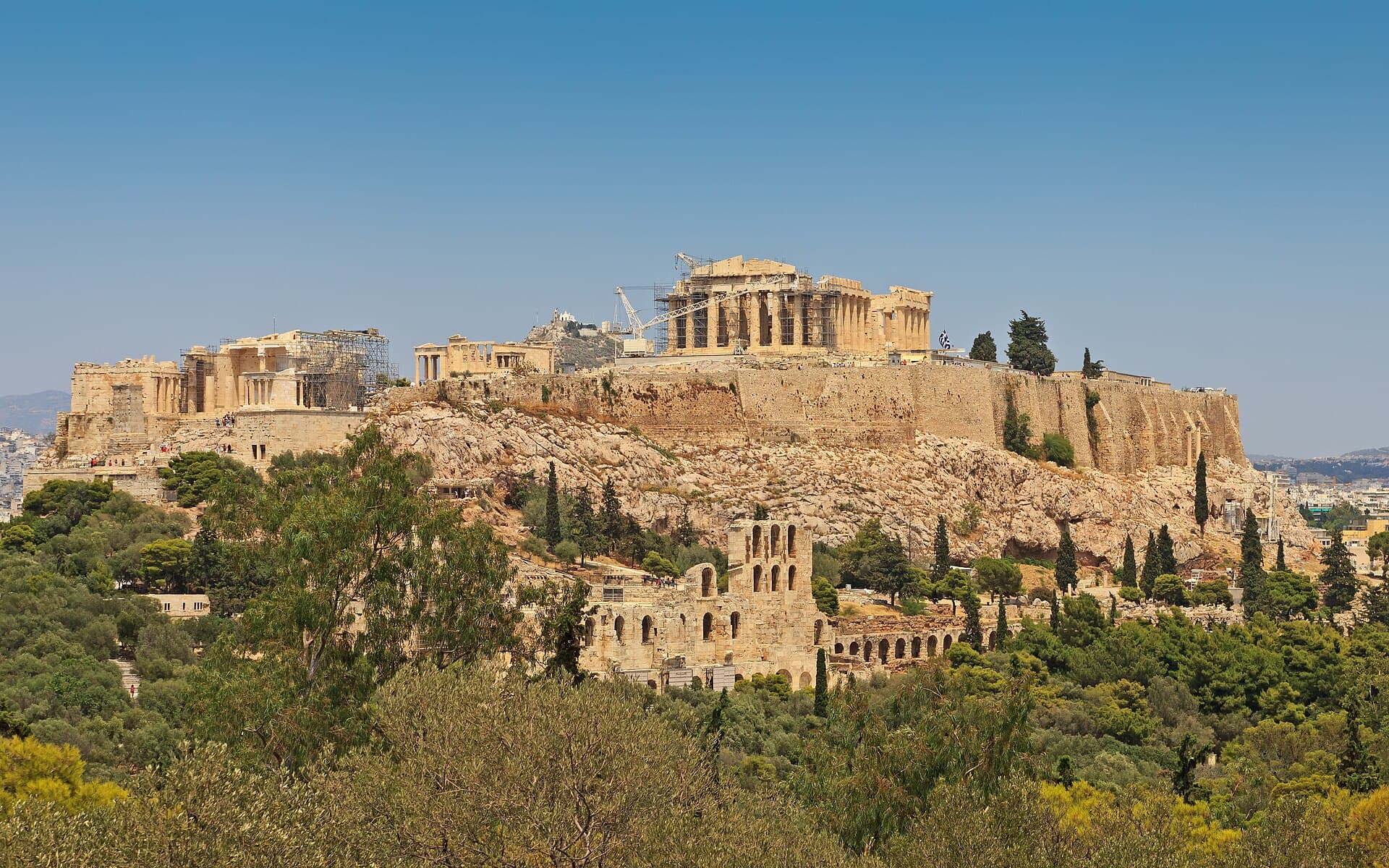
Our honest take: lean into the shoulder season. Come in May–June or September, base yourself in Athens for two or three nights, then pair it with one — or at most two — islands. Combine a flagship like Santorini with a quieter neighbour such as Folegandros or Naxos, and you'll see why Greece sits on so many travellers' return lists. Eat where the locals eat, drink Assyrtiko by the sea, walk the Acropolis at opening time, and let the ferries dictate the pace. Done this way, Greece is not just a holiday — it's the kind of trip that re-tunes how you think about food, history and unhurried Mediterranean afternoons.

When to visit Greece — climate and best travel seasons · Mowando