The optimal window for Samaná depends on your objective. To watch humpback whales, the window is strict: mid-January to mid-March, peaking in February. 2,000 to 3,000 whales migrate from the North Atlantic (Greenland, Norway, Iceland, Canada's east coast) to breed in the warm sheltered bay. One of the world's best observations — 95%+ sighting rate, 3-4h outing at sea, €75-90/person. Booking essential 1-2 weeks ahead.
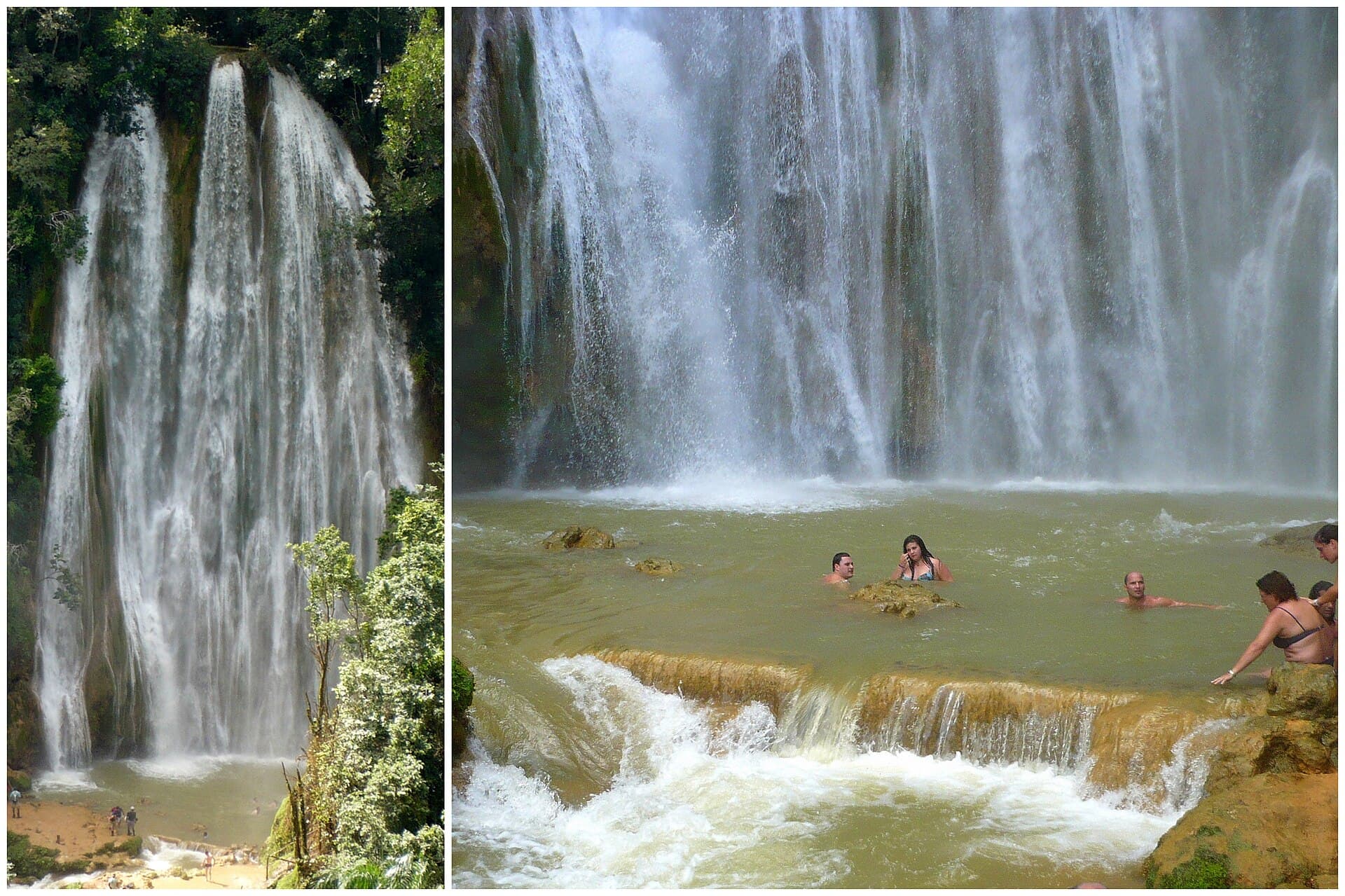
For optimal weather outside whales, choose December-April (dry season): perfect climate (25-29 °C), low humidity, refreshing trade winds, calm turquoise sea at 26-27 °C, ideal conditions for Rincón beach, Cayo Levantado and El Limón waterfall. It's also high tourist season — book Las Terrenas and Las Galeras hotels 2-3 months ahead.
May-June and November are shoulder season: rates down 20-30%, reduced crowds, climate still very acceptable. July-October is wet and hurricane season: rates at the floor, but heat (31-33 °C), humidity (85-90%) and daily late-afternoon storms. Samaná is less exposed to sargassum than the east coast (Punta Cana) thanks to its orientation and constant trade winds — a key advantage in summer.
The hurricane season (June-November, peak in September) is a serious risk. Samaná was hit by Fiona in 2022 (damage to Las Terrenas and Las Galeras). If travelling during this period, take out cancellation-cover travel insurance.
Read also
- Samaná, capital of the peninsula — Whale bay, Cayo Levantado, base for humpback whale watching.
- Dominican Republic — Complete country guide: visa, currency, regions, best time to visit.
- Punta Cana and the East — The all-inclusive beach option to combine for a complete trip.
- Santo Domingo and the South — The UNESCO cultural dimension to combine with Samaná for a balanced trip.