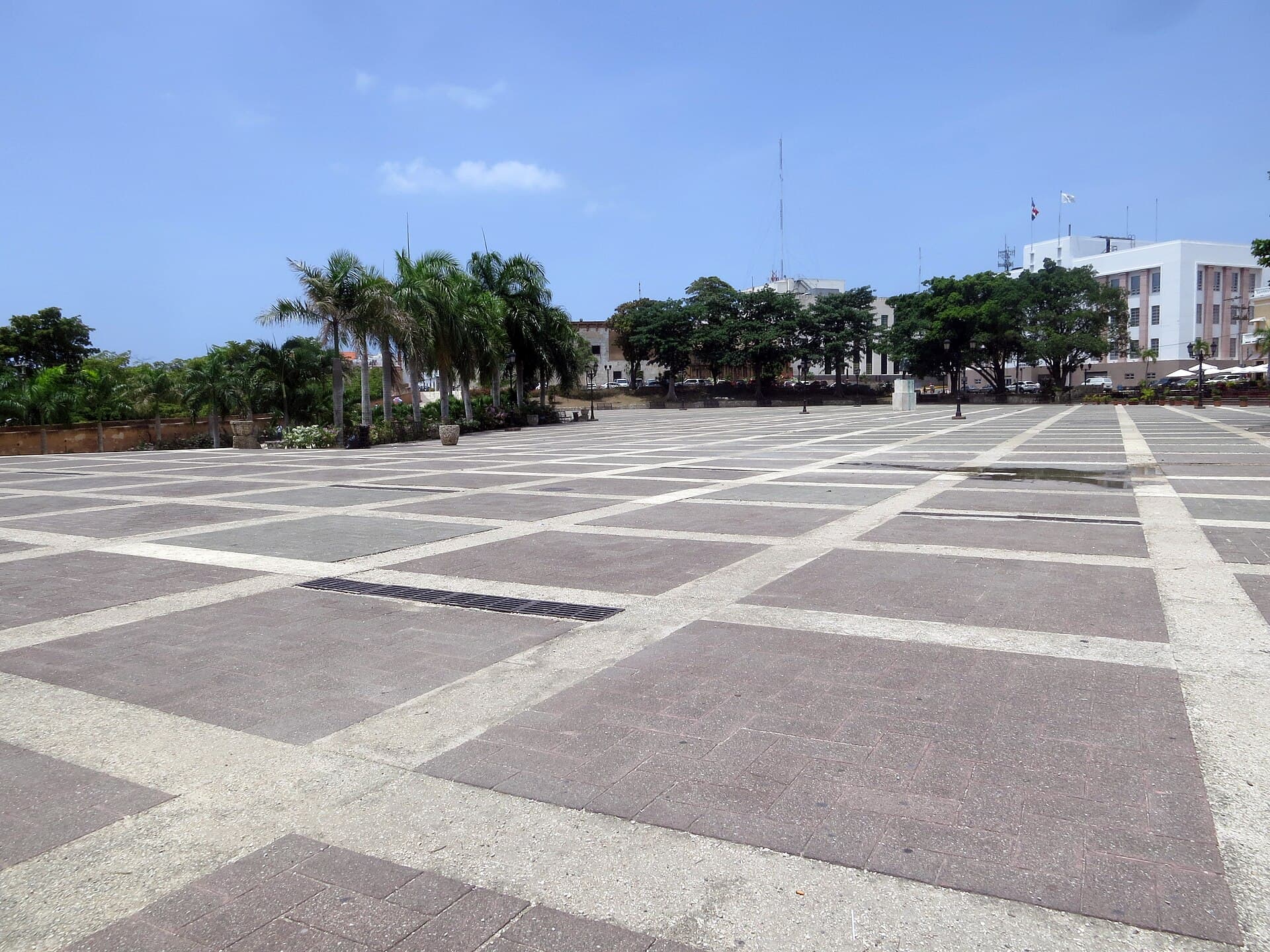
Region
Santo Domingo
The unique heritage density of a city founded in 1496 — first European city in the Americas, first cathedral, first university, first hospital and oldest European military fortress in the Americas still standing. Essential to combine with a beach stay.
Santo Domingo and the South is the cultural and historical region of the Dominican Republic — the one you should never ignore by confining yourself to Punta Cana. The capital Santo Domingo (Santo Domingo de Guzmán in full) is officially the first European city permanently established in the Americas, founded in 1496 by Bartolomé Columbus, Christopher's brother. Its Zona Colonial (Ciudad Colonial, 5 km²), UNESCO-listed since 1990, preserves exceptional heritage density: the first cathedral in the Americas (Catedral Primada de América, 1512-1540), the first hospital (San Nicolás de Bari, ruins), the first university (Universidad de Santo Tomás de Aquino, 1538), the first viceroyal palace (Alcázar de Colón, 1510, residence of Diego Columbus, Christopher's son), the oldest European military fortress in the Americas still standing (Fortaleza Ozama, 1502-1505), the first paved street in the Americas (Calle Las Damas, 1502).
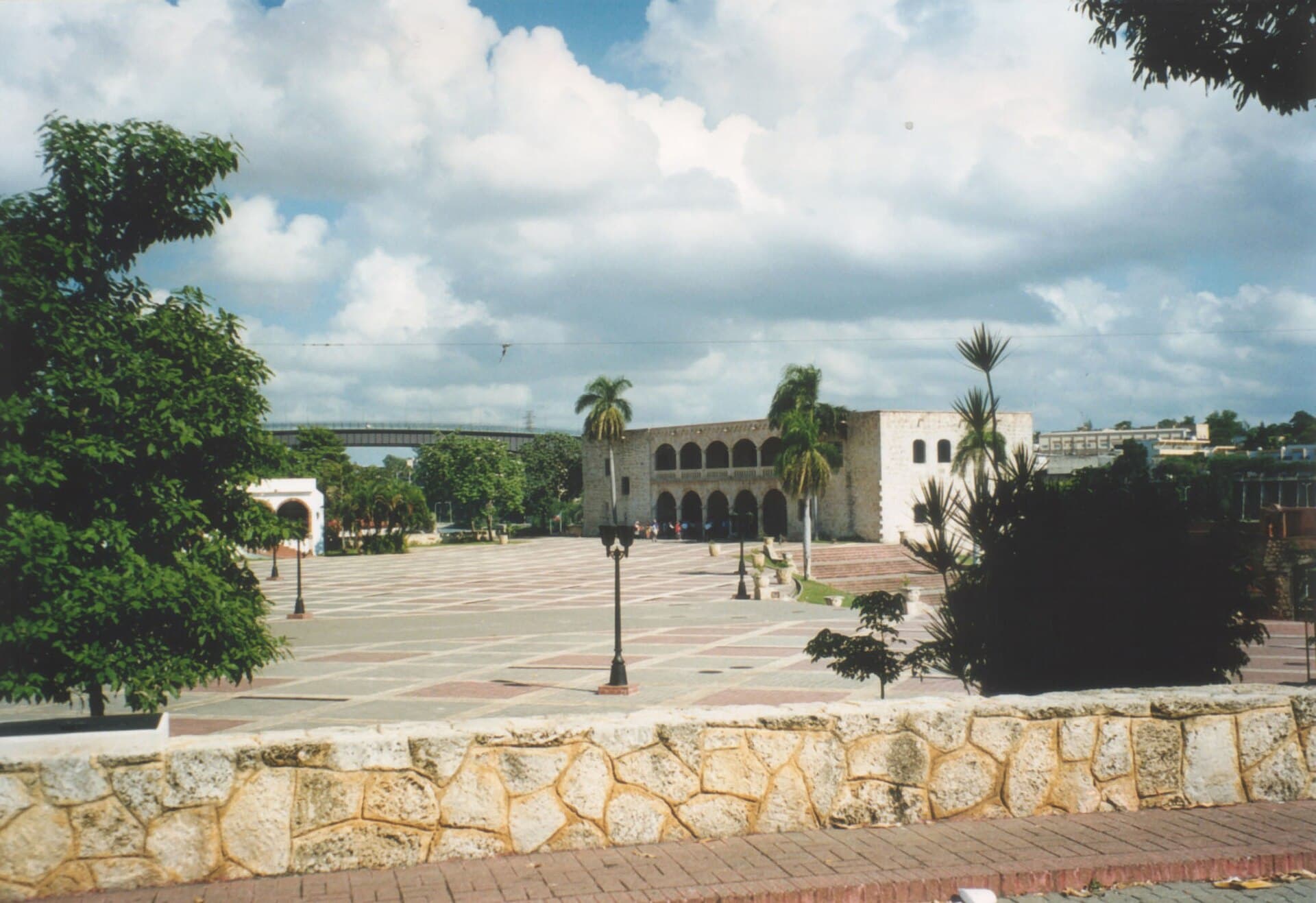
The Zona Colonial explores on foot in 2-3 days — a maze of paved alleys lined with pastel colonial façades, museums (Museo de las Casas Reales in the Captains General palace, Museo Alcázar de Colón), cathedrals, baroque churches (San Francisco, La Mercedes, Santa Bárbara), shaded squares (Parque Colón in front of the cathedral, Plaza España in front of the Alcázar). In the evening, the bar-restaurants of Calle El Conde and Plaza España come alive to the sounds of merengue and bachata. The Faro a Colón (1992, controversial cross-shaped monument housing the supposed tomb of Christopher Columbus) east of the Ozama river rounds out the historical visit.
The rest of the South region offers alternative beach options to Punta Cana's all-inclusive — Boca Chica (the capital's closest beach, 30 km, beach protected by a reef with shallow water, popular Dominican vibe), Juan Dolio (30 km further on, quieter beach with mid-range resorts), Bayahibe (already covered in Punta Cana and the East but also accessible via this route). Westwards, San Cristóbal (dictator Trujillo's birthplace, little visited), the Pomier caves (Taíno petroglyphs, one of the Caribbean's most important rock art concentrations), and Najayo beach offer day trips from the capital.
The region's pitch is clear: cultural and historical dimension of a Dominican trip, essential to combine with a beach stay for a complete experience. Plan 2-3 nights in the Zona Colonial (charming boutique hotels at €80-180/night, authentic B&Bs at €40-70/night) to grasp the site's historical richness. Santo Domingo is also the country's cultural capital — intense nightlife (salsa-merengue clubs), top Dominican gastronomy (Zona Colonial restaurants, Adrian Tropical, Mesón D'Bari), shopping (Mercado Modelo for crafts, modern shopping centres for international brands).
Explore Santo Domingo
Spots in the region
Situation
Où se situe Santo Domingo ?
Ouvrir la carte en grand sur OpenStreetMap →Frequently asked questions
How many days to visit Santo Domingo?+
Is Santo Domingo safe for tourists?+
What are the must-see sites in the Zona Colonial?+
Where to stay in the Zona Colonial?+
What restaurants in Santo Domingo?+
Our verdict
Santo Domingo and the South is the essential cultural dimension of a Dominican trip — the one that turns a standard all-inclusive stay into a genuine cultural and historical journey. The UNESCO Zona Colonial is one of Latin America's finest heritage concentrations, and the New World's first European city deserves a 2-3 day detour in itself. Our advice: always combine with Punta Cana or Bayahibe (5-7 beach nights) for a balanced 10-14 day trip. Stay in the Zona Colonial itself (boutique hotels €80-180/night or authentic B&Bs €40-70/night) to feel the neighbourhood's magic at night, after cruise passengers leave. Visit Alcázar de Colón, the cathedral, Fortaleza Ozama and the royal museums in the morning, wander Calle Las Damas and Calle El Conde in the afternoon, dine on Plaza España at sunset and end the evening to merengue in a local club. Santo Domingo demands effort but generously rewards it.