Mowando

Region

Santiago East

The Cuban Oriente, the most African and most rebellious of all Cuban regions — historical cradle of the revolution, musical capital and unique tropical hiking terrain.

4.50

South-East and Santiago covers the Cuban Oriente — the provinces of Granma, Santiago de Cuba, Holguín and Guantánamo, at the eastern tip of the island. It is the region furthest from Havana (870 km), the hottest, the most African and the most rebellious in Cuba. Historical cradle of the first Spanish colonies (Baracoa founded in 1511, Santiago in 1515), theatre of the Castro revolution (Granma landing at Las Coloradas in 1956, Sierra Maestra guerrilla warfare, final victory proclaimed in Santiago on 1 January 1959), undisputed capital of Afro-Cuban music (son cubano, rumba, conga), it offers the most authentic and most intense Cuban experience.

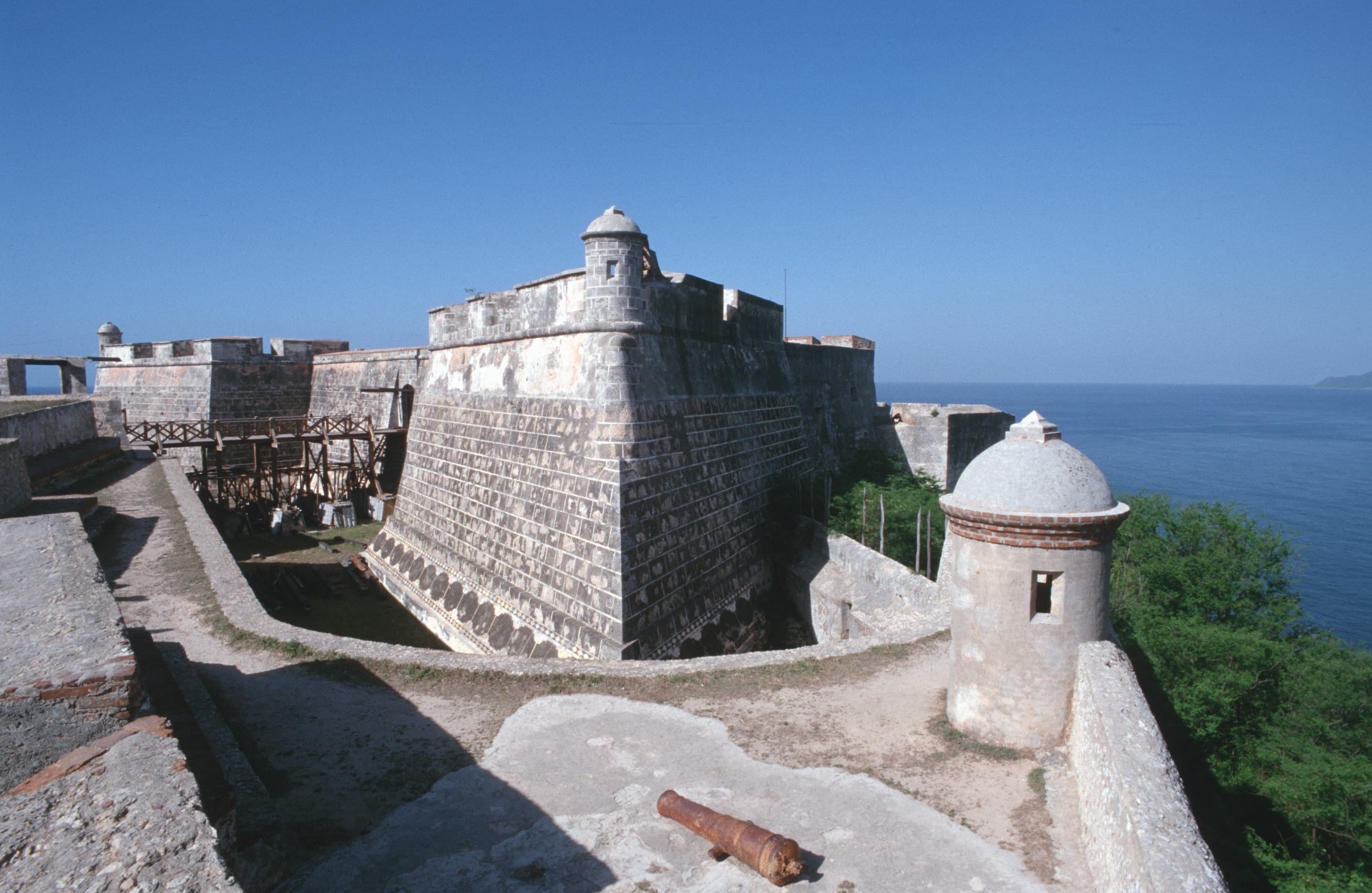
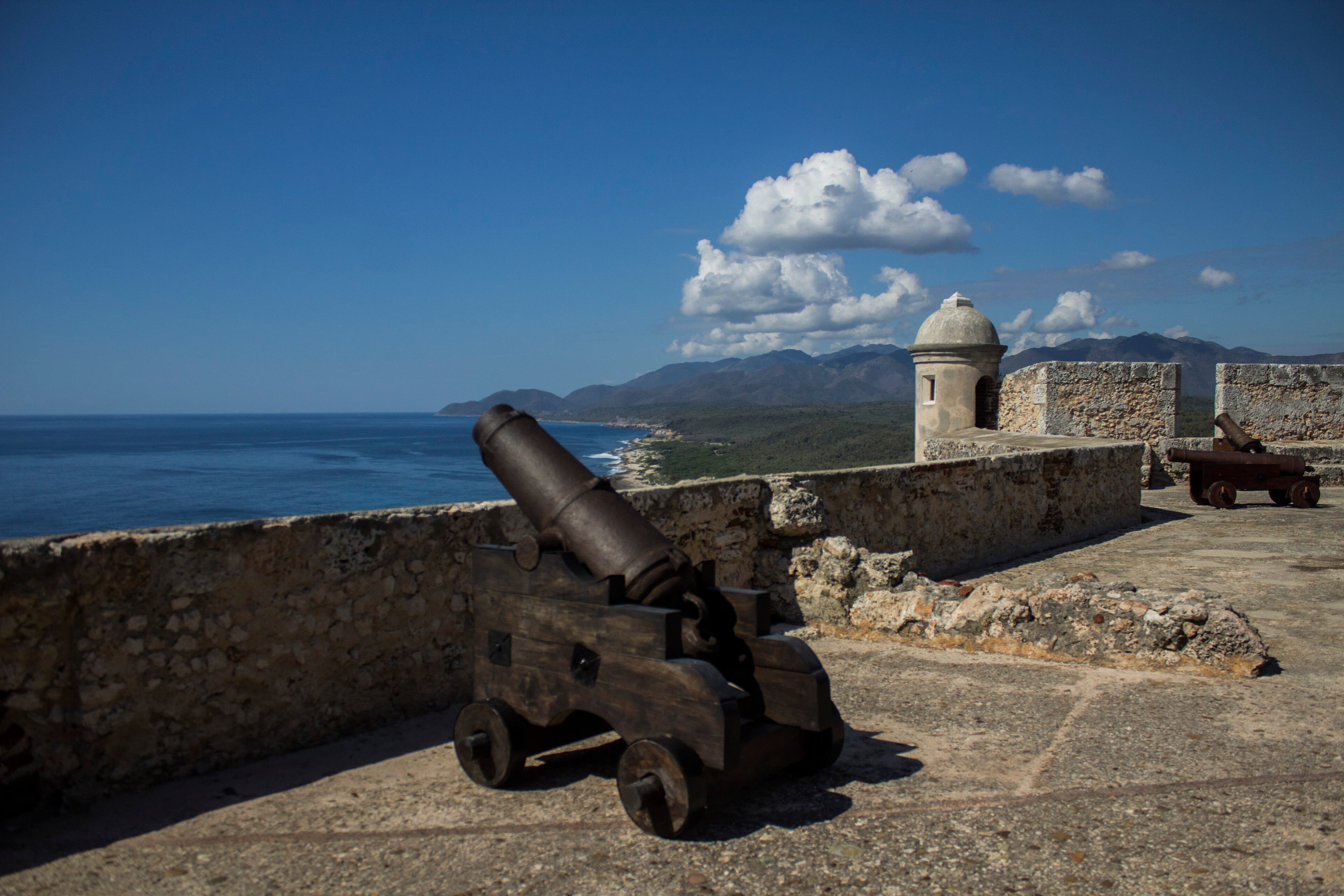
Santiago de Cuba (425,000 inhabitants), the country's second city, is the region's beating heart. Historic capital before the transfer to Havana in 1607, cultural capital of Oriente, Cuba's most African city, it lives at its own rhythm — hotter, more Caribbean, more festive and more rebellious. Casa Diego Velázquez (1522, considered the oldest colonial building in the Americas), the UNESCO Castillo del Morro (17th-century fortress guarding the bay), the Moncada barracks (1953, Castro's failed attack), the Santa Ifigenia cemetery (Martí mausoleum, Castro's tomb since 2016) and the Casa de la Trova (legendary son cubano institution) are its essential sites. The Santiago Carnival (third week of July) is the biggest in Cuba.

North-east of Santiago, the Sierra Maestra unfolds its lush peaks — Pico Turquino (1,974 m, the highest point in Cuba) is climbed in 2-3 days from Bartolomé Masó or Santo Domingo. It was here that Castro, Che Guevara, Camilo Cienfuegos and their guerrillas led the revolution from the Granma landing on 2 December 1956 to victory in January 1959. The Comandancia de la Plata (Castro's HQ, reached on a day hike from Santo Domingo) is a powerful historic site.

At the eastern extreme, Baracoa (Cuba's end of the world, 190 km from Santiago via the spectacular La Farola road) is the oldest Cuban city (1511), which remained isolated until the 1960s. Lined with deserted beaches, bathed in tropical humidity conducive to cocoa cultivation, dominated by the El Yunque sugar loaf (575 m), it offers a unique Caribbean atmosphere — mixed-race, nostalgic. Baracoa cocoa is among the world's finest and local cuisine (cucurucho with coconut, coconut milk, fish grilled in coconut sauce) is distinctly different from the rest of Cuba.

Explore Santiago East

Spots in the region
Situation

Où se situe Santiago East ?

Ouvrir la carte en grand sur OpenStreetMap →

Frequently asked questions

How many days to visit South-East Cuba?+
Plan a minimum of __5-7 nights__ to discover the Oriente: 3-4 nights in Santiago de Cuba (historic centre, Castillo del Morro, Santa Ifigenia cemetery, casas de la trova), 2-3 nights in Baracoa (cocoa cuisine, beaches, El Yunque, hiking), 1 day for the Sierra Maestra (Comandancia de la Plata). With 10 nights, add Holguín and its beaches (Guardalavaca, Playa Esmeralda) or a full Pico Turquino climb (2-3 days).
How to get to the Cuban Oriente from Havana?+
Three options. __Domestic flight__ on Cubana de Aviación or Aerogaviota (Havana → Santiago HAV-SCU, 1h30, €100-180 return) is the fastest — but Cubana is known for cancellations. The __Viazul bus__ (€60, 13-15h, departures 3pm and 10pm) is gruelling but the cheapest. A __private car with driver__ (€350-500 for 4 passengers, 12-14h with stops) only makes sense with intermediate stops. __Car hire__ on a 10-15 day cultural loop (Havana → Trinidad → Camagüey → Bayamo → Santiago) is the richest option.
Is the Santiago Carnival in July really worth the trip?+
Yes, provided you can handle the extreme heat (35 °C, 90% humidity) and intense Cuban crowds. The __Santiago Carnival__ takes place in the third week of July (around the 26th, anniversary of the Moncada attack): 10 days of comparsa parades (costumed musical groups), giant conga processions through the city (traditional dancing procession, Santiago's African soul), concert stages on squares. It is Cuba's biggest carnival — comparable to Salvador de Bahia or Trinidad. Book casas particulares six months ahead.
What to see in Baracoa and why go?+
Baracoa, Cuba's oldest city (founded in 1511 by Diego Velázquez), remained isolated from the rest of Cuba until the La Farola road was built in 1965 — which preserved a unique mixed-race Caribbean atmosphere. Key sites: the __Cruz de la Parra__ (cross planted by Christopher Columbus in 1492, kept in the Cathedral), __Fuerte Matachín__ (Museo Municipal, city history), __Playa Maguana__ (the region's most beautiful beach, 20 km north-west), climbing __El Yunque__ (575 m, symbolic sugar loaf, 3-4h round-trip hike). Baracoa __cocoa__ is world-class — Casa del Chocolate for tasting and purchase. __Local cuisine__ (cucurucho with coconut, fish in coconut sauce, coconut milk) is markedly different from the rest of Cuba.
Can you hike in the Sierra Maestra?+
Yes, it is one of the region's major draws. The headline hike is the climb of __Pico Turquino__ (1,974 m, the highest point in Cuba) — 2-3 days from Santo Domingo or Bartolomé Masó with mandatory guide and refuge overnight (€80-120 organised excursion). More accessible: __Comandancia de la Plata__ (Fidel Castro's former HQ during the revolution, reached on a day hike from Santo Domingo, €30-40 with guide) — an exceptional historic site in tropical jungle. The region also hosts the __Desembarco del Granma__ national park (UNESCO, site of Castro's 1956 landing) at the western end.
What beaches are there in South-East Cuba?+
The region offers some remarkable beaches. __Siboney beach__ (19 km east of Santiago) is the most accessible — black volcanic sand, turquoise water, beach bars. __Maguana beach__ (Baracoa) is more beautiful and more deserted. __Guardalavaca beach__ (Holguín province, 5h from Santiago) is the other major Oriente beach resort — all-inclusive resorts (Paradisus Río de Oro, Sol Río de Luna y Mares), white sand, diving. For travellers combining culture (Santiago/Baracoa) and beach, Guardalavaca offers an ideal 3-4 night beach interlude.
How to get from Santiago to Baracoa?+
190 km, 4-5h via the spectacular __La Farola road__ — one of the most beautiful roads in Cuba, built into the Sierra del Purial mountainside with tight bends and dizzying panoramas. The __Viazul bus__ (€15, 5h, 2 daily departures) is the economy option. A __colectivo taxi__ (€25-35 per person, 4h) is faster. A __private car with driver__ (€120-180 for 4 passengers, 4-5h) allows photo stops on La Farola — recommended for those who want to enjoy the scenery. Caution: the La Farola road can be temporarily closed after a hurricane.

Our verdict

South-East and Santiago is the Cuban Oriente — Cuba's most singular, authentic and demanding region. It has to be earned (870 km from Havana, extreme heat, limited infrastructure) but generously rewards the traveller who ventures there. Recommended only for a second Cuban trip or for a first 14+ day trip wanting to cover everything. Plan a minimum of 5-7 nights in the region: 3-4 in Santiago (historic centre, Castillo del Morro, cemetery, Casa de la Trova), 2-3 in Baracoa (cocoa cuisine, beaches, El Yunque), 1 day hike to the Comandancia de la Plata. Access is by mandatory internal flight from Havana (1h30, Cubana/Aerogaviota).

Mowando Letter

Once a month: the right destinations for the right season + the best booking windows.

No spam. One-click unsubscribe. Your data is never shared.