Region
Rio & Southeast
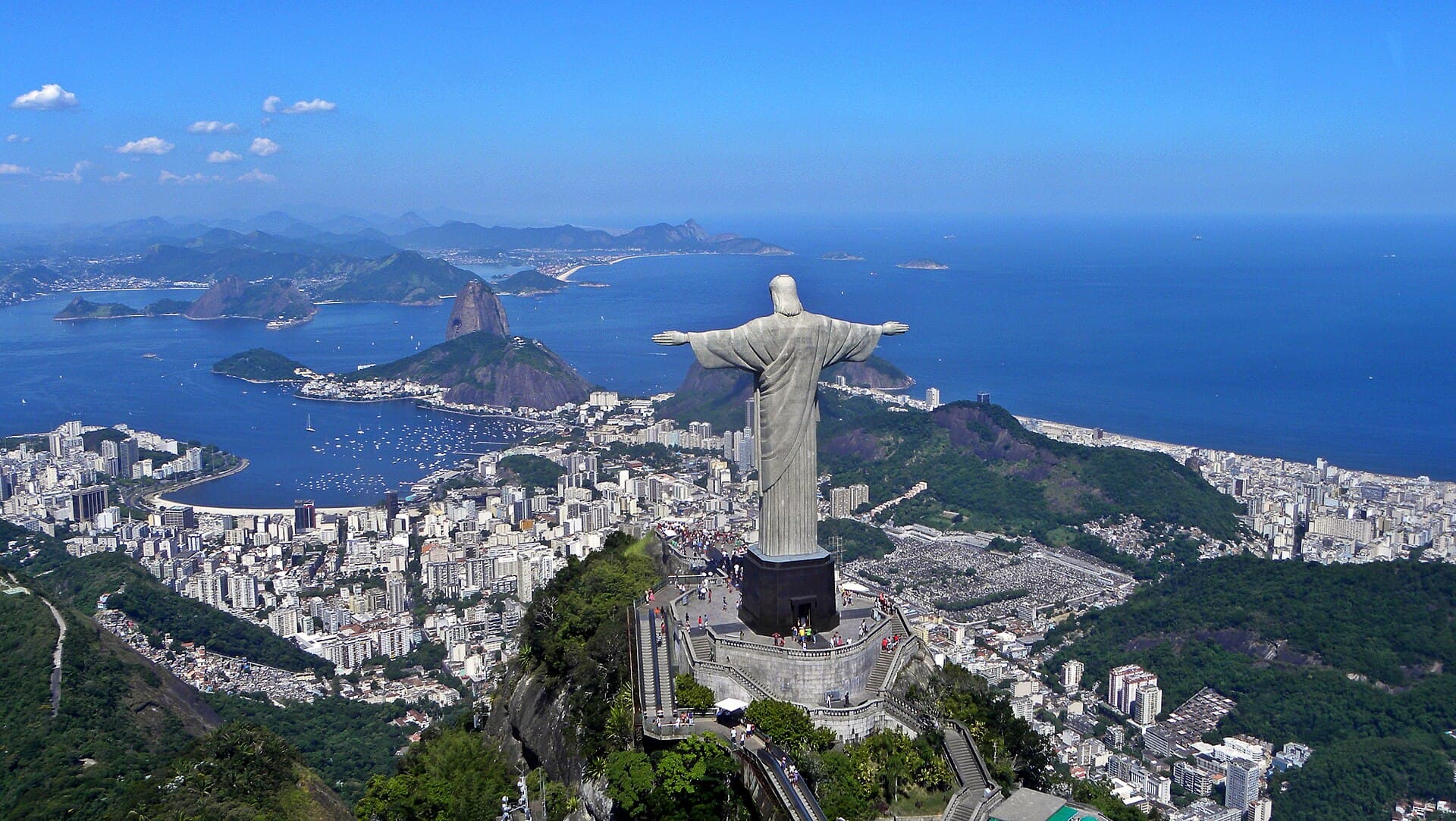
Brazil's historical and tourist heart — Rio de Janeiro and Christ the Redeemer, mythical Copacabana and Ipanema beaches, world-famous Carnival, chic Búzios resort and UNESCO colonial jewel of Paraty (1667).
Rio and the Southeast is Brazil's historical and tourist heart — the region concentrating most international arrivals and embodying for many the very image of the country. From Rio de Janeiro (6.7 million inhabitants, country's 2nd city) to the chic peninsula of Búzios (200 km north-east) via the UNESCO colonial village of Paraty (250 km south-west), the Costa Verde and the Serra dos Órgãos mountains, the region offers an extraordinary condensation of Brazilian charms within a few hundred kilometres.
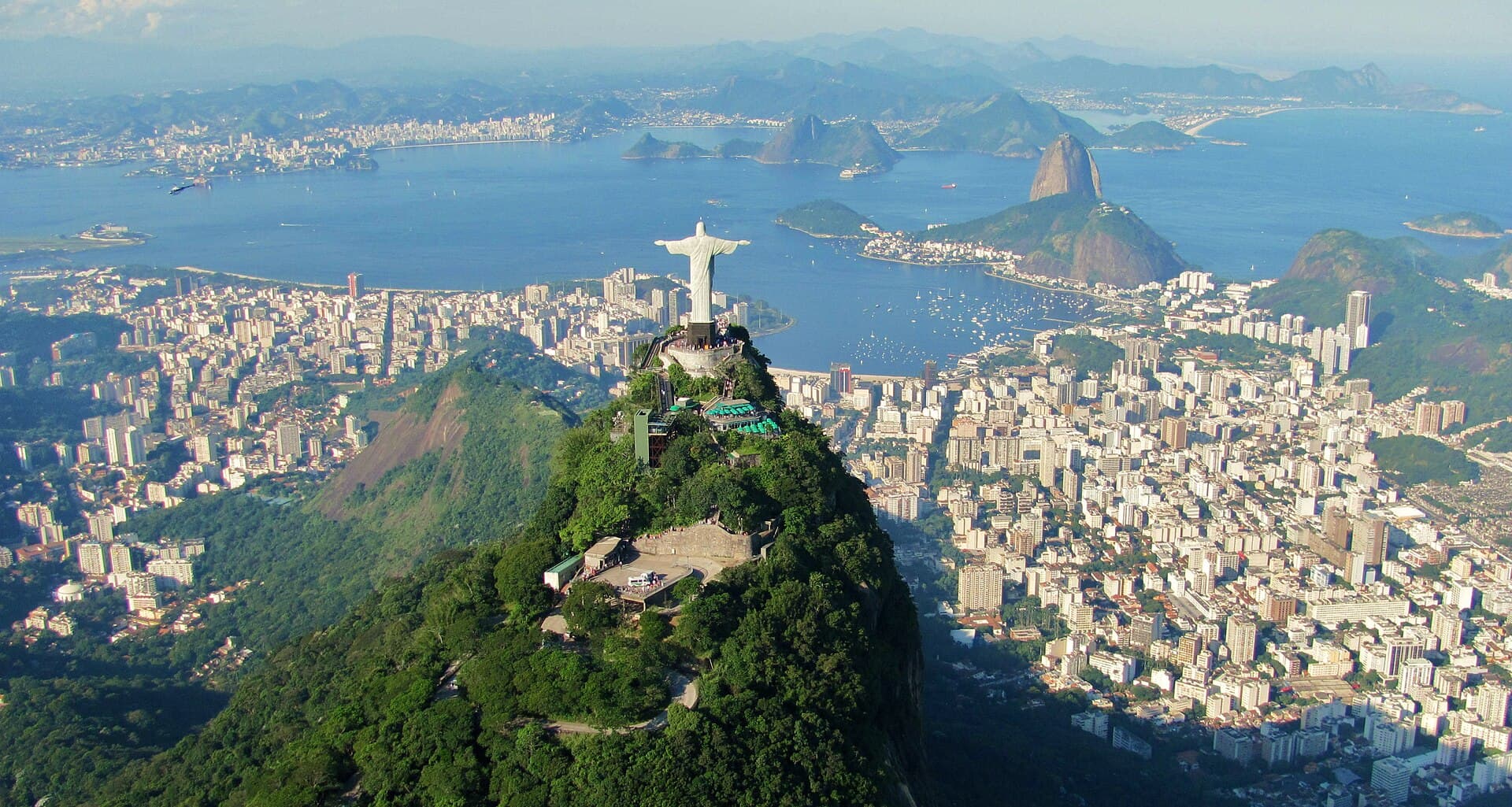
Rio de Janeiro (familiarly called _Cidade Maravilhosa_) is the absolute jewel — a metropolis nestled between the Atlantic Ocean, Guanabara Bay and granite hills sculpted by wind and rain. Christ the Redeemer (1931, 38 m tall, Art Deco statue), Sugarloaf (mythical cable car since 1912, 396 m), Copacabana beach (4 km of white sand), Ipanema (immortalised by Tom Jobim and Vinicius de Moraes bossa nova), bohemian Santa Teresa neighbourhood with its yellow tram, Oscar Niemeyer's Sambódromo (1984), colourful mosaic Selarón steps — the concentration of global icons per km² is unmatched. Rio also has intense nightlife (Lapa for samba, Leblon for chic bars).
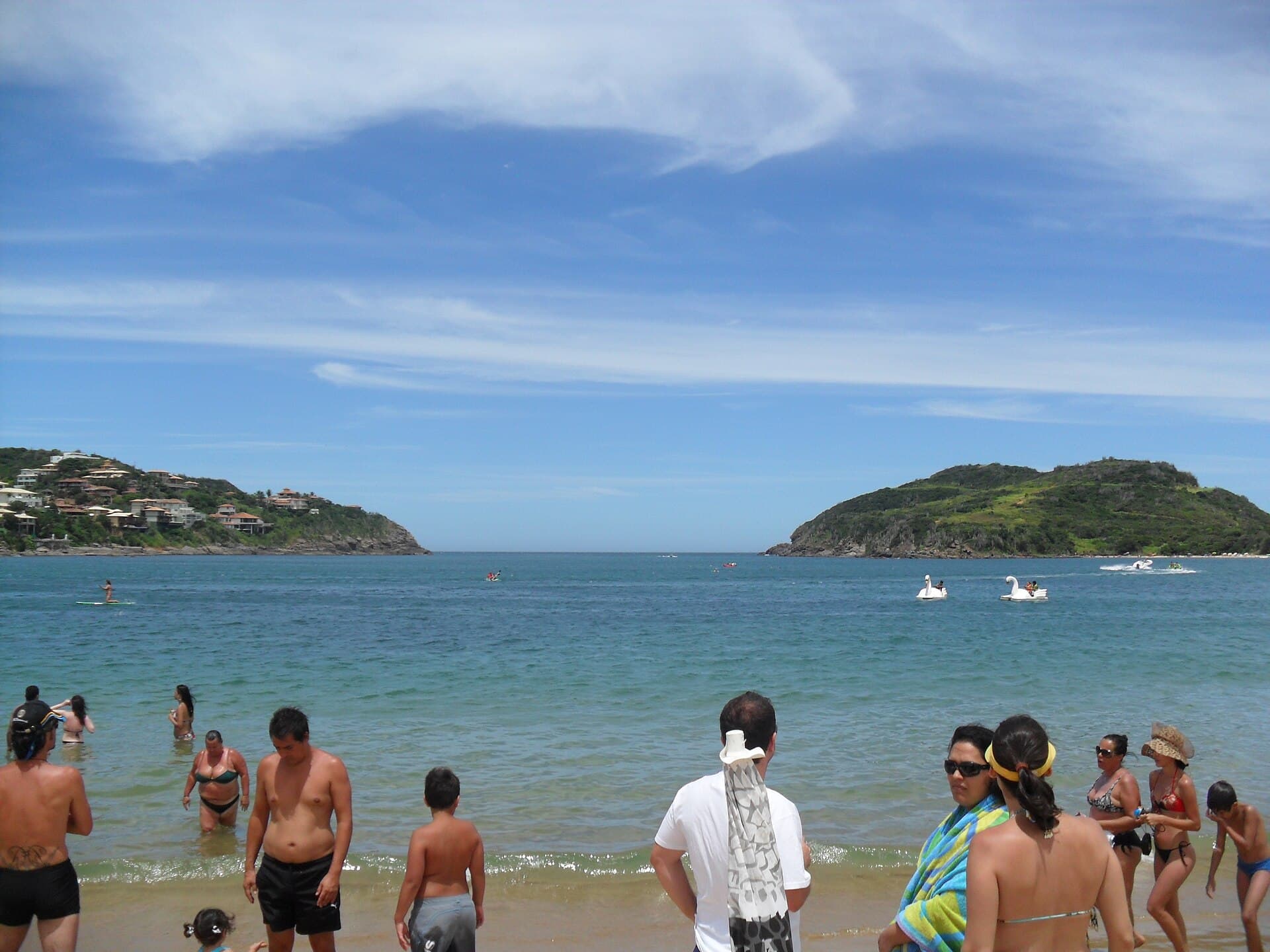
Búzios, 200 km north-east by road, is Brazil's chic beach resort — a fishing village propelled onto the world stage in 1964 by Brigitte Bardot and her Brazilian companion Bob Zagury. 23 distinct beaches (Ferradura, Geribá, João Fernandes, Brava), gourmet restaurants, designer boutiques, relaxed but sophisticated atmosphere. It's Brazil's tropical Saint-Tropez — preferred by Cariocas (Rio residents) for weekends, by Argentinians en masse during austral summer.
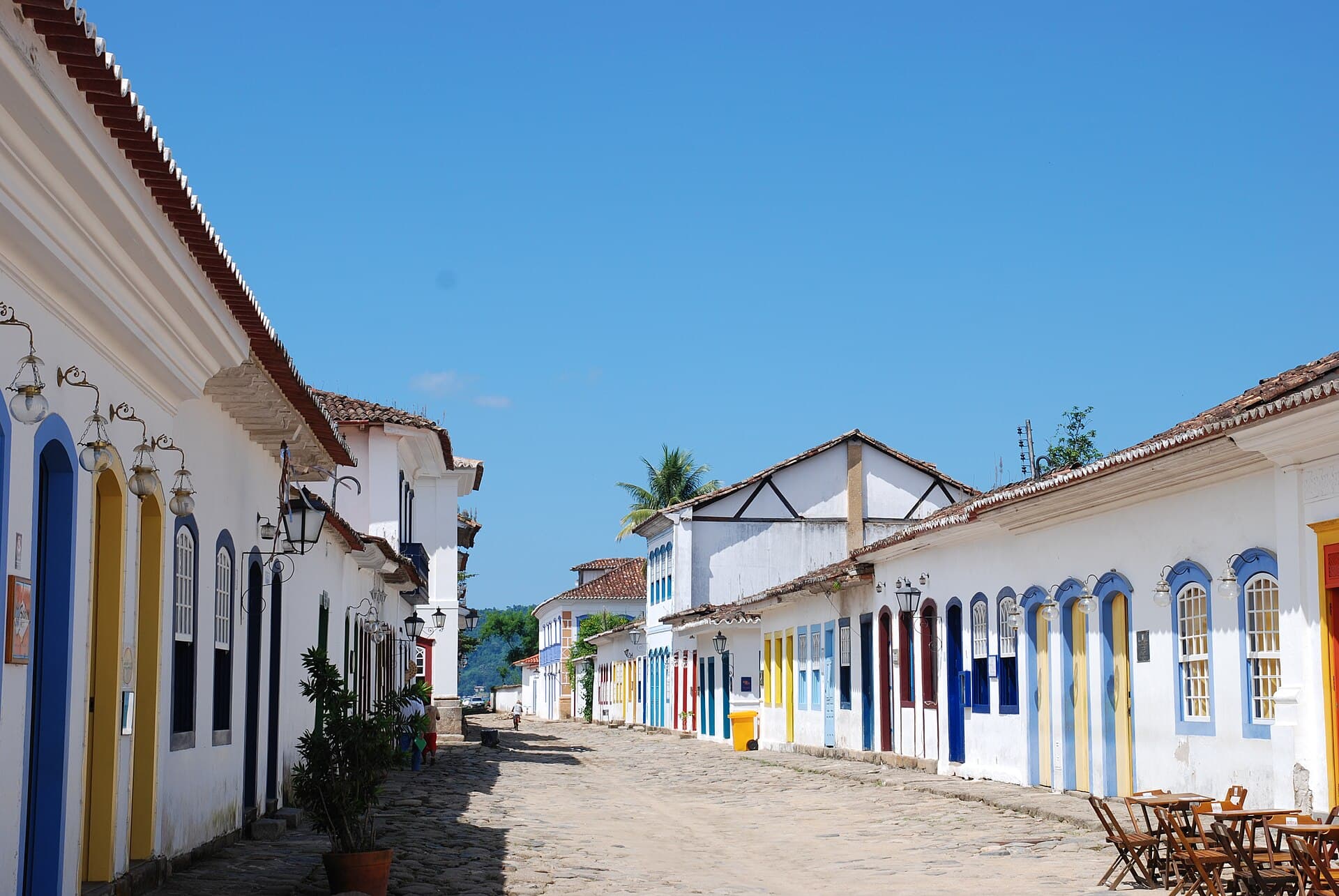
Paraty, 250 km south-west on the Costa Verde, is one of Brazil's most beautiful colonial villages — founded in 1667, UNESCO-listed in 2019 ("Paraty and Ilha Grande – culture and biodiversity"). Its uneven cobblestone streets (pé-de-moleque), white houses with colourful doors and windows (blue, yellow, green, red), 4 colonial churches (Santa Rita, Matriz, Rosário, Capela das Dores), bay dotted with tropical islands surrounded by Atlantic forest make it an unforgettable stop. Schooner excursion in the bay essential (€40-60 per day).
The region also includes the Serra dos Órgãos (Petrópolis, former imperial city, and Teresópolis), Ilha Grande (car-free ecological sanctuary, ferry from Angra dos Reis), and the neighbouring state of Minas Gerais (Ouro Preto, Tiradentes, Diamantina — exceptional Baroque colonial heritage, 5h drive or 1h flight from Rio). For a first Brazil trip, the combination Rio (3-4 nights) + Búzios or Paraty (2-3 nights) is the reference itinerary.
Explore Rio & Southeast
Spots in the region
Situation
Où se situe Rio & Southeast ?
Ouvrir la carte en grand sur OpenStreetMap →Frequently asked questions
Rio, Búzios or Paraty: which to choose?+
Should you visit Rio during Carnival?+
How to get from Rio to Paraty or Búzios?+
Which neighbourhoods to sleep in Rio?+
When is the best time for Rio and Southeast?+
Our verdict
Rio and the Southeast is the unmissable stop of a first Brazil trip — the region condensing most of the country's global icons (Christ the Redeemer, Copacabana, Carnival, bossa nova) and offering excellent international entry point (direct Paris-Rio flight 11h). Always combine Rio (3-4 nights) with Búzios (2 nights) for chic beach atmosphere or Paraty (2-3 nights) for UNESCO colonial charm — this 7-9 day formula offers a complete carioca trip. Travel from April to October (dry season) to avoid crushing heat and tropical storms. For Carnival (4 days late February-early March), book 6-12 months ahead: hotel rates x2 to x4, but a unique experience in the world. Respect Rio urban safety rules (no jewellery, no phone in street, Uber instead of street taxi, favelas with accredited guide only) — you'll discover one of the world's most beautiful and vibrant cities.