
Mowando

Climate & seasons

When to visit Uluru?

By La rédaction · Updated 6/10/2026

The Editors
The Editorsauteur principal✓ Verified

"Été extrême, chaleur dangereuse 38-45 °C."

Expert on Uluru · 1 contributions

The best periods

The best time to visit Uluru is mai à septembre (hiver austral). The most recommended months are Janvier, Février, Mars, Avril, Octobre, Novembre, Décembre.

Mai, Juin, Jui, Aoû, Sep

Hiver austral — LA saison Uluru

  • Températures parfaites : 20-25 °C en journée, 5-12 °C la nuit
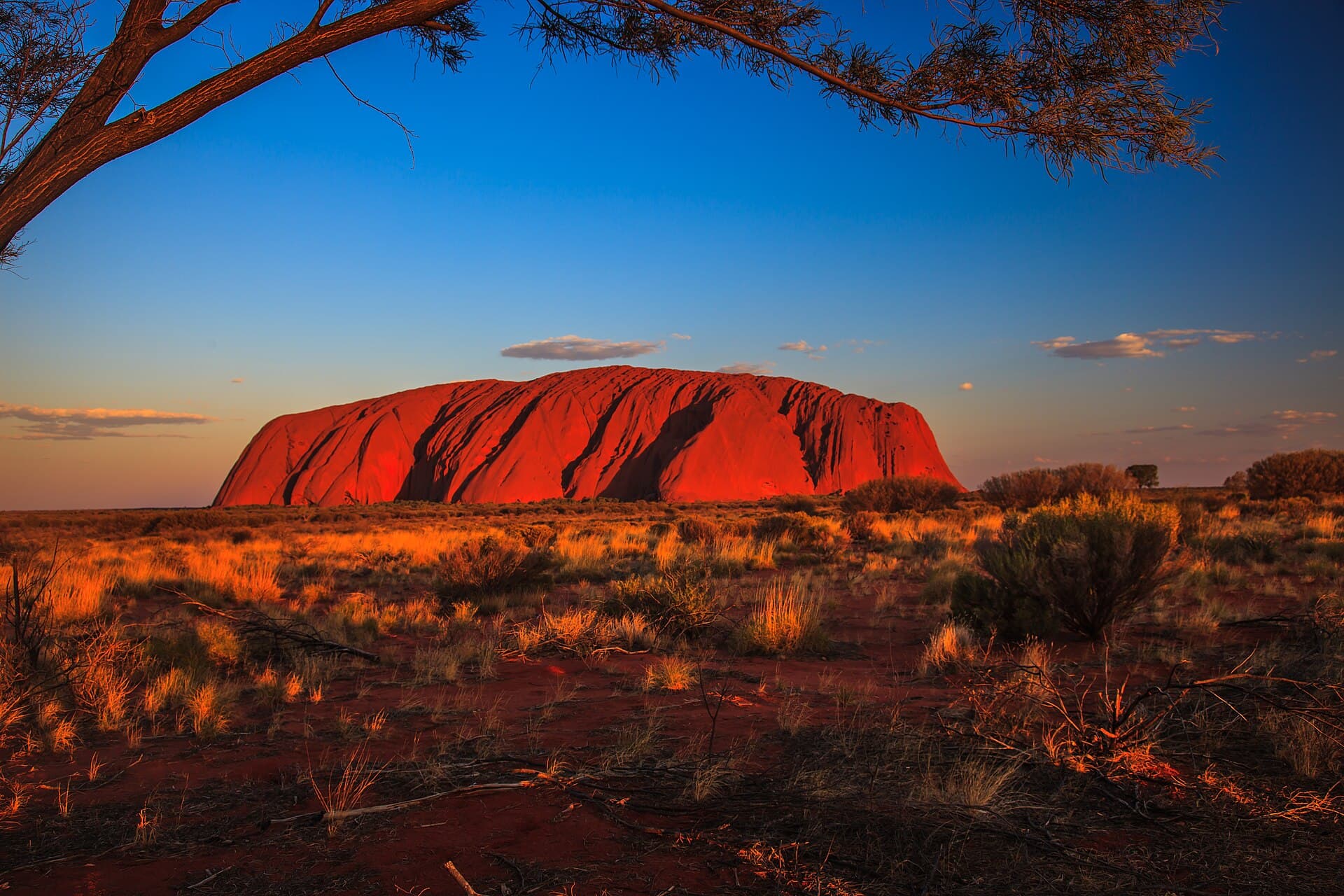
  • Ciel limpide, lever et coucher de soleil spectaculaires sur Uluru
  • Randonnée Base Walk (10,6 km) dans des conditions optimales
  • Pas de mouches gênantes, faible humidité
  • Nuits froides (parfois 0 °C en juillet) : polaire et veste obligatoires
  • Pic touristique juillet (vacances scolaires AU) : tarifs au sommet
  • Réservation 3-6 mois à l'avance pour Sounds of Silence et Longitude 131°
Avr, Oct

Inter-saison — équilibre

  • Climat encore agréable (25-30 °C), foule modérée
  • Tarifs en baisse, excellente luminosité photographique
  • Octobre commence à chauffer, mouches plus présentes
Nov, Déc, Jan, Fév, Mar

Été austral — chaleur extrême

  • Tarifs réduits, peu de monde
  • Lever et coucher du soleil sur Uluru toujours spectaculaires
  • Chaleur extrême 38-45 °C : randonnées impossibles l'après-midi
  • Risque grave d'hyperthermie et déshydratation
  • Base Walk d'Uluru souvent fermé par les Anangu pour sécurité
  • Mouches omniprésentes (voile à mouches indispensable)
  • Orages secs avec risque de feux de brousse

Month-by-month climate

Temperatures, rainfall and sunshine in Uluru across the 12 months.

JanFévMarAvrMaiJuinJuiAoûSepOctNovDéc
Min23°22°20°16°11°8°5°6°11°16°19°22°
Max39°37°34°29°24°21°20°23°27°31°34°37°
Mer
Pluie25mm40mm35mm12mm13mm14mm8mm6mm8mm15mm30mm35mm
Soleil/j10h10h9h9h9.5h9.5h10h10.5h10.5h10h10h10h

Tourist crowds

Monthly attendance levels (0 = empty, 100 = saturated).

Jan
30
Fév
30
Mar
40
Avr
65
Mai
80
Jui
90
Jui
100
Aoû
95
Sep
90
Oct
75
Nov
50
Déc
35

Frequently asked questions

Can you still climb Uluru?+
No. Since October 26, 2019, climbing Uluru is permanently prohibited by park management council decision — after decades of requests from the Aboriginal Anangu people (traditional owners since official return in 1985), who considered climbing as desecration of their most sacred place. The date symbolically coincided with the 34th anniversary of the return (October 26, 1985). Previously, thousands of tourists climbed annually, causing 37 deaths since 1958 (falls, heart attacks, hyperthermia) and serious erosion. Today, the experience is lived around Uluru via the Base Walk (10.6 km circular, 3-4h) — official trail allowing observation of the monolith from all angles, Mutitjulu caves (Aboriginal rock art), Mutitjulu water hole, Kuniya reliefs. This is the recommended and respectful experience, far deeper than the previously prevailing climb.
When is the best time to visit Uluru?+
Austral winter (May to September) is imperatively the best period. Perfect temperatures: 20-25 °C by day, 5-12 °C at night (plan fleece and warm jacket for evenings). Clear sky, maximum sunshine, spectacular Uluru sunrise and sunset. Low humidity, no annoying flies. Base Walk and Kata Tjuta Valley of the Winds hikes possible all day. May-June and August-September offer the best compromise (reasonable rates, moderate crowds outside July AU school holidays). Absolutely avoid November to March: extreme heat (38-45 °C by day), serious risk of hyperthermia and dehydration, impossible afternoon hikes (Base Walk often closed by Anangu in excessive temperature — safety), omnipresent flies (fly net essential, available on site AUD 10), dry thunderstorms with bushfire risk, possible flash floods in MacDonnell Ranges gorges. April and October are acceptable shoulder seasons.
How to get to Uluru?+
Ayers Rock Airport (AYQ, Connellan Airport) is 5 km from Yulara/Ayers Rock Resort, free shuttle included for hotel guests (Voyages organises transfers). Direct flights: Sydney 3h30 (Qantas, Virgin, Jetstar — AUD 250-450 return depending on season and lead time), Melbourne 3h (AUD 250-450 return), Brisbane 3h30 (AUD 250-450), Cairns 2h30 (AUD 200-400). Alternative via Alice Springs (ASP): flight from Sydney 3h (AUD 200-400), then 4h30 drive (450 km) to Uluru via Stuart Highway and Lasseter Highway (car rental AUD 60-80/day, left-hand driving) — option for those wanting to combine Alice Springs + MacDonnell Ranges + Uluru in 4-5 day road trip. The transcontinental train The Ghan (Adelaide-Darwin via Alice Springs, 3 days/2 nights, AUD 1,800-3,500/person in cabin, signature experience) — option for those wanting to transform travel into experience in its own right.
Where to stay at Uluru?+
Yulara/Ayers Rock Resort (20 km from Uluru, in the national park) is the region's only tourist village, managed by Voyages Indigenous Tourism Australia (Indigenous-owned). It gathers all accommodations: Longitude 131° (15 luxury tent-suites at park edge with direct Uluru view from bed, AUD 3,000-5,000/night all-inclusive — ultimate signature experience), Sails in the Desert (5*, AUD 400-700/night, the main premium resort with pool and restaurants), Desert Gardens Hotel (4*, AUD 250-450/night), Outback Pioneer Hotel & Lodge (3*, AUD 200-350/night, with popular sunset bar), Emu Walk Apartments (apartments, AUD 350-500), Ayers Rock Campground (camping from AUD 30, mobile homes from AUD 200). Book 3-9 months ahead in high season (June-August). No accommodation allowed outside Yulara within 50 km — it's a monopoly.
What is the Sounds of Silence dinner?+
Sounds of Silence (organised by Voyages, AUD 220-250/person) is the signature Uluru experience — a gourmet dinner in open desert at sunset. The programme: shuttle from your hotel, champagne aperitif atop a dune with panoramic Uluru view as sun sets (flamboyant orange), modern Australian cuisine buffet dinner (kangaroo, barramundi, lamb, Australian wines), then guided starry sky observation by astronomer (Uluru is certified Dark Sky Place — Milky Way extraordinary clarity, visible to naked eye, remarkable photographs). Duration 4h, return around 10pm. Mandatory booking 2-3 months ahead (sounds-of-silence.com.au). More exclusive variants: Tali Wiru (AUD 385/person, more intimate max 20 people, refined gastronomy), Field of Light dinner (Bruce Munro, monumental art installation of 50,000 solar lamps covering 49,000 m² with Uluru view, AUD 250-350 with dinner, AUD 60 entry alone).

Our verdict

Uluru is Australia's signature nature and spiritual experience — the absolute Outback icon, sacred Aboriginal monolith, UNESCO double-listed site. Plan 2-3 nights minimum at Yulara/Ayers Rock Resort: Day 1 — arrival, sunset over Uluru from Sunset Viewing Area. Day 2 — sunrise from Talinguru Nyakunytjaku, Base Walk (10.6 km, 3-4h morning), Cultural Centre, sunset + Sounds of Silence dinner (AUD 220-250/person, under stars with astronomical observation). Day 3 — Kata Tjuta (Olgas) Valley of the Winds hike (7.4 km, 3-4h), return flight from AYQ. Imperatively prioritise austral winter (May to September) — perfect climate, no flies. Avoid November-March (extreme heat 38-45 °C, dangerous hikes). Do not forget the cultural dimension: respect prohibited photo zones (clearly signed), visit the Cultural Centre, ideally opt for Anangu-guided experience.

Similar destinations

Mowando Letter

Once a month: the right destinations for the right season + the best booking windows.

No spam. One-click unsubscribe. Your data is never shared.