ville
Hanoi
One of Southeast Asia's most authentic capitals, where Confucian temples stand beside egg coffee cafés and the Old Quarter's 36 ancient trading streets still hum with daily life.
Hanoi resists the homogenising forces of rapid modernisation and preserves, in its core, the living texture of a millennial city. The Old Quarter (Pho Co) — 36 streets each named after the craft once traded there — is one of the best-preserved historic centres in Southeast Asia: goldsmiths, paper merchants and incense sellers follow one another through a labyrinth of tube houses with colourful façades.
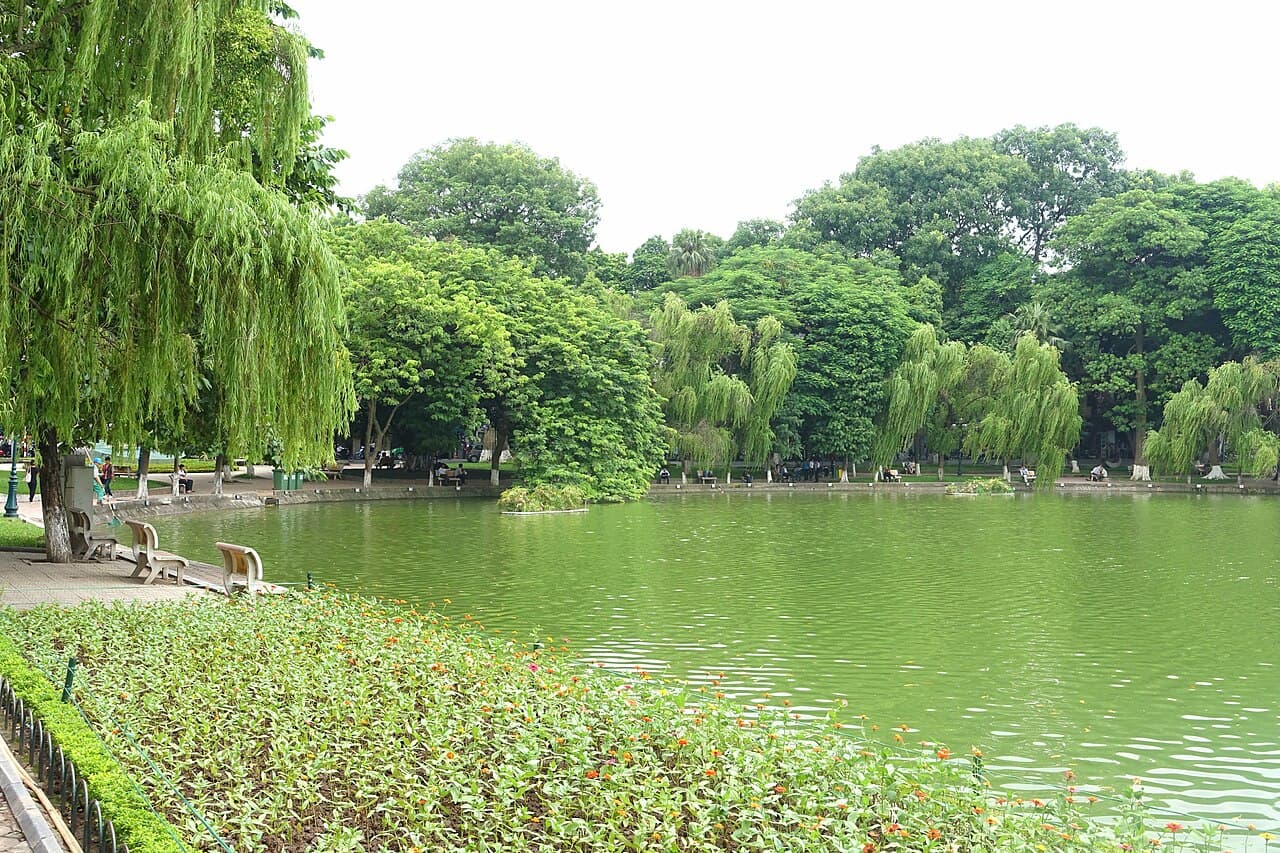
Around Hoan Kiem Lake and its small island temple of Ngoc Son, the city breathes at its own pace: tai chi at dawn, evening strollers, scooters in permanent swarms. The Temple of Literature (Van Mieu, 11th century) is one of the finest preserved monuments in the country — a Confucian university surrounded by pavilions and gardens. Nearby, the Ba Dinh district holds the monuments of the revolutionary era: the Ho Chi Minh Mausoleum, the Vietnam Museum of Ethnology (one of the best in the region) and the One Pillar Pagoda.
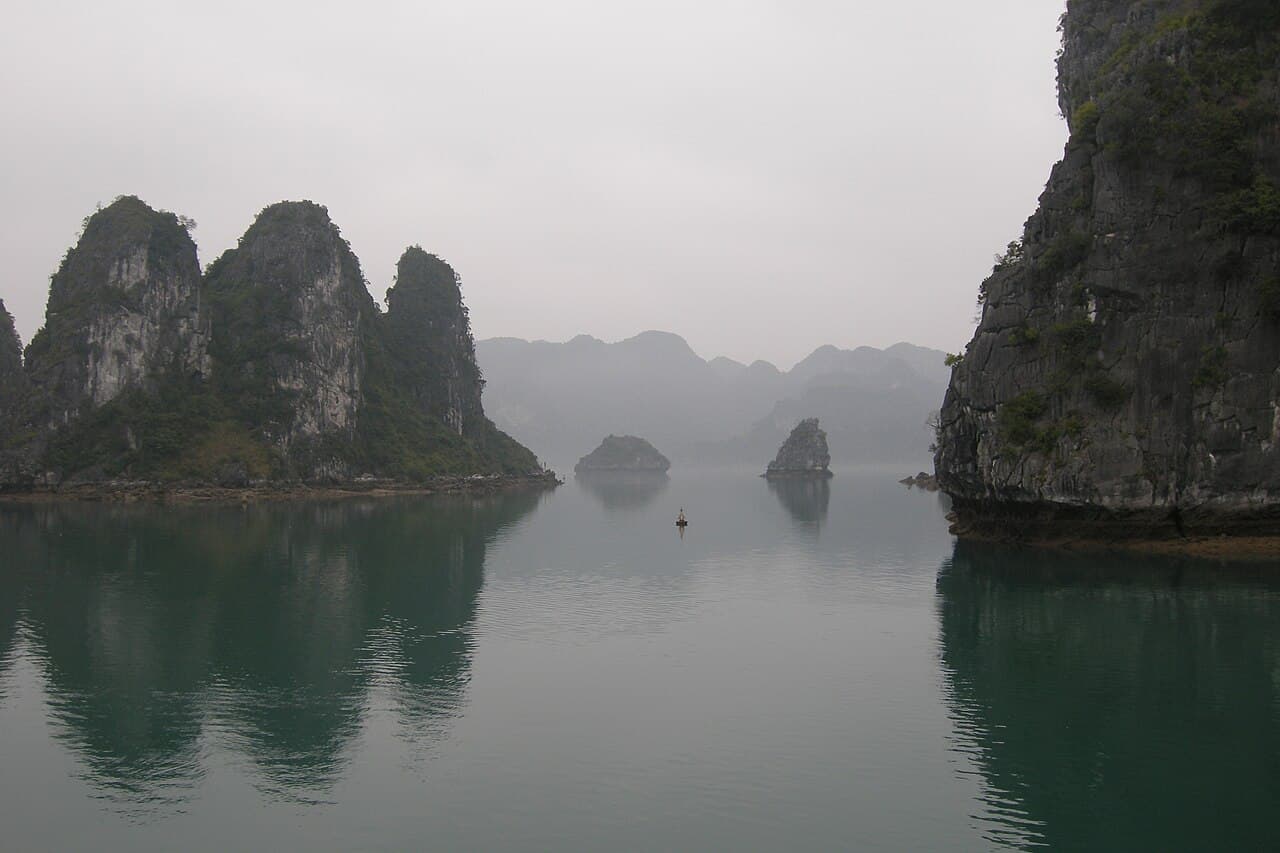
But Hanoi is also lived in the street: bun cha grilling over charcoal braziers, pho bo served at dawn in steaming bowls, crunchy banh mi at any hour, ca phe trung (whipped egg coffee) in old cafés on Dinh Tien Hoang street. The city is the gateway to northern Vietnam and the natural departure point for Ha Long Bay (3 hours by road), the rice terraces of Sapa and the Ha Giang loop.
What we love
- ✅Exceptional Old Quarter: one of Southeast Asia's best-preserved historic city centres
- ✅World-class street food — pho, bun cha, banh mi, egg coffee — around every corner
- ✅Very low cost of living: accommodation, restaurants and transport among the cheapest on the continent
- ✅Ideal gateway for day trips to Ha Long Bay, Sapa and Ha Giang
- ✅Unique atmosphere: blend of Confucian tradition, French colonial heritage and modern Vietnamese energy
What to know
- ❌Anarchic scooter traffic — crossing the street requires real adaptation
- ❌Significant air pollution, especially during the dry season and rush hours
- ❌Misty, drizzly winter (December-January): persistent grey skies, little sunshine
- ❌Frequent touting of tourists in the most visited parts of the Old Quarter
Situation
Où se situe Hanoi ?
Ouvrir la carte en grand sur OpenStreetMap →Frequently asked questions
How many days should I spend in Hanoi?+
When is the best time to visit Hanoi?+
How do I get around Hanoi?+
What is the Hanoi train street?+
Do I need a visa to visit Vietnam?+
What is the currency in Vietnam and how do I pay?+
Can I take a day trip to Ha Long Bay from Hanoi?+
Is Hanoi safe for travellers?+
Our verdict
Hanoi is one of those capitals that grows on you slowly but lastingly. Less immediately spectacular than Bangkok or Singapore, it reveals its depth to those who take the time to get lost in it: a pho alley at dawn, a neighbourhood temple between two blasts of horns, an egg coffee on a mezzanine watching the scooters below. Allow 3 to 4 days minimum on the ground, book a Ha Long Bay overnight cruise, and let yourself be carried by the particular rhythm of this old Asian lady. Come in October-November or March for the best combination of weather and crowd levels.
Réserver votre séjour
Liens partenaires — une commission peut nous être reversée, sans surcoût pour vous.
 HébergementAnnulation gratuite
Hôtels & guesthouses au Vietnam
Du boutique-hôtel colonial à Hanoï aux beach resorts de Phu Quoc, comparez tout le Vietnam au meilleur prix.
ActivitéSans queueExcursions au Vietnam
Croisière Halong, cours de cuisine à Hoi An, tunnels de Cu Chi, delta du Mékong — sans démarches.
VolComparateurVols vers le Vietnam
Paris-Hanoï et Paris-Ho Chi Minh comparés, plus les vols domestiques VietJet et Vietnam Airlines à petit prix.
Nearby

"Janvier à Hanoï, c'est l'hiver vietnamien : fraîcheur piquante, brume sur le lac Hoan Kiem le matin, et l'effervescence du Têt qui approche. La ville se pare de pétales de fleurs de pêcher et de kumquats. Un foulard et une veste légère sont indispensables."
Expert on Hanoi · 1 contributions
 South-East Asia Desk — Mowando·Editor