- Visa
- Not required
- Passport validity
- 6 months
- Safety level
- Modérée
- Recommended vaccines
- DTP, Hépatite B, Hépatite A
Les ressortissants français bénéficient du programme d'exemption de visa (Visa Waiver Program) pour les séjours touristiques ou d'affaires inférieurs à 90 jours. À ce titre, l'ESTA (Electronic System for Travel Authorization) est obligatoire avant tout embarquement vers les États-Unis — formalité dématérialisée à effectuer en ligne sur le site officiel esta.cbp.dhs.gov.
Le formulaire ESTA coûte 21 USD (paiement carte uniquement), s'obtient sous 72 heures généralement (souvent quelques minutes), reste valide 2 ans ou jusqu'à expiration du passeport (la plus courte des deux durées) et autorise des entrées multiples pour des séjours de 90 jours maximum chacun. La demande doit être déposée au minimum 72 heures avant le départ ; en cas d'urgence, des délais plus courts sont possibles mais non garantis.
Le passeport biométrique ou électronique est obligatoire pour bénéficier du Visa Waiver Program. Il doit être valide pour la durée du séjour (pas de règle stricte de 6 mois post-retour pour les ressortissants français grâce à un accord bilatéral, mais 6 mois recommandés par sécurité). Un billet retour ou une preuve de continuation de voyage est exigé à l'embarquement.
Attention aux cas d'inéligibilité ESTA : voyageurs ayant séjourné depuis 2011 en Iran, Irak, Syrie, Soudan, Libye, Somalie, Yémen, Corée du Nord, Cuba ou ayant double nationalité avec ces pays — un visa B1/B2 classique sera requis (180 USD, RDV à l'ambassade, délai 2-6 mois). À l'arrivée, prévoyez 30-60 min de contrôle frontalier (CBP) à l'aéroport — empreintes biométriques, photo, questions sur le motif du séjour et l'adresse de résidence.
The United States shows globally moderate safety, with significant disparities between states, cities and neighbourhoods. The country has one of the developed world's highest homicide rates (6-7 per 100,000 in 2024, vs 1-2 in Western Europe), largely tied to free or weakly regulated gun-carry in 30+ states (open carry, concealed carry). For the informed tourist, risk remains nonetheless limited to classic, heavily patrolled and generally safe tourist zones.
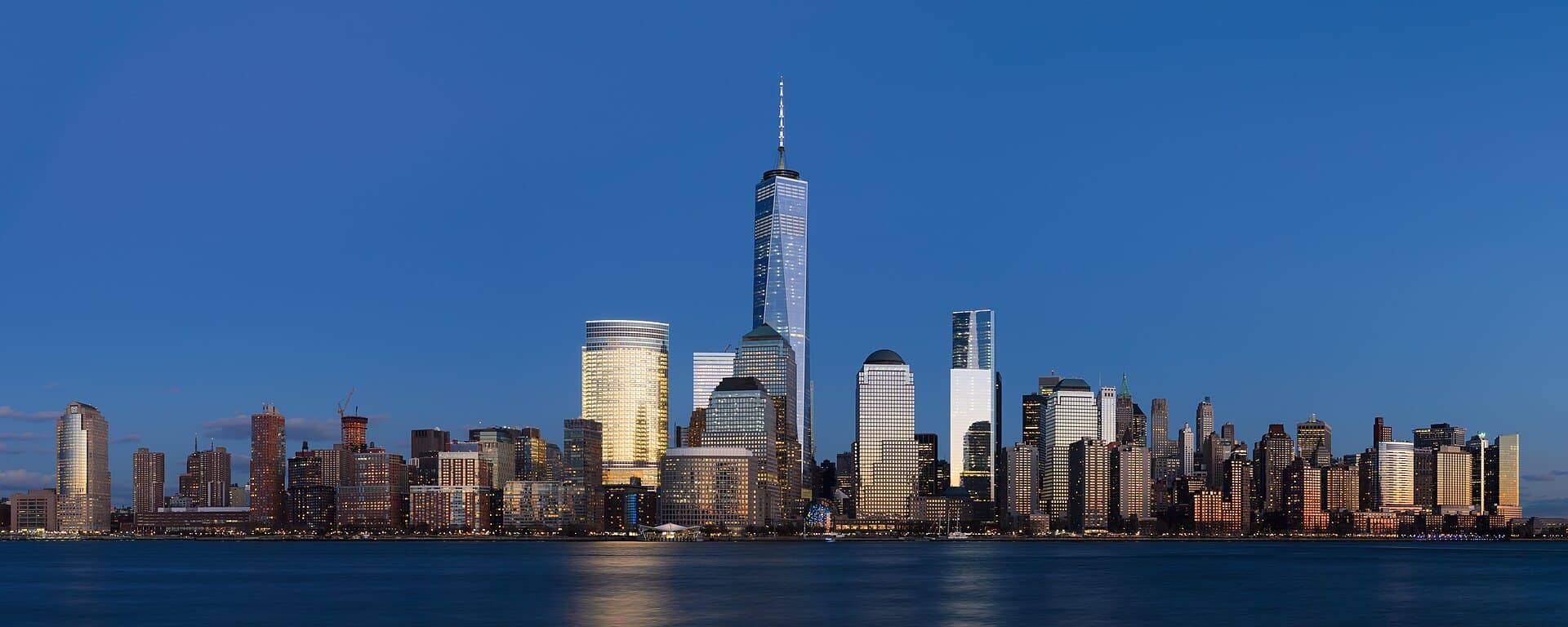
Tourist crime concerns mainly a few specific urban zones. In New York: Manhattan below 96th Street is generally safe 24/7, vigilance in subway late at night, avoid northern Bronx (Mott Haven, Hunts Point) and parts of East New York Brooklyn. In Los Angeles: Downtown Skid Row absolutely avoid, Compton and South Central with caution, Hollywood and Beverly Hills safe. In Chicago: South Side avoid, Loop and North Side safe. In New Orleans: French Quarter safe daytime, evening vigilance, avoid Treme at night. In Miami: South Beach and Brickell safe, Liberty City and some north-west sectors avoid. In Washington D.C.: National Mall and tourist areas safe, parts of Anacostia and SE avoid. In San Francisco: Tenderloin downtown avoid (fentanyl crisis, aggressive homeless), Mission and other neighbourhoods safe.
Rental car break-ins (smash-and-grab) are a real plague in San Francisco, LA, Seattle, Portland — never leave any visible item in the car, even in hotel and national park lots. Classic tourist scams: fake street artists at Hollywood, fake Spider-Man at Times Square aggressively demanding tips, fake taxis at JFK and LAX (take official yellow NYC taxi or licensed LAX taxi, or Uber/Lyft).
Mass shootings mark US news (schools, workplaces, public events) but remain statistically extremely rare for tourists — comparable probability to a serious road accident. No reason to alter your trip for this.
Natural risks vary by region. Hurricanes (Atlantic-Gulf, June 1-November 30, peak Aug-Oct): Florida, Louisiana, Carolinas. Tornadoes (Tornado Alley: Texas, Oklahoma, Kansas, Nebraska, Iowa, March-June). Wildfires (California, Oregon, Washington, late summer-autumn, smoke and park closures). Earthquakes (California, San Andreas Fault, Cascadia Fault). Winter storms (Northeast, Midwest, Nov-March). Stay informed via NWS alerts and Red Cross app.
In national parks, main risks are dehydration (Grand Canyon: carry 4L water minimum per person, several deaths yearly), extreme heat (Death Valley 50°C summer, Vegas/Phoenix 45°C), falls (Yosemite: Half Dome, Mist Trail, several deaths yearly), wildlife (Yellowstone bison and grizzlies — keep 100m distance, bear spray recommended, black bears in California and Appalachians), changing conditions (sudden storms, high-altitude avalanches). Strictly respect ranger guidelines.
Health-wise, US healthcare access is among the world's most expensive — one hospital night can cost $5,000-20,000, an operation $50,000-200,000, helicopter transport $30,000-80,000. Travel insurance with minimum $1M medical cover is non-negotiable (Chapka, AVI, Mondial Assistance, AXA, Allianz Travel — €50-200 by duration and age). Emergency care is excellent (efficient 911 network, modern hospitals) but billed from admission. Tap water is potable across 99% of territory (except isolated rural zones). Pharmacies (CVS, Walgreens, Rite Aid) numerous 24/7 in major cities.
Read also
- East Coast — New York, Boston, Washington: the urban and historical heart of the US.
- California — Los Angeles, San Francisco, San Diego: cinema, tech, mythical beaches and spectacular nature.
- Western Parks — Las Vegas, Grand Canyon, Yellowstone, Yosemite: the world's greatest natural landscape reservoirs.
- Florida — Miami, Orlando, Keys: beach, Disney, Everglades and the Latin dimension of the South.
- Hawaii — Honolulu, Maui, Big Island: the most accessible US tropical archipelago.