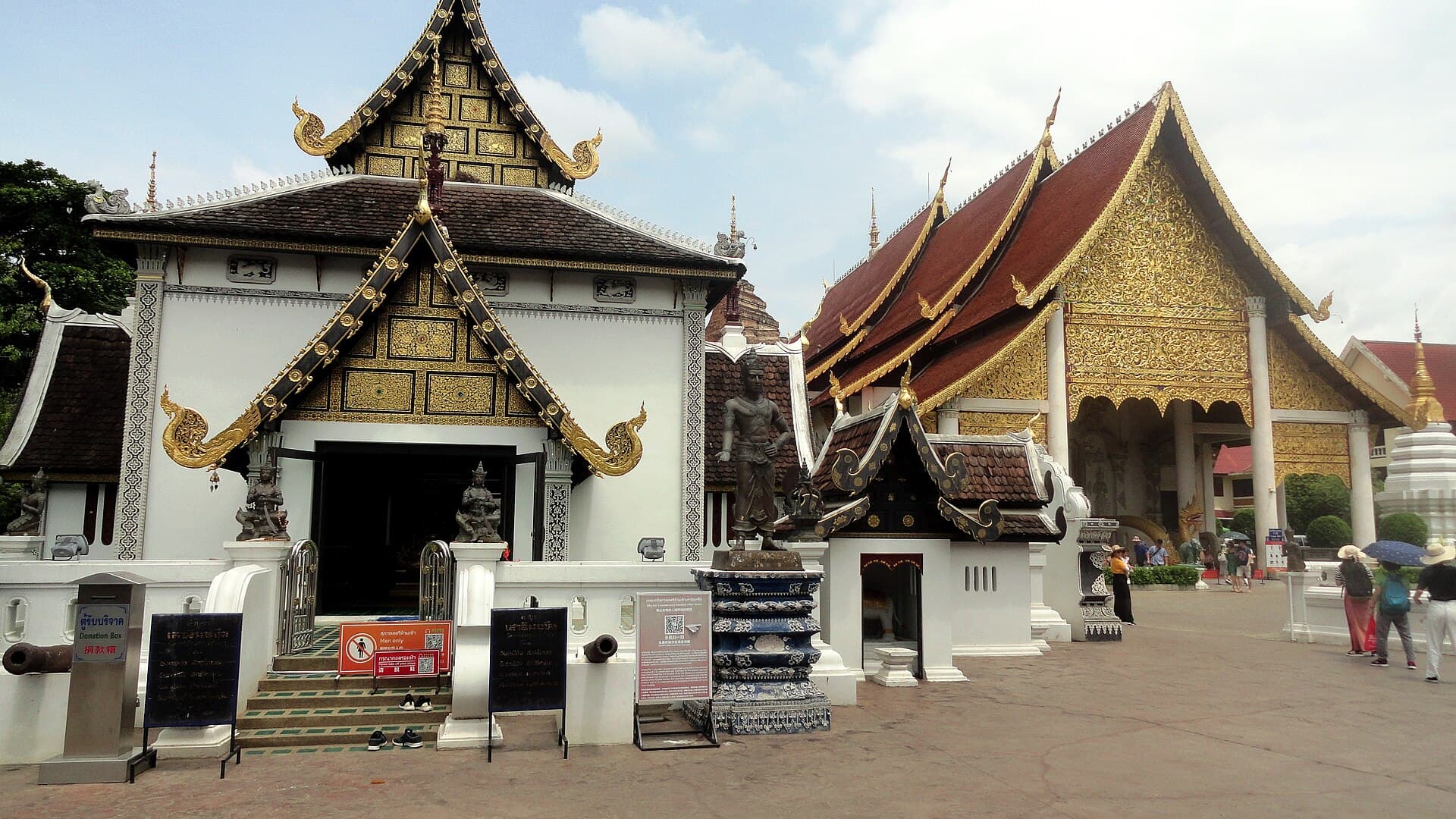

"Janvier est le mois le plus frais de Chiang Mai — les nuits descendent à 12-15 °C, prévoir un vêtement chaud. Idéal pour les treks en montagne : l'air est clair et les sentiers secs."
Expert on Chiang Mai · 1 contributions
The best periods
The best time to visit Chiang Mai is November to February (cool and dry season). The most recommended months are Janvier, Février, Mars, Novembre, Décembre.
Saison fraîche et sèche — le meilleur de Chiang Mai
- ✅Températures idéales pour les treks : 15-20 °C la nuit, 28-30 °C le jour
- ✅Ciel clair, air frais, visites de temples très agréables
- ✅Festival Yi Peng (lanternes) en novembre : l'un des plus beaux spectacles d'Asie
- ❌Haute saison touristique, hébergements à réserver à l'avance
- ❌Nuits fraîches en décembre-janvier (12-15 °C) : prévoyez un vêtement chaud
Saison chaude — pollution de l'air
- ✅Festival Songkran (avril) très animé à Chiang Mai, grande fête de l'eau
- ❌Pollution de l'air très sévère (brûlis agricoles) de janvier à avril : qualité de l'air parfois dangereuse
- ❌Chaleur montante : 35-38 °C en avril, treks en montagne déconseillés
- ❌Smog persistant qui voile les collines et dégrade les panoramas
Saison des pluies — verdure et tarifs bas
- ✅Paysages de rizières en terrasses d'un vert éclatant, cascades gonflées
- ✅Tarifs hébergements et vols en forte baisse
- ✅Moins de foule dans les temples et les marchés nocturnes
- ❌Averses quotidiennes en fin d'après-midi, parfois intenses
- ❌Treks rendus glissants et moins agréables par la pluie
- ❌Risques de glissements de terrain dans les zones de montagne en août-septembre
Month-by-month climate
Temperatures, rainfall and sunshine in Chiang Mai across the 12 months.
| Jan | Fév | Mar | Avr | Mai | Juin | Jui | Aoû | Sep | Oct | Nov | Déc | |
|---|---|---|---|---|---|---|---|---|---|---|---|---|
| Min | 17° | 18° | 21° | 23° | 24° | 24° | 24° | 24° | 23° | 22° | 20° | 18° |
| Max | 28° | 30° | 35° | 36° | 34° | 32° | 30° | 30° | 30° | 29° | 29° | 27° |
| Mer | — | — | — | — | — | — | — | — | — | — | — | — |
| Pluie | 13mm | 41mm | 14mm | 77mm | 224mm | 236mm | 363mm | 411mm | 416mm | 212mm | 60mm | 20mm |
| Soleil/j | 10.7h | 10.7h | 10.7h | 10.8h | 10.7h | 9.5h | 9.3h | 7.7h | 8.6h | 9.6h | 10.4h | 10.6h |
Tourist crowds
Monthly attendance levels (0 = empty, 100 = saturated).
Average flight prices
Average round-trip Paris → Chiang Mai by month.
Frequently asked questions
How many days do I need in Chiang Mai?+
When is the best time to visit Chiang Mai?+
How do I get to Chiang Mai from Bangkok?+
Are treks around Chiang Mai safe?+
Should I worry about air pollution in Chiang Mai?+
Which Chiang Mai markets are unmissable?+
How do I get around Chiang Mai?+
Are Chiang Mai cooking classes really worth it?+
Our verdict
Chiang Mai is one of those places you plan three days for and end up staying a week. The city is small, human, rich in temples, in flavours, in surprises — and the mountains are right there, a short drive away. For a balanced trip to Thailand, pair Bangkok (urban culture, grand royal sites) with Chiang Mai (spirituality, gastronomy, trekking): the two cities complement each other perfectly and connect in 1h15 by air or by overnight train.
Our take: time your visit around either the Yi Peng festival in November (book accommodation a full season ahead) or the cool, clear January-February window. Avoid March-April unless air quality is a non-issue for you. And do at least one cooking class on your first days — local chefs are at their warmest in the morning markets, and you'll cook better Thai food at home for years afterwards.
Réserver votre séjour
Liens partenaires — une commission peut nous être reversée, sans surcoût pour vous.
 HébergementAnnulation gratuite
Hôtels & resorts en Thaïlande
Guesthouses de Bangkok, resorts des îles du Sud et lodges du Nord : comparez tout le royaume au meilleur prix.
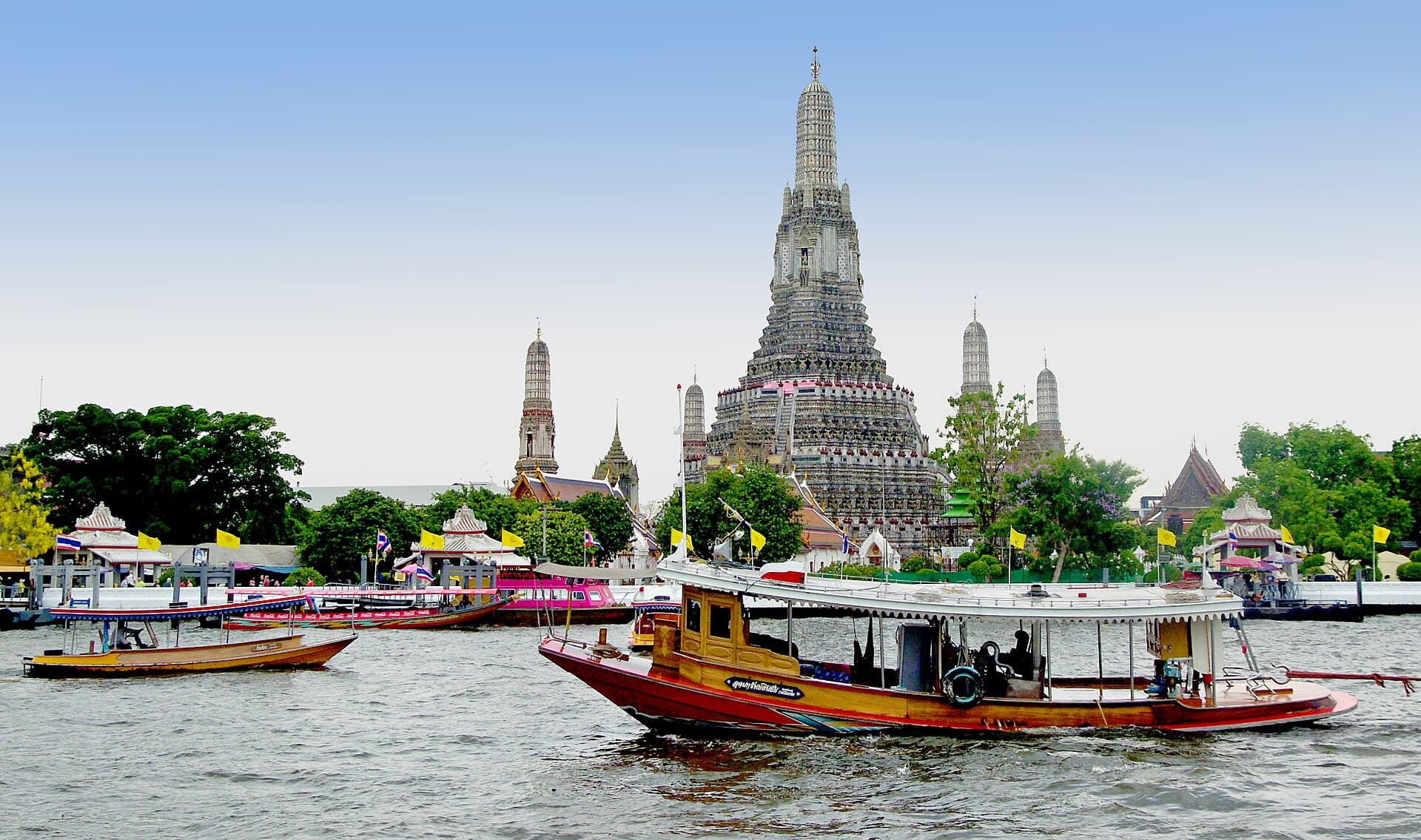
ActivitéCoup de cœurTemples, îles & excursions en Thaïlande
Grand Palais de Bangkok, île-hopping vers Phi Phi, sanctuaires d'éléphants éthiques : la Thaïlande à la carte.
VolComparateurVols vers la Thaïlande
Bangkok en vol direct ou avec escale (environ 11 à 12 h) : comparez les tarifs, au plus bas hors vacances scolaires.