Region
East Coast
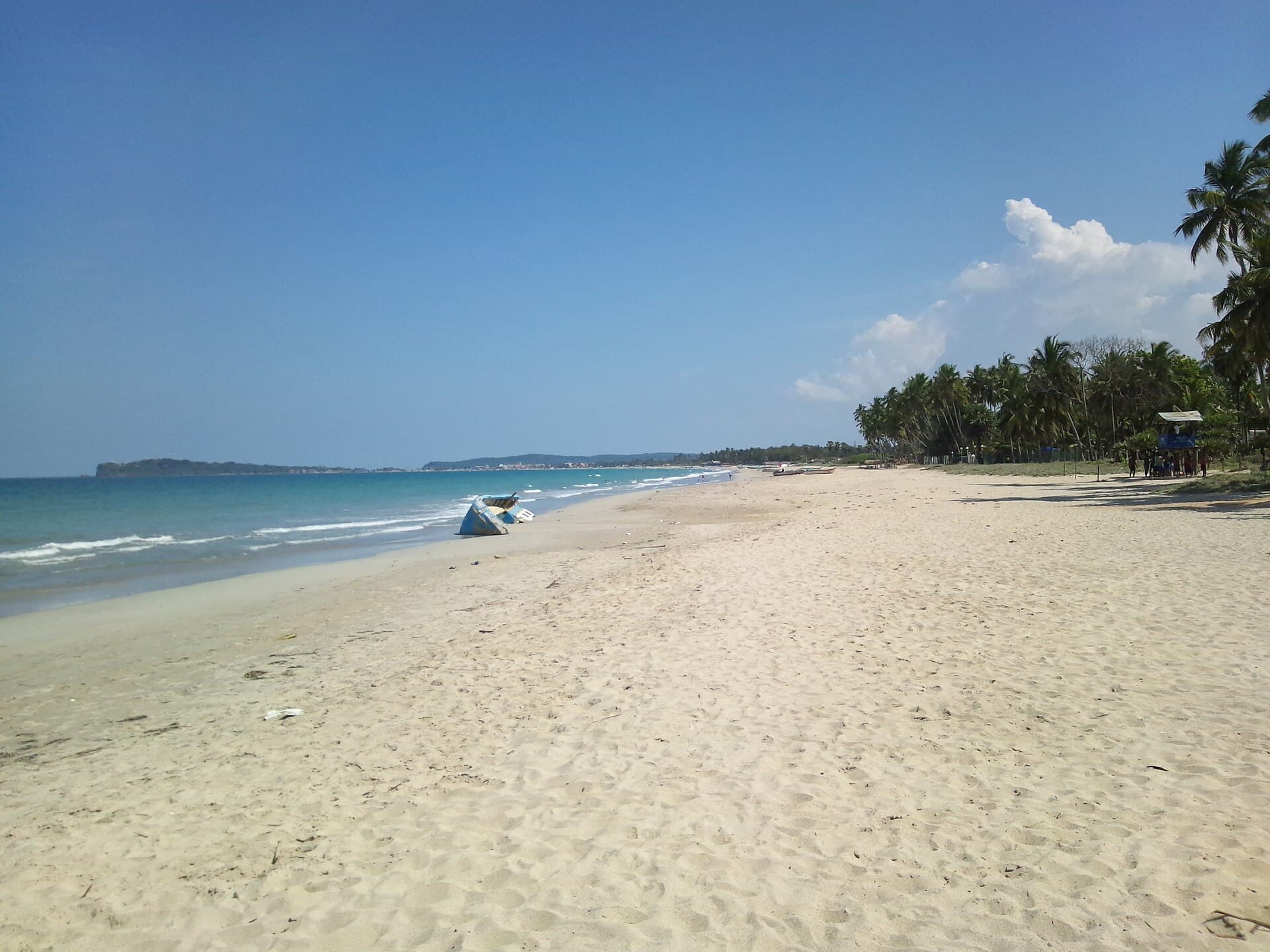
The other Sri Lanka: 250 km of deserted beaches bathed by the Bay of Bengal, world-class surf spots, a deeply rooted Tamil culture and a tourist season in perfect counterpoint to the south-west coast.
Sri Lanka's East Coast is the great unknown of international tourism, long kept off classic circuits by the civil war (1983-2009) that particularly affected the region. Since pacification, the eastern shoreline — 250 kilometres between Pottuvil in the south and Mullaitivu in the north — has gradually opened to travellers, offering a radically different experience from the south-west of the country: nearly deserted beaches, predominantly Tamil culture, still-virgin landscapes, developing infrastructure, and above all a tourist season in perfect counterpoint to the south coast (May to September, versus December to March on the west coast).
Arugam Bay in the south-east has become a mythical name in the international surfing world. Its crescent-shaped bay offers one of the best right-hand reef breaks in the world, attracting each summer (June to September) surfers from Australia, Brazil, the United States and Europe. The village of Arugam Bay has gone in fifteen years from a fishing hamlet to an international surfing hot spot, with its schools, shaping workshops, vegan cafés and guesthouses on the sand. Outside the surf season, the village recovers its calm and its fishermen.
To the north, Trincomalee (Trinco for regulars) is one of the most beautiful natural bays in the world — a strategic port coveted by every colonial power since the 17th century. The beaches of Uppuveli and Nilaveli north of the city offer fine white sand, turquoise translucent sea and direct access to Pigeon Island, a marine national park with its preserved coral reef, green turtles and harmless blacktip reef sharks. The region also concentrates the Hindu temple of Koneswaram perched on Swami Rock, one of the five sacred temples of Shiva in Sri Lanka, and the Kanniya hot springs used since antiquity. Between the two, the coast hides still-dormant treasures: Pasikuda (circular beach ideal for family swimming), Kalkudah, Batticaloa and its mysterious lagoons populated by singing fish.
Explore East Coast
Situation
Où se situe East Coast ?
Ouvrir la carte en grand sur OpenStreetMap →Frequently asked questions
When is the best time to visit the East Coast?+
Is Arugam Bay worth the detour for a non-surfer?+
Is Pigeon Island accessible year-round?+
How do you reach the East Coast from Colombo?+
Trincomalee or Arugam Bay: which to go to?+
Are there particular risks on the East Coast?+
Can you observe marine wildlife off Trincomalee?+
Our verdict
The East Coast is the ideal alternative for those visiting Sri Lanka during the peak south-west monsoon (May-September), or for surfers on pilgrimage to Arugam Bay. Still little visited by French tourism, it offers a more authentic experience than the south coast, with deserted beaches, a living Tamil culture and a world-class marine park at Pigeon Island. Dedicate at least 4 to 5 days: 2 nights at Trincomalee (Uppuveli + Pigeon Island), 2 nights at Arugam Bay (surf or relaxation). In the north-east monsoon period (November-March), the region should be avoided — prefer the classic south-west coast then.