Mowando

Region

Saint-Denis and East

The historic capital with its exceptional Creole heritage, and the humid tropical east coast where Bourbon vanilla and the densest primary forests of the island grow.

4.60

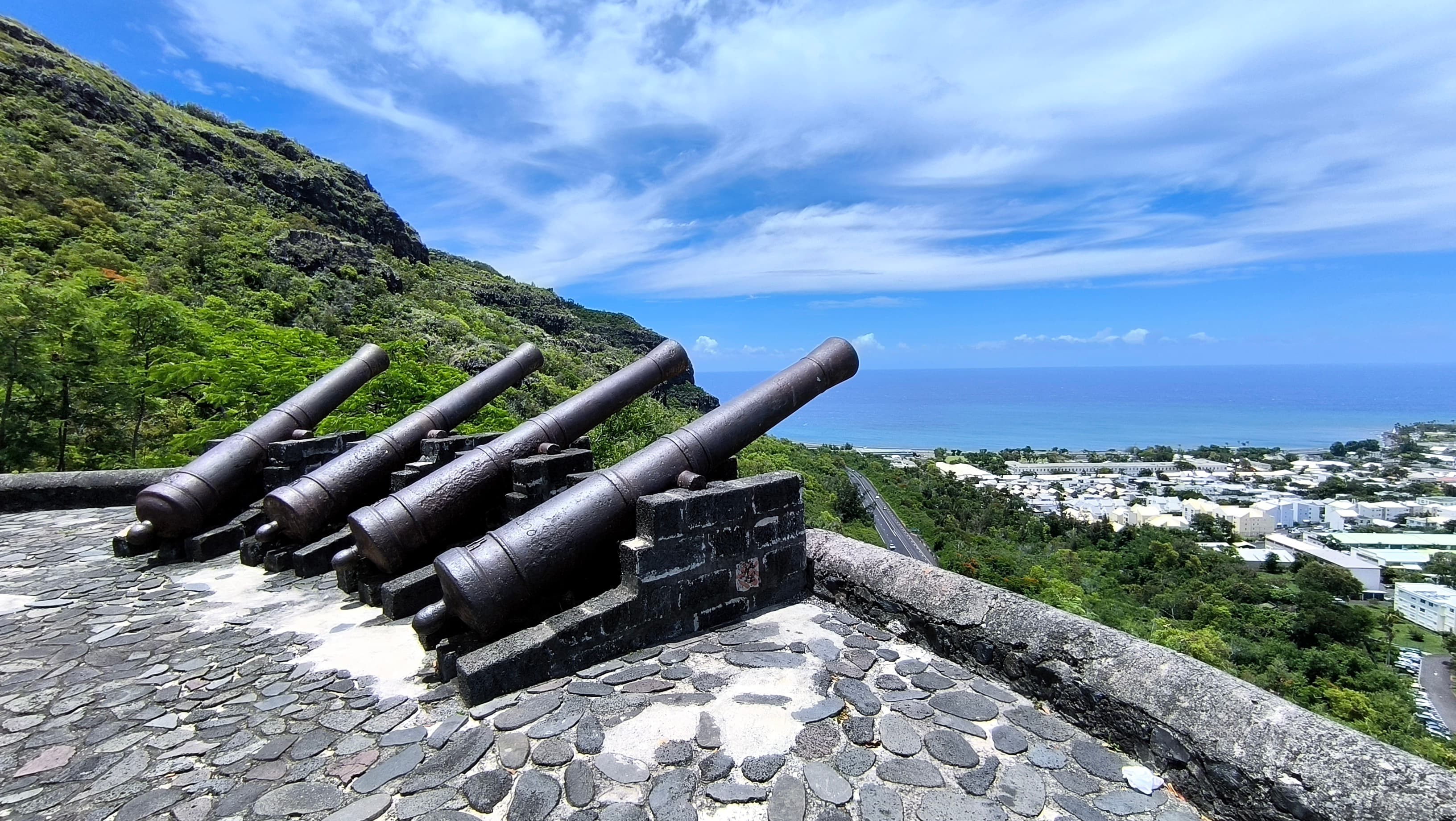
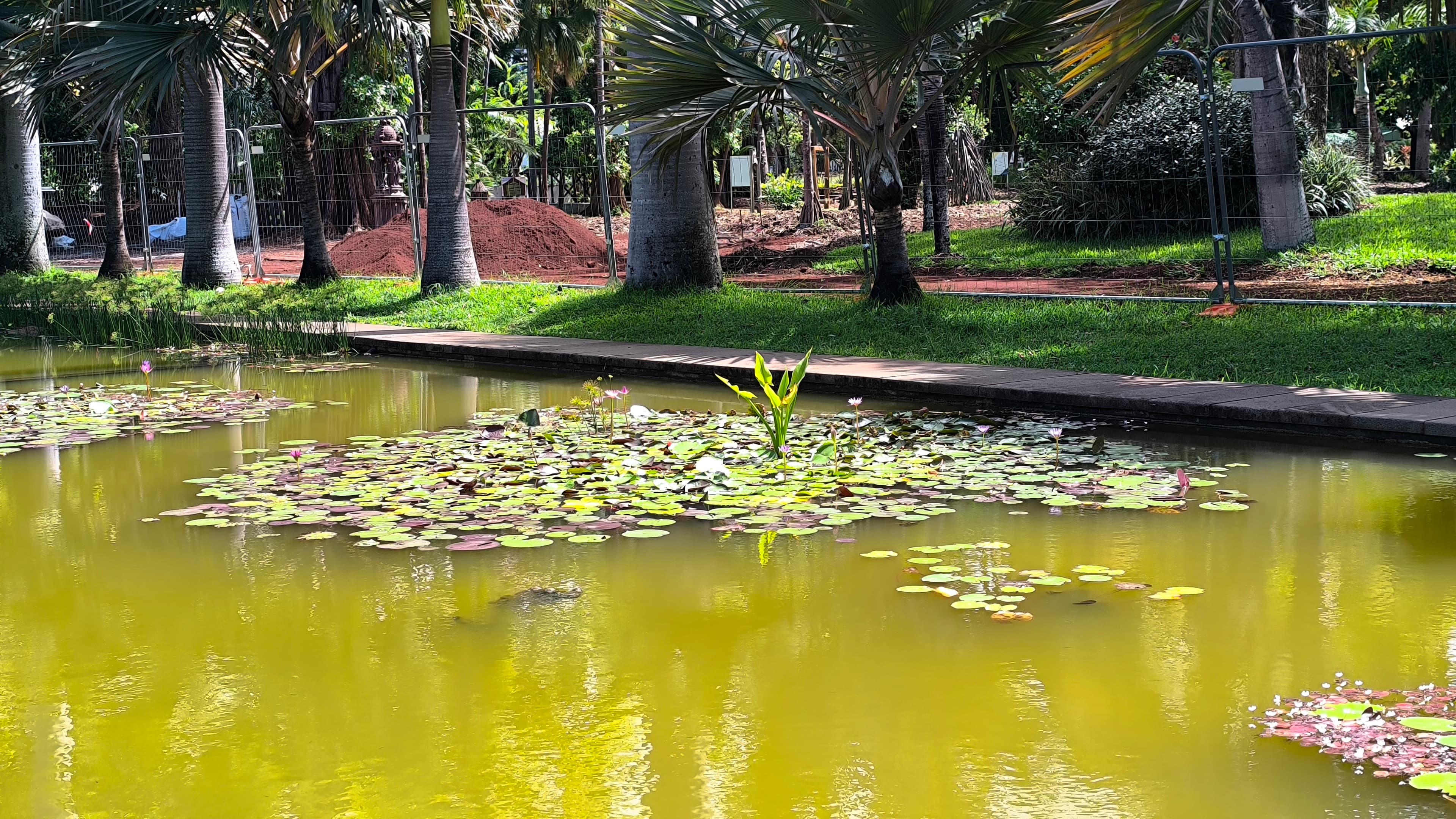
Saint-Denis and the East form a region apart of Réunion: this is where the administrative and cultural capital of the island lives, and this is where the humid tropical nature reaches its peak. Saint-Denis (150,000 inhabitants, largest city in French overseas territories) is one of the best preserved Creole cities in the world: colonial houses from the 18th and 19th centuries, kaz à varangues (with galleries), Jardin de l'État (one of the oldest botanical gardens in France, created in 1773), Musée Léon Dierx (exceptional modern art collection), Saint-Denis Cathedral, Noor-e-Islam Mosque (one of the oldest in metropolitan France and overseas, 1905).

The east coast begins right out of Saint-Denis to the east: Sainte-Marie (and its Roland-Garros airport), Sainte-Suzanne, Saint-André, Bras-Panon, Saint-Benoît. It is the most rainy region of the island (3,000-4,000 mm of annual rainfall), which explains its lush tropical vegetation, its primary forests (Bélouve, Bébour), its waterfalls (Niagara in Sainte-Suzanne, Voile de la Mariée near Salazie) and its intensive agricultural plantations. Bourbon vanilla is queen here: the Provanille cooperative in Bras-Panon is the largest on the island, and several small family plantations are open to visit.

The east is also the territory of the Tamil and Zarabe communities (Indian Muslims), particularly present in Saint-André where the Colosse temple is one of the oldest and most colourful Hindu temples on the island, and where the Cavadee festival (January-February) attracts thousands of pilgrims. The region is less developed touristically than the west coast or the wild south, but it offers an authentic cultural and natural experience, to be complemented by an excursion to Salazie and the Trou de Fer from the Bélouve viewpoint.

Explore Saint-Denis and East

Spots in the region
Situation

Où se situe Saint-Denis and East ?

Ouvrir la carte en grand sur OpenStreetMap →

Frequently asked questions

How long do you need to visit Saint-Denis and the East?+
Count 1 to 2 days in the region as part of a complete stay in Réunion. A full day in Saint-Denis (Creole house circuit in the historic centre, Jardin de l'État, Musée Léon Dierx, Noor-e-Islam Mosque, Chaudron market or Petit Marché). A half-day vanilla plantations in Bras-Panon and Rivière du Mât distillery in Saint-Benoît. A half-day for the Bélouve forest (walkways, Trou de Fer viewpoint). If you combine with Salazie, count a full dedicated day.
What must you see in Saint-Denis?+
Several major sites. The Jardin de l'État (1773, one of the oldest botanical gardens in France) and the Natural History Museum it houses. Saint-Denis Cathedral (neoclassical style). Noor-e-Islam Mosque (1905, one of the oldest mosques in France). Musée Léon Dierx (modern art collection donated by Léon Dierx, temporary exhibitions). Villa Déramond-Barre (museum). The Chaudron market or the Petit Marché for the Creole atmosphere, fruits and spices. And above all, walk the streets of the historic centre (rue de Paris, rue Pasteur) to admire the colonial kaz with their varangues, lambrequins and shingle roofs.
How to visit a vanilla plantation?+
Several options on the east coast. The Provanille cooperative in Bras-Panon is the most structured — guided tour (1h, €10/person) which explains the whole process from manual flower pollination to bean preparation (scalding, steaming, drying). On-site shop to buy directly (premium TK quality beans from €60-80/100 g). For a more authentic experience, several small family plantations in Saint-Philippe or Saint-André welcome visitors by reservation. The harvest takes place in June-July — the best time to visit.
Is the Trou de Fer easily accessible?+
The Trou de Fer is an immense waterfall (725 m total fall, one of the highest in the world) accessible only from the Bélouve viewpoint, at the edge of the Salazie cirque. Access is via the Bélouve forest road from Hell-Bourg (30 min of panoramic switchback road), then 3-4 hours of walking round trip on wooden walkways through the primary tamarin forest of the Highlands. Marked trail, without major technical difficulty but long and slippery in wet weather. Plunging view of the falls from the terminal viewpoint — spectacular in austral winter, veiled by fog in austral summer.
Which cultural communities live in the East?+
The East is historically the land of the Tamil communities (descendants of South Indian indentured workers arrived in the 19th century after the abolition of slavery) and Zarabes (Gujarati Muslims arrived at the end of the 19th century). Saint-André is their great cultural capital: the Colosse temple (one of the largest and most colourful Hindu temples on the island), the Cavadee festival (January-February, procession with flowered arches carried by penitents), the firewalking festival (Pongol Padèy, November-December, celebration in Saint-Pierre but also in Saint-André).
What is specific to taste in the East?+
The East is land of authentic Creole gastronomy. The Bourbon vanilla in sweet and savoury cuisine. The Victoria pineapples of Saint-André (among the best in the world, exported fresh to mainland France). The lychees (Saint-Benoît and Saint-André are the main production basins, exported for Christmas holidays). The Rivière du Mât rum in Saint-Benoît (distillery visit, tasting, direct purchase). The vanilla chicken carry and other vanilla-savoury associations, culinary signature of the region. And of course, all the Indo-Creole dishes in Saint-André (massalé carry, fresh samosas).
Where to sleep in Saint-Denis or the East?+
In Saint-Denis: choice between classic urban hotels (Mercure Créolia, Best Western Saint-Alexis, Lux Hôtel Vichal), charming guesthouses in the historic centre (€60-110/night), student gîtes. In Sainte-Marie (near the airport): practical option for late or early morning flights, several 3-star hotels. On the east coast (Sainte-Suzanne, Saint-Benoît): many guesthouses and rural gîtes (€50-90/night), more authentic experience but car essential. For a charming experience: the Diana Dea Lodge in Sainte-Anne (rooms in nature, sea view, €180-280/night).

Our verdict

Saint-Denis and the East are the essential cultural and heritage dimension of Réunion. The capital is a living open-air museum of Creole architecture — enthusiasts will appreciate the pedestrian circuit of colonial houses and the richness of religious heritage (cathedral, mosque, temples). The east coast offers a very different nature experience from the rest of the island: dense forests, vanilla plantations, Tamil community. And the Trou de Fer viewpoint, from the Bélouve forest, is one of the most striking panoramas of Réunion. Count 1 to 2 days on the region as part of a complete stay: a day Saint-Denis (Creole houses, Jardin de l'État, markets), a half-day vanilla plantation and Rivière du Mât distillery, a half-day Bélouve forest with view of the Trou de Fer.

Mowando Letter

Once a month: the right destinations for the right season + the best booking windows.

No spam. One-click unsubscribe. Your data is never shared.