Mowando

Region

Southern Andes

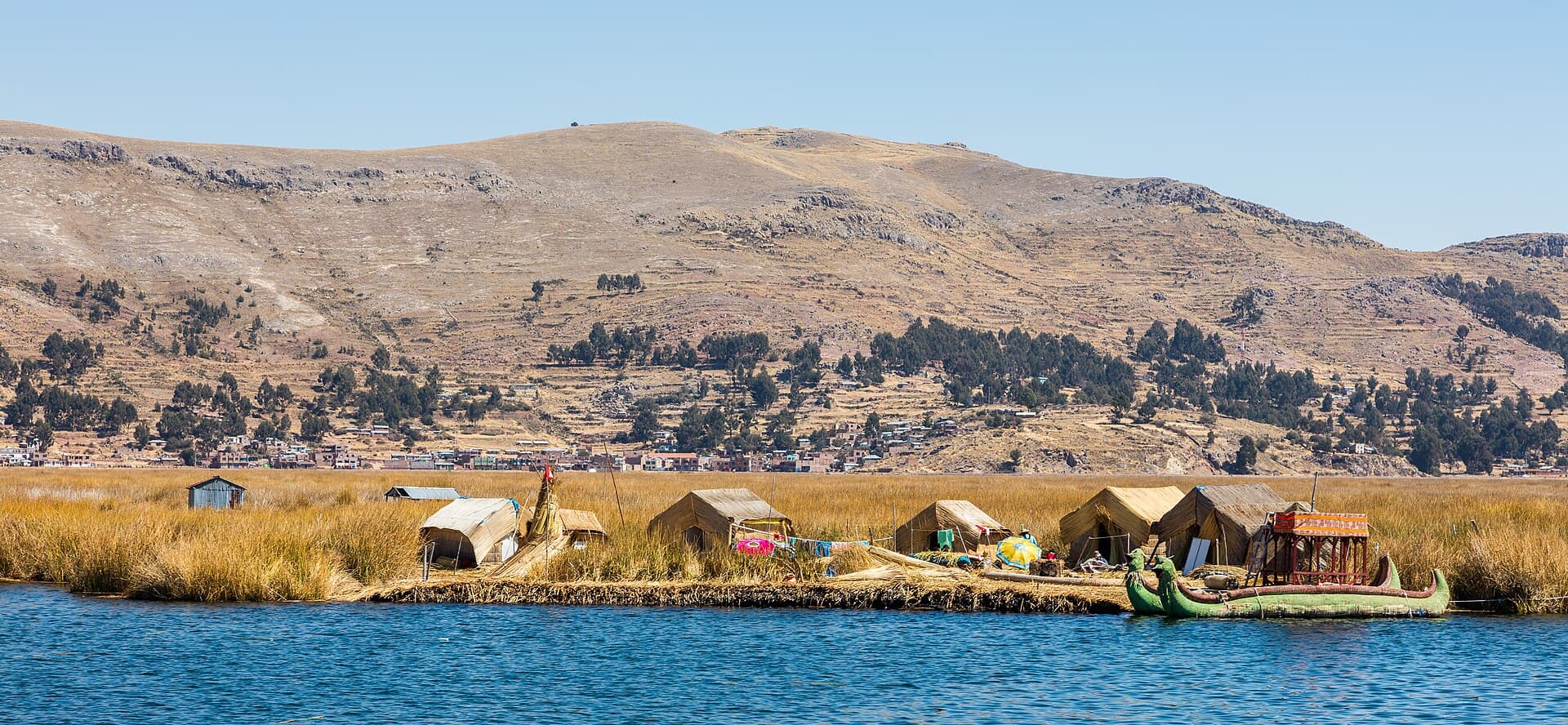
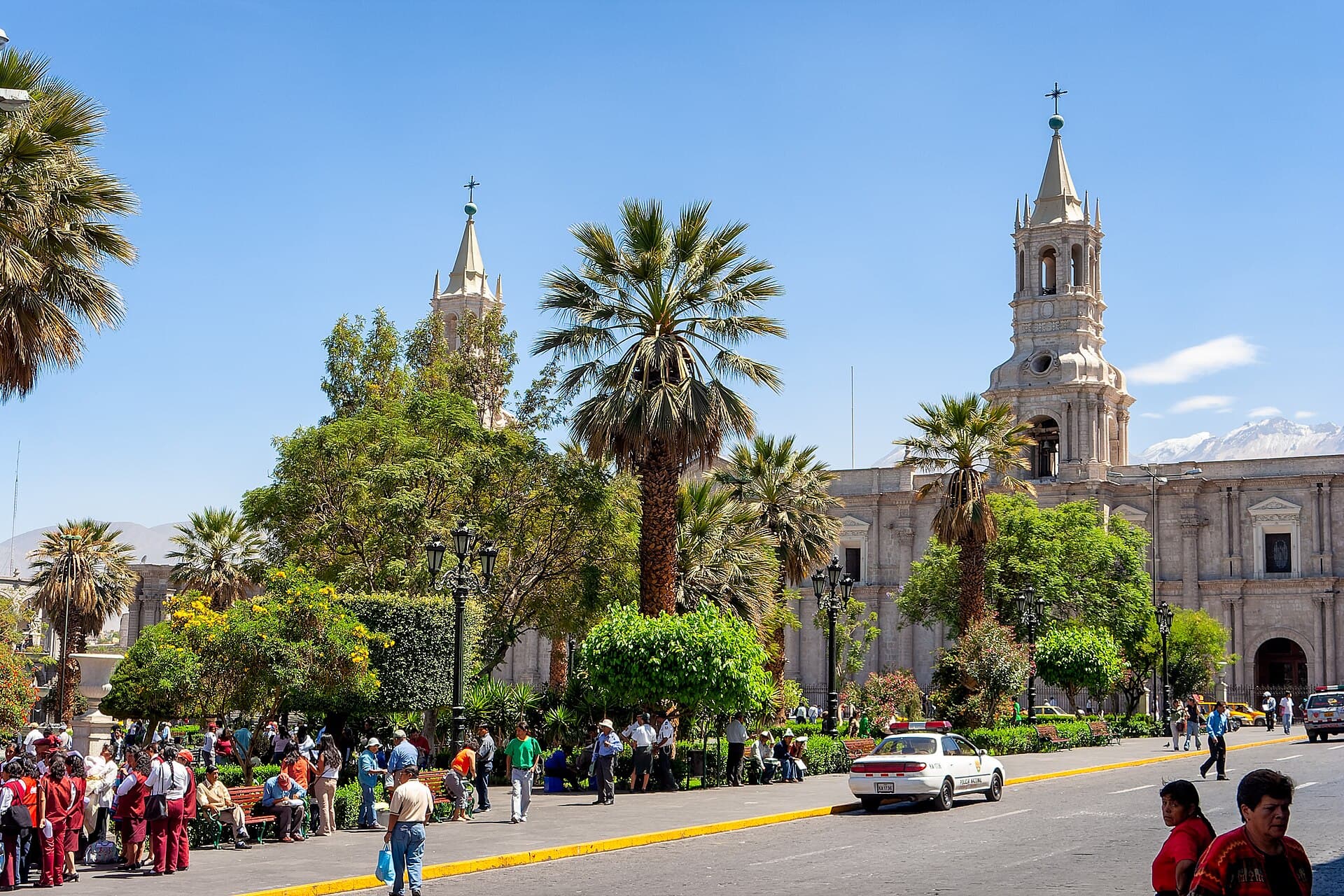
The White City of Arequipa at the foot of Misti (UNESCO 2000), the Colca Canyon twice as deep as the Grand Canyon with its Andean condors, and Lake Titicaca at 3,812 m with its floating Uros islands, cradle of Andean civilization.

4.70

Arequipa and Lake Titicaca is Peru's major southern Andean region — a vast high-altitude mountainous area (Arequipa 2,335 m, Colca 3,800-4,900 m, Puno-Titicaca 3,812 m) that perfectly complements the Cusco cultural trip with spectacular landscapes (canyons, volcanoes, sacred lake), exceptional baroque colonial architecture and powerful pre-Inca heritage.

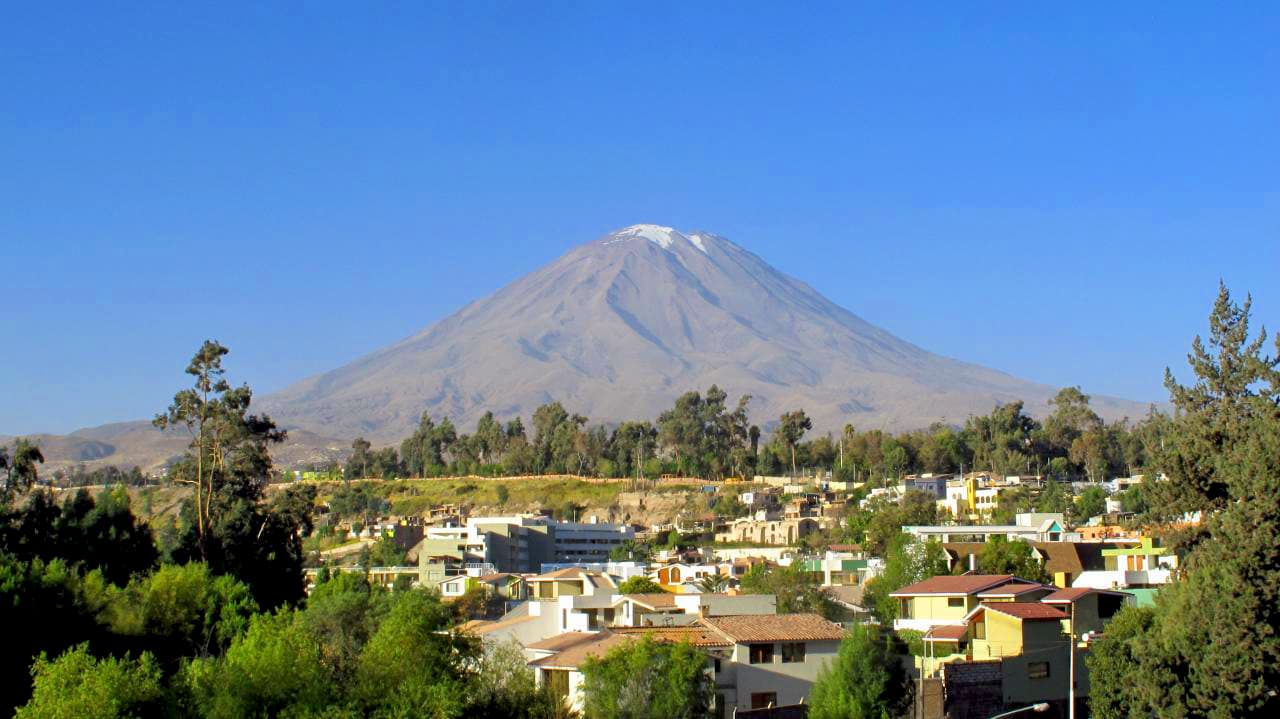
The region subdivides into three complementary hubs with distinct personalities. Arequipa (the White City, 2,335 m, 1 million inhabitants, founded in 1540 on pre-Inca structures) is Peru's second city after Lima and one of the most beautiful in Latin America. Its UNESCO 2000 colonial historic centre is entirely built in sillar — translucent white volcanic stone extracted from Misti lava flows — giving the city its nickname and unique atmosphere. The Santa Catalina monastery (5 hectares of cloistered monastery at the city heart, founded 1579, one of South America's architectural marvels), the baroque cathedral, colonial patios, and the Misti volcano (5,822 m) in the background: everything contributes to make Arequipa a major cultural stop (minimum 2 nights).

The Colca Canyon (3-5h north of Arequipa by road) is one of the most spectacular Andean landscapes — 1,500 m deep (twice as deep as the Grand Canyon of Colorado), framed by traditional villages where Quechua-Collagua culture remains alive (embroidered traditional costumes, still-cultivated pre-Inca agricultural terraces). The flagship attraction: Andean condor observation at the Cruz del Condor Mirador — each morning between 8:30am and 10:30am, condors (3 m wingspan, one of the world's largest flying birds) rise in canyon updrafts, striking spectacle. Classic 2-day/1-night excursion from Arequipa (Chivay, hotel + Cruz del Condor + La Calera hot springs + return). 2-3 day trek in the canyon for sports lovers (descent to Sangalle, canyon bottom oasis).

Puno and Lake Titicaca (3,812 m, 4-6h drive from Arequipa via Juliaca) constitute the region's lacustrine and pre-Inca dimension. Puno (130,000 inhabitants) is a base city without great charm but remains the essential gateway to the sacred lake of the Incas8,372 km² surface (1.3 times Corsica), 281 m maximum depth, world's highest navigable lake, shared between Peru and Bolivia. Classic excursions: floating Uros Islands (totora reed constructions, 5 km from Puno, Uros community living literally on water since pre-Inca era, half-day €30-50) and Taquile Island (traditional Quechua island, textiles inscribed UNESCO intangible heritage 2008, homestay possible, full day €50-80). Amantani Island (2-day/1-night homestay option with Quechua family) for more immersive experience.

Explore Southern Andes

Spots in the region
Situation

Où se situe Southern Andes ?

Ouvrir la carte en grand sur OpenStreetMap →

Frequently asked questions

How many days for Arequipa, Colca and Titicaca?+
Minimum 4-5 nights for the region, ideally 5-6 nights not to rush. Our recommended formula: 2 nights at Arequipa (White City, Santa Catalina monastery, altitude acclimatization 2,335 m, arequipeña gastronomy), 2 nights at Colca (classic 2-day/1-night excursion Chivay + Cruz del Condor + La Calera hot springs, or 2-3 day trek for sports lovers), 2 nights at Puno-Titicaca (1 day Uros + Taquile islands excursion, optional 2nd day Amantani with homestay). In 14-18 total Peru days, plan Lima 2 nights + Arequipa-Colca-Titicaca 5-6 nights + Cusco-Sacred Valley-Machu Picchu 5-6 nights chain.
The Colca Canyon, how does it work?+
The Colca Canyon is 3-5h north of Arequipa by road (4,500 m pass to cross, paved road in good condition). Classic 2-day/1-night excursion from Arequipa (early departure 6am, stop at Patapampa mirador 4,800 m for view of volcanoes, lunch at Chivay 3,600 m regional capital, night at Chivay or Yanque in charm hotels or hot springs, 5am wake-up day 2 for Cruz del Condor Mirador at 8-10am, return Arequipa via Maca-Pinchollo villages, arrival 5-6pm). Rates: €80-150/person with Arequipa agency (transport + guide + lunch + night + entries). 2-3 day trek for sports lovers: descent to Sangalle (canyon bottom oasis, 3,200 m descent, 6-7h walk), night in bungalow, climb the next day (5-6h testing). Possible also in more complete 3-day trek (Cabanaconde-Sangalle-Tapay-Coshnirhua). Tip: condor observation more active in dry season (May-August), more random in wet season.
Lake Titicaca, what excursions?+
Classic excursions from Puno (port 5 min from centre). Half-day Uros Islands (7am or 2pm departure, €30-50/person, 30 min navigation to totora reed floating islands, construction demonstration, hut visits, possibility of traditional barge navigation, return 12pm or 6pm). Full day Uros + Taquile (€50-80/person, 7am departure, Uros in the morning, Taquile in the afternoon with lunch on the island, UNESCO weaving demonstrations, return 5-6pm). 2-day/1-night Uros + Amantani + Taquile (€90-130/person, most immersive formula, homestay at Amantani with Quechua family, traditional costumed evening, sunrise on the island, Taquile day 2). For travellers wanting to cross to Bolivia: ferry to Copacabana (Bolivia, 3-4h via Yunguyo, border formalities), Isla del Sol access from Copacabana — classic transnational itinerary.
How to get from Arequipa to Puno and to Cusco?+
Arequipa → Puno: long-distance Cruz del Sur or Oltursa bus (6h, €30-50 depending on class and timing, crossing Peruvian Atacama desert and altiplano, comfortable 160° reclining seats, meals, films). Prefer daytime departures for landscapes. Alternative: Arequipa-Juliaca flight (60 km from Puno, 30-40 min taxi/bus, LATAM €80-150) — saves 4h but brutal altitude (Juliaca at 3,825 m). Puno → Cusco: long-distance Cruz del Sur bus 6-8h (€40-60), spectacular Andean road via La Raya 4,313 m (pass, photo stop), Sicuani, Urcos. Belmond Andean Explorer luxury train (rail cruise with sleeper cabins, gastronomy, €600-1,000/person for daytime Puno-Cusco trip) — iconic but expensive experience, 2x/week departures. PeruRail Titicaca train (more affordable option, Pullman seats €250-350 for Puno-Cusco trip, Andean panoramas). Train is the most picturesque but expensive option; bus remains the best compromise.
What to see at Arequipa beyond the historic centre?+
At Arequipa centre, must-sees: Santa Catalina monastery (5 hectares cloistered, 'city within a city' built 1579, one of South America's most beautiful, €12-15 entry, 2-3h visit), Plaza de Armas (one of Latin America's most beautiful, bordered by baroque cathedral 1656-1844, sillar arcades), Casa del Moral and Casa de Tristán del Pozo (magnificently preserved colonial sillar houses), Museo Santuarios Andinos (Juanita mummy, young Inca sacrificed around 1450, found frozen on Ampato volcano in 1995 — one of the 20th century's major archaeological discoveries), Living Art Museum, Yanahuara mirador (panoramic views of Misti and city). Off-centre excursions: Misti 5,822 m ascent (2 days/1 night, technical but accessible to trained sports lovers, €250-400 with guide), Chachani 6,057 m ascent (technically more accessible, €350-500, world's easiest first 6,000 m), Cotahuasi valley (canyon even deeper than Colca at 3,535 m, wilder and less touristic, 2-3 days).

Our verdict

Arequipa and Lake Titicaca is the ideal extension to the Cusco core of the Peruvian trip — the southern Andean dimension that perfectly complements Cusco-Machu Picchu. Our recommendation for 14 days: start with Lima (2 nights gastronomy), fly to Arequipa (1-2 nights, White City and altitude acclimatization 2,335 m), continue Colca (2 nights, Andean condors), Puno-Titicaca (2 nights, Uros + Taquile islands), bus to Cusco (6-8h, spectacular Andean landscapes) for 5-6 nights Cusco-Sacred Valley-Machu Picchu, return Lima by flight. This loop ensures perfect progressive altitude acclimatization before Cusco. Travel from May to September (Andean dry season, optimal conditions for Colca and condor observation), bring imperatively warm clothes (nights down to -5 °C at Colca and Titicaca), plan mate de coca and hydration.

Mowando Letter

Once a month: the right destinations for the right season + the best booking windows.

No spam. One-click unsubscribe. Your data is never shared.