Region
Loyalty Islands
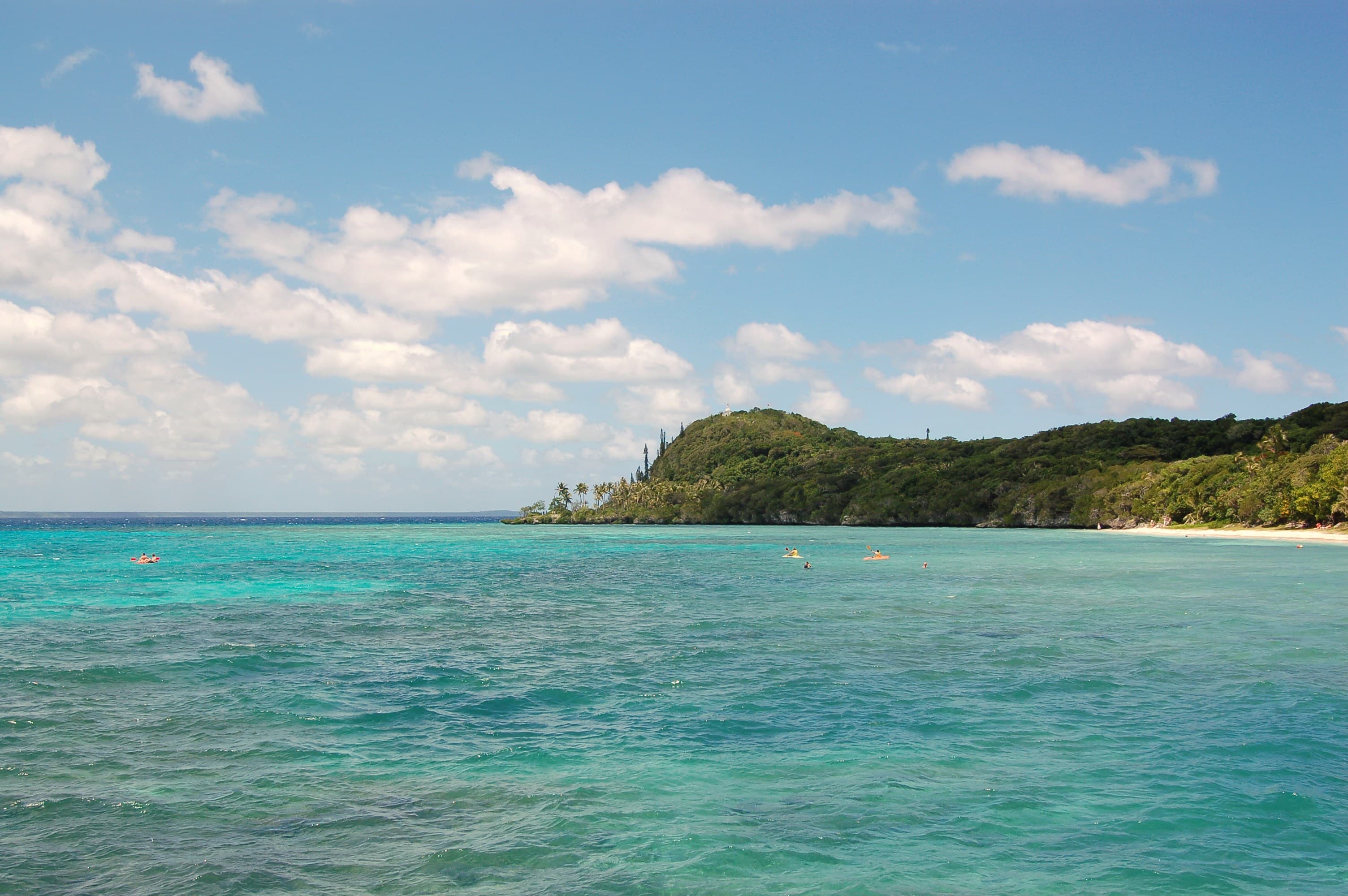
The Loyalty Islands (Lifou, Maré, Ouvéa, Tiga) are the most authentic archipelago in New Caledonia: 95% of the population is Kanak, accommodation is in tribal lodges, the drehu, nengone and iaai languages are spoken daily. Ouvéa beach, 25 km long, is one of the most beautiful in the South Pacific.
The Loyalty Islands form the most authentic archipelago in New Caledonia, located about 100 km east of Grande Terre and 100 km north-east of Nouméa. The archipelago has four main islands — Lifou (the largest, 1,207 km², capital Wé), Maré (650 km², capital Tadine), Ouvéa (132 km², capital Fayaoué) and Tiga (10 km², the smallest and least populated) — for a total population of around 18,000 inhabitants, over 95% Kanak. This is where, more than anywhere else in New Caledonia, Kanak culture is living and preserved, structured by custom and organised in tribes (traditional chiefdoms).
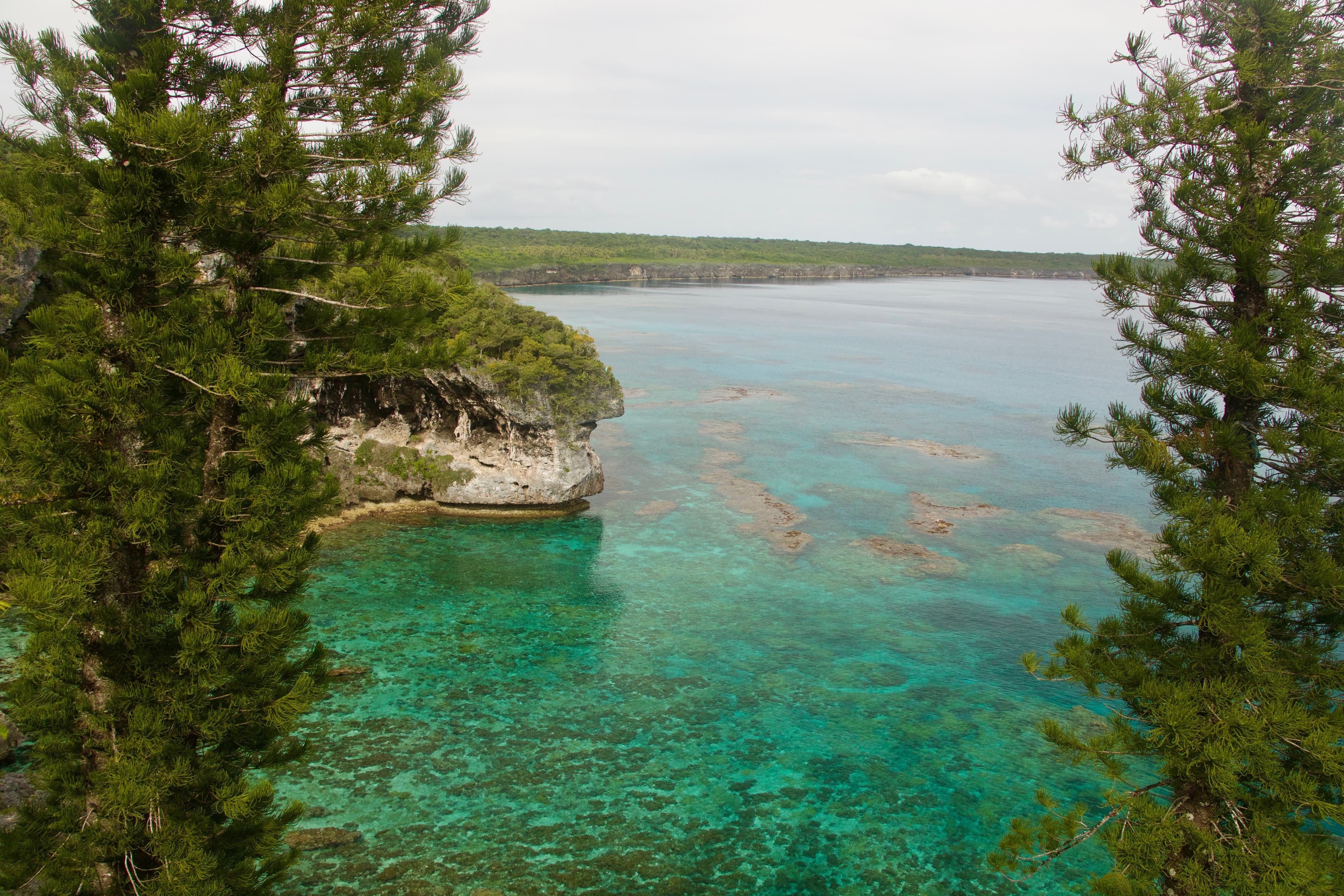
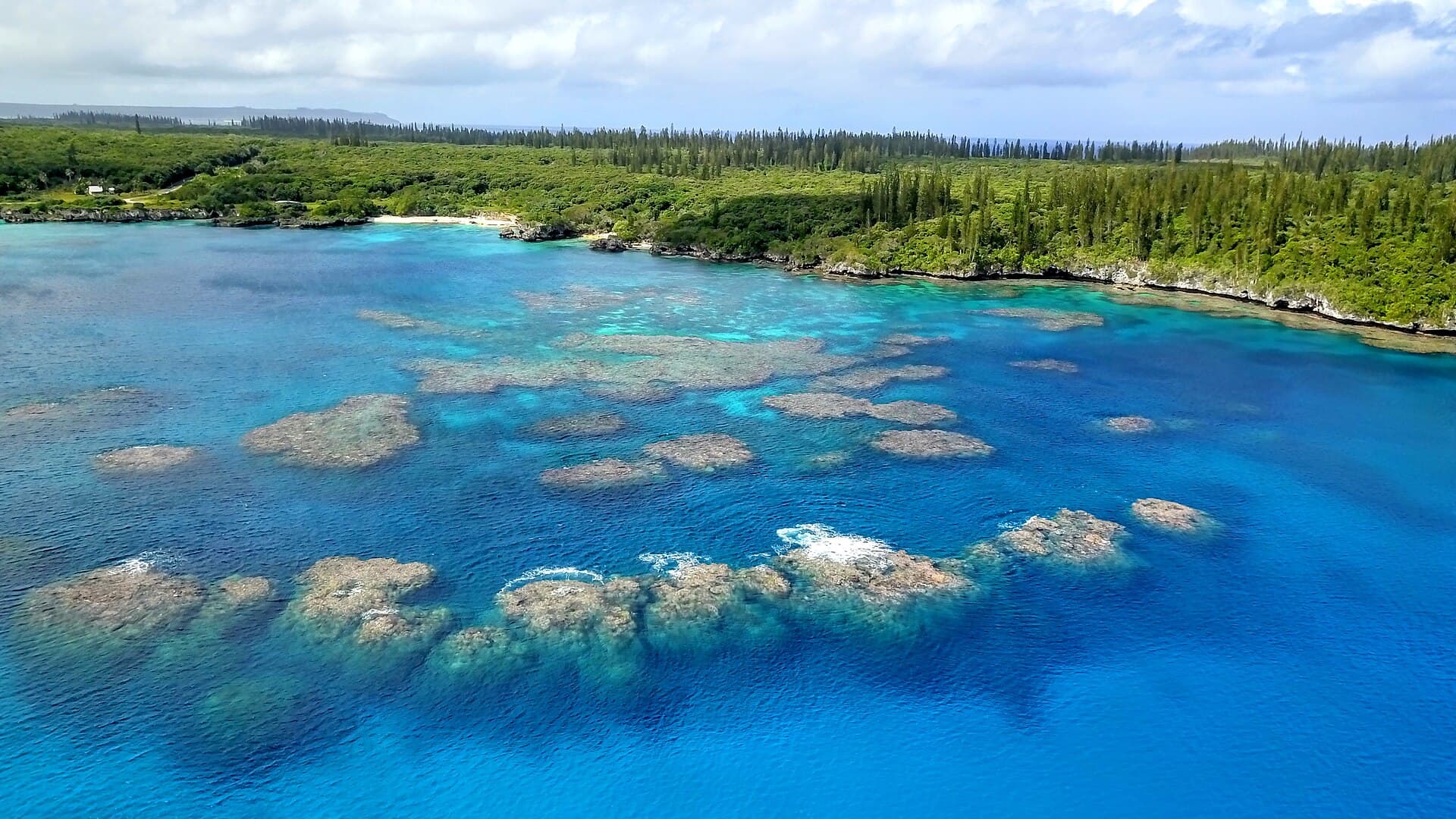
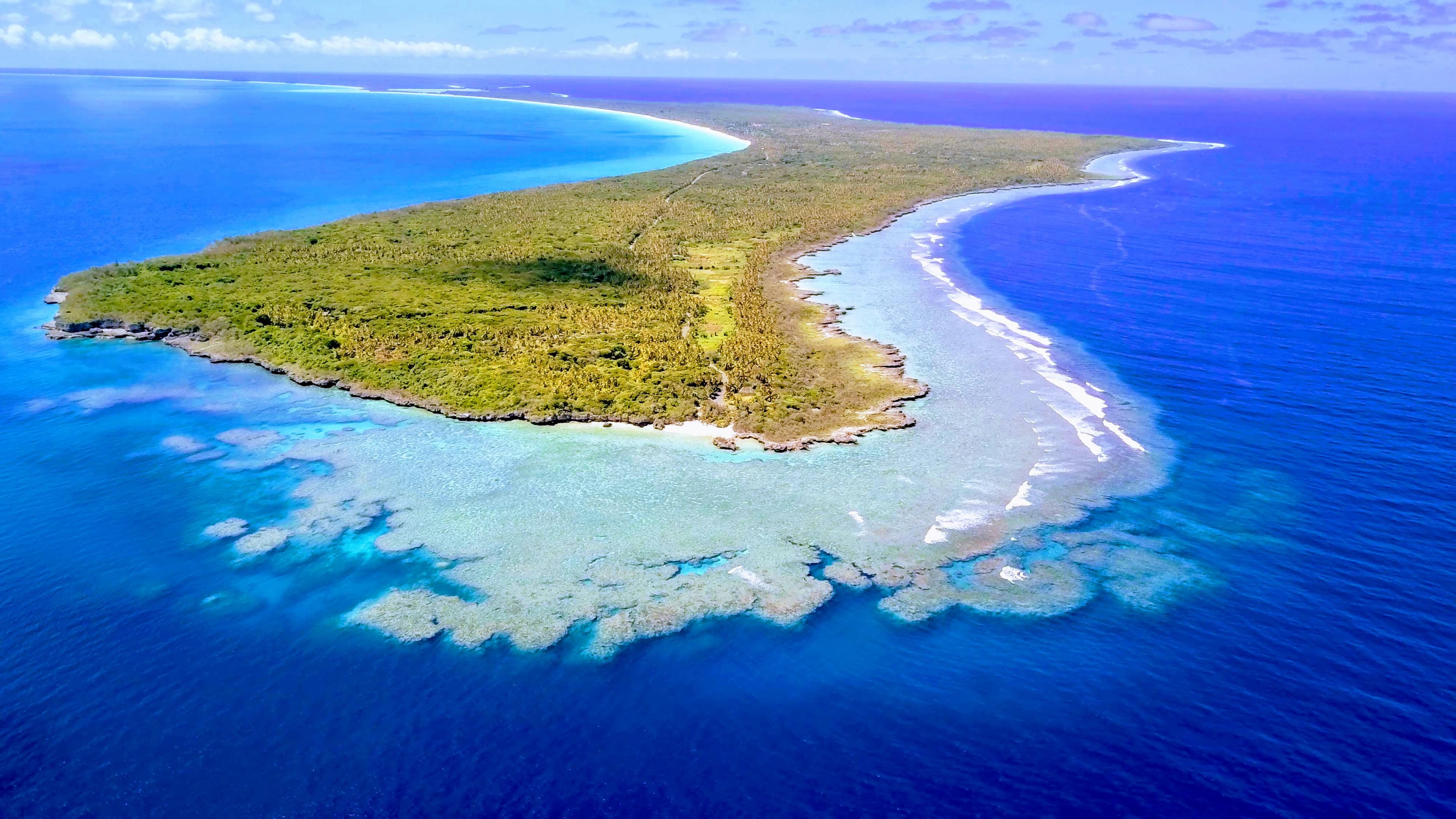
Geographically, the Loyalty Islands are raised coral islands (fossil atolls uplifted by tectonics), low (highest point 138 m on Maré), surrounded by fringing reefs rather than a large lagoon like Grande Terre. This geology explains specific landscapes: vertiginous coral cliffs plunging into the sea (Jokin on Lifou, Pont d'Yedjié on Maré), karst caves (Wadrilla on Lifou, Pethoen on Maré), sea holes and blowholes, absence of mountain relief but omnipresence of coral and limestone. The Mouli beach on Ouvéa is one of the most beautiful beaches in the South Pacific: 25 km of exceptionally fine white sand bordering a translucent turquoise lagoon.
Each island has its own cultural personality:
Lifou (the most visited, the most accessible — direct Nouméa-Wanaham flight 40 min) speaks drehu as the main language. Key site: the Jokin cliffs (50 m high plunging straight into the turquoise sea). Emblematic beaches: Luengoni beach (white sand, caves), Peng beach (coral reef).
Maré (the second largest, direct Nouméa-Tadine flight 35 min) speaks nengone. Known for its preserved isolation and spectacular coastal landscapes: Pont d'Yedjié (natural limestone arch above the sea), Tadine Natural Aquarium, Cap Wabao beach (black volcanic sand).
Ouvéa (the smallest and most 'Pacific' of the three — Nouméa-Ouloup flight 50 min) speaks iaai and faga uvea (Polynesian language, heritage of 18th-century Wallisian migrations). Known for the Mouli beach (25 km of white sand — nicknamed 'the island closest to paradise'), the UNESCO lagoon, and its tragic recent history (Ouvéa massacre of May 1988).
Explore Loyalty Islands
Spots in the region
Situation
Où se situe Loyalty Islands ?
Ouvrir la carte en grand sur OpenStreetMap →Frequently asked questions
Which Loyalty island to choose: Lifou, Maré or Ouvéa?+
How to get to the Loyalty Islands?+
What is a tribal lodge?+
What is the Mouli beach on Ouvéa?+
What was the Ouvéa massacre in 1988?+
Our verdict
The Loyalty Islands are the signature destination for travellers wanting to go beyond beach tourism and dive into the living Kanak culture of New Caledonia. Choose an island rather than flitting between them: 3-4 nights on Lifou (the most accessible, Jokin cliffs, Luengoni beach), or 3-4 nights on Ouvéa (the most iconic, 25 km Mouli beach, Pacific experience), or 3-4 nights on Maré (the most authentic and preserved). Prioritise tribal lodge accommodation for the cultural experience (€50-100/night half-board). Do not forget the customary gesture at tribe arrival. Prioritise September-November for optimal conditions.