ville
Mexico City
Built on water, raised on the ruins of Tenochtitlán — Mexico City is the most complex and fascinating metropolis of the Americas.
Mexico City is one of the largest metropolises on the planet and one of the most fascinating to explore for a curious traveler. Founded in 1325 by the Aztecs as Tenochtitlán on a now-drained lake, then rebuilt by the Spanish from 1521 onward, the city layers two millennia of continuous history into its streets, museums and monuments. At 2,240 meters of altitude on the central plateau, it enjoys a mild, temperate climate year-round — without the tropical heat of the coast.
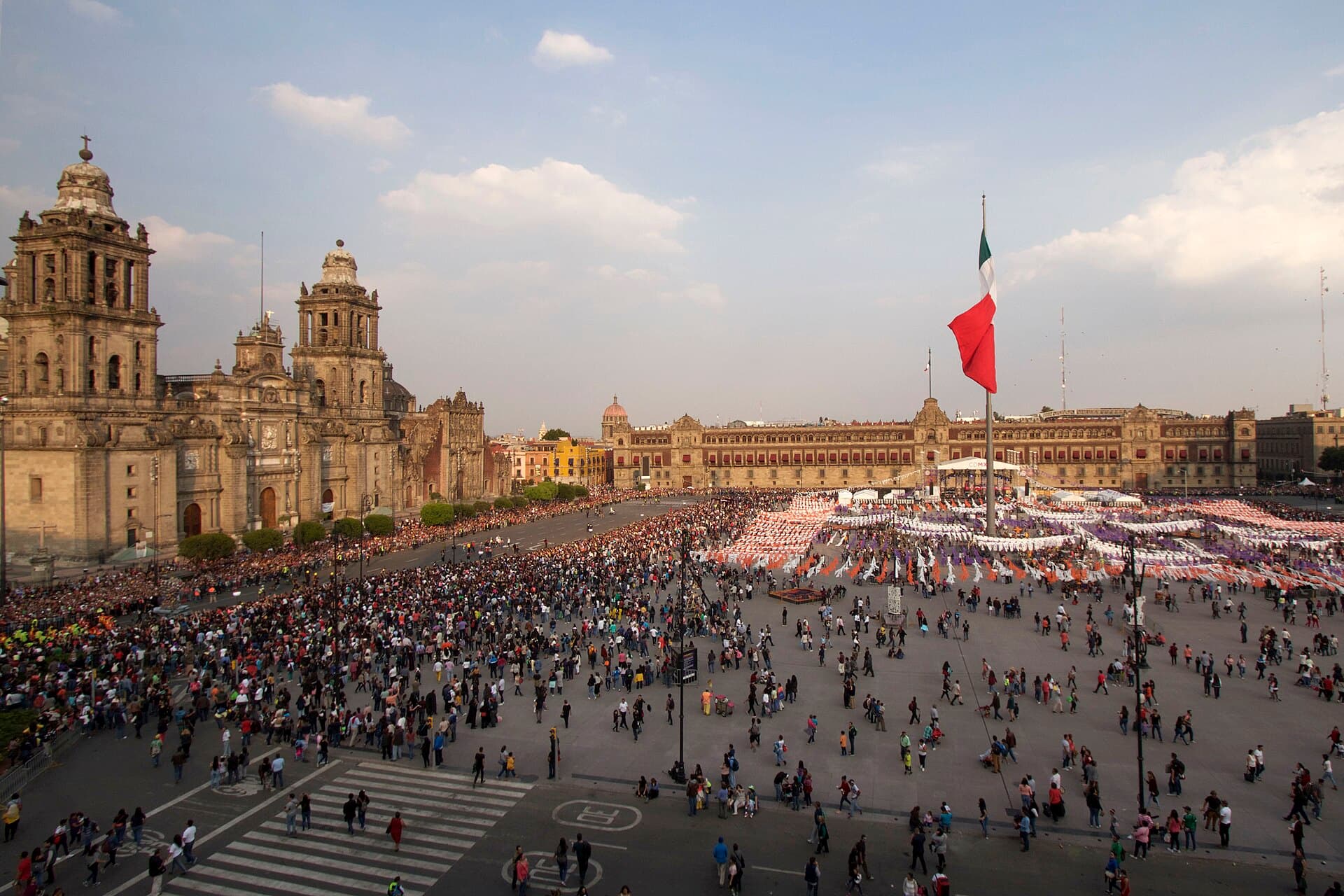
The cultural density of Mexico City is dizzying: more than 150 museums (several among the best in the Americas), the murals of Diego Rivera and José Clemente Orozco, the colonial neighborhoods of Coyoacán and San Ángel, the markets of Tepito and La Merced, the Zócalo — the second-largest public square in the world — and Teotihuacán 50 km away, one of the largest cities of antiquity. Mexico City is also a first-rate emerging food capital, with a culinary scene that runs from street-corner taquerías to fine dining tables ranked among the world's best.
For English-speaking travelers, the city has become dramatically more accessible in the last decade. The Roma, Condesa and Polanco neighborhoods feel like extensions of Brooklyn or East London — only with better mezcal, sharper sunlight and a metro ticket that costs 25 euro cents. Mexico City is no longer the city your guidebook warned about in 2005. It is, today, one of the most exciting urban destinations in the world — provided you give it the four to five days it deserves.
What we love
- ✅More than 150 museums — Anthropology, Frida Kahlo, Bellas Artes, Soumaya
- ✅Diego Rivera and José Clemente Orozco murals, a world-class painted heritage
- ✅Legendary street food and a fine dining scene ranked among the world's top 50
- ✅Teotihuacán 50 km away — a 150,000-person ancient city visible in a day trip
- ✅Distinct, vibrant neighborhoods: Coyoacán, Roma, Condesa, Polanco, Xochimilco
What to know
- ❌Epic traffic — some rush hours paralyze the city for up to three hours
- ❌Episodic air pollution, especially in January–February (thermal inversions)
- ❌2,240 m altitude — first day can be rough (headaches, fatigue)
- ❌Visible inequality between neighborhoods — sharp social contrasts
Situation
Où se situe Mexico City ?
Ouvrir la carte en grand sur OpenStreetMap →Frequently asked questions
How many days do I need in Mexico City?+
Is Mexico City safe for tourists in 2026?+
Does the altitude in Mexico City really cause problems?+
How do I use the Mexico City metro?+
Is Teotihuacán really worth the day trip from Mexico City?+
Which neighborhoods are best for staying in Mexico City?+
What's the best taco neighborhood in Mexico City?+
What daily budget should I plan for Mexico City?+
Our verdict
Mexico City is one of those cities that don't leave anyone neutral: too vast to be grasped in a few days, too rich to be summarized by a single neighborhood, too complex to be judged on first impressions. It impresses, it overwhelms, and it almost always wins over the travelers who give it the time it deserves. For a first-time visitor, Mexico City is one of the most intense urban experiences on the planet — comparable in cultural density to Paris or Istanbul, with a depth that surprises almost everyone. The food alone justifies the trip: Pujol, Quintonil and a dozen other Mexico City restaurants rank in the World's 50 Best, and the casual scene from Roma to Coyoacán is arguably the best mid-range dining city in the Americas. The museums are equally serious: the National Museum of Anthropology is the most important pre-Columbian collection on earth. Add Teotihuacán, the Casa Azul, and the Frida Kahlo–Diego Rivera murals at the Palacio Nacional, and you have a week that doesn't repeat itself. On safety: yes, Mexico City has neighborhoods to avoid (Tepito, Doctores at night), but the tourist zones are reliably safe with normal precautions, and the city has become measurably safer over the past fifteen years. Use Uber over street taxis, the metro over driving, and book restaurants ahead. The altitude takes a day to settle. After that, the city pays back every hour.
Réserver votre séjour
Liens partenaires — une commission peut nous être reversée, sans surcoût pour vous.
 HébergementAnnulation gratuite
Hôtels & haciendas au Mexique
Auberges, boutique-hôtels coloniaux et resorts de la Riviera Maya : comparez les hébergements de tout le Mexique.
ActivitéCoup de cœurSites mayas, cenotes & excursions au Mexique
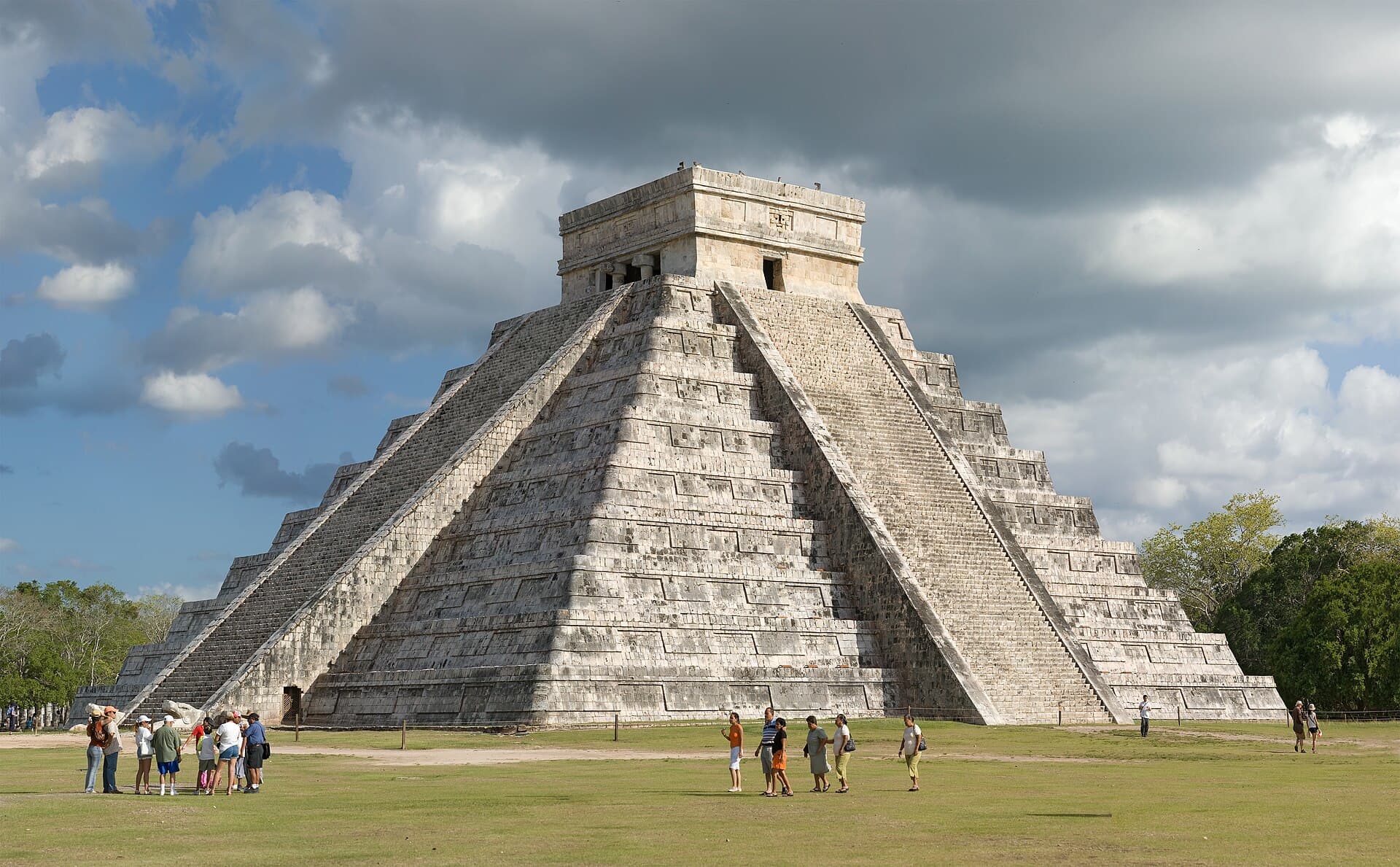
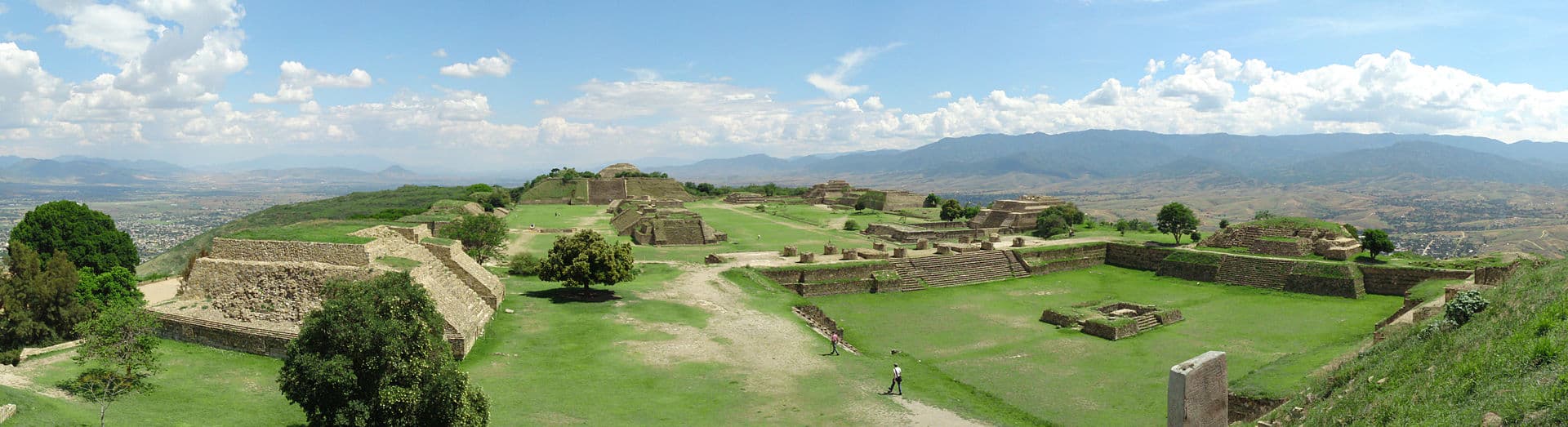
Chichén Itzá, baignade en cenote, Teotihuacán, Monte Albán : réservez vos visites guidées et billets coupe-file.
VolComparateurVols vers le Mexique
Mexico et Cancún en vol direct (environ 12 h) depuis Paris : comparez les compagnies et les meilleures dates.
Nearby

"Janvier est l'un des meilleurs mois pour Mexico : ciel bleu, froid la nuit (6-8°C), journées lumineuses et plaisantes. La ville est plus calme après les fêtes — musées et marchés à flux raisonnable."
Expert on Mexico City · 1 contributions