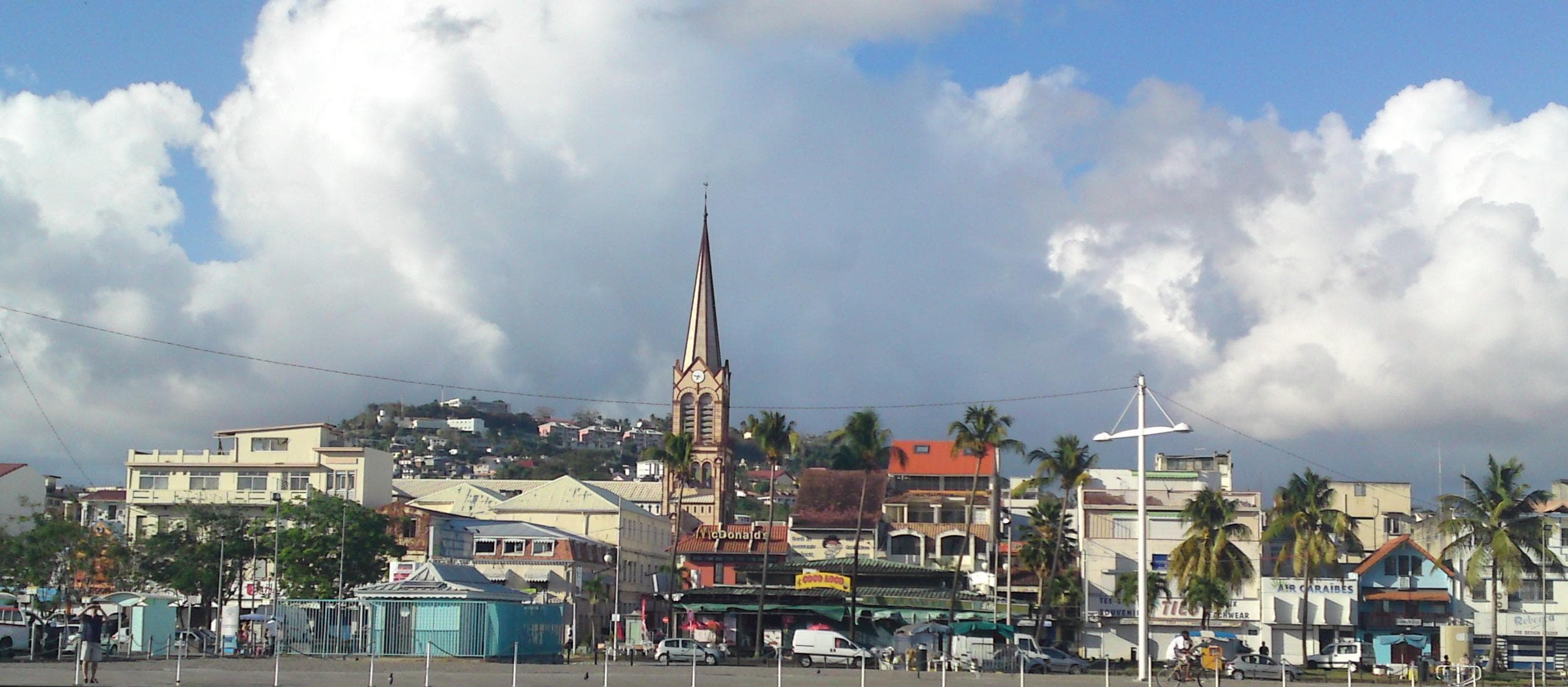
Central Martinique is probably the least understood region by passing travellers: too often reduced to a simple airport transit between the seaside South and the cultural North, it nonetheless deserves two to three days of careful discovery for those who want to grasp the administrative, urban and natural soul of the Island of Flowers.
The Centre organises around three sub-ensembles. The Fort-de-France agglomeration (Fort-de-France, Schoelcher, Lamentin) concentrates more than a third of the Martinican population (130,000 inhabitants for Fort-de-France commune alone) and most economic, administrative and cultural activities. The Caravelle peninsula to the east offers one of the most beautiful Nature Reserves of the Lesser Antilles, with its emblematic 8 km trail, historic ruins and Atlantic beaches. Between the two, Génipa bay and its mangroves constitute one of the most precious ecosystems of the island.
For a short stay (2-3 days), target Fort-de-France and Caravelle: an urban day (Savane, Fort Saint-Louis, covered market, Schoelcher Library, Creole lunch) and a nature day (Château Dubuc trail, lunch in Tartane, swimming at Anse l'Étang). For an integrated stay (5 days on the Centre), add a kayak excursion in the Génipa mangroves, a day on the heights of Schoelcher with panorama over Fort-de-France bay, and a visit to the Dillon distillery (Fort-de-France, only AOC rum distillery in urban zone).
The Centre lives to the rhythm of daily Martinican life: lively morning markets, shaded terraces of La Savane at lunchtime, yole races in Schoelcher bay on Sunday, zouk and biguine concerts in Anse Mitan bars on Friday evening.
Read also
- Fort-de-France, the Creole capital — Savane, Fort Saint-Louis, covered market and Schoelcher Library: the urban heart of the island.
- Tartane and the Caravelle peninsula — Nature Reserve, 8 km trail, Château Dubuc ruins and surf beaches.
- Martinique — Complete guide of the Island of Flowers: visa, budget, regions, climate.
- South Martinique — Les Salines, Le Diamant, Trois-Îlets: the seaside postcard of the island.
- North Martinique — Saint-Pierre and Mount Pelée: the historical and natural soul of the island.