Region
Maharashtra
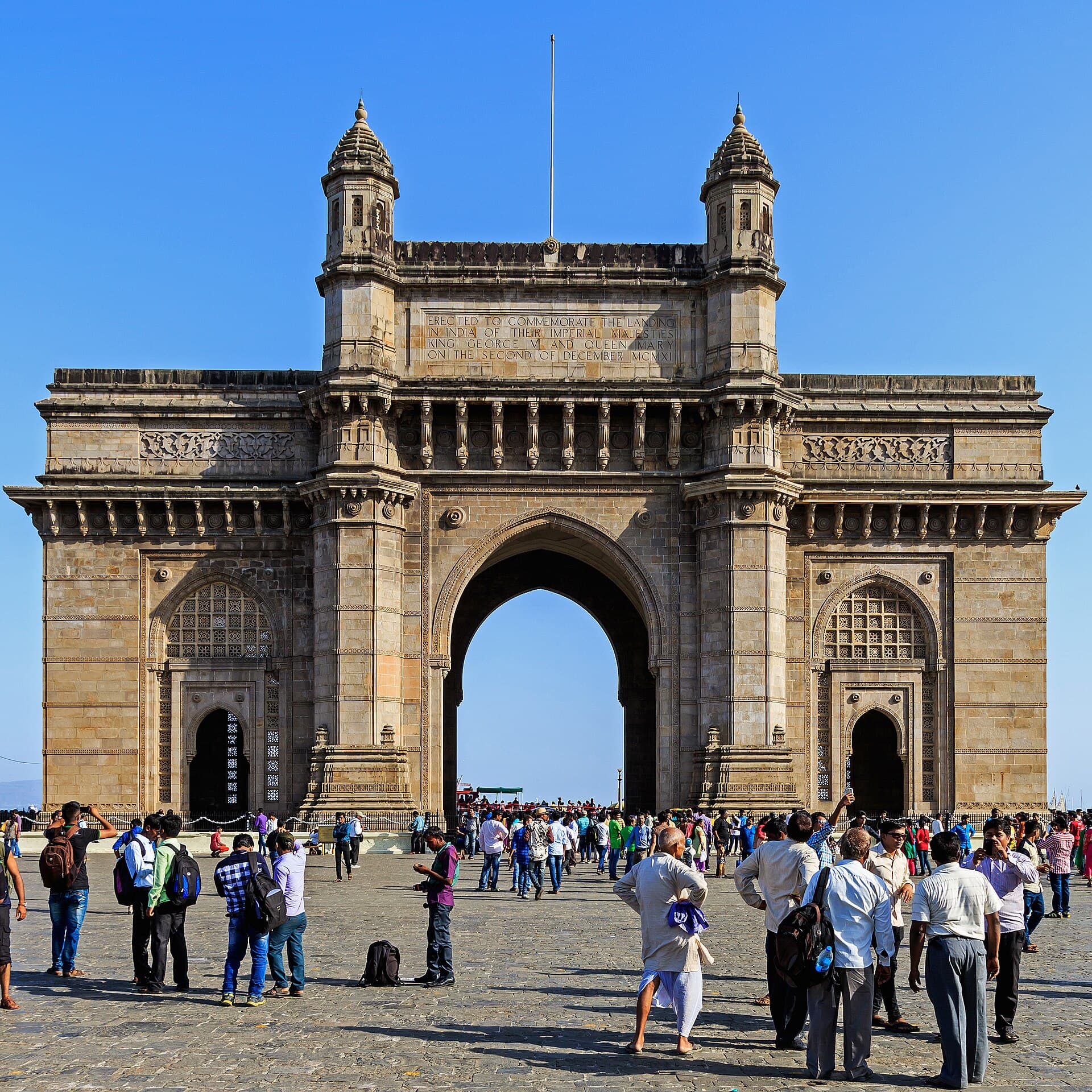
Mumbai financial capital (24 M inhab., Bollywood, Bandra-Worli Sea Link) and UNESCO Ellora-Ajanta caves (one of the world's largest rupestrian ensembles, 2nd century BCE - 7th century).
The Mumbai & Maharashtra region covers the state of Maharashtra (3rd largest Indian state, 113 million inhabitants, 308,000 km²) on the central west coast, between Goa to the south and Gujarat to the north. It is India's richest state by GDP. The region concentrates striking contrasts: Asia's densest financial metropolis (Mumbai-Bombay, 24 million inhabitants in agglomeration), major UNESCO sites (Ellora and Ajanta caves, world's largest Buddhist-Hindu-Jain rupestrian art ensemble), quiet beaches neighbouring Goa (Alibag, Kashid), modern vineyards (Nashik), and sacred sanctuaries (Shirdi, Sai Baba temple).
Mumbai (Bombay) is the tourist epicentre. Capital of Maharashtra, historic port on the Arabian Sea, megacity of 24 million inhabitants spread across 7 islands now connected, it is Asia's densest city (33,000 inhabitants/km²), Bollywood centre (1,000 Hindi films per year), financial hub. It is also the city of extreme contrasts — luxury Nariman Point skyscrapers facing Asia's largest slum at Dharavi (1 million inhabitants on 2 km²), British colonial heritage (UNESCO Victorian Gothic and Art Deco Ensembles 2018) facing ultimate modernity (Bandra-Worli Sea Link, 5.6 km bridge over the sea 2009).
Aurangabad and UNESCO caves — 350 km east of Mumbai (1h IndiGo/SpiceJet flight, 8h by train, 6h by road). Ellora Caves UNESCO (34 rupestrian caves carved over 2 km in the cliff, 6th-10th centuries, unique mix of Buddhist (1-12), Hindu (13-29) and Jain (30-34) monuments — the famous Kailasa Temple (cave 16, 8th century, the world's largest monolith, carved top-down from a single rock mass). Ajanta Caves UNESCO (100 km north of Aurangabad, 30 Buddhist caves carved in a crescent cliff, 2nd century BCE - 7th century CE, famous for their murals and Buddha sculptures, rediscovered in 1819 by a British officer hunting a tiger.
Explore Maharashtra
Spots in the region
Situation
Où se situe Maharashtra ?
Ouvrir la carte en grand sur OpenStreetMap →Frequently asked questions
How many days for Mumbai and Maharashtra?+
How to reach Ellora and Ajanta caves from Mumbai?+
Should I really see Bollywood in Mumbai?+
Is visiting Dharavi (Asia's largest slum) ethical?+
Mumbai or Delhi: which entry point to India?+
Our verdict
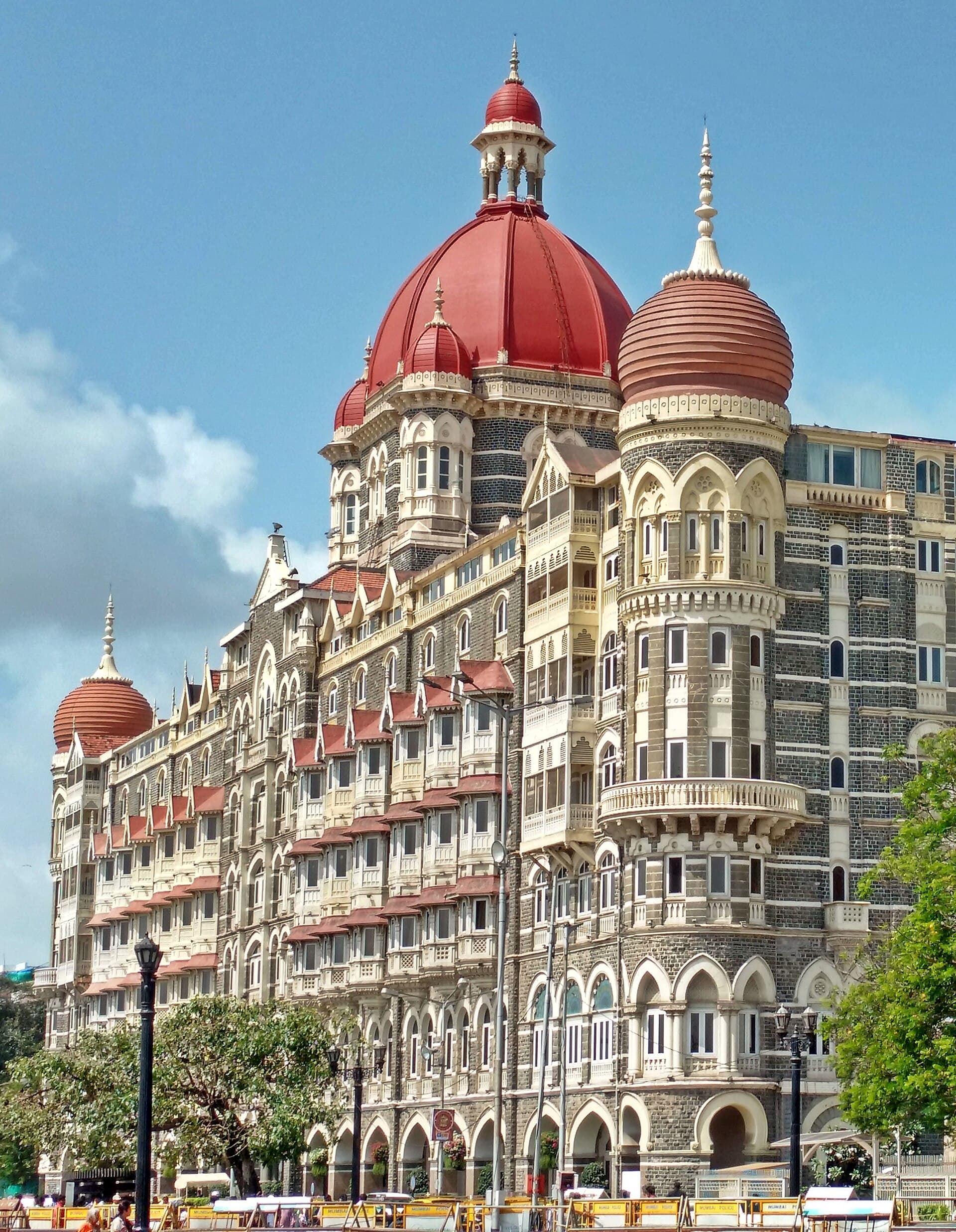
Mumbai & Maharashtra is less obvious as a unique destination than a Golden Triangle or Kerala — but it makes full sense as an extension of a Goa trip (1h domestic flight, you move up to the metropolis before returning) or as an alternative entry point to Delhi (direct Air France 9h flight from Paris). Our recommendation: Mumbai 2-3 nights + Aurangabad-Ellora-Ajanta 3 nights. Ideally combine with Goa (4-5 nights) for a complete west coast stay. Period: November-March (dry season). ABSOLUTELY AVOID Mumbai in June-September (India's most intense monsoon, urban floods). Iconic hotels: Taj Mahal Palace Mumbai (€700-1,500/night), Trident Nariman Point, Oberoi Mumbai (€700-1,200/night). For Aurangabad: Vivanta Aurangabad (Taj Group, €80-150/night).