Region
Istria
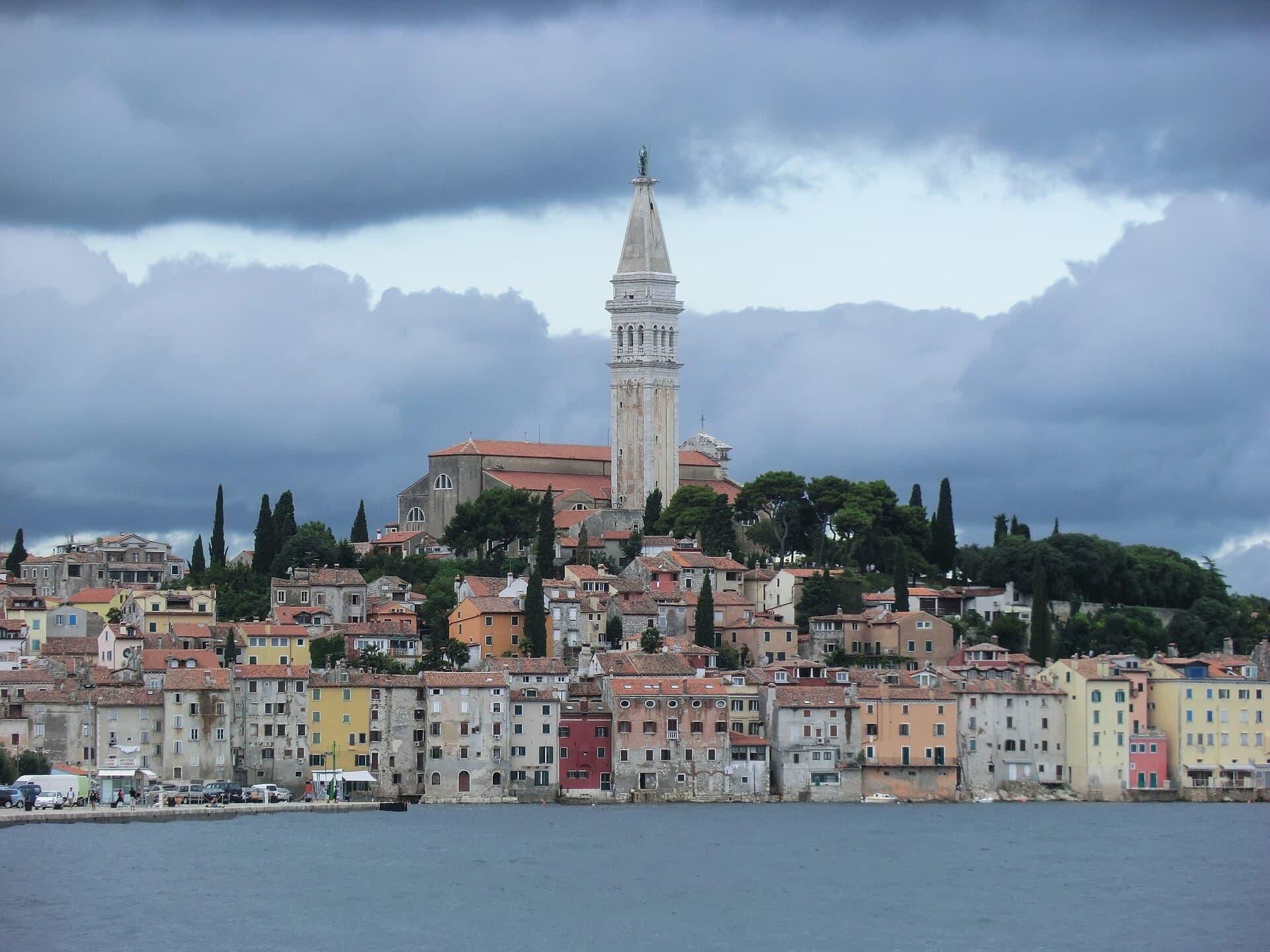
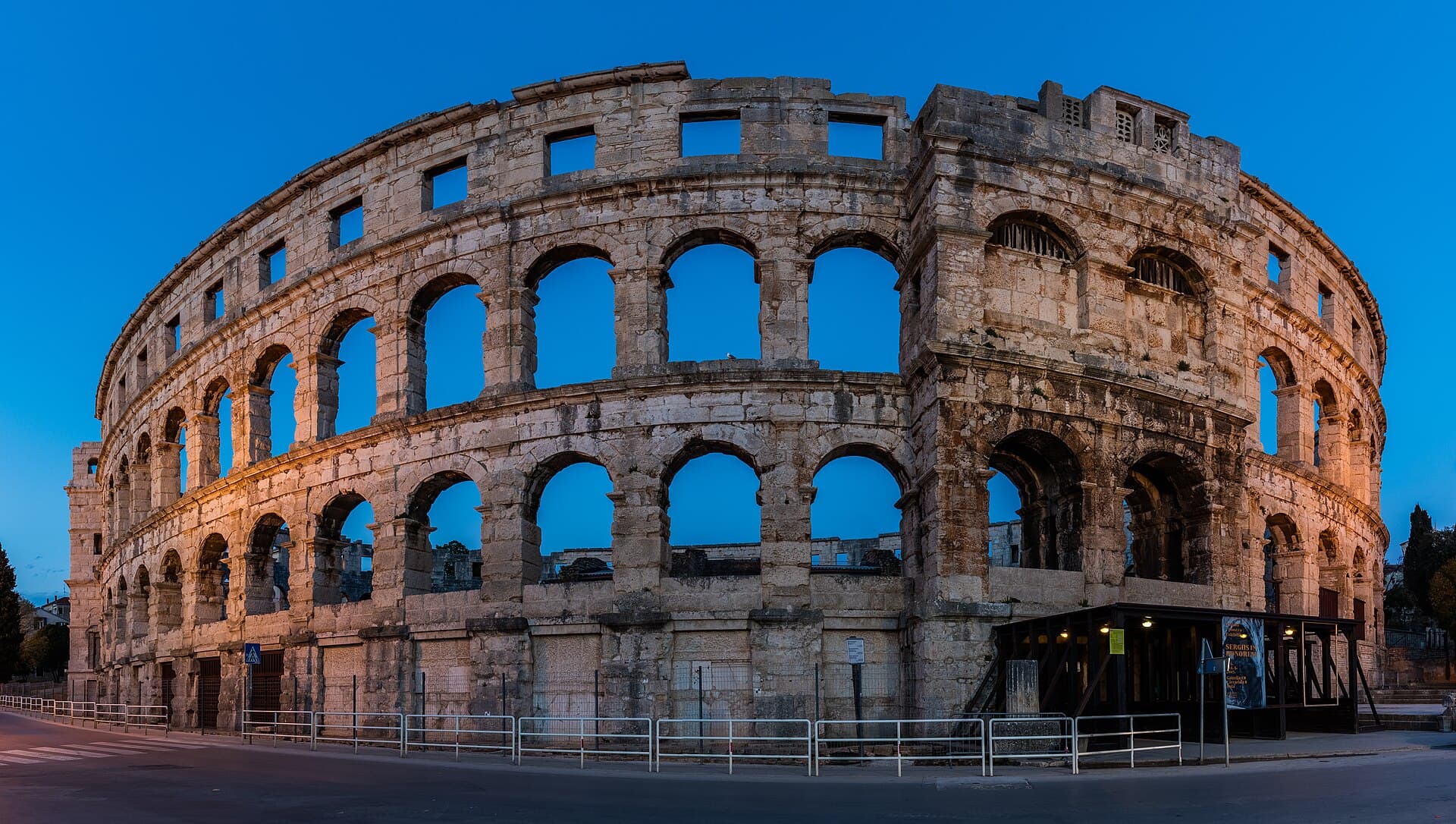
The heart-shaped peninsula combining the heritage of Rome (Pula's arena), the elegance of Venice (Rovinj the Adriatic twin), Byzantine spirituality (Euphrasian Basilica) and Tuscan gastronomy (white truffles, olive oils and Malvazija).
Istria is, among all Croatian regions, the one that looks least like the rest of the country — and that is precisely what makes it one of the most singular and endearing destinations in Europe. This heart-shaped peninsula, pointing south between the gulfs of Trieste and Kvarner, has belonged to Rome, Byzantium, Venice, Austria-Hungary and Italy before its integration into Yugoslavia in 1947 — a cultural palimpsest that today is read in its architecture, its cuisine, its official Croatian-Italian bilingualism and its Mediterranean way of life.
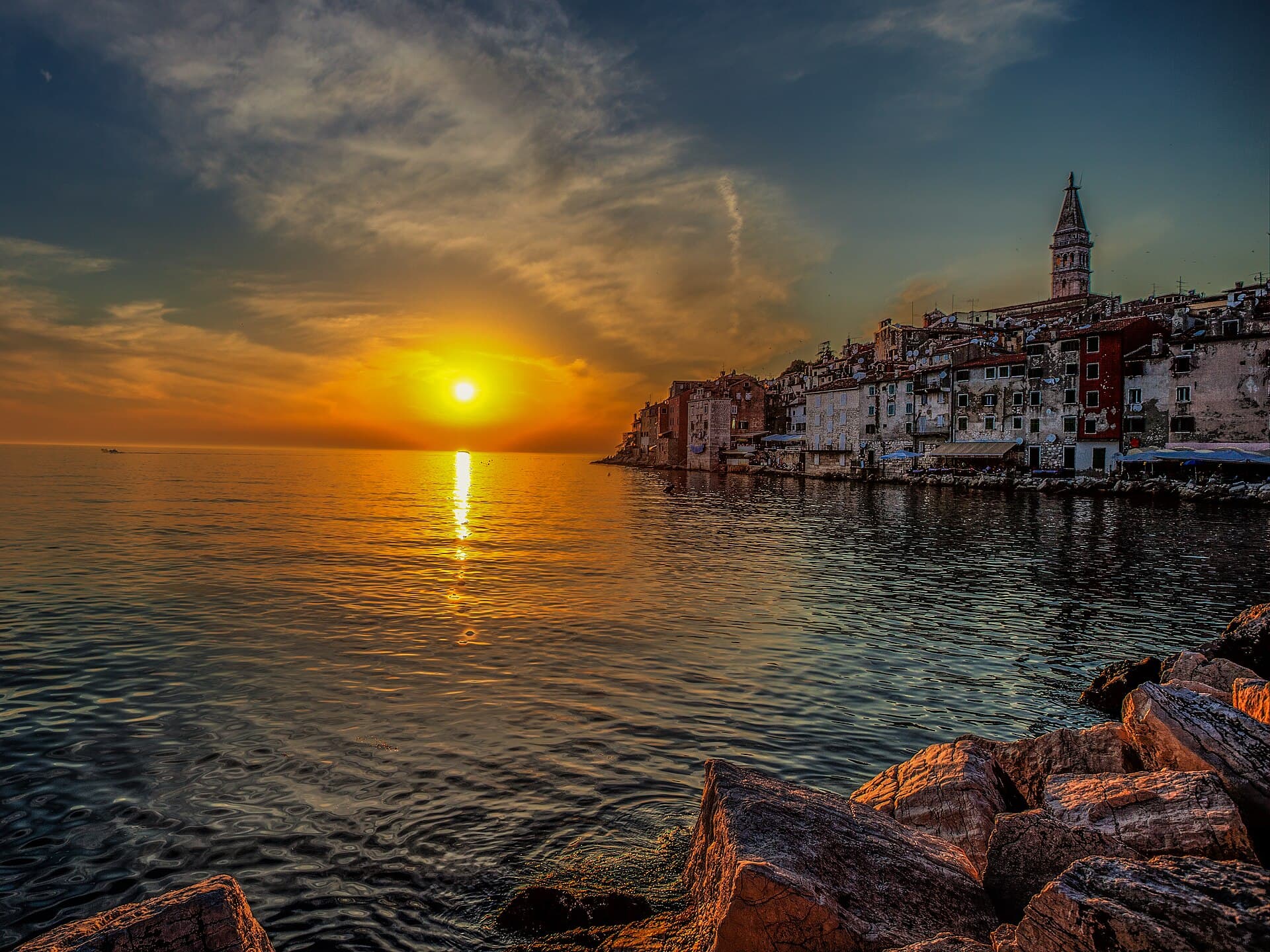
The west coast of Istria is a string of urban gems. Pula, historic capital of the southern peninsula, preserves exceptional Roman heritage including the famous amphitheatre (first century), the sixth largest in the world and the best preserved after the Colosseum, the Arch of the Sergii and the Temple of Augustus. Rovinj is the visual icon of the region: a fortified peninsula city whose silhouette dominated by the bell tower of Saint Euphemia (eighteenth century, a reduced copy of Saint Mark's in Venice) composes one of the most reproduced postcards of the Adriatic. Its cobbled alleys tumble toward the water, framed by pastel-coloured houses and artists' boutiques. Poreč finally, further north, houses the Euphrasian Basilica (sixth century, UNESCO), one of the best-preserved early Christian ensembles in the world, with its dazzling gold-background Byzantine mosaics.
But the soul of Istria plays out just as much in its agricultural and wine interior — 'green Istria'. The hilltop villages of Motovun, Grožnjan, Hum (officially the world's smallest town with 30 inhabitants), Roč and Pazin cling to their limestone hills like Tuscan miniatures. The Motovun forest, nicknamed 'the Adriatic truffle ground', produces some of the world's finest white truffles (Tuber magnatum), sought after by starred chefs worldwide. The vineyards of Malvazija (indigenous white) and Teran (red) dot the slopes and feed a booming wine-tourism scene, comparable to neighbouring Tuscany in both quality and prestige.
Explore Istria
Spots in the region
Situation
Où se situe Istria ?
Ouvrir la carte en grand sur OpenStreetMap →Frequently asked questions
How many days do you need to visit Istria?+
Where to find the best white truffle in Istria?+
What is the difference between Rovinj and Poreč?+
Is Pula's amphitheatre really worth the detour?+
What is Istrian Malvazija and where to taste it?+
How to visit the hilltop villages of the Istrian interior?+
Do you need a visa to visit Istria from Trieste or Venice?+
Our verdict
Istria is probably the most accessible region of Croatia for European travellers and the most rewarding for epicureans. The peninsula achieves the feat of combining first-rate Roman and Byzantine heritage, refined cuisine comparable to Tuscany and an Adriatic coast of singular beauty. Plan for at least 6 to 7 days for a balanced experience: 2 nights in Rovinj, 1 night in Pula, 1 night in the Poreč region, and 2 nights in the interior (Motovun, Grožnjan or an agrotourism). The best season is undoubtedly late September-October, for white truffle, harvest and a still-radiant climate.