Region
Victoria
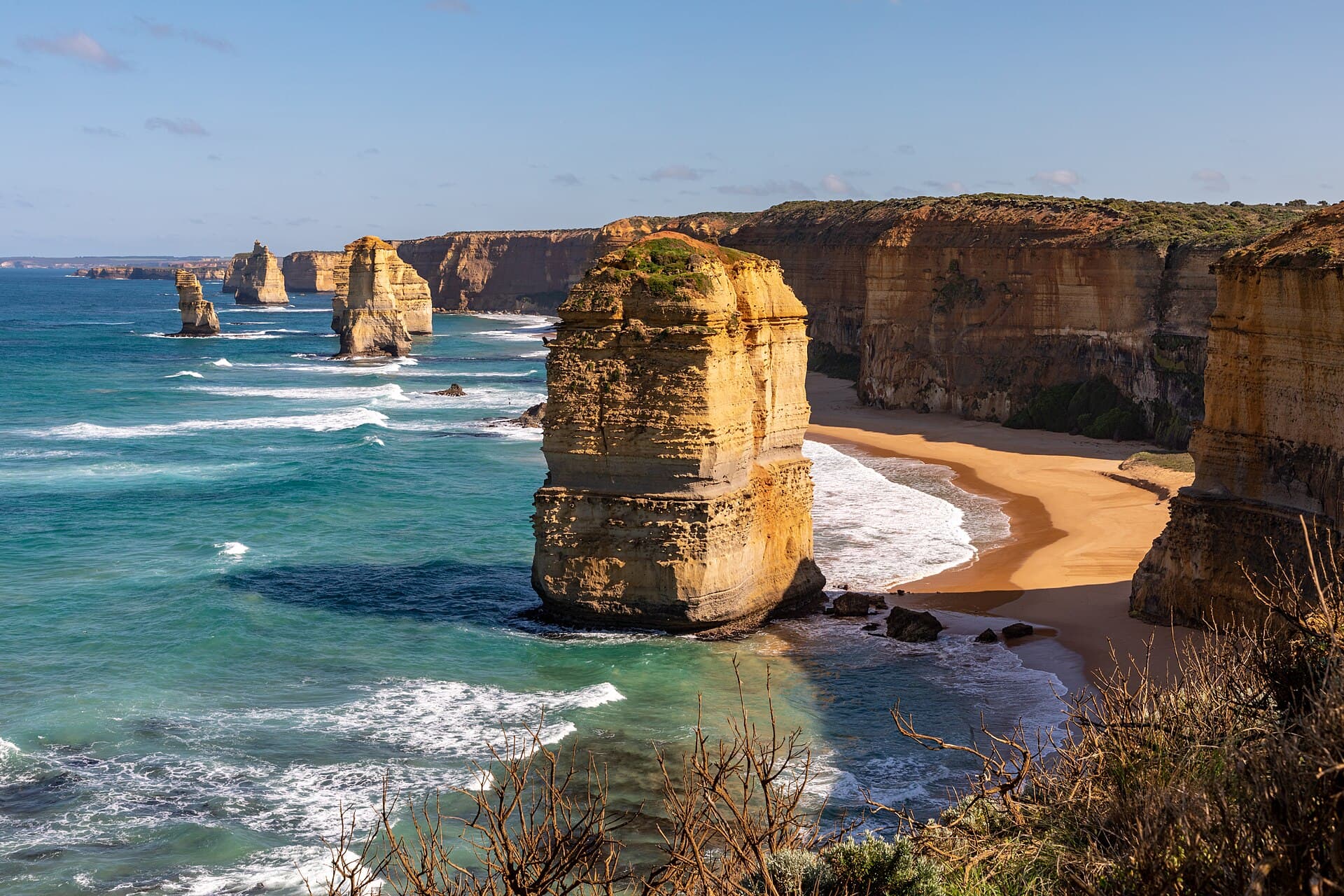
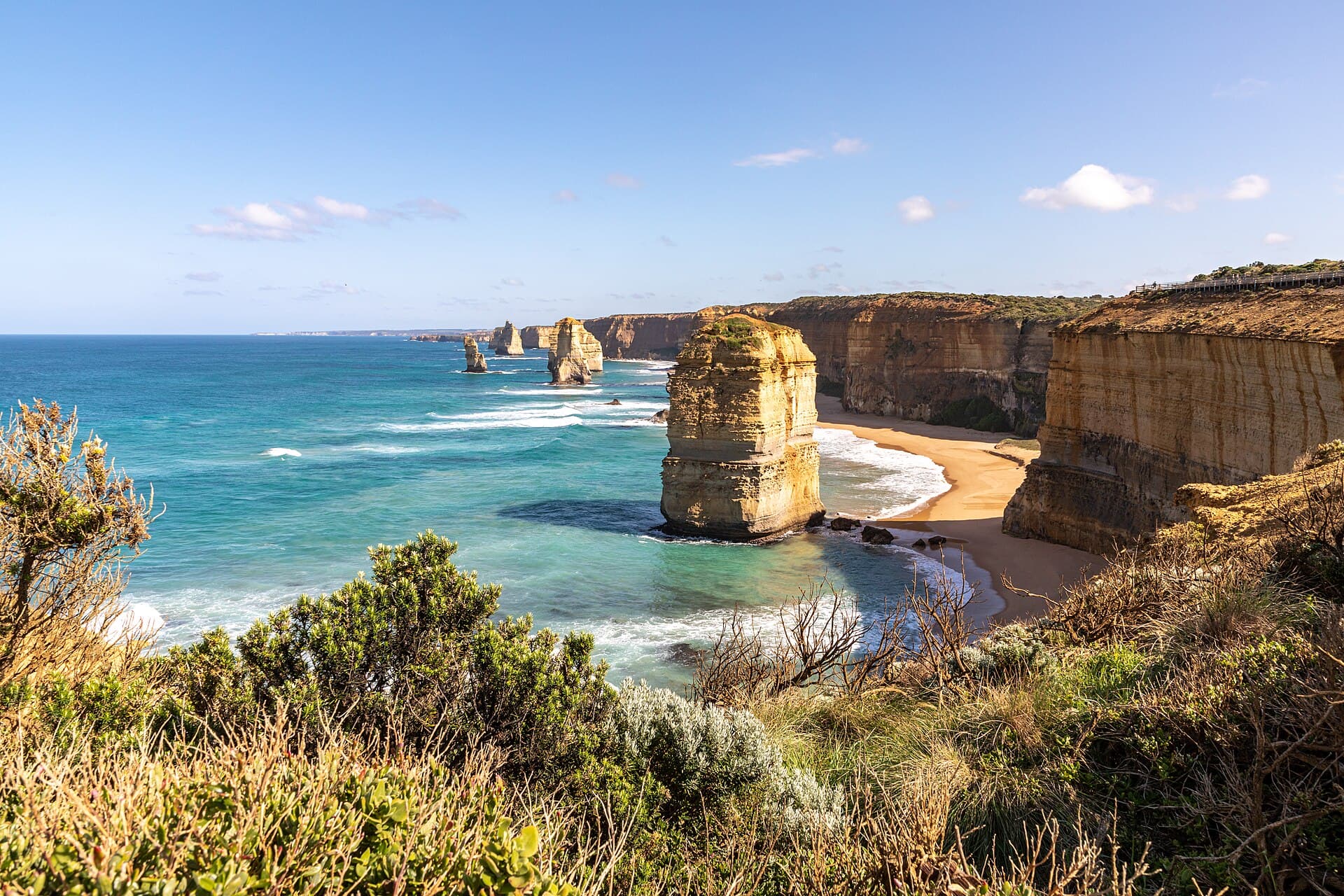
Melbourne is Australia's cultural capital and one of the world's best coffee cities. The Great Ocean Road 1.5 hours away offers one of the planet's most beautiful coastal road trips, with the 12 Apostles as the highlight.
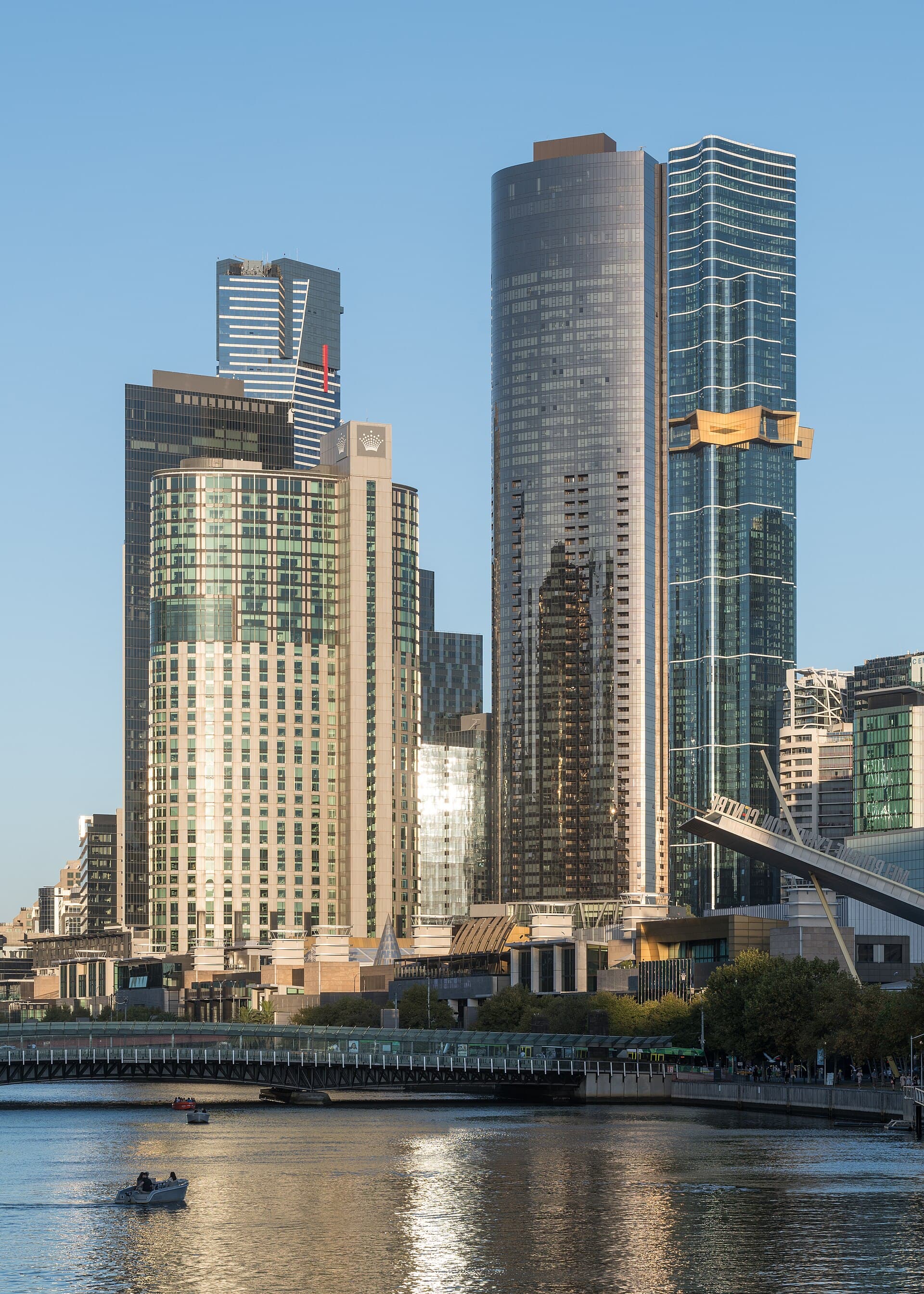
The State of Victoria and its capital Melbourne (5 million inhabitants, Australia's second city) form the country's most European, most cultural and most creative region. Melbourne is regularly ranked among the world's most liveable cities by The Economist (world's first ranking several times between 2011 and 2017) — temperate climate, world-class infrastructure, vibrant arts and gastronomy scene, multicultural lifestyle.
Melbourne organises around the CBD (Central Business District) crossed by the Yarra River. The historic centre stands out for its laneways adorned with globally-recognised street art (Hosier Lane, AC/DC Lane), its traditional Italian cafés (Melbourne coffee culture, inherited from post-war Italian immigration, is probably the world's most refined — Patricia Coffee Brewers, Seven Seeds, Brother Baba Budan), its Victorian arcades (Block Arcade, Royal Arcade), its Victorian architecture (Flinders Street Station 1909, Royal Exhibition Building UNESCO 2004). Beyond the CBD, signature neighbourhoods: Fitzroy and Collingwood (bobo, creative, restaurants), St Kilda (urban beach, Luna Park, sunset penguins on the pier), Southbank (museums, NGV — National Gallery of Victoria), Docklands (modern), South Yarra and Toorak (chic, Chapel Street luxury boutiques).
Melbourne's gastronomic scene rivals Sydney, Tokyo and New York. Attica (Ben Shewry) is regularly ranked #1 in Australia and top 50 worldwide. Vue de Monde (contemporary French cuisine atop the Rialto Tower), Cumulus Inc (Andrew McConnell, signature bistro), Chin Chin (trendy Southeast Asian cuisine), Flower Drum (high-end Cantonese). Melbourne brunch culture (avocado smash, eggs benedict) has spread worldwide. Lygon Street (Carlton) remains one of the world's most authentic Little Italys (Italians settled since 1950).
The State of Victoria offers exceptional excursions from Melbourne. The Great Ocean Road (1.5 hours to the start at Torquay) is one of the planet's most beautiful coastal road trips: 243 km of panoramic road between limestone cliffs (12 Apostles, Loch Ard Gorge, London Arch) and eucalyptus forests, with seaside towns (Lorne, Apollo Bay) and wild koala observation at Cape Otway. Phillip Island (1.5 hours south-east) hosts the famous Penguin Parade — each evening at sunset, hundreds of fairy penguins emerge from the sea to reach their burrows (AUD 30-50 spectacle). The Yarra Valley (1 hour east) is one of Australia's major wine regions, specialising in Pinot Noir and Chardonnay (champagne method by Domaine Chandon, founded by Moët & Chandon).
The Victorian Alps (3-4 hours north-east) offer skiing in austral winter (June-September) at Falls Creek, Mt Buller and Mt Hotham. The Mornington Peninsula (1 hour south) provides wineries, beaches and hot springs.
Explore Victoria
Spots in the region
Situation
Où se situe Victoria ?
Ouvrir la carte en grand sur OpenStreetMap →Frequently asked questions
How many days for Melbourne and Victoria?+
Do you need a car for the Great Ocean Road?+
How to see the Phillip Island penguins?+
What are Melbourne's best cafés and restaurants?+
What are the best beaches near Melbourne?+
Our verdict
Melbourne and Victoria form the ideal cultural and natural complement to Sydney. Melbourne deserves 3-4 nights for its cafés, gastronomic scene, museums (NGV, comparable to international MONA), street art laneways and European multicultural atmosphere. The Great Ocean Road over 2-3 days (ideally 2 nights, at Apollo Bay and Port Campbell) is one of the world's most beautiful road trips. Phillip Island is worth a day for the Penguin Parade and wild koalas. The Yarra Valley offers an excellent tasting day. Prioritise austral spring (October-November), summer (December-February, watch for capricious weather) or autumn (March-April, the top for foliage and harvests).