Mowando

Region

North Vietnam

A region of misty mountains and legendary karsts, stretching from Hanoi's thousand-year-old capital to Ha Long Bay's emerald waters and the H'Mong villages perched above Sapa.

4.70

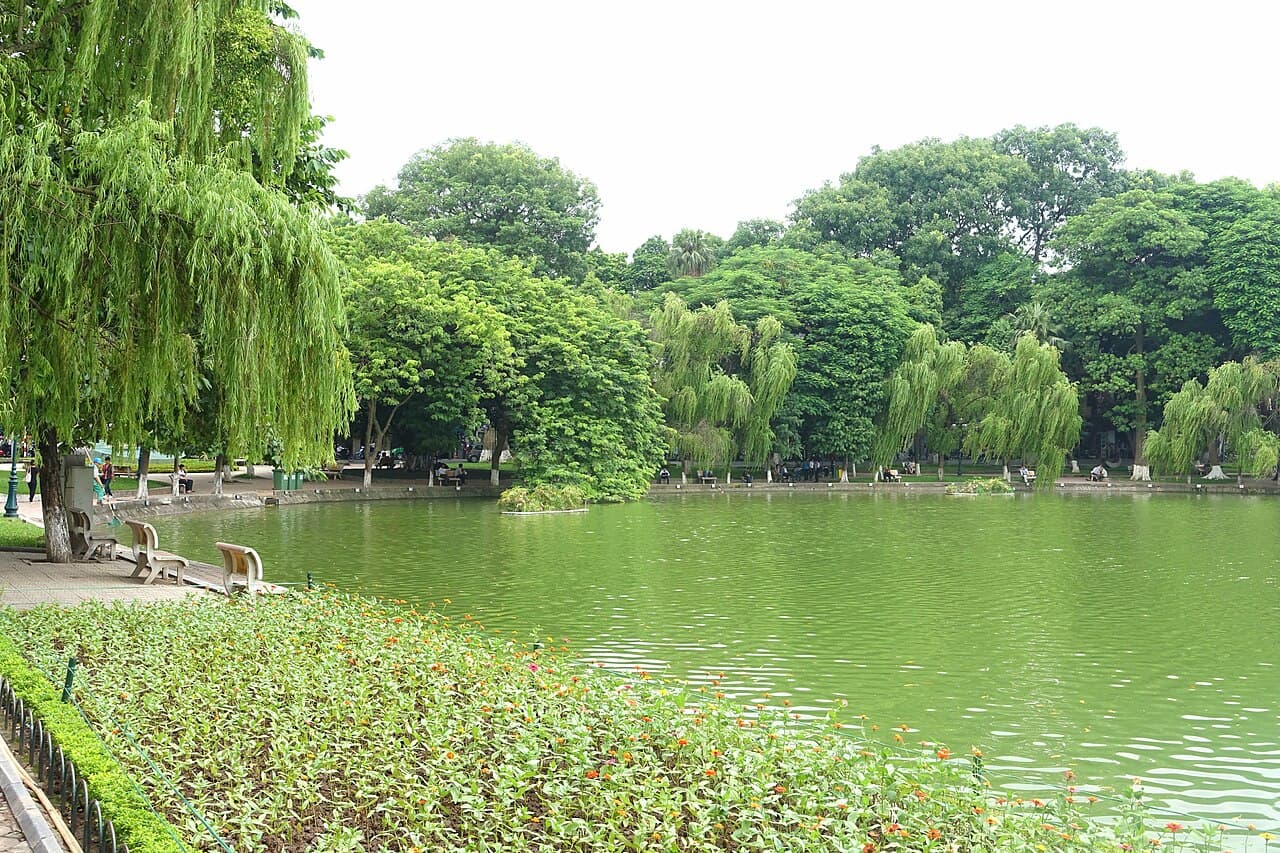
North Vietnam is the country's most diverse and dramatic region — a territory that shifts from Hanoi's animated streets to the limestone cliffs of Ha Long Bay, from the colourful markets of Sapa's hill tribes to the UNESCO-listed rice terraces that cascade down the mountainsides. This is where the historical and cultural heart of Vietnam beats: Hanoi, a capital founded in 1010, packs millennia of history into just a few square kilometres — the ancient 36 Guilds Quarter, Ho Chi Minh's Mausoleum, the Temple of Literature, Hoan Kiem Lake and its Turtle Tower.

Ha Long Bay, a UNESCO World Heritage Site since 1994, is one of Asia's most iconic landscapes. Its 1,969 limestone islets rise from emerald water in cathedral silence, best experienced from a traditional junk boat over one or two nights spent deep in the bay. Further north, the circuit around Cao Bang and the Ban Gioc waterfall — the largest in Southeast Asia, straddling the Chinese border — opens onto a North Vietnam that remains almost intact, where the weekly markets of Tay and Nung villages are still genuine community events.

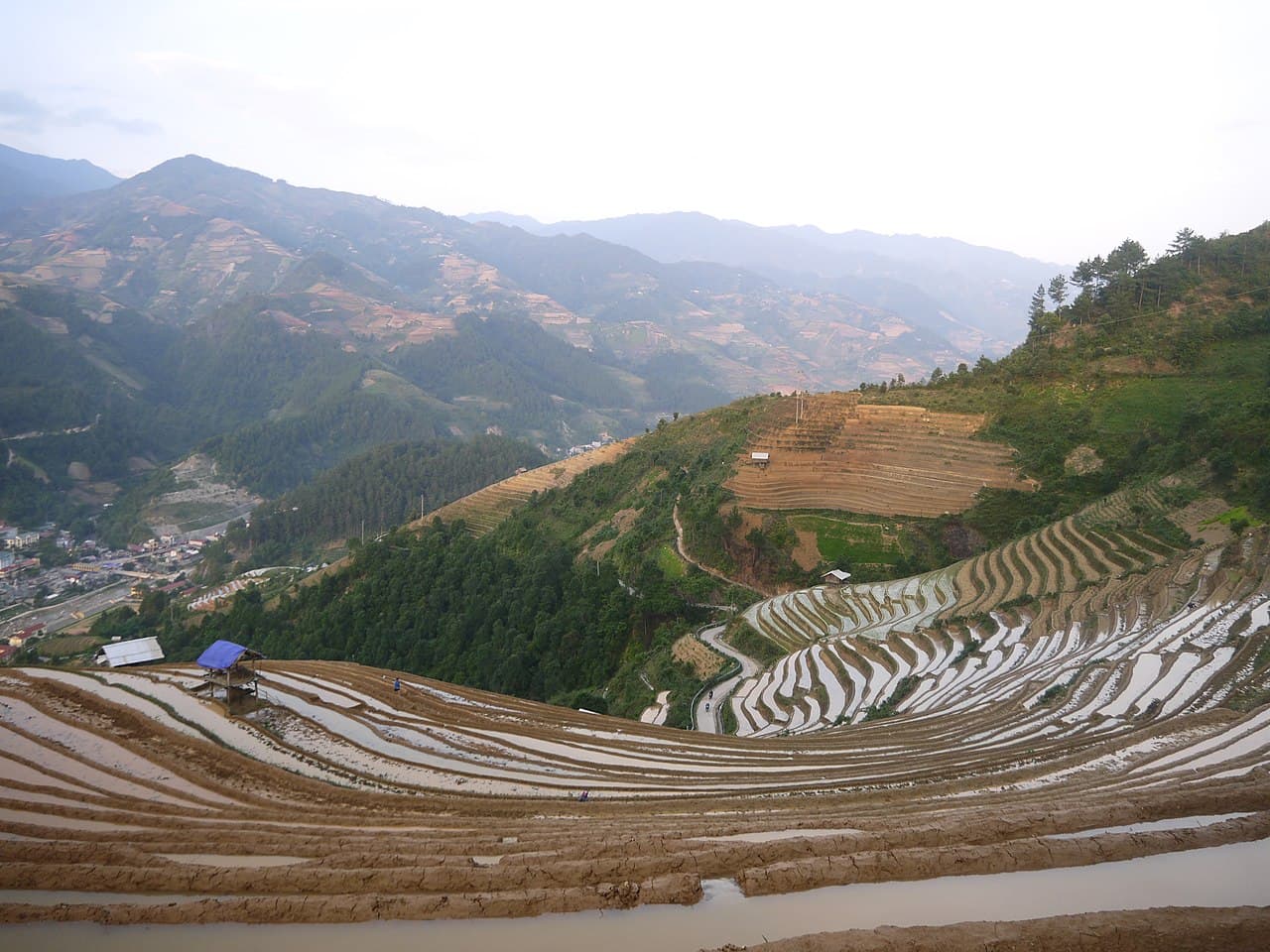
Sapa and its surrounding region form the third pillar of the north: the rice terraces of Mu Cang Chai, treks through Black H'Mong, Red Dao and Giay villages, and panoramas across Mount Fansipan (3,143 m, the roof of Indochina) make for a tropical high-mountain landscape found nowhere else in Southeast Asia. The north also delivers through its cuisine — one of the most refined on the continent. Hanoi's phở bò, bún chả, bánh mì and cà phê trứng (egg coffee) make the north essential for any food-curious traveller.

Spots in the region
Situation

Où se situe North Vietnam ?

Ouvrir la carte en grand sur OpenStreetMap →

Frequently asked questions

How many days do you need for North Vietnam?+
Plan for a minimum of seven to ten days to cover the highlights of the north: 2-3 days in Hanoi (Old Quarter, temples, street food), 2 nights cruising Ha Long Bay, then 2-3 days in Sapa for trekking and hill-tribe villages. With 14 days, add the Ninh Binh circuit (the so-called terrestrial Ha Long Bay) and the landscapes of Ha Giang or Cao Bang for a deeper immersion into highland Vietnam.
Which Ha Long Bay cruise should I choose?+
Avoid the budget cruises that pack dozens of junks into the same corner of the bay. Instead opt for a 2-night cruise in Lan Ha Bay (less visited but equally spectacular) with a premium operator such as Heritage Cruises, Indochine Sails or Paradise Elegance. Budget 200-400 USD per person for 2 nights full board in a double cabin. Travel mid-week to avoid the weekend rush of day-trippers.
How do you get from Hanoi to Sapa?+
The overnight train Hanoi–Lào Cai (9-hour journey, departing around 10 pm) is the most enjoyable option: book a 4-berth soft sleeper cabin (30-50 USD via 12go.asia or at Hanoi station). From Lào Cai, a minibus or taxi (1 hour) takes you up to Sapa. Alternatively, direct VIP buses (Fansipan Express, Sapa Bus) take 4h30 from the My Dinh Bus Station — faster but the road gets winding after Lào Cai. Avoid overnight buses on this route.
When is the best time to see Sapa's rice terraces?+
Sapa and Mu Cang Chai's rice terraces have two golden moments. __May to June__: the terraces are flooded and mirror the sky in shades of turquoise and gold. __September to October__: the harvest turns the fields gold and amber — the period most loved by photographers. Avoid December-January for the terraces (off-season, less photogenic) but these months work well for village trekking and markets.
Do I need a visa for Vietnam?+
Citizens of France, Belgium and Switzerland have benefited since 2023 from a __45-day visa exemption__ for Vietnam (multiple entries possible). For longer stays, the e-visa (25 USD, 3 business days processing) is available on the official portal and authorises a 90-day stay. Make sure your passport is valid at least 6 months beyond your entry date.
How do you get around Hanoi?+
In Hanoi's Old Quarter, walking is the best way to get around: the lanes are too narrow and animated for cars. For longer journeys, Grab is reliable and inexpensive (2-5 USD for most city trips). The cyclo is a charming option for a slow ride through the Old Quarter. Avoid unaffiliated taxis for tourists — fare scams are common on the route from Noi Bai airport. Taxi Group and Mailinh are the trustworthy metered alternatives.
What dishes are unmissable in Hanoi?+
__Phở bò__ (beef and rice noodle soup) is the emblematic dish of the north — more restrained and subtly spiced than the southern version. __Bún chả__ (grilled pork, vermicelli and dipping broth) is Hanoi's signature street dish, made famous internationally by Barack Obama. The Hanoian __bánh mì__ features a lighter filling than its southern cousin. Do not miss __cà phê trứng__ (egg-whipped coffee with condensed milk) at Café Giang, an institution since 1946.

Our verdict

North Vietnam is the country's most substantial destination for a first visit. Hanoi sets the tone — a city unlike any other in Asia, with its Franco-Vietnamese architecture, its lakes, its 36 guilds and its incomparable food scene. Ha Long Bay remains unmissable despite the crowds, as long as you choose a premium cruise and travel outside July-August. Save two or three days for Sapa and the rice terraces: the northern mountains in the morning mist are the image of Vietnam found nowhere else.

Mowando Letter

Once a month: the right destinations for the right season + the best booking windows.

No spam. One-click unsubscribe. Your data is never shared.