Lisbon and its region pack one of Europe's most complete experience menus into a compact area. The offer organises around five complementary registers.
Historic and cultural Lisbon is best explored on foot, by tram or by funicular. Alfama, the Moorish neighbourhood of steep winding lanes, is the cradle of fado and home to the Castelo de São Jorge, the Sé cathedral and dozens of miradouros — those paved viewpoints where Lisboans contemplate the Tagus with a ginjinha in hand. The riverside district of Belém, 6 km from the centre, groups the monuments of the Manueline era: the Tower of Belém (16th century), the Jerónimos Monastery (UNESCO) and the MAAT contemporary art museum on the riverbank. The Museu Nacional do Azulejo, housed in a former convent, is the world reference for understanding Portuguese painted-tile art.
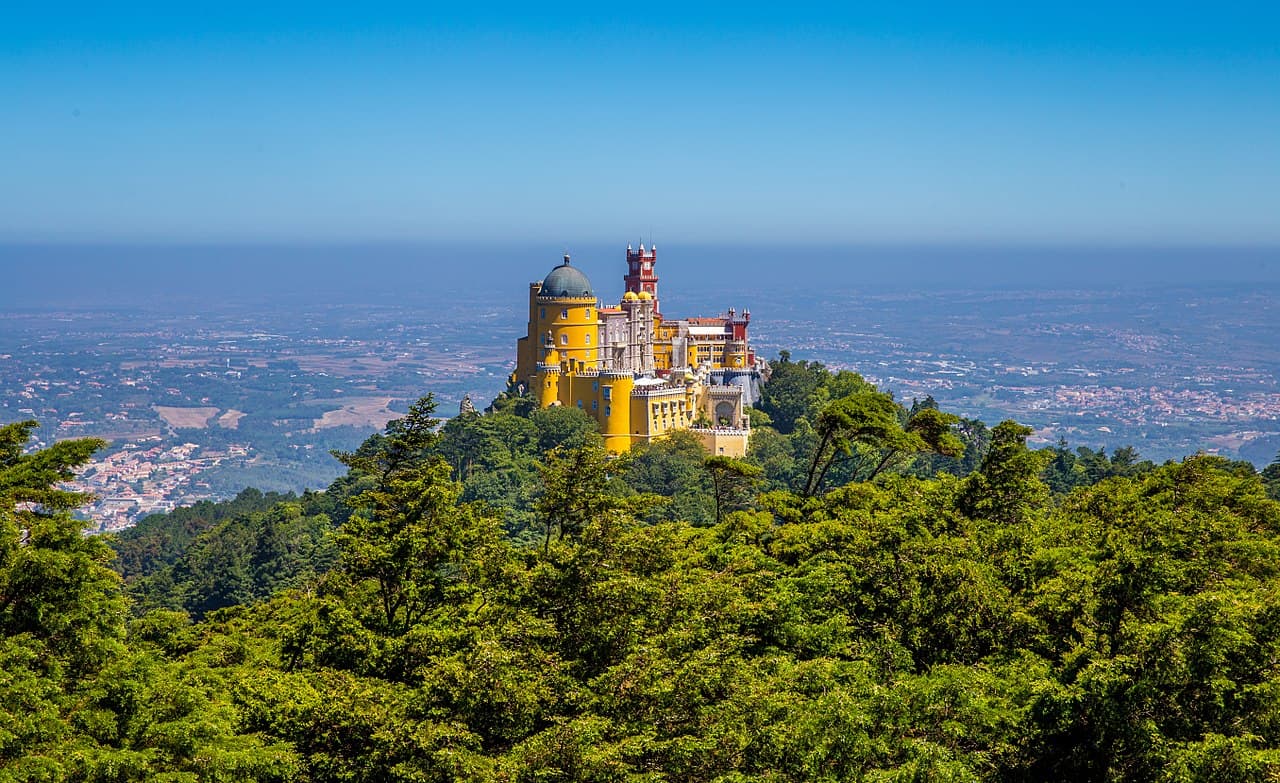
Sintra, the essential day trip. Thirty kilometres from Lisbon, Sintra stacks three major palaces within a UNESCO-listed forest park. Pena Palace (19th century, extravagant neo-Romantic style), Quinta da Regaleira with its 27-metre-deep initiatory well, and Monserrate Palace within a subtropical botanical garden together fill a full day's itinerary. Add Cabo da Roca at the end of the afternoon for the sunset over the Atlantic.
The coast and beaches. Cascais and Estoril, 30 minutes by train from Lisbon, offer old-fashioned seaside resort life — bay promenades, café terraces, the Museu Condes de Castro Guimarães in an Art Nouveau manor and the Estoril Casino (the largest in Europe, which inspired Ian Fleming to write James Bond). Cascais beaches suit families, while the surf breaks cluster at Guincho and Costa da Caparica.
Gastronomy and wine. Lisbon's food scene has exploded over the past decade without losing its authenticity. The tasques of Alfama and Mouraria still serve bacalhau à brás (shredded salt cod with egg), ameijoas na cataplana (Alentejo-style clams) and grilled leitão (suckling pig). The new restaurants of Chiado and Santos showcase Alentejo produce and Atlantic seafood. Wine-wise, the whites of the Setúbal region, reds from Palmela and ice-cold vinho verde are the best local discoveries.
Fado. Portugal's national music is not a passive tourist experience: a real fado evening in a Mouraria or Alfama fado house — dinner included, midnight performance — is one of the most moving experiences Lisbon offers. Skip the tourist-formatted shows in Belém restaurants and favour authentic houses such as Mesa de Frades or Tasca do Chico.
Read also
- Lisbon, capital of the discoveries — Alfama, tram 28, Belém and azulejos: the complete guide to Portugal's capital.
- Sintra, palaces in the mist — Pena Palace, Quinta da Regaleira, Monserrate: the UNESCO site at Lisbon's doorstep.
- Portugal — Complete country guide: visa, budget, regions to explore and the best time to visit.
- Porto and Northern Portugal — Douro Valley, vinho verde and Guimarães, the birthplace of the Portuguese nation.