The Lisbon Region has a remarkably efficient public transport network by European capital standards, making it one of the easiest destinations to explore without a car.
Lisbon itself is walkable in its central neighbourhoods (Alfama, Chiado, Mouraria, Bairro Alto), but the hills impose use of the funiculars (Glória, Bica, Lavra) and the Santa Justa lift. Tram 28, the city's icon, links Martim Moniz to Campo de Ourique through Alfama and Graça — an unmissable tourist experience, but avoid it at peak hours (8-10 am and 5-7 pm) when it is packed and pickpockets are active. The metro (Metropolitano de Lisboa) serves the main tourist zones reliably and quickly.
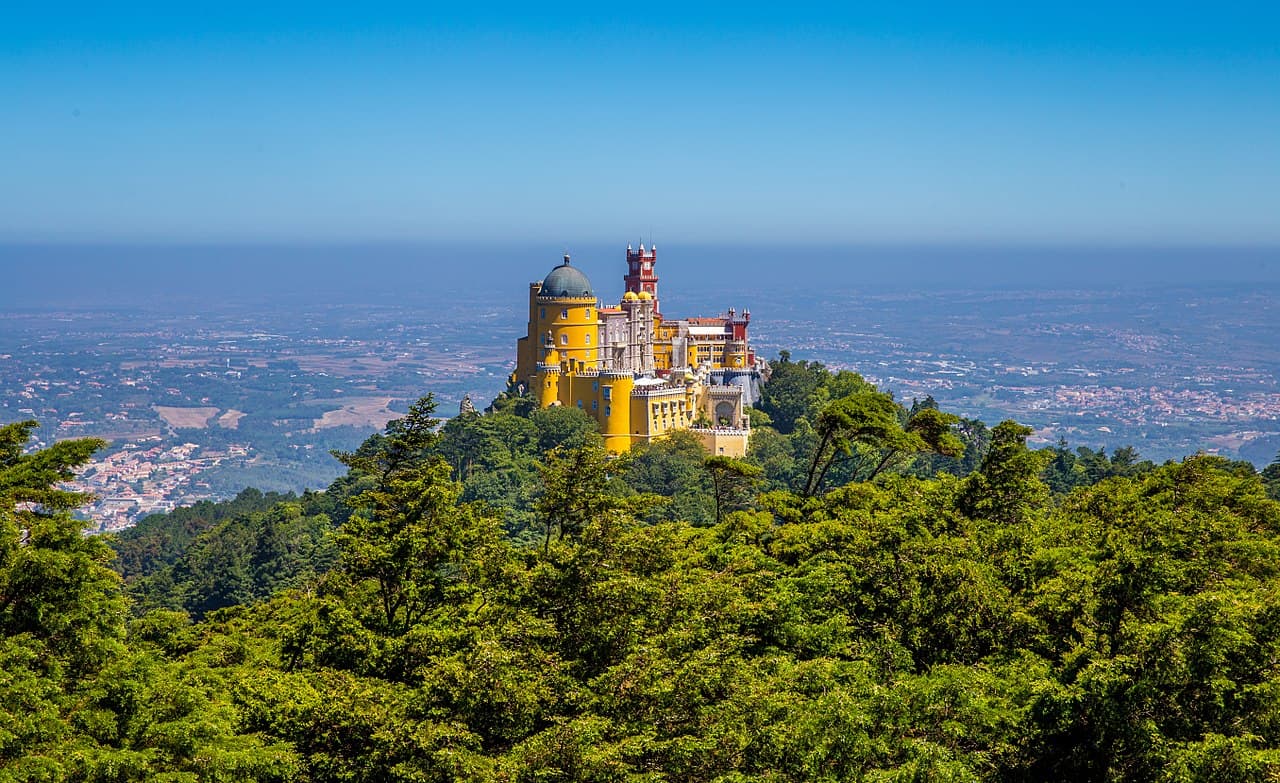
From Lisbon, the commuter train (Comboios de Portugal) is the ideal way to reach the coast. The Cascais Line runs from Cais do Sodré to Cascais in 40 minutes, stopping at Estoril. The Sintra Line leaves from Rossio and reaches Sintra in 40 minutes. Both lines run from around 5.30 am to midnight, with trains every 30 minutes. Tickets are bought at ticket offices or machines — load a Viva Viagem card for multiple trips.
For Costa da Caparica south of the Tagus, the most practical combination is the ferry from Cais do Sodré to Cacilhas (10 minutes), then TST bus to the beaches (30 minutes). In summer, a direct bus runs from Praça Marquês de Pombal. A car is only useful for exploring the Arrábida and Setúbal beaches, poorly served by public transport — rent one for a specific day rather than throughout your stay, as central Lisbon parking is scarce and expensive.
Uber and Bolt work very well in Lisbon and are often cheaper than traditional taxis. Official taxis are easily recognisable (cream or green-and-black) and all fitted with meters. Avoid unofficial taxis at airport exits.
Read also
- Lisbon, capital of the discoveries — Alfama, tram 28, Belém and azulejos: the complete guide to Portugal's capital.
- Sintra, palaces in the mist — Pena Palace, Quinta da Regaleira, Monserrate: the UNESCO site at Lisbon's doorstep.
- Portugal — Complete country guide: visa, budget, regions to explore and the best time to visit.
- Porto and Northern Portugal — Douro Valley, vinho verde and Guimarães, the birthplace of the Portuguese nation.