
Expert on Portugal · 1 contributions
 Mediterranean Desk — Mowando·Editor
- · First time in Portugal
- · Couples or friends who love history and gastronomy
- · Travellers who appreciate wine, architecture and the sea
April, May, June, September, October
The right call at 10 days: 4 nights in Lisbon, 4 nights in Porto, with a must-do Sintra day trip and a Douro river cruise day. One rule: let the train cover the ground, and keep your days for wandering.
Day by day
- 1Day 1
Arrival in Lisbon — first evening in Alfama
Land at Humberto Delgado airport, take the red metro line to Marquês de Pombal or taxi (€12-18, 20 min). Drop the bags and head straight up to Miradouro da Graça: sweeping views over Lisbon's seven hills, the Tagus as a backdrop, unmatched late-afternoon light.
Walk down through the lanes of Alfama — the medieval Moorish quarter, azulejo tiles on every façade, laundry strung between windows. Dinner at a traditional tasca: bifanas (spiced pork sandwich, €4) or a cataplana of clams. First glass of vinho verde to set the mood.
Tips- · Lisbon metro costs €1.65 per ride with the Viva Viagem card (€0.50 to purchase). Much faster than a taxi in rush hour.
- · Best Lisbon neighbourhoods to stay: Príncipe Real or Chiado — central, quiet at night, well connected.
- 2Day 2
Lisbon: Alfama, São Jorge Castle and Fado
Morning in Alfama refreshed: São Jorge Castle (€11, opens 9am) at the top of the hill, ramparts with 360° views over Lisbon and the Tagus estuary. Walk down to the Sé Cathedral (free entry) and the Igreja de Santo António.
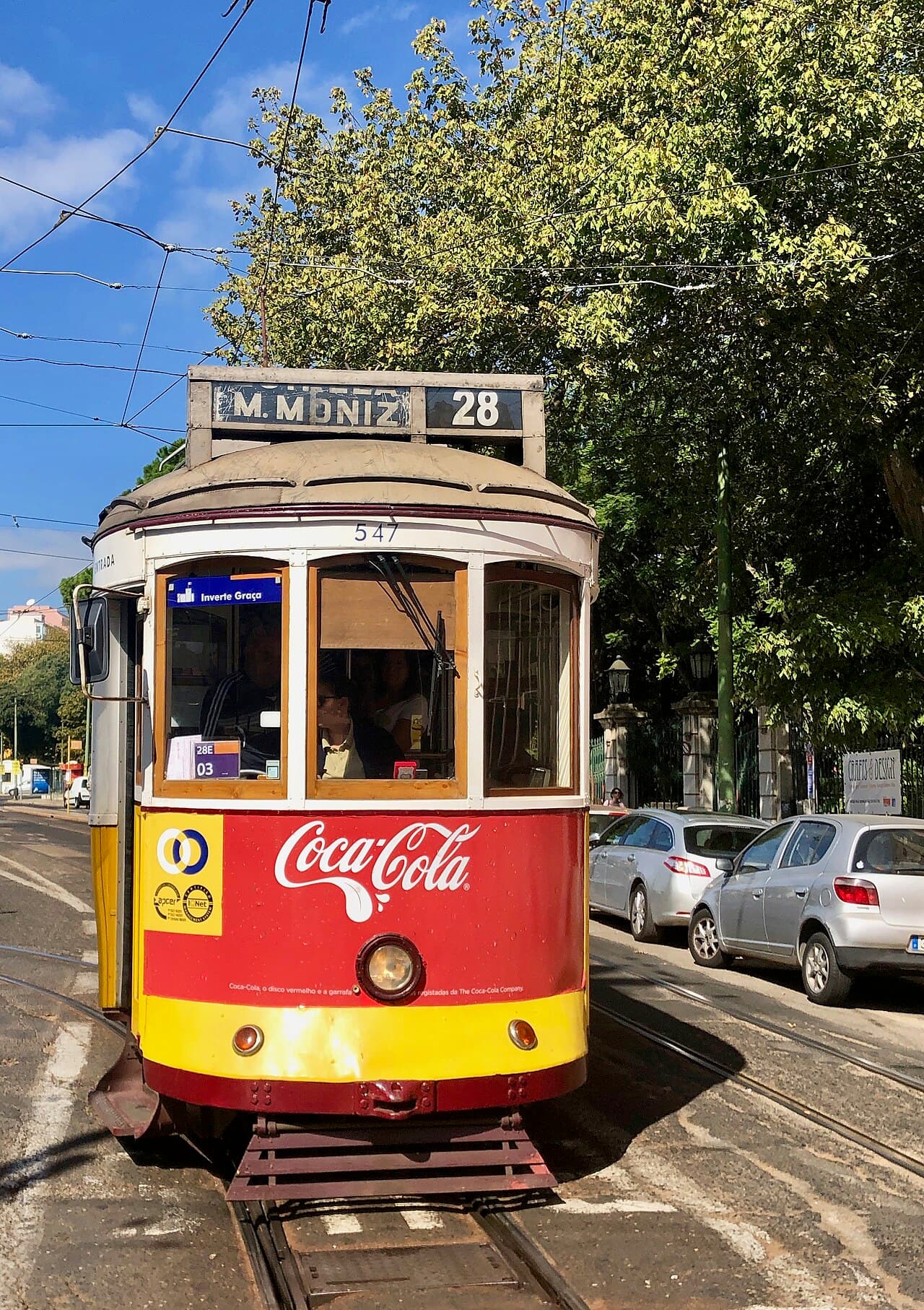
Lunch like a local: Tasca do Chico or any tasca with a chalkboard menu in Portuguese only — a sign of a resident clientele. Afternoon stroll through Mouraria (the multicultural neighbourhood next to Alfama, less touristy), then tram 28 towards Chiado.
Evening: authentic Fado in an Alfama restaurant — Sr. Fado or Mesa de Frades (reservation mandatory, €30-40 with dinner). Choose a small 30-cover venue over a big dining hall.
Tips- · Tram 28 is packed during the day — watch for pickpockets, keep your bag in front or walk the route instead.
- · Fado has been a UNESCO Intangible Heritage since 2011: insist on a venue with live musicians, not background recordings.
- 3Day 3
Lisbon: Belém, pastéis and Bairro Alto
The whole morning in Belém, 6 km from the centre (tram 15E or bus 714). The unmissable trio: Belém Tower (€7), Jerónimos Monastery (€12, a Manueline masterpiece — allow 1h30), Monument to the Discoveries.
And above all: the pilgrimage to Pastéis de Belém, the bakery founded in 1837 next to the monastery, the only one authorised to use the original pastel de nata recipe. The queue is inevitable but fast — order 6 warm pastéis with icing sugar and cinnamon (€1.35 each), sit in the azulejo dining room.
Bus back to Príncipe Real for the afternoon: Sunday market if it's Sunday, lush gardens, Portuguese designer boutiques. Evening in Bairro Alto and Cais do Sodré for the nightlife — neighbouring barrios, ideal for dinner and a late night out.
Tips- · Jerónimos Monastery is free on Sunday mornings until 2pm — arrive at 9:30am to beat the crowds.
- · The Time Out Market Lisboa (Cais do Sodré) brings together Lisbon's best addresses in food court format — perfect for a quick, varied lunch at €10-15.
- 4Day 4
Day trip to Sintra: Pena, Regaleira and Cabo da Roca
Train from Rossio (Lisbon) → Sintra, 40 min, €2.30, every 30 min. Buy Sintra tickets online the day before: Pena Palace (€14) and Quinta da Regaleira (€10) are the two must-sees.
Pena Palace first, right at opening (9:30am): a romantic palace perched on a rock, neo-Gothic and neo-Manueline mashup, in yellow and burgundy. Walk down through the gardens to Quinta da Regaleira: a neo-Manueline villa surrounded by an esoteric park — the initiation well (a spiral staircase descending into the rock) is the highlight.
Lunch in Sintra town, then taxi or bus 403 to Cabo da Roca: the westernmost point of continental Europe, 140m cliffs over the Atlantic, often very windy. Return via Cascais (a lovely seaside town, 30 min by train from Sintra), or directly by train from Sintra back to Lisbon.
Tips- · Sintra in July-August: 2h queues without booking, packed shuttles. Arriving before 9:30am is the only viable strategy.
- · Sintra town centre is 3 km from Pena Palace — take the hop-on/hop-off shuttle (€3.50) or walk 30 min uphill.
- 5Day 5
Lisbon → Porto by Alfa Pendular
Depart from Oriente or Santa Apolónia station for Porto Campanhã or Porto São Bento. The Alfa Pendular takes 2h45, €25-50 depending on class and how far ahead you book (book on cp.pt). Oriente station is 20 min from the centre by metro — recommended for its spectacular Calatrava architecture.
Arrive at Porto São Bento: one of Europe's most beautiful train stations, interior entirely covered with 20,000 azulejo panels illustrating Portuguese history. Drop bags at the hotel, then first exploration of the centre: Livraria Lello (€6, redeemable against a purchase), one of the world's most beautiful bookshops — the carved wooden staircase is worth the trip alone.
Evening on the Ribeira: the quays on the right bank of the Douro, seafood restaurant terraces, lights reflected on the river.
Tips- · Book the Alfa Pendular 2 weeks ahead: Conforto class (economy) fares start at €19 vs €45 the day before.
- · The Livraria Lello is often crowded — go at opening (10am) or late afternoon for the best filtered light.
- 6Day 6
Porto: Ribeira, Vila Nova de Gaia cellars and sunset
Morning in Porto's historic heart (UNESCO-listed): Igreja de São Francisco (€9, entirely gold-leaf Baroque interior, 200kg of gold), Palácio da Bolsa (€10, spectacular Arab Room), Ribeira square.
Afternoon: walk across the Dom Luís I Bridge (two-deck metal bridge) to Vila Nova de Gaia. The great Port wine houses line the south bank: Sandeman (tour + tasting €15), Ramos Pinto (more intimate) or Taylor's (panoramic terrace over Porto). Allow 1h30-2h to visit two cellars.
Sunset from the Serra do Pilar terrace (Gaia bank) or walking the upper deck of Dom Luís Bridge — the view over lit-up Porto is the city's best memory. Dinner at the Majestic Café for the Belle Époque atmosphere (founded 1921), or fresh seafood on the Ribeira quays.
Tips- · Port wine is fortified (17-20% alcohol): don't underestimate it, drink in small measures. Cellars typically offer 2-3 glasses at tastings.
- · The Majestic Café is touristy but genuine in its décor — go for a coffee or dessert rather than a full meal (better value for money).
- 7Day 7
Porto: Bonfim district, street art and Bolhão market
A day to explore Porto off the beaten path. Morning at the Bolhão Market (recently renovated): stalls of cheese, charcuterie, vegetables and dried fish — the best of neighbourhood life. Pick up a bifana or a francesinha (Porto's iconic dish: an oven-baked sandwich smothered in spicy sauce and melted cheese) from a local address.
Afternoon in the Bonfim district and Rua Miguel Bombarda: contemporary art galleries, street art by Hazul and Vhils on granite building walls, ceramic studios. Funicular or walk up to Rua das Flores and its artisanal azulejo shops.
Evening in the Galerias de Paris and Rua do Almada districts: natural wine bars, trendy restaurants, lively but not overrun nightlife.
Tips- · The francesinha is a lunch dish — too heavy for dinner. Top addresses: Café Santiago or Lado B (normal 15-20 min queue).
- · The Guindais funicular (€2.50) connects Ribeira to the upper city in 2 min — skips an 80m steep climb.
- 8Day 8
Douro Valley day trip — cruise and Quintas
A must-do day trip from Porto: the Douro Valley (1-1h30 by car or train). Two options depending on budget and preference:
Train option (budget-friendly, €12-15): depart Porto Campanhã → Pinhão (2h, CP train running along the river — one of Europe's most scenic rail journeys). Lunch in Pinhão, walk to a Quinta for a visit, return late afternoon.
Organised cruise (€75-110): depart from Porto's Ribeira quays, sail up the Douro with commentary, stop at 2 Quintas for Douro DOC tastings (dry table wine, different from Port), gourmet lunch included. Recommended for full immersion without logistics.
Top Quintas: Quinta do Crasto, Quinta de la Rosa and Quinta do Vallado for table wines, Quinta do Vesúvio for fortified wines. Back in Porto by late afternoon.
Tips- · The Douro is subject to low water in summer (July-August): some upstream cruises are cancelled. Check before booking.
- · By rental car, the N222 road Régua → Pinhão is ranked among Europe's most beautiful — hairpin bends above terraced vineyards.
- 9Day 9
Porto → Aveiro (or Coimbra) — the Portuguese Venice
Last sightseeing day before the flight. Two options:
Aveiro option (45 min by train, €3.40): the 'Portuguese Venice' — canals running through the centre, moliceiros (traditional decorated boats, cruise €15), remarkable Art Nouveau architecture. Local speciality: ovos moles (egg yolk and sugar pastries, shell or fish shaped). A relaxed town, perfect before a next-day flight.
Coimbra option (1h15 by train, €8): the former medieval capital, University of Coimbra (UNESCO Heritage, Joanina Library with its bats and Baroque ceiling, €12), Romanesque cathedral. More cultural, energised by students in black capes. Coimbra Fado in the evening (different from Lisbon's: deeper, sung only by men).
Back in Porto late afternoon for the final evening.
Tips- · Choose Aveiro for a low-effort day. Choose Coimbra if the Joanina Library is on your bucket list.
- · Aveiro without a car: all attractions are 10-15 min on foot from the station, including the main moliceiro canal.
- 10Day 10
Porto: last morning, international flight
Early rise for a last Porto morning while the city still belongs to its residents: coffee and croissant at a neighbourhood padaria (€1.50-2), walk up to Miradouro da Vitória to watch Porto at sunrise with no one else around.
Francisco Sá Carneiro Airport is 11 km from the centre: metro line E (Violet) from Trindade, 45 min, €2.20 — the most reliable option. Taxi or Uber: €20-25, 20-30 min outside rush hour. Allow 2h before European flights, 2h30 for intercontinental.
If flying in the evening: free day in Porto. Bonus — visit the Fundação de Serralves (contemporary art museum + park, €20) in the residential Serralves district, often overlooked by express itineraries.
Tips- · Metro line E runs directly from the city centre to the airport — reliable and on time, no reason to take a taxi unless you have a lot of luggage.
- · Budget flights from Porto across Europe: Ryanair and easyJet serve Porto direct from Paris, Lyon, Bordeaux and Nantes.
Other durations
Frequently asked questions
Faut-il louer une voiture au Portugal ou se contenter du train ?+
Sintra est-elle trop touristique pour valoir le détour ?+
Porto vs Lisbonne : laquelle choisir pour une première visite ?+
Peut-on ajouter l'Algarve à cet itinéraire de 10 jours ?+
Comment trouver du Fado authentique et ne pas tomber dans un piège à touristes ?+
Quel est le budget journalier réaliste au Portugal ?+
Quelle est la meilleure période pour visiter le Portugal ?+
Est-ce que cet itinéraire convient aux familles avec enfants ?+
Le vinho verde est-il un vin réservé à l'apéritif ou peut-on l'accorder au repas ?+
Que vaut vraiment le Time Out Market de Lisbonne ?+
Our verdict
This 10-day Portugal itinerary is the perfect balance between urban exploration and landscape immersion: Lisbon for the melancholy and azulejos, Sintra for the romantic vertigo, Porto for authenticity and wine cellars, the Douro to understand why this country lives around its river. Portugal remains one of Western Europe's most accessible destinations — reasonable prices, warm welcome, reliable transport network.
Two mistakes to avoid: skipping Sintra bookings (the crowds can ruin the day) and underestimating Porto by limiting it to one night. Portugal rewards travellers who take their time — this 10-day itinerary is designed for exactly that.
Read also
- When to visit Portugal — Climate and best seasons by region.
- Portugal budget — How much to plan per day depending on cities and comfort.
- When to visit Porto — Month-by-month climate and best windows.
Written by La rédaction · Updated 5/29/2026
Portugal