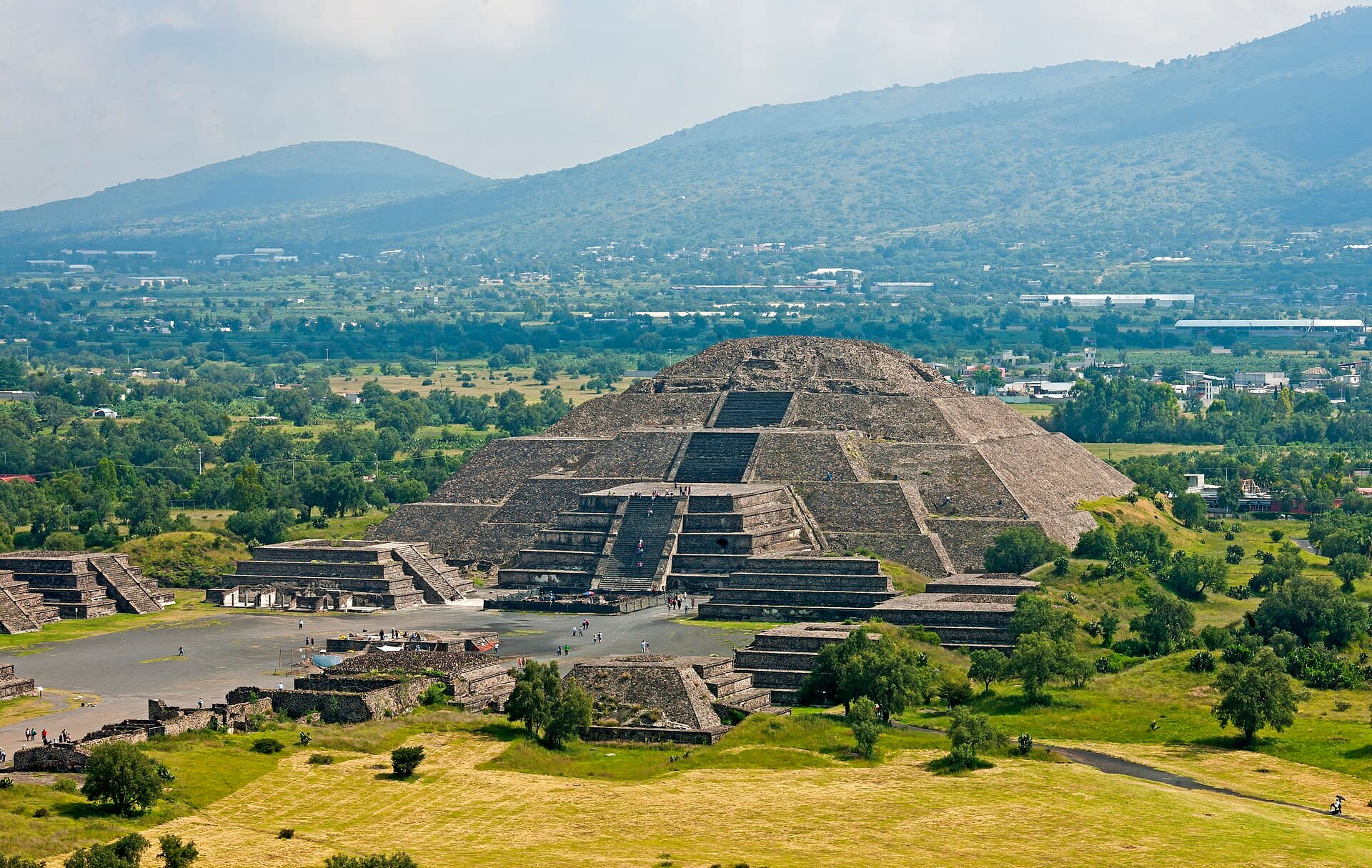
Central Mexico benefits from a temperate altitude climate that is radically different from the coastal zones. Mexico City (2,240 m) and Oaxaca (1,550 m) enjoy mild summers and dry, cool winters — one of the best pieces of news for travelers from Europe or North America who are wary of tropical heat.
The dry season, November to April, is the ideal window. Daytime temperatures swing between 18 and 26°C in Mexico City (cooler in January, warmer in April) and 20 to 28°C in Oaxaca. December and January nights can dip to 10–13°C — bring a jacket. Air quality in Mexico City is actually better in the dry season because there's no rain to push pollutants down to street level, but winter anticyclones can occasionally cause temperature inversions that trap pollution for a few days. In practice, visibility of the Popocatépetl and Iztaccíhuatl volcanoes — one of the great Mexico City sights — peaks in November and March.
November is arguably the best month: Día de los Muertos turns Oaxaca into a singular cultural experience, prices remain reasonable before Christmas, and the weather is settling after the rains. December to March is high season in both Mexico City and Oaxaca — book hotels and restaurants ahead, especially for weekends and holidays. April marks the end of the dry season with hotter afternoons (30–32°C in Oaxaca) and Semana Santa crowds.
The rainy season, May to October, doesn't prevent a visit — rain concentrates in late afternoon storms while mornings stay clear. Mexico City is less crowded with international tourists, and Oaxaca's Sierra Norte turns spectacularly green. Accommodation prices drop noticeably. June through September are the wettest months, with brief but intense thunderstorms (30 to 90 minutes) in late afternoon. Our take: November and February remain the most versatile months for the region.
Read also
- Mexico City, the capital with a thousand faces — Teotihuacán, the Anthropology Museum, Frida Kahlo and Mexico's best street food.
- Oaxaca, Mexico's gastronomic capital — Moles, artisanal mezcal, Monte Albán and the country's finest craft scene.
- Mexico travel guide — Everything you need to know before you go: visa, budget, safety and best regions.