Logistics in Central Mexico combine well-served main routes with the occasional need for your own wheels to get off the main path.
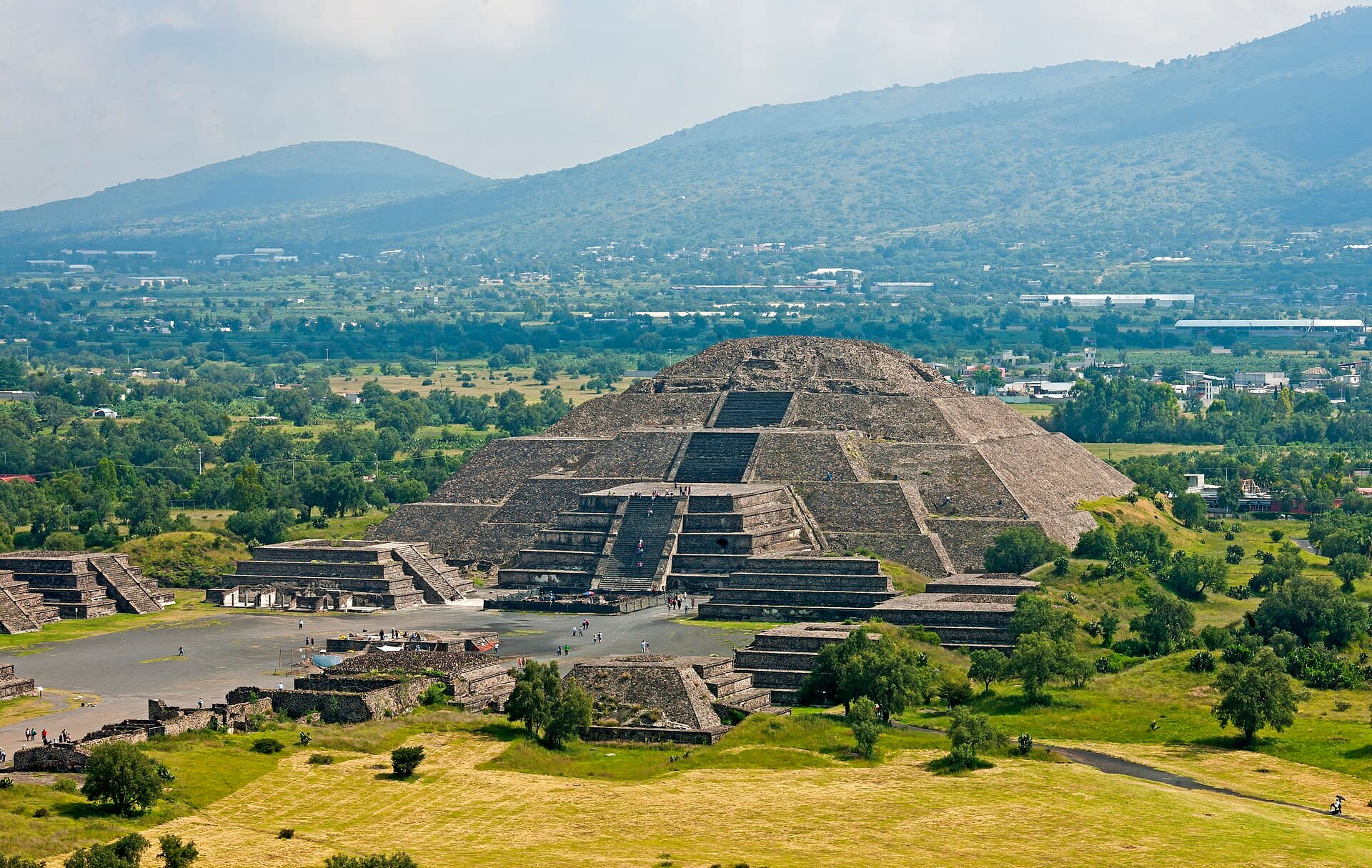
Mexico City runs on a 12-line metro network (the second largest in Latin America) that covers tourist neighborhoods efficiently: Line 2 passes through Pino Suárez (Centro Histórico) and Coyoacán, Line 7 serves Polanco and Chapultepec, Line 1 runs along Reforma. A ticket costs 5 pesos (€0.25) per ride — unbeatable. Avoid rush hours (7:30–9:30 a.m. and 6–8 p.m.) when crowding is intense. Uber works very well in Mexico City — it's traceable, safe, and runs 2 to 5 times cheaper than traditional taxis. For day trips: Teotihuacán by bus from the Terminal Norte (60 pesos, every 30 min); Puebla on ADO from TAPO (2h, 200 pesos); Oaxaca by flight (50 min, €40–90) or overnight ADO bus (6h, €22).
In Oaxaca, the city center is walkable. The archaeological sites (Monte Albán, Mitla) and craft villages are reachable by colectivo (from the Mercado de Abastos), shared taxi (for Monte Albán, from a dedicated terminal across from the market) or rental car. A colectivo to Teotitlán del Valle or San Bartolo Coyotepec costs 15–25 pesos. For the Hierve el Agua waterfalls (70 km southeast), an organized tour or rental car is needed — the final stretch of road is in rough shape. The Sierra Norte of Oaxaca (hiking in Pueblos Mancomunados) also requires a car or a guided tour from the city. Rental agencies cluster around the Oaxaca Zócalo and charge €40–70/day.
The key distances to know before planning an itinerary: Mexico City–Teotihuacán, 50 km (1h by car or bus from Terminal Norte); Mexico City–Puebla, 130 km (2h on the toll highway or ADO); Mexico City–Oaxaca, 480 km (6h by bus, 50 min by plane); Oaxaca–Monte Albán, 10 km (20 min by shared taxi or car); Oaxaca–Mitla, 45 km (1h by colectivo from Abastos); Oaxaca–Hierve el Agua, 70 km (1h30 by car, rough road on the last few kilometers). These distances illustrate a structural fact: Mexico City and Oaxaca are too far apart to be done back-to-back without planning — count a minimum of half a day of transit between them.
For domestic flights, low-cost Mexican carriers Volaris and VivaAerobus offer very competitive fares on the Mexico City–Oaxaca route (sometimes under €30 one-way if you book ahead), to be weighed against the overnight ADO bus at €22–28 but six hours of road. The Mexico City–Mérida route by air takes 1h40 (versus 20 hours by bus) — here flying is the obvious choice if your itinerary combines Central Mexico and the Yucatán. The regional airports of Oaxaca (OAX) and Mérida (MID) are small and easy to handle; check-in is fast.
In both cities, mobile apps are useful allies. In Mexico City, the CDMX Movilidad app tracks the metro, metrobús and cable car in real time; Waze is essential if you rent a car, since traditional GPS units often misread the megacity. In Oaxaca, taxis are fewer and usually flagged in the street or booked by phone — ride-hailing apps are not yet ubiquitous, but local services like inDriver are starting to spread. For guided excursions in both cities (Monte Albán, Teotihuacán, craft villages), local agencies offer minibus tours with English-speaking guides for €25–60 per person — a practical option that removes the logistical friction on roads that can be poorly signed.
Read also
- Mexico City, the capital with a thousand faces — Teotihuacán, the Anthropology Museum, Frida Kahlo and Mexico's best street food.
- Oaxaca, Mexico's gastronomic capital — Moles, artisanal mezcal, Monte Albán and the country's finest craft scene.
- Mexico travel guide — Everything you need to know before you go: visa, budget, safety and best regions.