Mowando

Region

Kanto

The world's largest metropolitan area surrounded by Buddhist sanctuaries, snow-capped volcanoes and Pacific shoreline — Kanto distills Japan into a single unforgettable region.

4.80

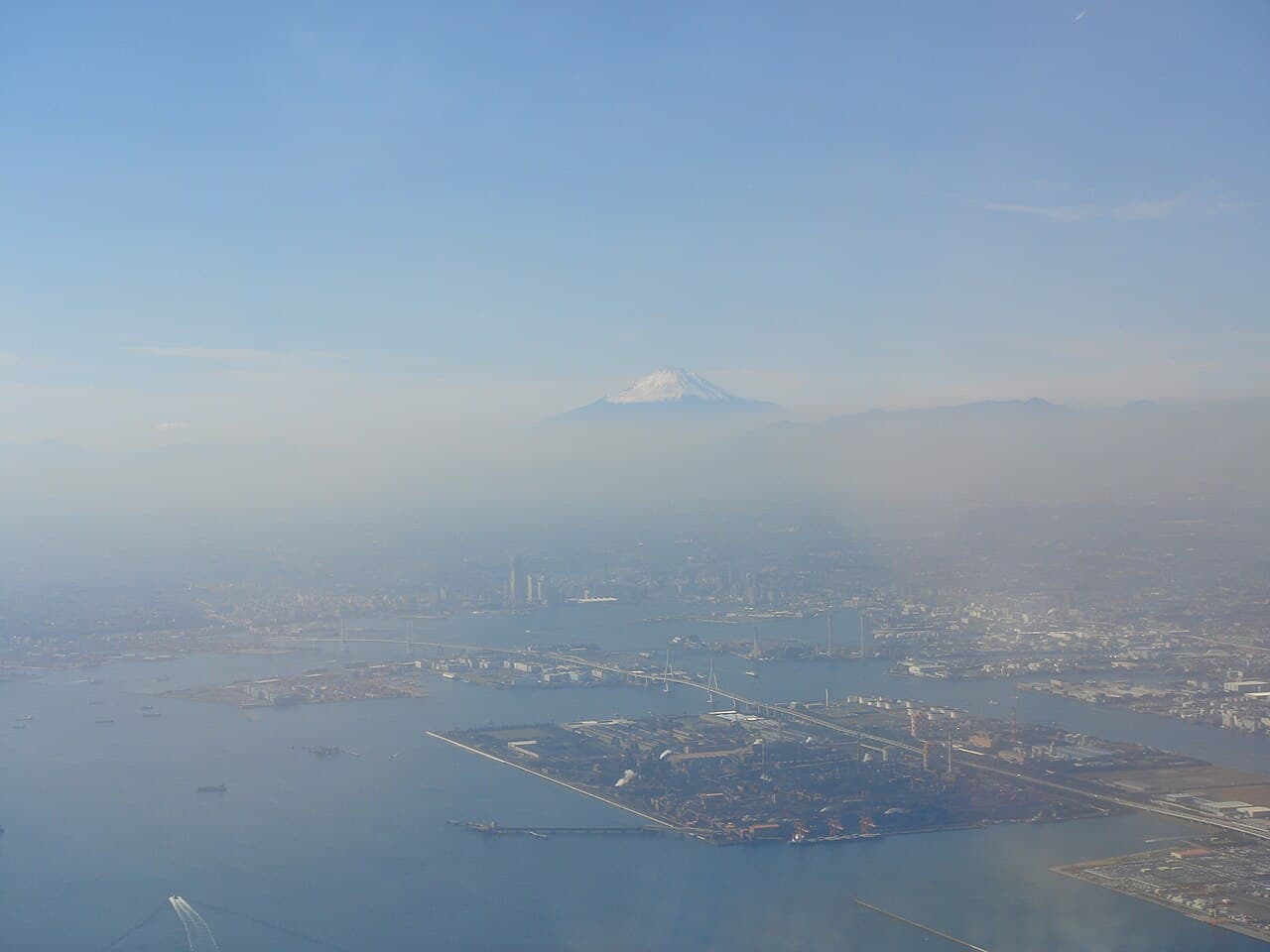
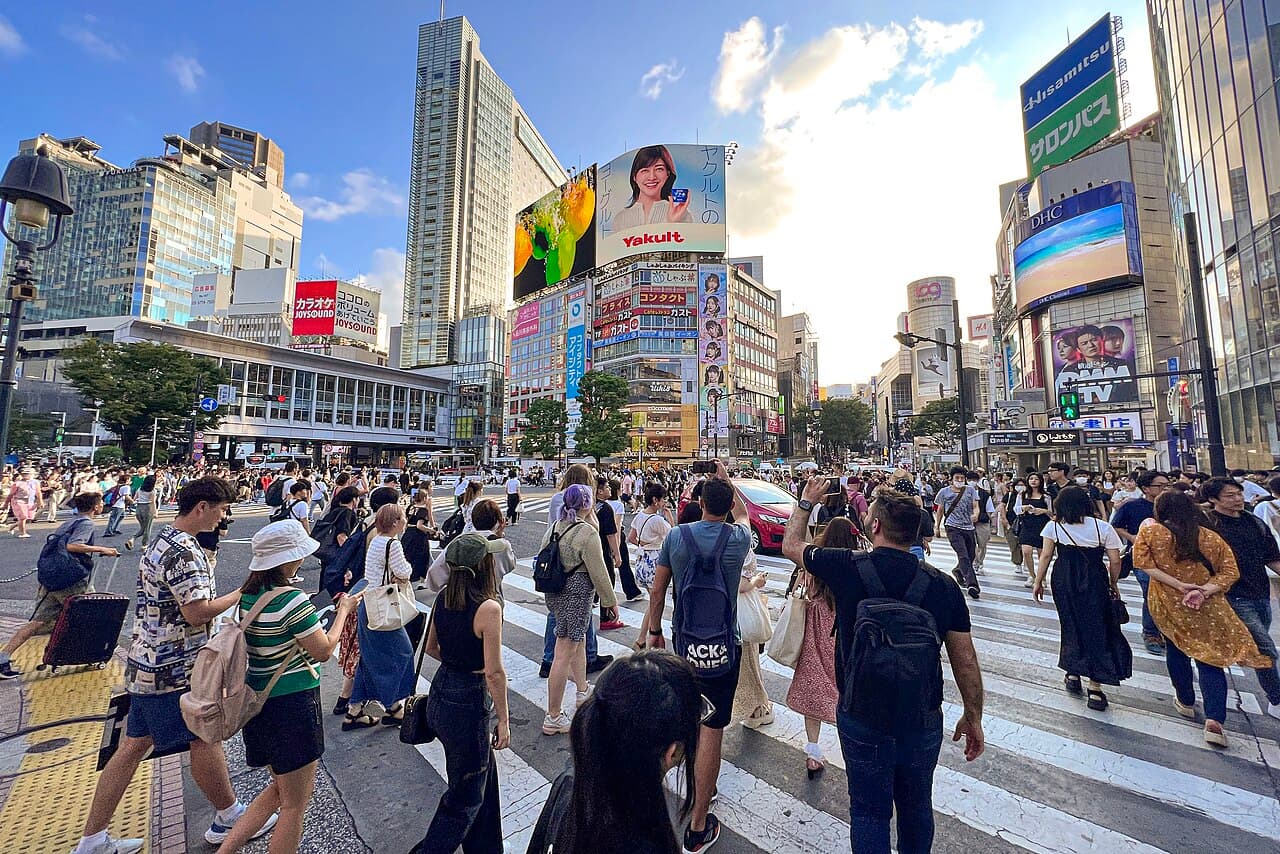
Kanto is Japan's most populous region, home to more than 43 million people spread across the Tokyo Plain and its bay. At its centre, Tokyo — the nation's capital, economic engine and cultural powerhouse — unfolds across a surface the size of a small country, where the hyper-modernity of Akihabara and Shibuya sits side by side with the tranquillity of Asakusa's temples and the imperial gardens. The Kanto Plain, bounded to the north by the mountains of Nikko and to the west by the slopes of Fuji and the Japanese Alps, opens southward onto Tokyo Bay and the Sagami Sea.

Beyond Tokyo, Kanto offers a remarkable diversity of day trips and excursions. Yokohama, Japan's second city, draws visitors to its cosmopolitan waterfront and the largest Chinatown in Asia. Kamakura, an hour to the south, shelters the great bronze Buddha (Daibutsu) and a network of Zen temples nestled in forested hills. Nikko, to the north, is home to the most elaborately decorated shrines in Japan, rising among thousand-year-old cryptomeria forests on a UNESCO World Heritage site. And Hakone, combined with Lake Ashi and its hot spring resorts (onsen), delivers some of the finest views of Mount Fuji at dawn. Kanto is also the nation's transport hub: from Tokyo, the Shinkansen network radiates to every corner of the archipelago, and regional trains reach the far edges of the region in under two hours. It is usually where a Japan journey begins — and where travellers first discover that a few days here are never quite enough.

Spots in the region
Situation

Où se situe Kanto ?

Ouvrir la carte en grand sur OpenStreetMap →

Frequently asked questions

How many days do you need in Kanto?+
Plan for a minimum of five to seven days to cover the essentials. Three to four days in Tokyo are enough for the must-see neighbourhoods (Shibuya, Shinjuku, Asakusa, Akihabara), with an additional day for Kamakura (Great Buddha, Zen temples) and a day for Nikko or Hakone. With ten days you can explore Tokyo in depth, add Yokohama, a night in Hakone for the onsen and Mount Fuji views, and Nikko without feeling rushed.
When is the best time to see cherry blossoms in Tokyo?+
Tokyo's sakura typically blooms between late March and mid-April, reaching full bloom (mankai) around 25-30 March in an average year. The most celebrated spots are Ueno Park (crowded), Shinjuku Gyoen (paid entry, no alcohol — calmer), Chidorigafuchi (along the imperial palace moat) and Yoyogi. The bloom lasts roughly two weeks and depends on winter temperatures — track Japan's Meteorological Corporation forecasts from January onward.
How do you get around Kanto?+
Kanto has one of the world's most efficient public transport networks. In Tokyo, the metro (13 lines, 285 stations) and JR lines cover every neighbourhood; a rechargeable IC Card (Suica or Pasmo) works across all operators and doubles as a contactless payment card. For day trips: Kamakura in 55 min from Shinjuku (Shōnan-Shinjuku Line); Nikko in 2h from Asakusa (Tobu Nikko); Hakone in 1h25 from Shinjuku (Odakyu Romance Car — Hakone Free Pass recommended); Kawaguchiko in 1h55 from Shinjuku (Fuji Excursion). The Japan Rail Pass is worth buying only if you combine Kanto and Kansai or take multiple Shinkansen journeys.
Can you see Mount Fuji from Tokyo?+
Yes, on clear days between October and May. The best vantage points in Tokyo are Shibuya Sky, the Tokyo Skytree observation deck and the free terrace of the Tokyo Metropolitan Government Building in Shinjuku. Fuji is most reliably visible in winter (December-February) when the air is dry and the sky clear. For the most dramatic close-up views, head to Hakone (Lake Ashi) or Kawaguchiko — both within two hours of central Tokyo.
How much does a trip to Kanto cost?+
Tokyo is Japan's most expensive destination. Accommodation runs ¥12,000-22,000 (USD 80-150) per night for a decent hotel in a central neighbourhood, ¥6,000-10,000 (USD 40-70) for a quality capsule hotel or guesthouse. Food is surprisingly affordable: a bowl of ramen or a market sushi set costs ¥1,200-2,000 (USD 8-14). Metro fares are cheap (around ¥200-300 per ride). A comfortable daily budget: USD 120-180 per person; budget mode (capsule hotels + street food): USD 70-90.
Nikko or Hakone — which day trip from Tokyo should I choose?+
The two serve different needs. Nikko is the cultural and natural choice: extraordinarily ornate Tosho-gu shrines, ancient cryptomeria forests and the Kegon Falls — a grander, more historical atmosphere. Hakone is the nature-and-relaxation choice: Lake Ashi with Mount Fuji views, hot spring baths, the Open Air Museum and the chance to catch Fuji at sunrise if the weather cooperates. Both can be combined over two days on a loop from Tokyo. Nikko requires a full day minimum; Hakone rewards an overnight stay for the onsen experience.
Is there a risk of earthquakes in Tokyo?+
Tokyo sits in one of the world's most seismically active zones. Minor earthquakes (magnitude 3-4) are frequent and usually imperceptible. Modern Tokyo buildings are constructed to some of the strictest earthquake-resistant standards in the world, making structural collapse very unlikely. In the event of shaking, stay indoors, move away from windows and follow local authority instructions. The Yurekuru (earthquake alert) or Safety Tips (JNTO) apps send real-time alerts to your phone.

Our verdict

Kanto is Japan's natural entry point and a complete destination in its own right. Tokyo alone could fill weeks of discovery, but it is when you leave the capital for Kamakura, Nikko or Hakone that you grasp the region's deeper soul. Come in spring for the cherry blossoms or in autumn for the momiji: these are the two seasons when Kanto is absolutely unforgettable. For a first trip to Japan, allow at least five to seven days in the region before heading southwest to the Kansai.

Mowando Letter

Once a month: the right destinations for the right season + the best booking windows.

No spam. One-click unsubscribe. Your data is never shared.