Mowando

Region

Kansai

Japan's historic heartland, where Kyoto preserves its geisha districts and Zen gardens, Osaka celebrates food above all else, and fifteen-century-old Buddhist temples rise through the cedar forests of the Kii Peninsula.

4.80

Kansai is the soul of Japan. For more than a millennium, this region was the political, cultural and spiritual centre of the archipelago: Nara served as the first permanent capital (710-794), Kyoto as the imperial capital for over a thousand years (794-1869), and Osaka as the commercial engine of the nation since the Edo period. That layered past has endowed Kansai with an unrivalled concentration of cultural heritage — 17 UNESCO World Heritage sites in the Kyoto and Nara prefectures alone.

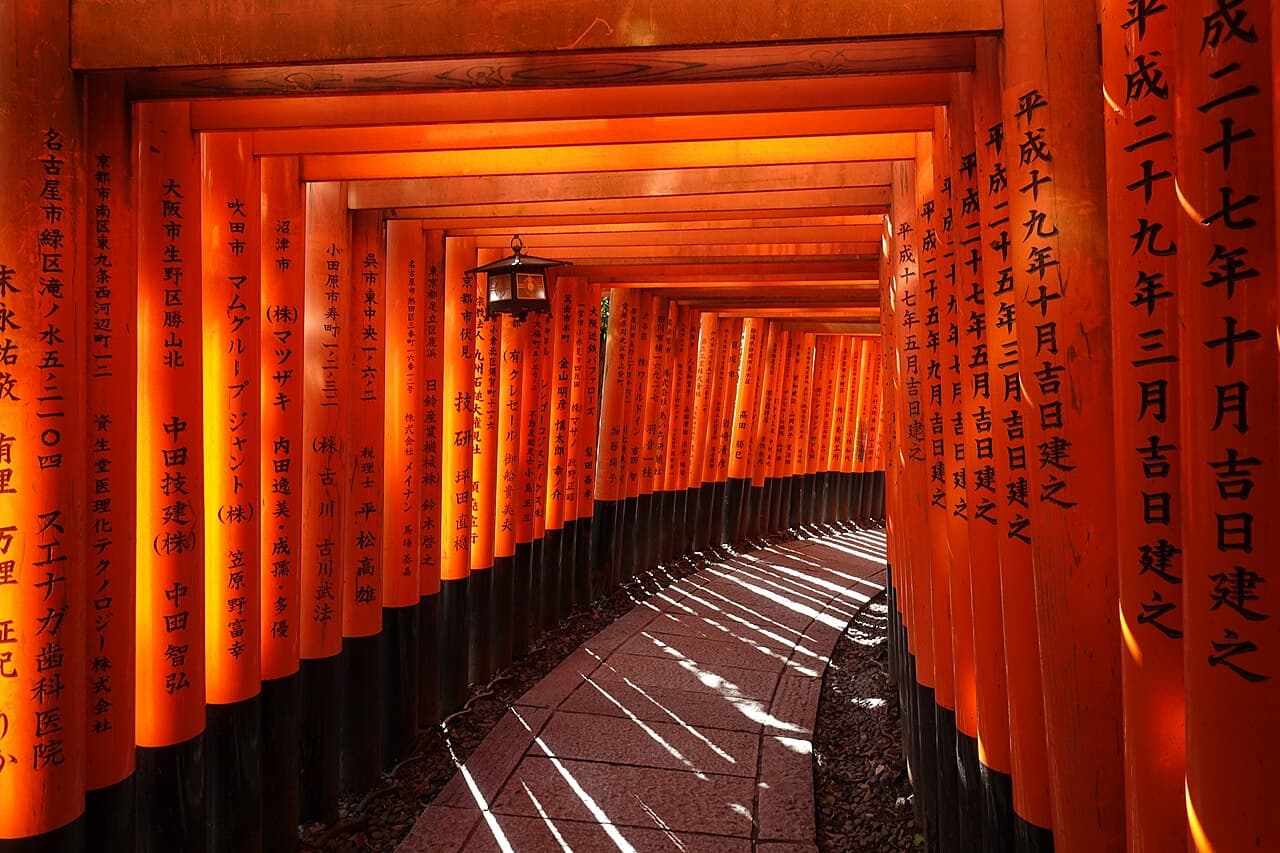
At its heart, Kyoto remains the quintessential Japanese city for most visitors. Its 1,600 Buddhist temples and 400 Shinto shrines form a cultural fabric of staggering density. The historic neighbourhoods of Gion (geisha), Higashiyama (the stone-paved Ninenzaka-Sannenzaka lanes), Fushimi (the 10,000 vermilion torii of Inari shrine) and Arashiyama (the bamboo grove and Tenryu-ji garden) each require several half-days to explore properly. Kaiseki cuisine — the refined multi-course art form born in Kyoto — is the highest expression of Japanese culinary culture.

Osaka, 30 minutes from Kyoto by Shinkansen, plays an essential complementary role: it is Japan's most relaxed major city, where locals greet strangers in the street and happily eat themselves into debt (kuidaore — «ruin yourself eating»). Dotonbori, Kuromon Ichiba, Shinsaibashi — the names evoke a joyfully exuberant food culture, from takoyaki and kushikatsu to the Michelin stars that line every neighbourhood alley. Nara, 45 minutes from Kyoto, adds a wilder, more spiritual dimension: hundreds of freely roaming deer graze between the temples of the park, and Todai-ji houses Japan's largest bronze Buddha statue.

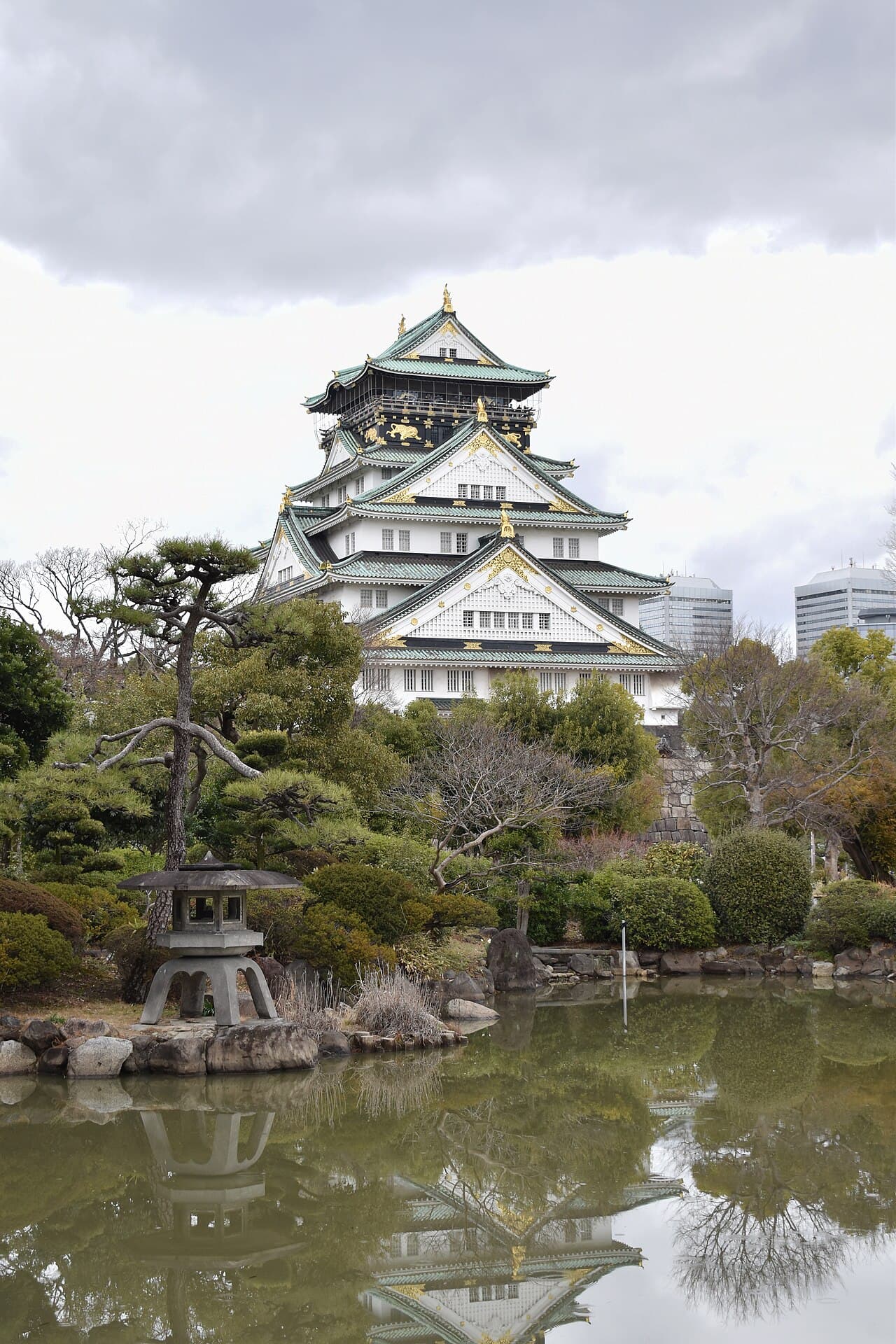
Kansai also holds lesser-known but unforgettable treasures. Himeji Castle (the «White Heron Castle»), an hour from Osaka, is the best-preserved feudal castle in Japan and widely considered its most beautiful. Mount Koya (Koyasan), accessible from Osaka in just over an hour, has been the centre of Shingon esoteric Buddhism since the 9th century — a night in a temple lodging (shukubo) among the thousand-year-old cryptomeria of Okunoin cemetery is one of the most profound experiences Japan can offer. And Kobe, a charming cosmopolitan port city and birthplace of the world-famous Kobe beef, is just thirty minutes from Osaka and deserves a full day.

Spots in the region
Situation

Où se situe Kansai ?

Ouvrir la carte en grand sur OpenStreetMap →

Frequently asked questions

How many days do you need in Kansai?+
Plan for a minimum of five to seven days to cover the essentials. Three days in Kyoto are enough for the highlights (Fushimi Inari, Arashiyama, Gion, Kinkaku-ji), with an additional day for Nara (deer and Todai-ji) and a day for Osaka (Dotonbori, castle, street food). With ten days you can explore Kyoto in depth, add a night on Mount Koya, a day in Himeji and a trip to Kobe. For a first Japan trip, two weeks ideally combine Kansai (seven to eight days) and Kanto (five to six days).
Should I stay in Kyoto or Osaka?+
Both have their merits. __Kyoto__ lets you visit temples at dawn before the groups arrive — the city's greatest advantage over all other bases. The atmosphere in Kyoto's guesthouses and ryokan in the evening, once the day-trippers have headed back to Osaka, is incomparable. __Osaka__ offers more affordable accommodation, a livelier nightlife and a fast link to Kyoto (30 min by Shinkansen). Ideally: spend two to three nights in Kyoto and finish in Osaka. If budget is the priority, base yourself in Osaka and make daily return trips to Kyoto.
How do you visit Kyoto's temples without the crowds?+
The secret is timing. Fushimi Inari is magical before 7 am, when the only other visitors are local pilgrims. Kinkaku-ji is best at opening time (9 am), before the tour buses arrive at 10. Arashiyama's bamboo grove at 6:30 am in spring is almost deserted. The secondary temples on Kyoto's eastern side — Shogen-in, Manshu-in, Shisendo in the Ichijoji area — offer the same Zen beauty without the crowds. In peak season (sakura, momiji), visit the popular sites on weekdays rather than weekends.
What is kaiseki and where can I try it in Kyoto?+
__Kaiseki__ is Japan's supreme culinary art form: a multi-course meal (seven to fifteen dishes) that magnifies seasonal ingredients through preparations of extraordinary delicacy. Born in Kyoto, it is practised in the city's finest ryokan and restaurants. For an accessible introduction, restaurants like Kikunoi Roan (entry-level) or certain ryokan in Higashiyama offer kaiseki dinners from ¥10,000-15,000 (USD 65-100). At the top end, budget ¥30,000-80,000. A kaiseki lunch (¥2,000-5,000) at neighbourhood restaurants is a more affordable way to discover the spirit of the genre.
Is Mount Koya worth the detour?+
Yes, without question. Mount Koya (Koyasan) is one of Japan's most profound experiences. This forested plateau at 850 m altitude holds more than 100 Buddhist temples of the Shingon tradition founded by the monk Kukai in the 9th century. Okunoin cemetery, with its 200,000 grave markers beneath a forest of thousand-year-old cryptomeria, is one of the most haunting places in Asia. A night in a temple lodging (shukubo) includes a Buddhist vegetarian dinner (shojin ryori) and a morning fire ceremony (goma) — an experience that justifies the trip in itself. From Osaka (Namba), the journey takes 1h30 to 2h by train and funicular.
What is a Gion evening like in Kyoto?+
Gion is Kyoto's geisha (geiko, in local dialect) and traditional culture district. In the evening, the stone-paved streets of Hanamikoji and Shinbashi come alive quietly between 6 pm and 9 pm — the hour when geiko and maiko (apprentice geisha) head to their engagements at the ochaya (teahouses). Encountering them in the street is possible but not guaranteed. For a guaranteed experience, traditional dance performances (Gion Corner, ¥3,150) take place every evening. The izakaya and bars of Pontocho Lane, five minutes from Gion, offer a more accessible evening atmosphere. Avoid photographing geisha without their consent — an increasingly unwelcome behaviour in Kyoto.
Is Himeji Castle worth the trip?+
Yes, without hesitation. Himeji Castle (Shirasagi-jo, the «White Heron Castle») is the definitive reference of Japanese castle architecture — better preserved and more imposing than the reconstructed castles in Osaka or Nagoya. UNESCO World Heritage-listed since 1993, it dates to the 14th century and has never been destroyed or rebuilt. The approach from the station — a 15-minute walk down a straight avenue, the white silhouette rising at the far end — is one of Japan's great arrivals. Allow half a day on site. Himeji is 45 minutes from Osaka by Shinkansen — easily slotted into a 7-day Kansai circuit.

Our verdict

Kansai is the unmissable destination in Japan for anyone drawn to culture, history and the Japanese art of living. Kyoto remains irreplaceable — it is one of the most beautiful cities in the world when you slow down and experience it away from the midday crowds. The secret is to rise before dawn to have the temples to yourself, retreat to the peripheral neighbourhoods of Fushimi and Ohara when Gion is packed, and pair Kyoto with a night on Mount Koya. Come in spring for the sakura or in November for the momiji: at both moments, Kansai reaches a beauty that few places in the world can equal.

Mowando Letter

Once a month: the right destinations for the right season + the best booking windows.

No spam. One-click unsubscribe. Your data is never shared.